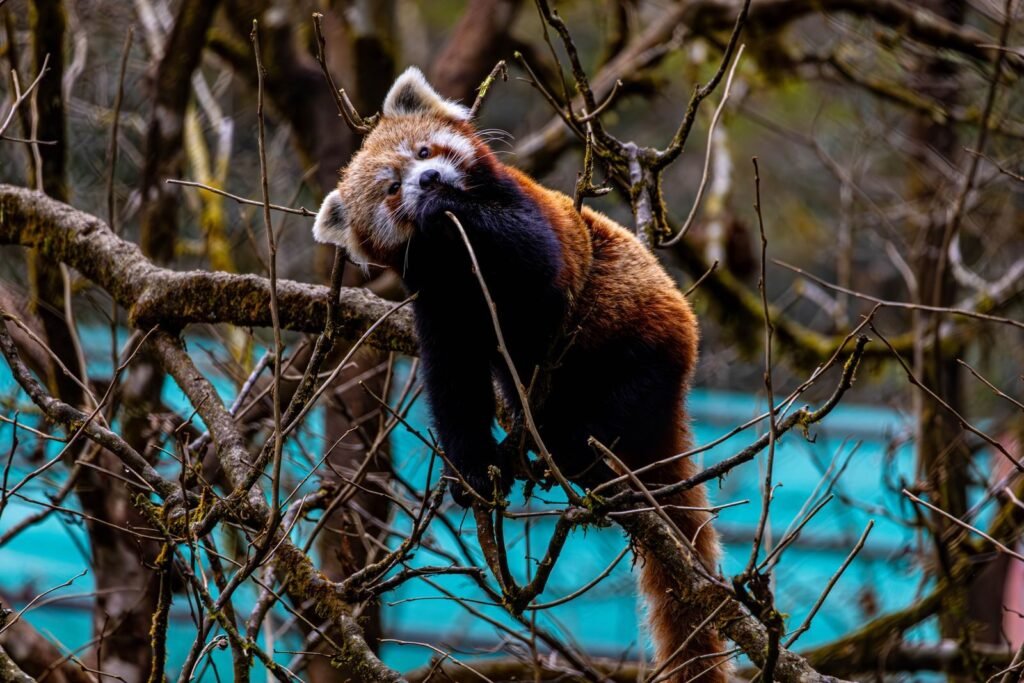
Padmaja Naidu Himalayan Zoological Park

Red panda climbing tree branches in Sikkim, India forest habitat.

Things to do

Padmaja Naidu Himalayan Zoological Park, Darjeeling — Things to Do (Tourist Guide)

Padmaja Naidu Himalayan Zoological Park (often called the Darjeeling Zoo) is one of India’s premier high-altitude zoological parks. Set against the dramatic backdrop of the eastern Himalaya, it is both a visitor attraction and a conservation centre focusing on Himalayan fauna. Below is a practical, detailed guide to things to do and how to plan a rewarding visit.

Why Visit?

The park offers a mix of wildlife viewing, conservation education, spectacular mountain vistas and pleasant walks — all within easy reach of Darjeeling’s town centre. It is particularly well known for in-situ and ex-situ conservation efforts for high-altitude species and for giving visitors a chance to see animals adapted to cold mountain environments.

Top Highlights

  • Key species on display: Snow leopard, red panda, and other Himalayan species (watch for interpretive signs and enclosure talks).
  • Panoramic views: Clear days often reveal Kanchenjunga and surrounding peaks from vantage points near the park.
  • Conservation work: The park is internationally recognised for captive-breeding programs and research on Himalayan wildlife.
  • Proximity to other attractions: Himalayan Mountaineering Institute, the Toy Train (Darjeeling Himalayan Railway) and Batasia Loop are nearby — ideal for a combined itinerary.

Things to Do Inside the Park

1. Wildlife Watching

Observe Himalayan specialists. Take time at enclosures housing snow leopards and red pandas — these are often the park’s most popular residents. Use binoculars to watch animal behaviour without disturbing them.

2. Guided and Self-Guided Walks

Wander the park’s sloping trails and viewing points. Signboards explain species and habitats; if a guided tour is available, join it to learn more about the animals and conservation efforts.

3. Photography

  • Best lens: A telephoto (200–400 mm) helps capture animals from a respectful distance.
  • Best time: Early morning and late afternoon light is most flattering and animals are often more active then.
  • Etiquette: Avoid flash, stay behind barriers and keep noise to a minimum.

4. Visit the Conservation/Education Displays

Learn about breeding programmes and research. The park frequently has interpretive displays and staff-led talks that explain captive-breeding successes, species reintroduction efforts and habitat conservation.

5. Participate in Outreach Activities

Look for opportunities to attend scheduled talks, school programs, or special events on environmental themes. Many zoos run adoption schemes or symbolic animal adoptions that fund conservation work.

6. Combine with Nearby Attractions

Turn your zoo visit into a half- or full-day outing: stop at the Himalayan Mountaineering Institute, Batasia Loop, local tea gardens, or the Mall (Chowrasta) for shopping and local snacks.

Planning Your Visit

Opening Hours & Tickets

Hours and ticket prices can change seasonally. Tip: check the park’s official website or local tourist information before you go for current timings, fees and camera charges.

Best Time to Visit

  • Clear sky months: Autumn and winter (October–February) often offer the clearest mountain views.
  • Wildlife activity: Spring (March–May) is pleasant for walking and animals are more active as temperatures moderate.

How to Reach

The park is within Darjeeling town limits and is frequently accessed by local taxis, rickshaws or on foot from nearby central points. If travelling from outside Darjeeling, Darjeeling is connected by road to Siliguri/Bagdogra (air/rail hubs); many visitors combine the toy train ride (Darjeeling Himalayan Railway) with their sightseeing.

Facilities & Accessibility

  • Terrain: The park is on sloping, sometimes uneven ground — wear comfortable walking shoes.
  • Facilities: Basic visitor amenities such as restrooms and viewing benches are usually available; food stalls may be outside the park. Carry water and snacks for children or elders.
  • Accessibility: The hilly terrain can be challenging for wheelchairs and people with limited mobility — enquire with park staff if you require assistance or specific facilities.

Visitor Guidelines (Do’s and Don’ts)

  • Do maintain a respectful distance from animals and follow staff instructions.
  • Do keep noise low and avoid sudden movements that could stress animals.
  • Do carry layers of clothing — hill weather can change quickly.
  • Don’t feed animals or throw objects into enclosures.
  • Don’t smoke or litter; use designated bins.
  • Don’t use flash photography or professional setups without permission.

Practical Tips

  • Clothing: Warm layers, windproof jacket, and comfortable shoes. Sunglasses and sunscreen on sunny days.
  • Gear: Binoculars and a telephoto lens for photography. A small daypack for water and essentials.
  • Altitude: Though not extreme, the higher altitude can make exertion feel harder than usual—take it easy if you’re not acclimatised.
  • Weather: Mornings can be foggy; plan for flexible timing to catch clear views.

Sample Itineraries

Half-Day (Morning)

  • Arrive early for the best light and animal activity.
  • Spend 1.5–2 hours exploring enclosures and educational displays.
  • Visit the nearby Himalayan Mountaineering Institute or the Mall for lunch and sightseeing.

Full-Day

  • Combine the zoo with a toy-train ride or a visit to tea gardens and monasteries.
  • Attend any scheduled talks or keeper interactions if available.

Conservation and How Visitors Can Help

Your visit supports conservation: Entrance fees and donations often fund breeding programmes, habitat research and rescue work. Consider participating in symbolic adoptions, making donations, or purchasing from official souvenir outlets where proceeds support the park.

Final Notes

Padmaja Naidu Himalayan Zoological Park is more than a tourist destination — it’s a living conservation centre where visitors can learn about fragile Himalayan ecosystems and the species that depend on them. With a little planning, respectful behaviour and patience, you can enjoy rewarding wildlife encounters, great mountain scenery and meaningful insights into conservation work.

Tip: Before you go, verify current timings, entry rules and any visitor advisories from official park sources or local tourist offices to ensure the smoothest experience.

Get Instant Call Back​

Which places do you want to explore in North-East?
Kindly share your above details to get Travel Plan PDF within 30 seconds on your mobile
Please wait while we are preparing customized quotes as per your requirement.

Why Choose us ?

What makes us different from other tour package companies

Best Travel Experts

Our travel experts have core and intense knowledge about Sikkim sector with over 10 years of experience that will help you choose the best possible itinerary as per your requirements.

24 X 7 On-Trip Assistance

Our travel experts are just one call away during your tour to help you with any kind of immediate assistance so that your tour is a more enjoyable and hassle-free tour.

Best Rate Guarantee

eSikkimTourPackages ensures best rates to all our esteemed guests since we have our own hotels and fleet of vehicles and drivers and there is no third-party involvement. This ensures personalized service and best rates.


Sikkim Tour Packages by Theme

Sikkim Tour From Popular Cities

Limited period offer – Sikkim tour packages at flat 50% discount. Inquire now!

Kindly enter the details below for your Sikkim Tour Package
Loading, please wait . .. ... ....