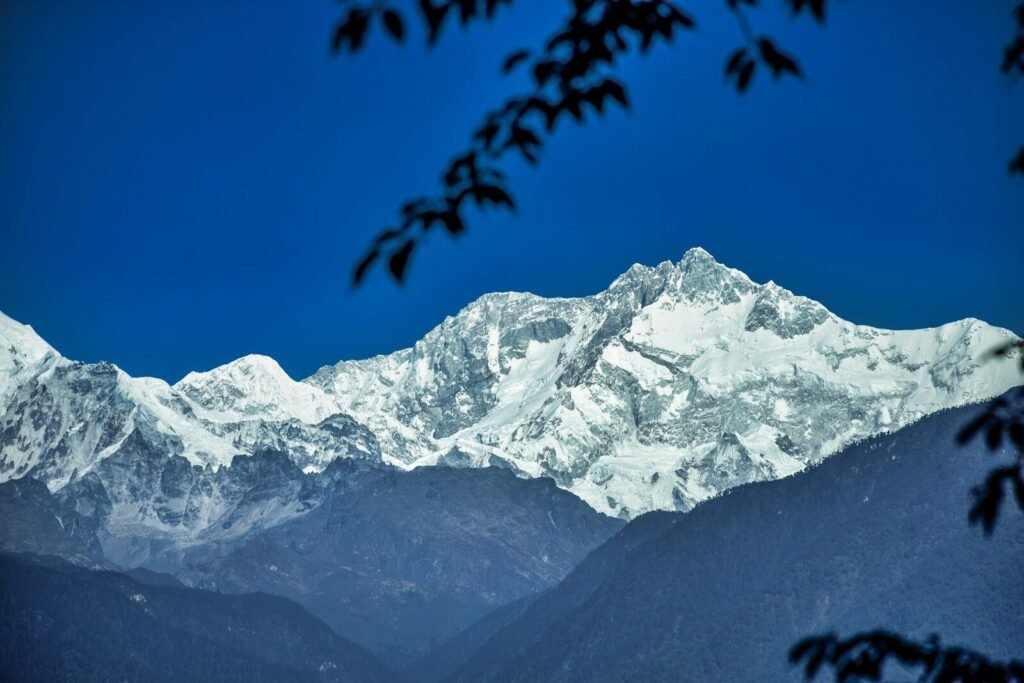
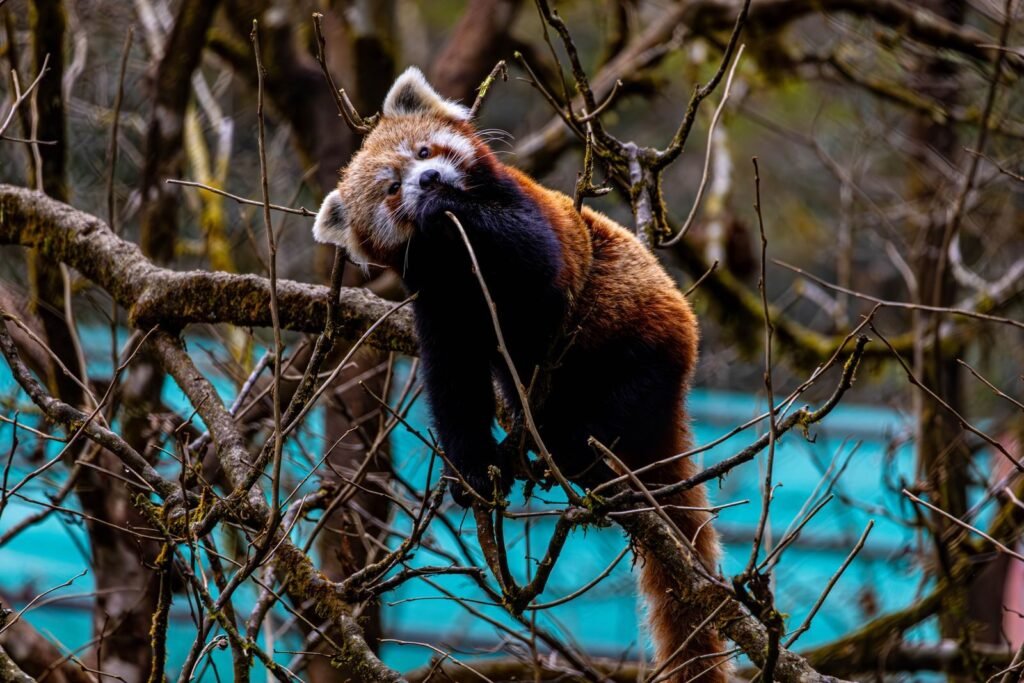
The Padmaja Naidu Himalayan Zoological Park (often abbreviated as PNHZP) is one of Asia’s premier high-altitude zoological parks, located in Darjeeling, West Bengal. Renowned for its specialized conservation and captive-breeding programs—particularly for the red panda and snow leopard—the park offers visitors a unique chance to see Himalayan fauna in settings designed to mimic their natural habitat. Its hilltop location gives the park a cool, temperate climate and often spectacular views of the surrounding hills and, on clear days, distant peaks.
When planning a visit to PNHZP, timing affects three main things:
Spring brings mild, pleasant weather and blooming rhododendrons and magnolias across the Darjeeling hills. Days are comfortable for walking the park’s paths and for photography. Wildlife activity tends to be good in the cooler morning and late afternoon hours. Because this period overlaps with warmer months elsewhere in India, visitor numbers can increase, so expect moderate crowds on weekends and school holidays.
Post-monsoon autumn is another excellent window to visit. Skies are generally clear, the air is crisp, and distant mountain views are often at their best—ideal for landscape and wildlife photography. Temperatures are comfortable, and paths are dry and safe. This is a peak tourist time in Darjeeling, so plan for larger crowds around weekends and festival dates.
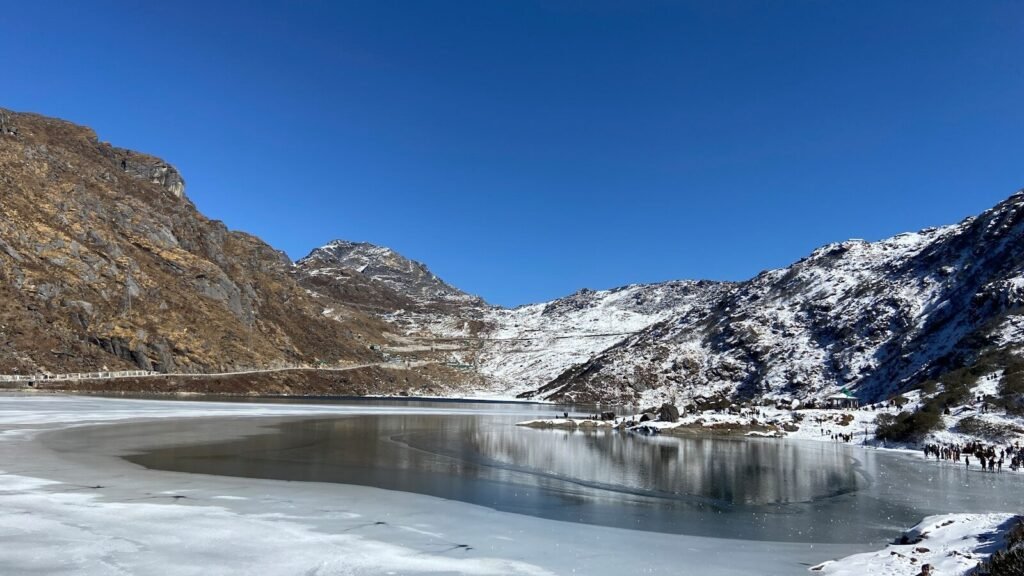
Winters are cold and misty; on some years you may see light snowfall in Darjeeling. Visitor numbers drop, so you can enjoy the park with fewer crowds. Wildlife visibility can be mixed—some animals are less active during mid-day, while others tolerate the cold well. Dress warmly and be prepared for early closures of daylight in late afternoons. If you prefer solitude and dramatic winter landscapes, this time can be rewarding.
Monsoon brings heavy rains, persistent mist, and slippery trails. Roads to hill destinations can be affected by landslides or delays. Animal sightings are generally less predictable, and many scenic views remain obscured by clouds. For comfort, safety, and the best chance to see animals, it is generally advisable to avoid this period unless you are comfortable with wet-weather travel and reduced visibility.
For observing animal behavior and getting the best photographs:
Darjeeling is typically reached by road from Bagdogra Airport or New Jalpaiguri (NJP) railway station. Road travel from either transport hub to Darjeeling usually takes approximately 3–4 hours depending on traffic and road conditions. Once in Darjeeling, the zoo is located within the North Point area and is easily accessible from central Darjeeling by taxi, shared jeep, or local transport.
PNHZP is close to several of Darjeeling’s top attractions, making it easy to pair with other sightseeing:
Padmaja Naidu Himalayan Zoological Park plays a vital conservation role for rare Himalayan species. Visitors can support these efforts by:
For most visitors the best times to plan a trip to the Padmaja Naidu Himalayan Zoological Park are spring (March–May) and autumn (October–November) for a balance of pleasant weather, clear views, and high wildlife activity. Winter offers solitude and dramatic landscapes for those prepared for cold conditions, while the monsoon is generally the least favorable period for wildlife viewing and safe travel. Aim for early-morning visits, dress in layers, and check local weather and official park information before you go.
What makes us different from other tour package companies
Our travel experts have core and intense knowledge about Sikkim sector with over 10 years of experience that will help you choose the best possible itinerary as per your requirements.
Our travel experts are just one call away during your tour to help you with any kind of immediate assistance so that your tour is a more enjoyable and hassle-free tour.
eSikkimTourPackages ensures best rates to all our esteemed guests since we have our own hotels and fleet of vehicles and drivers and there is no third-party involvement. This ensures personalized service and best rates.
























Kindly enter the details below for your Sikkim Tour Package