Table of Contents
- Why Visit Sikkim in March?
- Sikkim Weather in March
- Top Places to Visit in March
- Festivals and Events in March
- Best Things To Do in March
- Suggested March Itineraries
- Permits, Roads, and Responsible Travel
- How to Reach Sikkim
- Where to Stay in March
- FAQs about Sikkim in March
- Conclusion
Why Visit Sikkim in March?
March in Sikkim marks the start of spring: clear Himalayan views, fresh blooms, and pleasant days without peak-season crowds. Many roads reopen after winter, making it a great shoulder-season month for treks, photography, and birdwatching. High-altitude regions may still have snow, while mid-altitude valleys begin to turn lush and colorful.
Sikkim Weather in March
Temperature & Conditions by Region
- Gangtok & East Sikkim: Around 7–16°C. Mostly clear mornings and evenings; light jackets needed throughout the day.
- North Sikkim (Lachen, Lachung, Gurudongmar, Yumthang): Colder, from -5–10°C. Snow persists at higher altitudes; roads open subject to weather.
- West Sikkim (Pelling, Yuksom): 6–17°C. Crisp skies ideal for Kanchenjunga views.
- South Sikkim (Namchi, Ravangla, Temi): 8–18°C. Comfortable, with early blooms and tea-garden vistas.
What to Pack
- Warm layers, fleece/down jacket (especially for North Sikkim and early mornings)
- Wool cap, gloves, thermal wear if visiting high passes
- Comfortable trekking shoes with good grip
- Sunscreen, sunglasses, lip balm (sun can be strong at altitude)
- Personal medicines and a basic first-aid kit
Health Note
High-altitude destinations like Gurudongmar Lake can cause altitude-related symptoms. Hydrate well, avoid rushing, and consider acclimatization nights in Gangtok/Lachen/Lachung before going higher.
Top Places to Visit in Sikkim in March
Gangtok, Tsomgo Lake & Nathula Pass (East Sikkim)
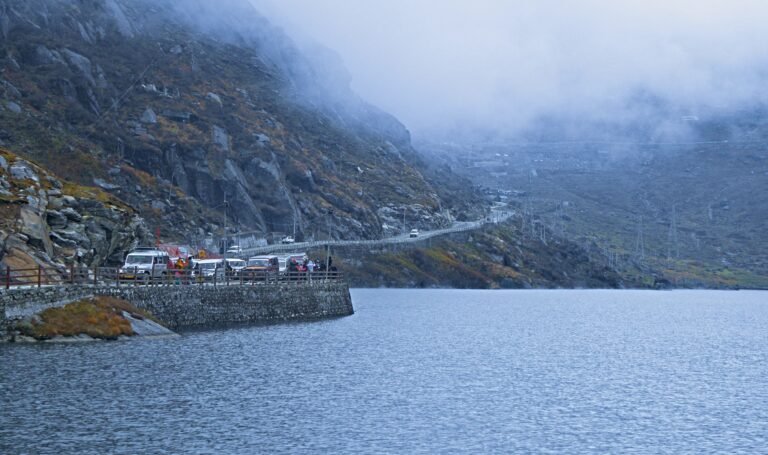
- Tsomgo (Changu) Lake: Often partially frozen in early March, with yak rides and snow around the banks.
- Nathula Pass: Dramatic India–China border pass. Opens to Indian nationals with permits; usually closed on Mondays and Tuesdays (check latest schedule).
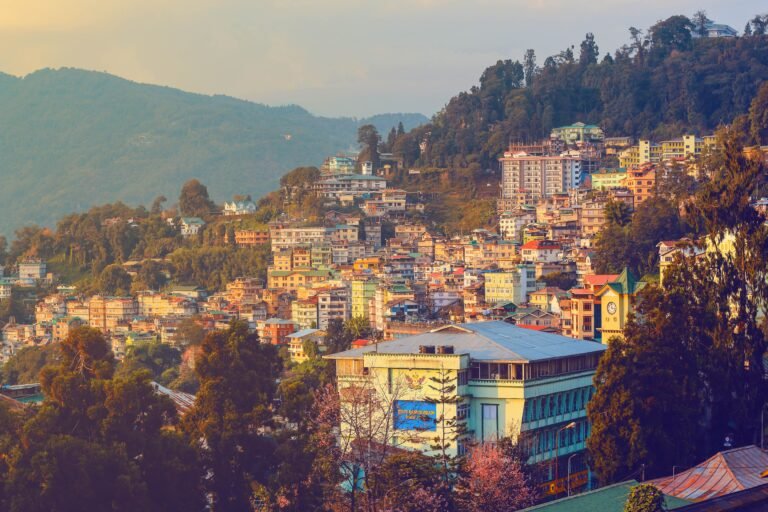
- MG Marg & Ropeway: Cafes, shopping, and a short cable-car ride for city and valley views.
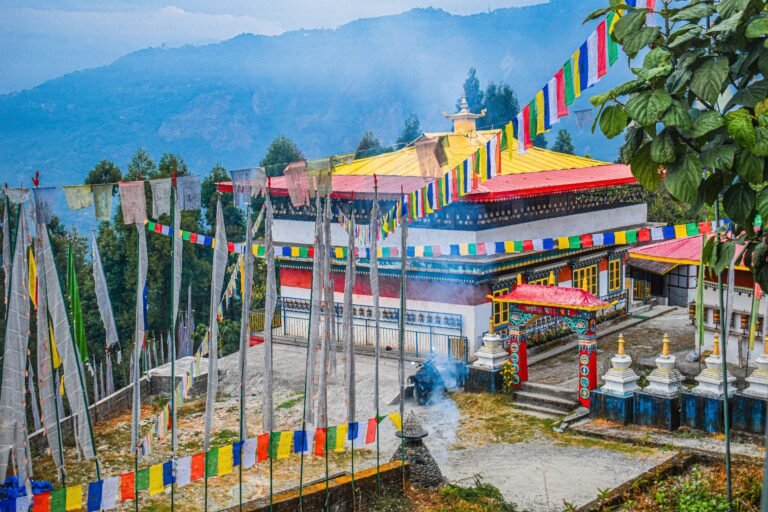
- Rumtek Monastery: The seat of the Karmapa with ornate interiors and tranquil courtyards.
Travel Note
Permits are required for Tsomgo/Nathula and are typically arranged by registered tour operators in Gangtok.
North Sikkim: Lachung, Yumthang Valley & Lachen, Gurudongmar Lake
- Yumthang (Valley of Flowers): Early rhododendron blooms may begin late March; hot spring nearby.
- Zero Point (Yumesamdong): Snowy landscapes and panoramic views if the road is open.
- Lachen & Gurudongmar Lake: One of the world’s highest lakes; often frozen in March. Not recommended for children under 8 or travelers with respiratory/cardiac issues.
Permit Tip
Protected Area Permits (PAP) are mandatory for North Sikkim. Foreign nationals are restricted from some border areas like Gurudongmar.
West Sikkim: Pelling, Yuksom & Barsey Rhododendron Sanctuary
- Pelling: Sunrise views of Kanchenjunga, Rabdentse Ruins hike, Skywalk & Chenrezig statue.
- Yuksom: Historic trailhead to Dzongri/Goecha La treks; village walks and monasteries.
- Barsey: Rhododendrons start to bloom late March, with gentle forest hikes and birdlife.
South Sikkim: Namchi, Ravangla & Temi Tea Garden
- Namchi: Char Dham complex and Samdruptse Buddha statue with far-reaching views.
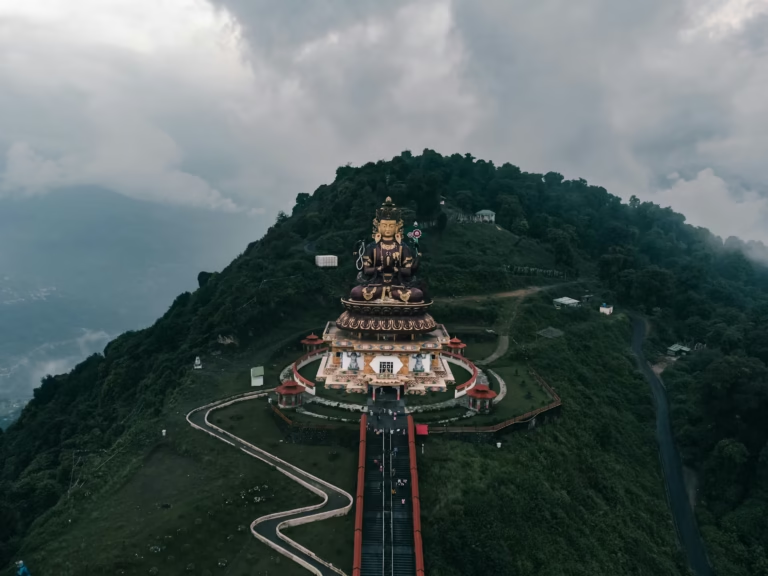
- Ravangla (Buddha Park): Serene gardens and a towering Buddha statue.
- Temi: Sikkim’s only tea estate—drive through emerald slopes and stop for tastings.
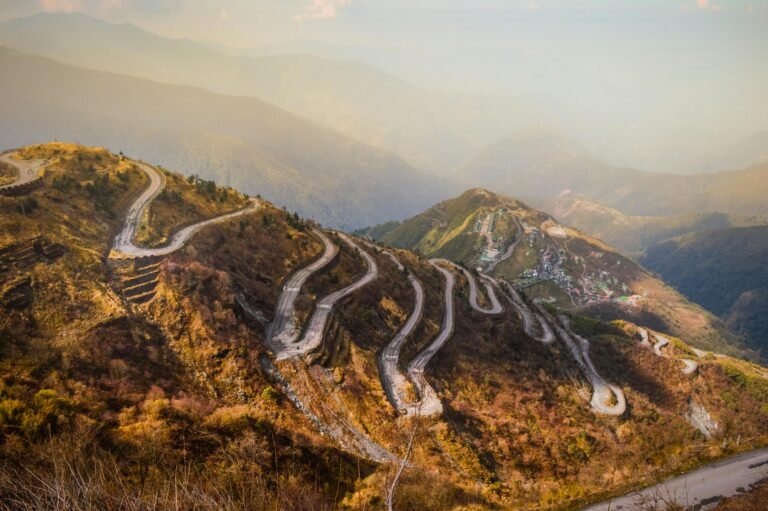
East Sikkim’s Old Silk Route (Zuluk–Nathang)
- Zuluk loops: Iconic hairpin bends and lingering snow at higher points in early March.
- Nathang Valley: Stark, high-altitude vistas; access depends on weather and permits.
Festivals and Events in March
- Losar (Tibetan New Year): Often falls in Feb/March (lunar calendar). Monasteries light up with prayers, butter lamps, and traditional dances.
- Bumchu Festival (Tashiding Monastery): Celebrated around the first lunar month (Feb/March). The sacred water ceremony draws devotees from across the region.
- Holi: In some years, Holi arrives in March and is observed modestly in towns like Gangtok and Namchi.
Insider Tip
Festival dates vary annually—check the current lunar calendar or Sikkim Tourism updates before planning.
Best Things To Do in March
Trekking & Nature Walks
- Lower-altitude trails around Yuksom, Pelling, and Barsey are ideal in March.
- Dzongri trek may still have snow—go with a certified guide and proper gear.
Birdwatching
- Kitam and Kewzing belts are excellent for Himalayan species during spring migration.
Hot Springs
- Soak at Yumthang or Ralong/Borong hot springs—especially soothing after cold, high-altitude drives.
Adventure & Scenic Rides
- Paragliding near Gangtok (weather-permitting)
- River rafting on the Teesta (conditions-dependent)
- Gangtok ropeway for city and ridge views
Local Food & Tea
- Warm up with thukpa, momos, gundruk, phagshapa, and yak cheese (chhurpi).
- Try Temi tea and traditional millet brew (served responsibly at licensed venues).
Suggested March Itineraries
4N/5D East & South Sikkim Highlights
Day 1:
Arrive Gangtok, MG Marg stroll, ropeway sunset.
Day 2:
Tsomgo Lake and Baba Mandir; add Nathula if open and permitted.
Day 3:
Rumtek Monastery and transfer to Namchi; visit Char Dham/Samdruptse.
Day 4:
Ravangla Buddha Park + Temi Tea Garden; overnight near Temi/Ravangla.
Day 5:
Departure via Gangtok or directly to airport/railhead.
5N/6D North Sikkim Sampler (Weather/Permit Dependent)
Day 1:
Gangtok local sights and acclimatization.
Day 2:
Drive to Lachen; village walk.
Day 3:
Gurudongmar Lake early morning (if permitted), then transfer to Lachung.
Day 4:
Yumthang Valley + hot spring; optional Zero Point if open.
Day 5:
Return to Gangtok; café hopping and souvenir shopping.
Day 6:
Departure.
6N/7D West Viewpoints & Blossoms
Day 1:
Gangtok arrival and leisure.
Day 2:
Transfer to Pelling; Rabdentse Ruins sunset walk.
Day 3:
Skywalk, Pemayangtse Monastery; Kanchenjunga Falls and viewpoints.
Day 4:
Yuksom heritage walk; optional short trek toward Dzongri trailhead.
Day 5:
Barsey Rhododendron Sanctuary hike.
Day 6:
Transfer to Namchi/Ravangla; tea garden pause at Temi.
Day 7:
Departure.
Permits, Roads, and Responsible Travel
Permits for Indian Nationals
- Carry a government photo ID and passport-size photos.
- Permits are mandatory for Tsomgo, Nathula, North Sikkim, and Old Silk Route sectors—arranged via registered tour operators.
Permits for Foreign Nationals
- Inner Line Permit (ILP) required to enter Sikkim; obtainable online or at entry checkpoints (e.g., Rangpo).
- Protected Area Permits for areas like Lachung/Lachen are issued via operators; certain borders (e.g., Nathula, Gurudongmar) remain off-limits.
Road & Seasonal Notes
- High-altitude roads may close temporarily due to snow or maintenance—build buffer days.
- Nathula is typically closed to tourists on Mondays and Tuesdays; always confirm locally.
Sustainable Travel Tips
- Sikkim has strict rules on plastic—carry reusable bottles and bags.
- Respect monastery etiquette; dress modestly and keep noise low.
- Use local guides and homestays to support communities.
How to Reach Sikkim
By Air
- Pakyong (PYG): Nearest airport to Gangtok with limited, weather-dependent flights.
- Bagdogra (IXB): Major hub near Siliguri; about 4–5 hours by road to Gangtok.
By Train
- New Jalpaiguri (NJP): Closest major railhead; connect to Gangtok via taxi/shared cabs.
By Road
- From Siliguri to Gangtok via NH10: scenic Teesta-side drive (4–5 hours, traffic-dependent).
Where to Stay in March
- Gangtok: Boutique hotels near MG Marg, heritage stays in quiet neighborhoods.
- Pelling/Yuksom: View rooms facing Kanchenjunga; homestays for culture and cuisine.
- North Sikkim: Simple lodges and homestays; heating and hot water can be basic—book early.
- South Sikkim: Tea-estate bungalows and serene resorts near Ravangla.
Booking Tip
March is a shoulder season, but prime-view properties and North Sikkim slots fill up—reserve permits and rooms at least 1–2 weeks ahead.
FAQs about Sikkim in March
Is March a good time for North Sikkim?
Yes, with caveats. Expect cold weather and possible snow; road openings vary with conditions. Always keep a buffer day.
Will I see flowers in March?
Early rhododendrons begin late March, especially around Barsey and Yumthang. Peak bloom is typically April–May.
Can foreigners visit Nathula and Gurudongmar?
No, these border areas are restricted for foreign nationals. Check current rules for alternative high-altitude viewpoints.
What are essential permits?
ILP for foreigners to enter Sikkim; special permits for Tsomgo/Nathula, North Sikkim, and Old Silk Route sectors for all visitors (arranged via operators).
What should I wear?
Layer up: thermals, fleece or light down jacket, gloves, and sturdy shoes. Sun protection is essential at altitude.
Conclusion
March unveils Sikkim at its most balanced—snow-kissed highlands, blossoming valleys, and crisp, crowd-free vistas. Whether you’re chasing Kanchenjunga sunrises in Pelling, soaking in Yumthang’s hot springs, or tracing the Old Silk Route’s head-turning bends, this spring month delivers variety and value. Plan permits ahead, pack for mixed temperatures, and keep a flexible schedule for weather—then let Sikkim’s monasteries, mountains, and meadows do the rest.