Table of Contents
- Introduction
- History and Importance
- Best Time to Visit
- Top Things to Do
- How to Reach Ghoom Monastery
- Accommodation and Estimated Costs
- Local Food, Culture, and Shopping
- Nearby Attractions
- Travel Tips for Different Travelers
- Frequently Asked Questions
- Conclusion
Introduction
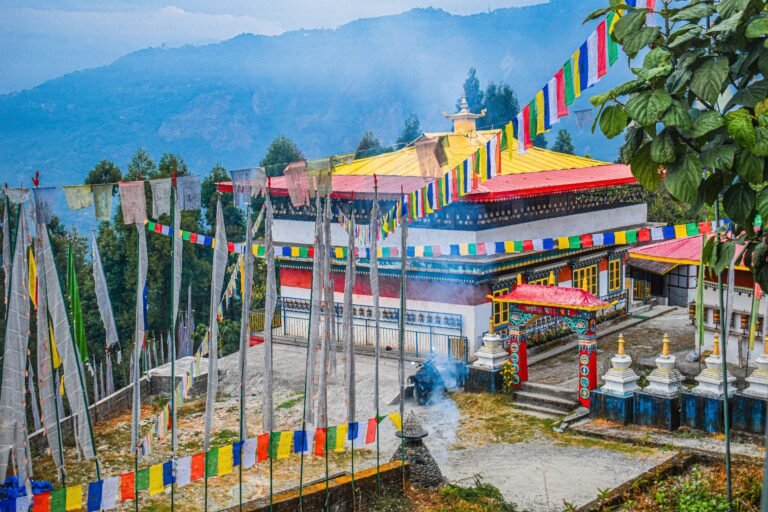
Nestled in the misty hills of Darjeeling, Ghoom Monastery is one of the most serene and spiritually meaningful stops in North Bengal. Also known as Yiga Choeling Monastery, it is a place where prayer flags flutter in the mountain breeze, incense drifts through quiet courtyards, and the pace of life slows down beautifully.
This monastery is more than just a sightseeing stop. It offers a window into Tibetan Buddhist culture, a sense of calm, and sweeping views of the Himalayas in and around Ghoom. For travelers exploring Darjeeling, it is one of the most rewarding places to include in a hill itinerary.
History and Importance
Ghoom Monastery is one of the oldest Tibetan Buddhist monasteries in the Darjeeling region. It was established in 1850 by Lama Sherab Gyatso and is closely associated with the Gelugpa sect of Tibetan Buddhism. Its spiritual atmosphere and age make it an important heritage site for both pilgrims and visitors.
The monastery is especially known for its large 15-foot statue of Maitreya Buddha, which is believed to be one of the main highlights inside the prayer hall. The monastery also preserves Buddhist texts and sacred objects that reflect the devotional and cultural life of the region.
For many visitors, the importance of Ghoom Monastery lies in its peaceful setting. It is not a loud or commercial attraction. Instead, it offers stillness, devotion, and a deeper connection to the mountain culture of Darjeeling.
Best Time to Visit
The best time to visit Ghoom Monastery depends on the experience you want. The monastery can be visited year-round, but the weather and visibility change with the seasons.
March to May
This is one of the best periods to visit. The weather is pleasant, skies are relatively clear, and the hills are covered in fresh greenery. It is ideal for sightseeing and photography.
October to December
Autumn and early winter bring crisp air and beautiful mountain views. This is also a great time for travelers who prefer cool weather and fewer interruptions from rain.
June to September
The monsoon season makes the landscape lush, but roads can be slippery and visibility may be limited by fog and rain. If you travel during this time, allow extra time for movement between attractions.
January to February
Winter mornings can be very cold, but the atmosphere is calm and refreshing. If you enjoy quiet travel and misty mountain scenery, this can be a lovely time to visit.
Top Things to Do
Ghoom Monastery is a compact destination, but there is still plenty to experience if you visit with a relaxed pace.
1. Explore the prayer hall
Step inside the monastery to admire the sacred interiors, the statue of Maitreya Buddha, and the traditional Buddhist artwork. Keep your voice low and your movements respectful.
2. Observe the monks and rituals
If you are lucky, you may see monks chanting, lighting butter lamps, or moving through daily prayers. These moments add depth to the visit and help you understand the living culture of the monastery.
3. Enjoy the mountain atmosphere
The monastery sits in a peaceful hill setting, so take time to simply stand outside and enjoy the cool air, fluttering prayer flags, and distant views.
4. Take photographs thoughtfully
Exterior shots of the monastery, prayer wheels, and surrounding hills make excellent photographs. Always ask before clicking pictures indoors or of people.
5. Combine it with a heritage walk
Since Ghoom is close to other famous Darjeeling sights, you can easily combine the monastery with nearby attractions in one half-day or full-day outing.
How to Reach Ghoom Monastery
Reaching Ghoom Monastery is fairly simple, especially if you are already in Darjeeling.
By air
The nearest airport is Bagdogra Airport, around 70 km away. From the airport, you can hire a taxi or book a shared vehicle to Darjeeling and then continue to Ghoom.
By train
The nearest major railhead is New Jalpaiguri (NJP), around 75 km away. From NJP, taxis and shared jeeps are available to Darjeeling. Ghoom also has its own railway station on the Darjeeling Himalayan Railway route.
By road
Ghoom is about 7 km from Darjeeling town. You can reach by private taxi, shared jeep, or local transport. The road is hilly and scenic, with several bends and viewpoints along the way.
By toy train
If you want a memorable mountain experience, the Darjeeling Himalayan Railway toy train route includes Ghoom. This is one of the most charming ways to approach the area.
Accommodation and Estimated Costs
Most travelers stay in Darjeeling town or in nearby Ghoom and then visit the monastery as a day trip. Accommodation choices are available across different budgets.
Accommodation options
- Budget stays: Guesthouses and homestays with basic facilities
- Mid-range hotels: Comfortable rooms with better views and services
- Premium stays: Boutique hotels and heritage-style properties in Darjeeling
Estimated cost guide
- Budget room: INR 1,000 to INR 2,000 per night
- Mid-range stay: INR 2,500 to INR 5,000 per night
- Premium stay: INR 6,000 and above per night
- Local taxi or shared jeep for short sightseeing: INR 150 to INR 1,500 depending on route and vehicle type
- Meals: INR 150 to INR 500 per person for a casual meal
Ghoom Monastery itself usually does not have a formal entry fee, though donations are welcome and appreciated.
Local Food, Culture, and Shopping
A visit to Ghoom is also a chance to enjoy the food and culture of the Darjeeling hills. The area reflects a blend of Tibetan, Nepali, and local mountain traditions.
Food to try
- Momos: Steamed dumplings served with chutney
- Thukpa: Warm noodle soup, perfect for cold weather
- Butter tea: A traditional Himalayan beverage
- Sel roti: A sweet rice-based snack often found in Nepali homes and local eateries
- Tibetan bread and noodles: Simple, filling mountain fare
Culture and local experiences
The area around Ghoom is deeply influenced by Buddhist customs and hill culture. You may notice prayer wheels, monastery chants, prayer flags, and a calm rhythm of life that feels very different from the plains below.
Respectful dressing and quiet behavior are appreciated, especially inside the monastery and nearby sacred spaces.
Shopping ideas
- Prayer flags and Buddhist souvenirs
- Handmade woolens and scarves
- Tea from Darjeeling estates
- Small handicrafts and local keepsakes
Nearby Attractions
One of the best things about Ghoom Monastery is its location. It sits close to several famous Darjeeling attractions, making it easy to plan a compact sightseeing route.
Batasia Loop
A scenic railway loop and viewpoint famous for the toy train, landscaped gardens, and sweeping hill views.
Ghoom Railway Station
One of the highest railway stations in India and a fascinating stop for train lovers.
Tiger Hill
Known for sunrise views over the Kanchenjunga range, especially on clear mornings.
Peace Pagoda
A peaceful Buddhist monument that adds another spiritual stop to your Darjeeling trip.
Darjeeling Himalayan Railway Museum and toy train route
Ideal for travelers who want to learn more about the region’s famous narrow-gauge railway.
Darjeeling town
From cafes to viewpoints and markets, the main town has enough to fill an additional day or two.
Travel Tips for Different Travelers
A little planning makes a big difference in the hills, especially when weather and road conditions can change quickly.
For families
- Keep the itinerary relaxed and avoid rushing between too many points.
- Carry light snacks, water, and warm layers for children and elderly travelers.
- Use private transport if you are traveling with young kids or seniors.
For honeymooners
- Choose a stay with mountain views in Darjeeling or Ghoom.
- Visit early morning or late afternoon for softer light and fewer crowds.
- Pair the monastery visit with a quiet café stop or a scenic walk.
For friends and small groups
- Combine the monastery with Batasia Loop and Tiger Hill for a full sightseeing day.
- Book a cab in advance if traveling during peak season.
- Carry cash for smaller shops and tea stalls, as digital payment may not always be available.
Packing and safety guidance
- Pack a warm jacket, even in summer, as mornings and evenings can be chilly.
- Wear comfortable shoes with good grip for hilly paths.
- Keep an umbrella or raincoat during the monsoon season.
- Respect monastery rules, remove shoes if required, and avoid loud behavior.
- Check road and weather conditions before setting out, especially in winter and monsoon months.
Frequently Asked Questions
Q: What is Ghoom Monastery famous for?
A: Ghoom Monastery is famous for being one of the oldest Tibetan Buddhist monasteries in the Darjeeling area, its peaceful atmosphere, and the large Maitreya Buddha statue inside.
Q: Is there an entry fee for Ghoom Monastery?
A: In most cases, there is no formal entry fee, though visitors may leave a donation if they wish.
Q: How much time is enough to visit Ghoom Monastery?
A: Around 30 minutes to 1 hour is usually enough for a calm visit, though you may spend longer if you want to observe the surroundings or combine it with nearby attractions.
Q: Can Ghoom Monastery be visited in a half-day trip?
A: Yes, it is easy to include Ghoom Monastery in a half-day sightseeing plan along with Batasia Loop and Ghoom Railway Station.
Q: What should I wear when visiting Ghoom Monastery?
A: Wear modest, comfortable clothing and warm layers. Since it is a religious place in a cool hill region, respectful attire is recommended.
Conclusion
Ghoom Monastery is one of those places that stays with you long after the trip ends. Its spiritual calm, rich Buddhist heritage, and mountain setting make it a meaningful stop in Darjeeling. Whether you are interested in history, photography, local culture, or simply a quiet moment in the hills, this monastery offers a memorable experience.
With nearby attractions, practical travel connections, local food, and a range of accommodation options, Ghoom Monastery fits easily into a well-planned Darjeeling itinerary.