Table of Contents
- Why Visit Sikkim in July
- Weather in July: What to Expect
- Best Places to Visit in July
- Top Experiences & Activities
- Festivals & Events in July
- Suggested Itineraries for July
- Where to Stay
- Permits, Transport & Practical Tips
- Budget: How Much to Plan For
- Responsible Travel in the Monsoon
- FAQs About Sikkim in July
- Conclusion
Why Visit Sikkim in July
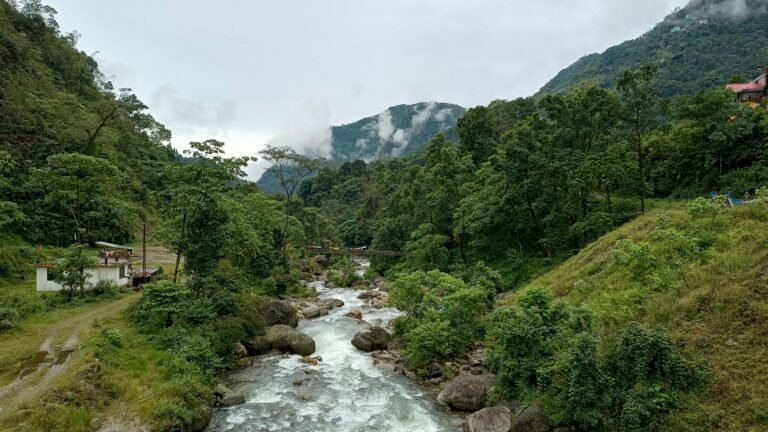
Sikkim in July is a lush, rain-washed paradise. The monsoon breathes life into terraced hills, forests, and waterfalls, revealing emerald valleys and misty ridgelines. With fewer crowds and great off-season offers on stays, July is perfect for travelers who love dramatic landscapes, cultural immersion, and slow travel. While some high-altitude routes may close due to weather, there’s plenty to explore across Gangtok, South, West, and parts of East Sikkim.
Weather in July: What to Expect
- Temperature: Around 18–24°C in Gangtok and South/West Sikkim; cooler (10–18°C) at higher elevations.
- Rainfall: Frequent showers, with occasional heavy spells, especially afternoons and evenings.
- Visibility: Mist and clouds are common; clear mountain views can appear after showers.
- What it means for travel: Allow buffer days, start excursions early, and keep plans flexible.
Best Places to Visit in July
Gangtok & Around
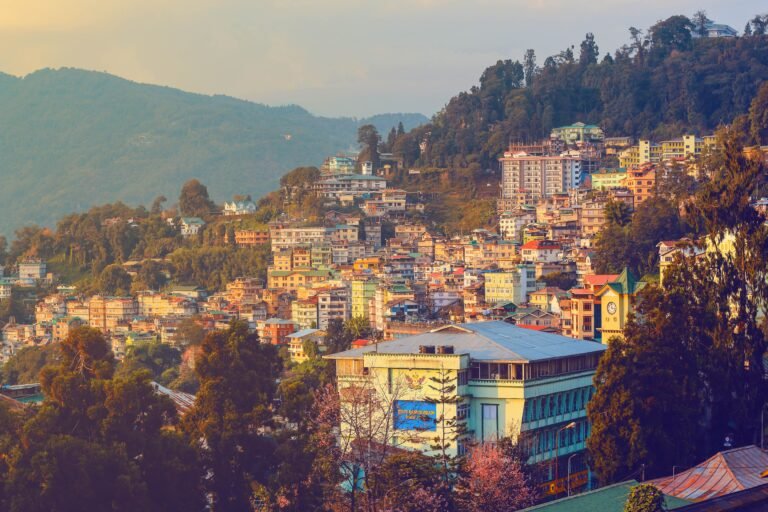
- MG Marg & Lal Bazaar: Cafés, local handicrafts, organic produce, and relaxed evening strolls.
- Namgyal Institute of Tibetology & Do Drul Chorten: Art, culture, and serene monastery ambience.
- Hanuman Tok & Ganesh Tok: Cloud-kissed viewpoints with sweeping vistas when skies clear.
- Enchey Monastery: A peaceful monastery set amid deodar trees; great for photography after rain.
South Sikkim Highlights
- Namchi: Tendong Hill and Samdruptse viewpoints; vast statues and quiet monasteries.
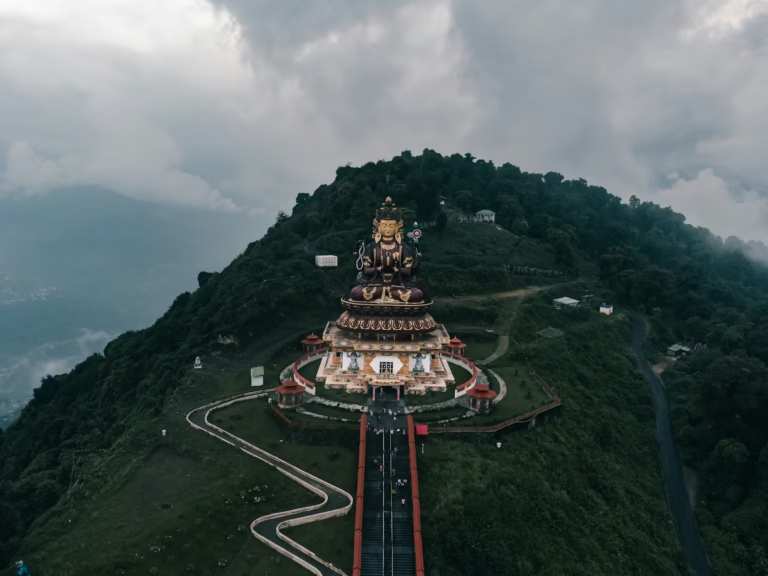
- Ravangla: Buddha Park (Tathagata Tsal) shrouded in monsoon mist; charming cafés.
- Temi Tea Garden: Sikkim’s famed tea estate; factory tours and scenic walks between showers.
West Sikkim
- Pelling: Rabdentse Ruins and Pemayangtse Monastery; rolling clouds and mossy trails.
- Khecheopalri Lake: Sacred, mirror-like waters framed by dense forest.
- Kanchenjunga Falls & Rimbi: Spectacular monsoon-fed cascades—visit during lighter rain for safety.
- Yuksom: Historic first capital; gentle village walks and birding.
East Sikkim
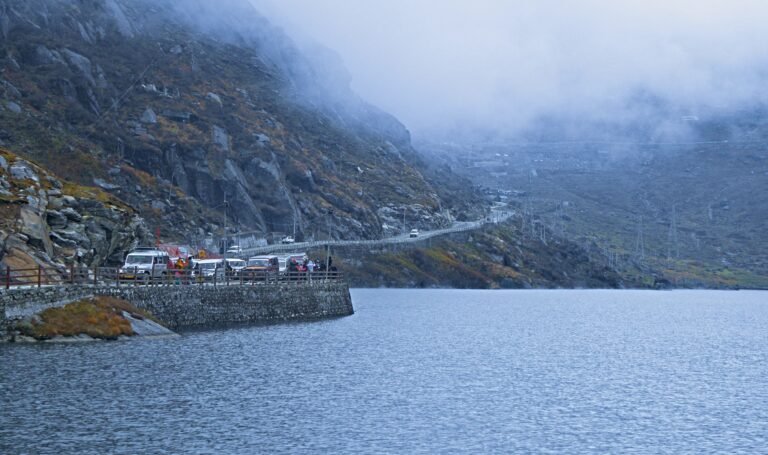
- Tsomgo (Changu) Lake: Ethereal in the mist; access depends on weather and road conditions.
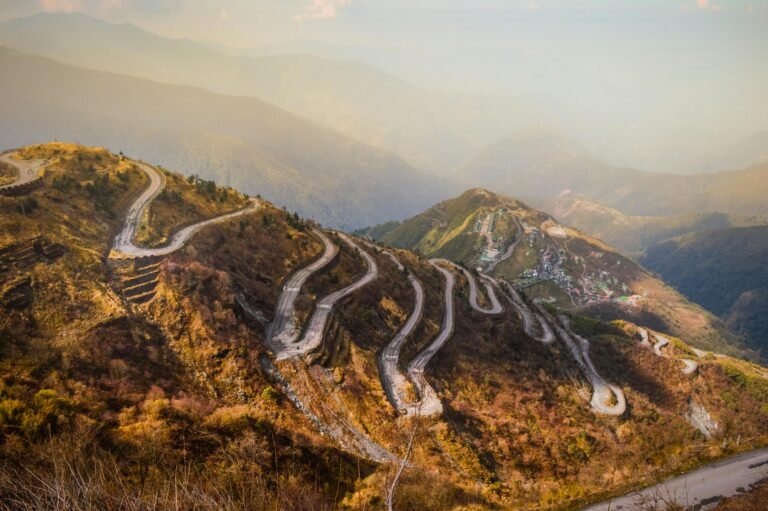
- Zuluk & Silk Route: Switchbacks and cloudscapes—often restricted or risky during heavy rain; check advisories.
North Sikkim (With Caution)
Routes to Lachen, Lachung, Yumthang Valley, and Gurudongmar Lake may be restricted or closed in July due to landslides and safety concerns. If open, travel only with licensed operators, carry permits, and be flexible. Many travelers choose to skip extreme altitudes in peak monsoon.
Top Experiences & Activities
Monastery Hopping & Culture
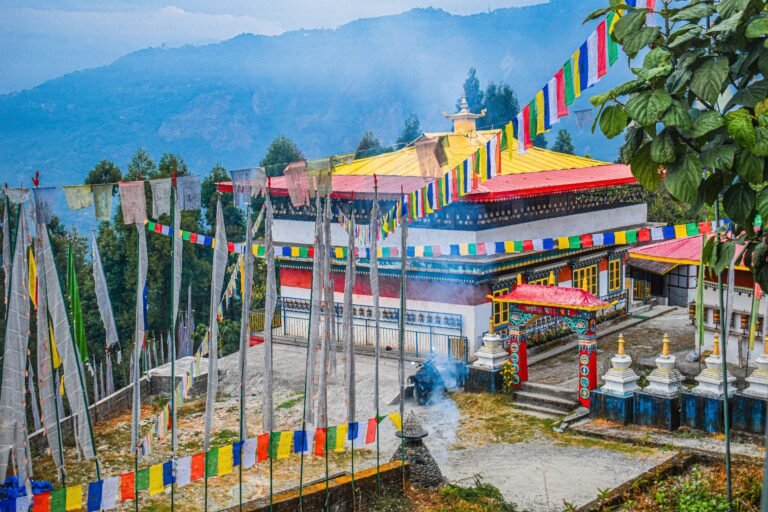
- Rumtek Monastery (near Gangtok): Rich murals, prayer wheels, and a tranquil courtyard.
- Pemayangtse & Tashiding (West): Ancient spiritual centers with photogenic settings.
Tea, Cuisine & Café Culture
- Temi Tea Tastings: Learn plucking and processing, sip fresh first/second flush blends.
- Local Dishes: Momos, thukpa/thenthuk, phagshapa, kinema, chhurpi, nettle soup—ideal comfort food on rainy days.
Nature Walks & Waterfalls
- Choose maintained trails near towns; carry a rain jacket and anti-leech measures in forested zones.
- Visit waterfalls in the morning when flow and visibility are safer.
Wellness & Slow Travel
- Book homestays and eco-lodges, try yoga sessions, herbal teas, and mindful retreats.
- Photography of mist, prayer flags, and monsoon greens is superb after showers.
Adventure (Weather-Permitting)
- Rafting on Teesta/Rangit: Often suspended or only for experts in monsoon; go only with certified operators if permitted.
- Trekking: Avoid high-altitude treks; opt for short guided nature walks.
Festivals & Events in July
Depending on the lunar calendar, Buddhist observances such as Drukpa Tshechi and monastery rituals may fall around July. Expect masked dances, prayers, and community gatherings in select gompas. Dates vary each year—check locally in Gangtok or at tourism offices for current schedules.
Suggested Itineraries for July
5-Day Monsoon-Friendly Sikkim
- Day 1: Arrive Gangtok; MG Marg, Do Drul Chorten.
- Day 2: Hanuman Tok, Enchey Monastery; café hopping and handicraft shopping.
- Day 3: Day trip (weather-permitting) to Tsomgo Lake or local viewpoints.
- Day 4: Transfer to Ravangla; Buddha Park, village walks.
- Day 5: Temi Tea Garden tour; depart via Namchi or back to Gangtok.
7-Day Balanced East–South–West
- Days 1–2: Gangtok culture circuit; institute, monasteries, viewpoints.
- Day 3: Tsomgo Lake attempt or alternate city/nearby nature walk.
- Days 4–5: Ravangla and Namchi; tea estate stay.
- Days 6–7: Pelling and Khecheopalri Lake; Rabdentse Ruins and Pemayangtse.
Weekend Getaway
- Day 1: Arrive Gangtok; MG Marg, Enchey Monastery, sunset viewpoint.
- Day 2: Namgyal Institute, Hanuman Tok; depart.
Where to Stay
Gangtok
- Best for: Easy access, dining, culture, day trips.
- Stay types: Boutique hotels on/near MG Marg; hillside homestays with valley views.
Ravangla & Namchi (South)
- Best for: Tea gardens, wellness stays, relaxed pace.
- Stay types: Eco-lodges, plantation bungalows, heritage-style resorts.
Pelling & Yuksom (West)
- Best for: Monasteries, ruins, lakes, waterfalls.
- Stay types: Mountain lodges, family-run homestays with local meals.
Permits, Transport & Practical Tips
Getting There
- By Air: Bagdogra Airport (IXB) is the most reliable gateway; Pakyong (PYG) has limited operations subject to weather.
- By Rail: New Jalpaiguri (NJP) is the nearest major station; taxis/shared cabs to Gangtok take ~4–5 hours.
Getting Around
- Shared jeeps and private cabs connect major towns; book early in monsoon.
- Start early to avoid afternoon showers and possible roadblocks.
Permits
- Protected Areas: Parts of East and North Sikkim require permits. Indian nationals need permits for routes like Tsomgo/Nathula; foreign nationals require Protected Area Permits for several regions.
- Permits are usually arranged via registered tour operators; carry valid ID and photos.
- Access is weather-dependent; authorities may close routes at short notice.
Monsoon Safety & Health
- Check daily weather and road advisories; keep buffer time in your plan.
- Carry a sturdy rain jacket, quick-dry layers, waterproof footwear, and a compact umbrella.
- Anti-leech precautions for forested walks: high socks, salt or leech repellent.
- Travel insurance recommended; keep essential meds and a basic first-aid kit.
Packing List for July
- Waterproof jacket/poncho, rain cover for backpack, quick-dry clothes.
- Warm layer (fleece/light down), beanie, and shawl for cooler evenings.
- Waterproof shoes, extra socks, microfibre towel.
- Power bank, flashlight, reusable water bottle, snacks.
- Permit copies, ID, and some cash (ATMs can be limited outside towns).
Budget: How Much to Plan For
- Stay: Homestays from budget-friendly to boutique; monsoon deals are common.
- Transport: Shared cabs are economical; private cabs cost more but add flexibility.
- Food: Local meals are affordable; specialty cafés slightly higher in tourist hubs.
- Tours & Permits: Variable depending on weather and access; book with licensed operators.
Responsible Travel in the Monsoon
- Stick to marked trails; avoid riverbanks and landslide-prone areas during heavy rain.
- Carry back all waste; use refillable bottles—Sikkim emphasizes eco-friendly practices.
- Support local businesses: hire certified local guides, stay in homestays, shop handicrafts.
FAQs About Sikkim in July
Is July a good time to visit Sikkim?
Yes—if you enjoy lush landscapes, fewer tourists, and off-season value. Plan flexibly, focus on South/West Sikkim and Gangtok, and be prepared for rain.
Will Nathula Pass and Gurudongmar Lake be open?
Access is heavily weather-dependent and often restricted in July. Check with tour operators a day or two before your visit and have a backup plan.
Can I see Kanchenjunga in July?
Clear views are not guaranteed, but brief windows after showers or early mornings can reveal stunning vistas, especially around Pelling and Gangtok viewpoints.
What should I wear?
Layer up with quick-dry clothing, a warm mid-layer, and reliable rain gear. Waterproof shoes with good grip are essential.
Is river rafting possible?
Monsoon swells make rivers unpredictable. Raft only if authorities allow and with certified operators; many operators pause trips in July for safety.
Are there leeches?
Yes, in forested and damp areas. Wear high socks, use repellent, and carry salt; they are more nuisance than danger.
Conclusion
July paints Sikkim in rich greens, threaded with silver waterfalls and drifting mist. While the monsoon can alter plans, it rewards flexible travelers with serene monasteries, tea-scented hills, and quieter trails. Center your trip on Gangtok, South, and West Sikkim, keep safety and permits in mind, and embrace the rain—Sikkim’s mid-monsoon magic is unforgettable.