Table of Contents
- Introduction
- History and Importance
- Best Time to Visit
- Top Things to Do
- How to Reach
- Accommodation and Estimated Costs
- Nearby Attractions
- Local Experiences: Food, Shopping and Culture
- Travel Tips for Families, Honeymooners and Friends
- FAQs
- Conclusion
Introduction
The Glenburn Tea Estate Experience in Darjeeling is one of the most memorable ways to explore the tea country of the Eastern Himalayas. Set amid rolling tea gardens, misty hills, and panoramic mountain views, Glenburn offers a slower, more immersive side of Darjeeling travel. It is not just about staying in a beautiful estate; it is about walking through tea fields, learning how tea is made, enjoying colonial-era charm, and soaking in the calm rhythm of the hills.
For travelers who want a blend of nature, heritage, and refined comfort, Glenburn is especially appealing. The experience feels personal, peaceful, and deeply connected to Darjeeling’s tea-growing legacy.
History and Importance
Glenburn Tea Estate is part of Darjeeling’s broader tea heritage, which began in the 19th century when tea plantations transformed the region into one of the world’s most famous tea-producing belts. Darjeeling tea became known for its delicate aroma, bright liquor, and distinctive muscatel character.
The estate is important not only for tea production but also for preserving the lifestyle and landscape associated with hill plantations. A visit here gives you a glimpse of estate life, colonial architecture, and the careful craft behind premium tea. It also helps travelers understand why Darjeeling tea remains so valued globally.
Best Time to Visit
Glenburn can be visited throughout the year, but the experience changes with the seasons. The best time depends on what kind of trip you want.
March to May
This is one of the best times for pleasant weather, blooming gardens, and clear views. Tea-plucking activity is lively, and the hills look fresh and green.
October to December
These months are ideal for crisp air, good visibility, and mountain scenery. It is a great season for photography and relaxed outdoor time.
June to September
The monsoon months bring heavy rain, lush scenery, and misty moods. The landscape is beautiful, but travel can be slower and road conditions may be affected.
January to February
Winters are cool and quiet. If you enjoy solitude and chilly weather, this can be a lovely time, though mornings and evenings can be quite cold.
Top Things to Do
Glenburn Tea Estate is best experienced slowly. The charm lies in its details, from tea tastings to nature walks.
Tea Estate Walks
Walk through manicured tea gardens and watch how leaves are plucked, sorted, and processed. Guided walks help you appreciate the work and skill behind every cup of Darjeeling tea.
Tea Tasting Sessions
Sampling different tea varieties is one of the highlights. You can learn how aroma, color, and brewing time change the flavor profile of each tea.
River and Nature Walks
Many estate experiences include walks by forested trails, streams, and quiet viewpoints. These are ideal for travelers who prefer gentle outdoor activities.
Birdwatching and Photography
The estate’s natural setting makes it a good spot for birdwatching and landscape photography. Early mornings are often the best time for soft light and mountain mist.
Relaxing at the Estate
One of the biggest pleasures here is simply slowing down. Reading, enjoying tea on a veranda, and watching the hills shift with the weather are all part of the experience.
Learn About Tea Processing
If available during your stay, visit the tea factory or processing area to understand withering, rolling, oxidation, drying, and sorting. It adds depth to the tea you drink later.
How to Reach
Glenburn Tea Estate is reached most conveniently by road, with the nearest major transit points being in Siliguri and the Darjeeling region.
By Air
The nearest airport is Bagdogra Airport. From there, travelers usually continue by car through Siliguri and the hill roads toward Darjeeling and the estate.
By Train
The nearest major railway station is New Jalpaiguri (NJP). From NJP, road transfer is the most practical option.
By Road
Road travel is the final and most scenic leg of the journey. A private car or pre-arranged transfer is usually the easiest way to reach the estate, especially if you are carrying luggage or traveling in the rainy season.
Local Transfer Notes
Because Glenburn is an estate-style property, transfers are often arranged in advance. This is especially useful for first-time visitors unfamiliar with hill roads.
Accommodation and Estimated Costs
Accommodation at Glenburn-style heritage tea estate stays is typically more exclusive than standard hotels in Darjeeling. Prices vary by season, room category, and meal plan.
Where to Stay
- Tea estate bungalows: Best for a heritage and immersive experience.
- Boutique resorts: Suitable for travelers seeking comfort with mountain views.
- Homestays and guesthouses nearby: A more budget-friendly option if staying outside the estate.
Estimated Cost Range
- Luxury estate stay: Approximately INR 15,000 to INR 35,000+ per night, often with meals included.
- Boutique stay nearby: Around INR 5,000 to INR 12,000 per night.
- Budget guesthouse/homestay: Around INR 1,500 to INR 4,000 per night.
Information on exact rates may vary by package and season. It is best to confirm inclusions such as meals, transfers, tea tours, and guided activities before booking.
Nearby Attractions
While Glenburn itself is a destination, it can also be paired with other Darjeeling highlights for a fuller trip.
Darjeeling Town
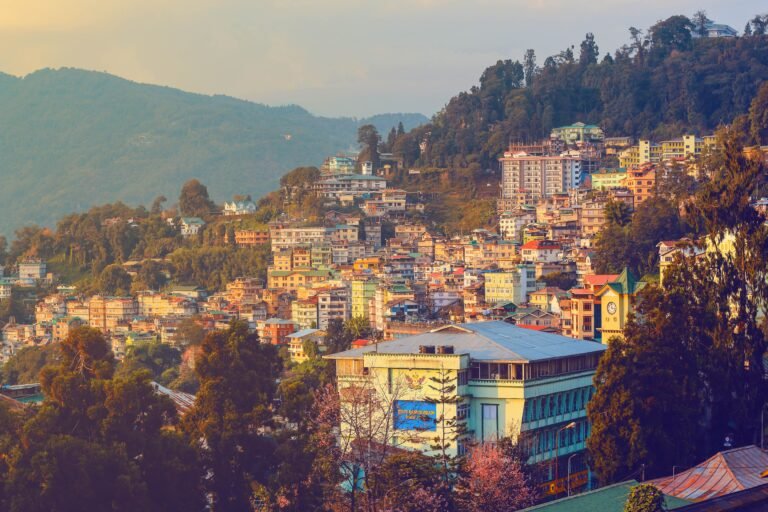
Darjeeling offers colonial-era charm, local markets, monasteries, cafés, and viewpoints. It is the natural cultural extension of a Glenburn stay.
Tiger Hill
Famous for sunrise views over Kanchenjunga, Tiger Hill is one of the most iconic attractions in the area.
Batasia Loop
This scenic railway loop and garden area are popular for mountain views and the toy train experience.
Ghoom Monastery
One of the region’s well-known monasteries, it adds a spiritual and cultural layer to the trip.
Peaceful Tea Gardens Around Darjeeling
Several other tea estates in the region offer beautiful walks, photo opportunities, and a closer look at plantation life.
Local Experiences: Food, Shopping and Culture
Food
Meals in and around Darjeeling often reflect a mix of Nepali, Tibetan, Bengali, and Anglo-Indian influences. Popular local items include momos, thukpa, steamed vegetables, eggs, local chicken dishes, and fresh tea served in multiple styles.
In estate settings, food is often thoughtfully prepared and paired with the ambiance of the hills. Afternoon tea is one of the most enjoyable rituals here.
Shopping
Tea is the most natural souvenir from Glenburn and Darjeeling. Look for well-packed loose-leaf tea, artisanal blends, and locally made tea accessories. In Darjeeling markets, you may also find woolens, handicrafts, and small gifts made by local artisans.
Culture
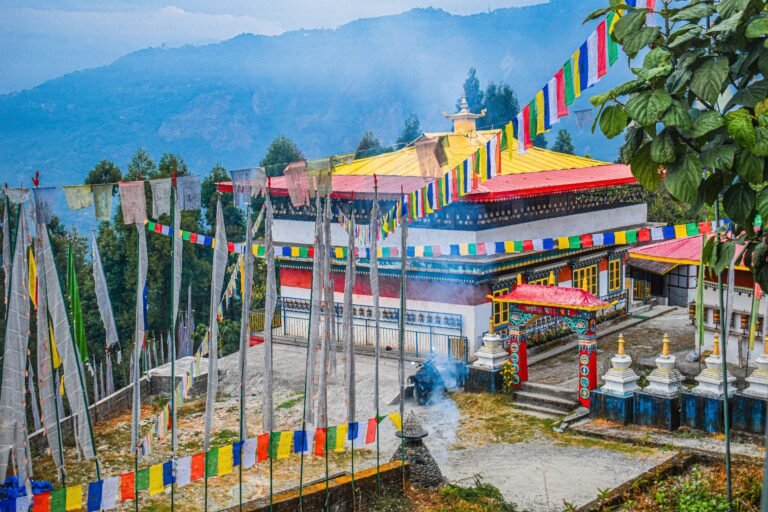
The region’s culture is shaped by hill communities, tea estate traditions, and a strong sense of hospitality. You may notice a slower pace of life, warm service, and a deep respect for nature and seasonal rhythms. Festivals, prayer flags, monastery visits, and regional food all add texture to the experience.
Travel Tips for Families, Honeymooners and Friends
For Families
- Choose a stay with easy access, safe paths, and family-friendly meals.
- Carry light jackets, sturdy shoes, and basic medicines for altitude or motion sensitivity.
- Keep the itinerary relaxed so children can enjoy the gardens without feeling rushed.
For Honeymooners
- Pick a room with a valley or tea garden view for a more memorable stay.
- Plan for quiet mornings, tea tastings, and slow walks instead of a packed schedule.
- Bring warm layers for cool evenings and early mornings.
For Friends
- Combine the estate stay with sightseeing in Darjeeling town for a balanced trip.
- Carry weather-appropriate clothing, especially if visiting during monsoon or winter.
- Book transport in advance if traveling together, since hill-road logistics are easier with planning.
General Packing and Safety Tips
- Pack comfortable walking shoes for tea garden trails.
- Carry rain protection during monsoon months.
- Keep cash as well as digital payment options, since connectivity can be uneven in hill areas.
- Respect plantation rules and avoid stepping into restricted tea-plucking areas without permission.
FAQs
Q: What is special about the Glenburn Tea Estate Experience in Darjeeling?
A: It combines tea heritage, scenic mountain views, guided plantation walks, tea tasting, and a quiet boutique-style stay in the Darjeeling hills.
Q: How many days are enough for Glenburn Tea Estate?
A: A 2 to 3 day stay is usually enough to enjoy the estate, nearby nature walks, and a relaxed Darjeeling add-on itinerary.
Q: Is Glenburn suitable for families with children?
A: Yes, especially for families who enjoy calm surroundings, gentle walks, and a slow-paced holiday. It is best to keep activities light and weather-aware.
Q: What is the best season for visiting Glenburn Tea Estate?
A: March to May and October to December are generally the most comfortable months for clear views and pleasant weather.
Q: Can I buy tea directly from the estate?
A: In many tea estate experiences, tea is available for purchase, though availability depends on the property’s retail setup and stock at the time of visit.
Conclusion
The Glenburn Tea Estate Experience in Darjeeling is a graceful blend of scenery, tea culture, and heritage hospitality. It offers something rare: time to slow down and truly notice the hills, the tea gardens, and the traditions that shape this part of Darjeeling. With its calm atmosphere, scenic setting, and immersive tea experiences, Glenburn stands out as a memorable stop for travelers seeking both comfort and character.