Table of Contents
- Common Mistakes to Avoid on a Darjeeling Trip
- Must-Visit Places in Darjeeling
- Local Culture, Food, and Shopping
- Nearby Getaways
- How to Reach Darjeeling
- Accommodation Options and Estimated Costs
- Travel Tips for Families, Honeymooners, and Friends
- FAQs
- Conclusion
Darjeeling has a way of making travelers slow down. The first sip of local tea, the sight of mist rolling over the hills, and an early morning view of Kanchenjunga can turn a short holiday into a lasting memory. But Darjeeling also rewards smart planning. Weather changes quickly, roads can be steep and winding, and popular attractions often need an early start.
If you are planning a Darjeeling trip, knowing what not to do matters just as much as knowing where to go. A little preparation helps you avoid common travel mistakes, save time, and enjoy the hill station at an easier pace. This guide combines practical advice with the essentials every traveler should know.
Common Mistakes to Avoid on a Darjeeling Trip
1. Underestimating Darjeeling’s weather
Darjeeling can feel chilly even when the plains are warm. Many visitors pack only light clothing and end up buying expensive winter wear on arrival.
- Carry layered clothing, a warm jacket, gloves, and a cap.
- Pack a raincoat or umbrella, especially during monsoon and shoulder seasons.
- Keep sunscreen and sunglasses handy, because the mountain sun can be strong.
2. Not planning transport in advance
Road travel to Darjeeling is scenic but slow. Last-minute planning often leads to long waits, crowded shared jeeps, or higher cab fares.
- Book airport or station transfers ahead of time if you are arriving late.
- Allow extra time for road delays, landslides, or traffic bottlenecks.
- If you want to use the toy train, check schedules well before your trip.
3. Trying to cover too much in too little time
Darjeeling is best enjoyed at a relaxed pace. Overloading your itinerary can leave you tired, rushed, and stuck in transit instead of soaking in the views.
- Focus on a few meaningful experiences rather than a packed checklist.
- Leave room for tea breaks, photo stops, and weather delays.
- Plan at least one slow morning for sunrise or a walk through tea gardens.
4. Missing the early-morning sunrise plan
Many travelers sleep in and miss Tiger Hill, where the first light often creates the most memorable view of the trip. Cloud cover can also change quickly.
- Start early and keep your camera ready.
- Check weather conditions the night before.
- Have a backup plan in case the mountains stay hidden behind mist.
5. Not budgeting for small but frequent expenses
Travelers often budget only for hotel and transport, then forget the many small costs that add up quickly.
- Entry fees, snacks, hot tea, tips, and local rides can increase daily spending.
- Carry some cash, as card or UPI connectivity may not always be reliable everywhere.
- Keep a buffer for weather-related changes or cab hire.
6. Booking a hotel without checking location carefully
A room with a great view can still be inconvenient if it is too far from the main town area or difficult to access on foot.
- Choose accommodation near Chowrasta, Mall Road, or another well-connected area if you want easy movement.
- Check whether the property has parking, heating, and stable hot water.
- Read reviews for slope access, noise, and road condition.
7. Sticking only to familiar food
Darjeeling’s food is part of the experience. Skipping local dishes means missing one of the trip’s easiest pleasures.
- Try momos, thukpa, churpee, aloo dum, and local tea.
- Be open to small cafes and family-run eateries.
- Ask locals for their favorite stalls rather than only following tourist menus.
8. Choosing the wrong season without understanding the trade-offs
The best time to visit Darjeeling is generally spring to early summer and autumn to early winter, when the weather is clearer and the views are more reliable. Monsoon can be beautiful but unpredictable.
- March to May: pleasant weather, flowers, and good visibility.
- October to December: crisp air and excellent mountain views.
- June to September: lush landscapes, but landslides and road delays are more likely.
9. Ignoring local etiquette and pace
Darjeeling has a calm hill-town rhythm. Loud behavior, littering, or rushing through sacred and cultural spaces can make the visit less enjoyable for everyone.
- Respect monasteries, local customs, and quiet zones.
- Dispose of waste properly and avoid single-use plastic where possible.
- Be patient with slower service and mountain-time delays.
Must-Visit Places in Darjeeling
These are the places that define a classic Darjeeling itinerary and help you experience the hill station beyond the hotel window.
- Tiger Hill: Famous for sunrise views over Kanchenjunga and, on clear days, a distant glimpse of Everest.
- Batasia Loop: A scenic spiral railway loop with garden views and a moving memorial space.
- Darjeeling Himalayan Railway: The heritage toy train is one of the town’s biggest attractions.
- Happy Valley Tea Estate: A must for tea lovers who want to see how Darjeeling tea is grown and processed.
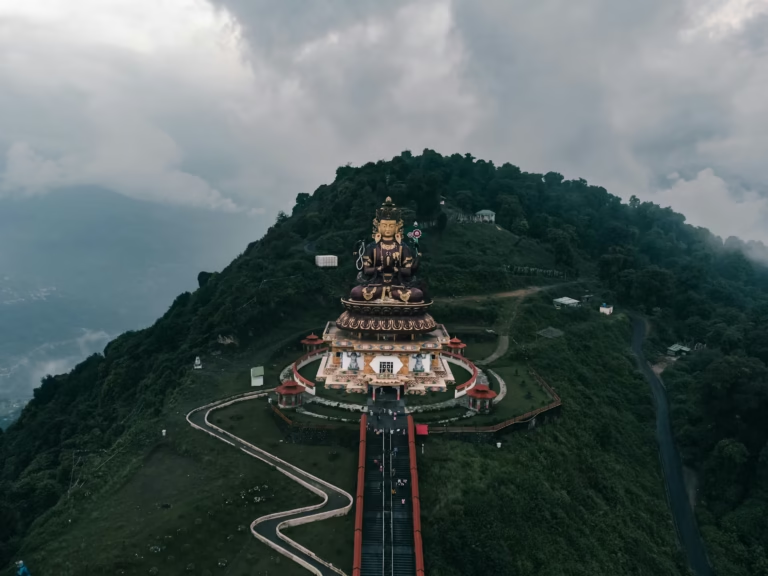
- Japanese Peace Pagoda: A quiet, beautiful spot for reflection and panoramic views.
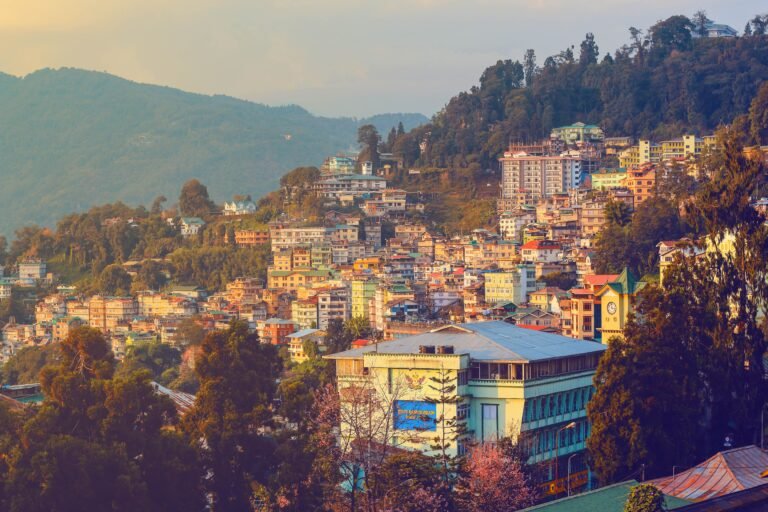
- Chowrasta and Mall Road: The social heart of Darjeeling, ideal for relaxed walks, shopping, and café stops.
- Padmaja Naidu Himalayan Zoological Park: Known for high-altitude conservation and rare Himalayan species.
- Himalayan Mountaineering Institute: Great for anyone interested in mountaineering history and the region’s adventure culture.
Local Culture, Food, and Shopping
Darjeeling’s charm lies in its blend of Nepali, Tibetan, Bengali, and mountain cultures. You will notice it in the language, the food, the prayer flags, the tea shops, and the relaxed way people move through the day.
Local culture
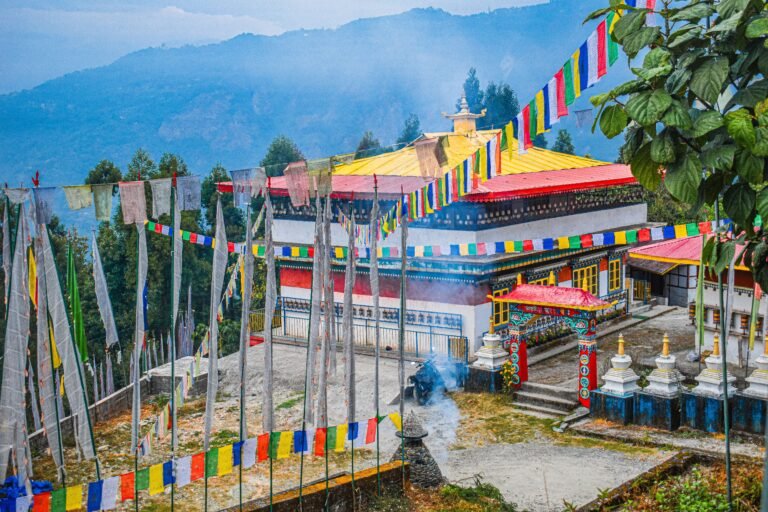
- Monasteries and prayer wheels reflect the region’s spiritual side.
- Tea culture is central to daily life and local identity.
- Festivals, folk music, and community gatherings add color to the town throughout the year.
What to eat
- Momos: Steamed or fried dumplings, often served with a spicy chutney.
- Thukpa: A comforting noodle soup, especially welcome in cool weather.
- Sha phaley: A crispy, stuffed snack with Tibetan influence.
- Darjeeling tea: Fresh, fragrant, and best bought from trusted shops or tea estates.
- Local bakery items: Fresh bread, cakes, and snacks are popular in town cafes.
What to shop for
- Packaged Darjeeling tea
- Woollens and winter accessories
- Handmade souvenirs and prayer flags
- Local handicrafts and small tea-themed gifts
When shopping, compare prices politely and buy from reliable sellers, especially for tea. If possible, choose products that clearly mention origin and grade.
Nearby Getaways
If you have extra time, Darjeeling makes a great base for short side trips. These nearby places offer a quieter pace, more scenery, or a different angle on the Eastern Himalayas.
- Kurseong: A calm hill town known for viewpoints, tea gardens, and a slower pace.
- Mirik: Loved for Sumendu Lake, boating, and a family-friendly atmosphere.
- Kalimpong: Popular for monasteries, flower nurseries, and soft mountain views.
- Lamahatta: A peaceful, nature-focused stop with landscaped trails and forest feel.
- Takdah: Ideal for travelers who want quiet colonial-era charm and tea estate surroundings.
How to Reach Darjeeling
Darjeeling is reached most commonly through Bagdogra or New Jalpaiguri, followed by a road journey into the hills.
By air
- Nearest airport: Bagdogra Airport
- From Bagdogra: Hire a private cab or take a shared vehicle toward Darjeeling via Siliguri
By train
- Nearest major railhead: New Jalpaiguri (NJP)
- From NJP: Continue by road, or check availability for the heritage toy train route
By road
- Regular taxis and shared jeeps run from Siliguri, NJP, and Bagdogra.
- The drive is scenic but winding, so motion-sickness medicine can help sensitive travelers.
- Start early in the day to reduce the chance of traffic delays and fog.
Accommodation Options and Estimated Costs
Darjeeling offers stays for every budget, but hill-station pricing changes with season, location, and view. Booking early is especially important during holidays and peak season.
Where to stay
- Budget stays: Simple guesthouses and homestays near the town center
- Mid-range hotels: Comfortable rooms with better views, heating, and service
- Premium stays: Heritage-style hotels and scenic properties with larger rooms and added amenities
Estimated costs
- Budget room: INR 1,200–2,500 per night
- Mid-range hotel: INR 3,000–7,000 per night
- Premium stay: INR 8,000 and above per night
- Daily food and local travel: INR 800–2,500 per person depending on style of travel
- Approximate total daily budget: INR 1,800–3,000 for budget travelers; INR 4,000–8,000 for mid-range travelers
Prices rise during clear-view seasons, long weekends, and festive periods. A central location may cost more, but it often saves time and taxi expenses.
Travel Tips for Families, Honeymooners, and Friends
For families
- Choose a centrally located hotel to reduce walking on steep roads.
- Carry snacks, water, and light medicines for children and older travelers.
- Keep the itinerary flexible and avoid very early or very late road transfers.
- Plan easy attractions first, then add one scenic outing per day.
For honeymooners
- Pick a room with a valley or mountain view for a more memorable stay.
- Schedule one slow sunrise morning and one quiet tea garden visit.
- Reserve enough downtime for café visits, scenic walks, and photography.
- Bring warm layers so evening outings stay comfortable.
For friends
- Split transport costs by booking shared cabs or group-friendly stays.
- Mix sightseeing with food stops and local shopping.
- Keep one day lighter for unplanned café hopping or nearby side trips.
- Watch the weather before heading to remote viewpoints or trails.
Packing, safety, and comfort tips for everyone
- Pack warm layers, a rain layer, and comfortable walking shoes.
- Carry cash, a power bank, and basic medicines.
- Walk carefully on steep roads and slippery paths, especially after rain.
- Do not assume every viewpoint will be visible; clouds can change plans quickly.
- Book popular experiences early and keep one buffer day if your itinerary is tight.
FAQs
Q: What is the best time to visit Darjeeling?
A: The best time is usually March to May and October to December. These months often offer clearer views, pleasant weather, and better sightseeing conditions. Monsoon months can be lush but less predictable.
Q: How many days are enough for a Darjeeling trip?
A: A 2 to 4 day trip is ideal for most travelers. Two days cover the essentials, while four days allow a slower pace, tea estate visits, and nearby excursions.
Q: Is the toy train in Darjeeling worth it?
A: Yes, especially if you enjoy heritage travel and scenic rides. It is less about speed and more about the experience, views, and old-world charm.
Q: What are the most common mistakes first-time visitors make?
A: The most common mistakes are underpacking for cold weather, not starting early for sunrise spots, overloading the itinerary, and not planning for road delays or seasonal weather changes.
Q: Do I need a special permit to visit Darjeeling?
A: For Darjeeling town itself, Indian travelers usually do not need a special permit. However, some nearby border or restricted areas in the wider region may have separate entry rules, so it is wise to check in advance if you plan side trips.
Conclusion
A Darjeeling trip is most rewarding when you travel with realistic expectations and a flexible plan. Avoiding weather mistakes, booking transport and stays early, and giving yourself time for sunrise views, tea culture, and local food can make the journey smoother and richer. With the right pace, Darjeeling feels less like a checklist and more like a hill-town experience you can truly remember.