Table of Contents
- Introduction
- Why Darjeeling Tea Is Famous Worldwide
- Best Time to Visit Darjeeling Tea Gardens
- Top Things to Do
- Nearby Attractions
- How to Reach Darjeeling
- Accommodation Options and Estimated Costs
- Local Food, Shopping, and Culture
- Travel Tips for Families, Honeymooners, and Friends
- FAQs
- Conclusion
Introduction
Darjeeling tea is more than just a beverage; it is a global symbol of elegance, craftsmanship, and mountain terroir. Grown on misty Himalayan slopes, this tea has a delicate aroma, a bright cup, and a signature muscatel flavor that tea lovers recognize instantly. For many travelers, Darjeeling is not only about scenic views and toy trains, but also about walking through emerald tea gardens, watching leaves being hand-plucked, and tasting one of the world’s most celebrated teas at its source.
If you are planning a trip to Darjeeling, understanding why its tea is so famous adds depth to the journey. The region’s altitude, cool climate, old tea estates, and careful processing together create a tea that stands apart from ordinary black tea. This guide explains its global fame, the best time to visit, what to do, how to reach, where to stay, and practical tips for a smooth mountain trip.
Why Darjeeling Tea Is Famous Worldwide
A short history of Darjeeling tea
Tea cultivation in Darjeeling began during the British era, when the cool Himalayan climate was found ideal for growing high-quality tea. Over time, estates across the hills developed a reputation for producing small batches of exceptional tea, often harvested by hand and sold to discerning buyers around the world.
What makes Darjeeling tea unique
Darjeeling tea is famous because of its distinctive growing conditions and careful production. The combination of altitude, mist, soil, and slow leaf growth gives the tea a refined flavor profile that is unlike strong commercial teas.
- High altitude: Tea grown in cooler, elevated terrain develops complex aroma and taste.
- Muscatel flavor: The tea often has a fruity, grape-like note prized by connoisseurs.
- Hand-plucked leaves: Many estates still follow labor-intensive harvesting methods.
- Seasonal character: First flush, second flush, monsoon, and autumn teas each taste different.
- Limited production: Darjeeling tea is produced in relatively small quantities, which increases its prestige.
Global recognition and premium reputation
Darjeeling tea enjoys international fame because it is associated with quality, authenticity, and origin. It has a protected geographical identity, which helps safeguard its reputation and ensures that tea sold under the name comes from the Darjeeling region. Around the world, it is valued in luxury tea shops, fine-dining settings, and specialty tea collections.
Best Time to Visit Darjeeling Tea Gardens
The best time to visit depends on what you want to experience. Darjeeling is beautiful year-round, but tea gardens and mountain weather change with the seasons.
- March to May: Ideal for spring visits, blooming gardens, and first flush tea harvesting.
- October to November: Clear skies, crisp views, and pleasant weather for sightseeing.
- December to February: Cold and quiet, with fewer crowds and a charming winter mood.
- June to September: Monsoon season brings lush greenery, but also heavy rain and landslide risks.
For tea lovers, March to May and October to November are the most rewarding months. You are more likely to enjoy estate walks, factory visits, and long mountain views without weather-related disruptions.
Top Things to Do
1. Visit a tea estate and factory
A tea estate visit is the most immersive experience in Darjeeling. You can walk through the plantations, watch workers pluck leaves, and see how tea is withered, rolled, oxidized, dried, and packed.
2. Join a tea tasting session
Tea tasting reveals the difference between first flush, second flush, and autumn flush teas. It is a simple but memorable way to understand why Darjeeling tea has such a strong global identity.
3. Take the Darjeeling Himalayan Railway
The toy train adds a nostalgic layer to the trip. The slow ride through hills, curves, and stations is one of the classic experiences in the region.
4. Enjoy sunrise and mountain views
Even if the tea is the main reason for your visit, sunrise views at Tiger Hill make the destination unforgettable. The cool air and glowing peaks complement the calm tea-country atmosphere.
5. Explore tea boutiques and heritage stores
Many shops in Darjeeling sell loose-leaf teas, first flush packs, and gift boxes. Buying from reputed outlets helps you take home authentic tea with traceable origin.
Nearby Attractions
Darjeeling tea experiences become even richer when paired with nearby sightseeing. These attractions are easy additions to a tea-focused itinerary.
- Happy Valley Tea Estate: One of the most popular estates for tours and tastings.
- Tiger Hill: Famous for sunrise views over Kanchenjunga.
- Batasia Loop: A scenic railway loop with gardens and panoramic viewpoints.
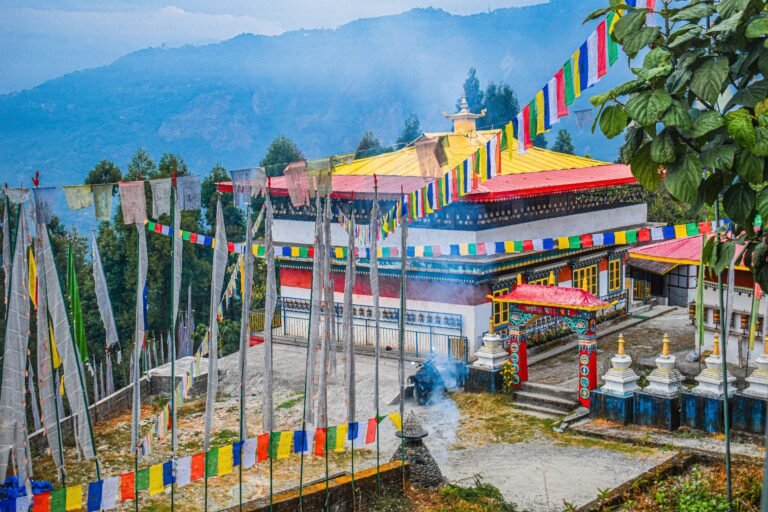
- Ghoom Monastery: A peaceful stop with cultural and spiritual value.
- Himalayan Mountaineering Institute: A good stop for travelers interested in local adventure history.
- Rock Garden and Ganga Maya Park: Suitable for relaxed family outings.
- Mirik: A pleasant nearby getaway known for its lake and slower pace.
These places are close enough to combine with tea estate visits, making Darjeeling a well-rounded hill destination rather than just a tasting stop.
How to Reach Darjeeling
By air
The nearest airport is Bagdogra Airport. From there, travelers usually take a taxi or shared vehicle to Darjeeling. The road journey takes several hours, depending on traffic and weather.
By train
The nearest major railhead is New Jalpaiguri (NJP). From NJP, you can continue by road or choose the toy train for a slower and more scenic trip.
By road
Darjeeling is well connected by mountain roads from Siliguri, NJP, and Bagdogra. Private taxis and shared jeeps are common options. Road travel can be slow, so it is wise to plan buffer time, especially during monsoon or peak holiday periods.
Typical travel time
- Bagdogra to Darjeeling: About 3.5 to 5 hours
- NJP to Darjeeling: About 3.5 to 5 hours
- Siliguri to Darjeeling: About 3 to 4.5 hours
Accommodation Options and Estimated Costs
Darjeeling offers stays for every budget, from simple guesthouses to elegant heritage hotels and tea estate retreats. Choosing a place with a mountain view often enhances the overall experience.
Where to stay
- Budget stays: Homestays, small lodges, and guesthouses near the town center.
- Mid-range hotels: Comfortable rooms, often with valley views and included breakfast.
- Luxury and heritage hotels: Premium properties with better location, service, and scenic balconies.
- Tea estate stays: Ideal for travelers who want a deeper, quieter tea garden experience.
Estimated costs
- Budget rooms: INR 1,200 to INR 3,000 per night
- Mid-range hotels: INR 3,000 to INR 7,000 per night
- Luxury stays: INR 7,000 to INR 20,000+ per night
- Tea tasting: Often INR 300 to INR 1,000 per person, depending on the estate or experience
- Local taxi half-day trips: Roughly INR 1,500 to INR 4,000 depending on route and vehicle type
For most travelers, a comfortable mid-range stay offers the best balance of convenience, views, and value.
Local Food, Shopping, and Culture
What to eat in Darjeeling
Local food adds a warm, comforting contrast to the crisp tea climate. Darjeeling’s food scene reflects Nepali, Tibetan, and Himalayan influences.
- Momos: Steamed dumplings served with chutney or soup.
- Thukpa: A hearty noodle soup, especially welcome in cold weather.
- Churpi: A local cheese snack, often enjoyed by travelers.
- Sel roti: A traditional rice doughnut-like snack.
- Local tea and bakery items: Best enjoyed with hill views and cool weather.
What to buy
Shopping in Darjeeling is often centered around tea, but there are other interesting purchases as well.
- Loose-leaf Darjeeling tea from trusted sellers
- Handmade woolens and shawls
- Local handicrafts and souvenirs
- Packaged tea gift boxes for travel or gifting
Local culture
Darjeeling’s culture is shaped by a mix of mountain communities, tea-garden life, Buddhist traditions, and colonial heritage. You will notice this in the food, architecture, festivals, and the relaxed pace of daily life. Respectful behavior in monasteries and tea estates is important, especially when interacting with workers and local residents.
Travel Tips for Families, Honeymooners, and Friends
For families
- Choose centrally located hotels to reduce travel time on winding roads.
- Keep light jackets, medicines, and snacks handy for children.
- Plan shorter day trips rather than packing too many activities into one day.
- Be cautious during monsoon because roads may become slippery or delayed.
For honeymooners
- Pick a stay with a balcony or valley view for a more romantic atmosphere.
- Book tea estate visits and sunrise outings in advance.
- Carry warm layers, especially in the evenings.
- Opt for quieter tea garden stays if you prefer privacy over a busy town center.
For friends and small groups
- Hire a taxi for a flexible sightseeing circuit.
- Plan tea tasting, café stops, and short walks together.
- Share transport and accommodation to reduce costs.
- Carry cash, as small shops and remote spots may have limited card acceptance.
Packing and safety tips
- Pack warm clothing even in spring and autumn.
- Carry comfortable walking shoes for estate paths and slopes.
- Keep rain gear during monsoon months.
- Book stays and transport early during peak season.
- Choose licensed taxis and reputable tea sellers for better reliability.
FAQs
Q: Why is Darjeeling tea so expensive compared to regular tea?
A: Darjeeling tea is expensive because it is produced in limited quantities, grown in a unique high-altitude climate, and often hand-plucked and carefully processed. Its reputation and global demand also add to the premium price.
Q: What is special about the flavor of Darjeeling tea?
A: Darjeeling tea is known for its delicate aroma, floral notes, bright liquor, and the famous muscatel flavor, especially in the second flush. It is lighter and more nuanced than many strong black teas.
Q: Can tourists visit tea gardens in Darjeeling?
A: Yes, many tea estates welcome visitors for guided walks, factory visits, and tastings. Some estates also have shops where you can buy authentic tea directly.
Q: What is the best season to buy fresh Darjeeling tea?
A: The spring first flush and summer second flush are the most sought-after seasons. Many tea lovers prefer buying tea during or soon after these harvest periods for the freshest character.
Q: Is Darjeeling suitable for a family trip?
A: Yes, Darjeeling works well for families if the itinerary is paced sensibly. Tea estate visits, toy train rides, viewpoints, and local food stops make it enjoyable for different age groups.
Conclusion
Darjeeling tea is famous worldwide because it combines an exceptional growing environment, careful hand-plucking, seasonal variety, and a refined flavor that tea lovers remember long after the cup is empty. A trip to Darjeeling adds another layer to that story: misty tea gardens, heritage rail journeys, mountain viewpoints, and a warm local culture shaped by the hills. Whether you are visiting for tasting, sightseeing, or a relaxed getaway, Darjeeling offers a memorable experience rooted in both nature and tradition.