Table of Contents
- Introduction
- History and Importance
- Best Time to Visit
- Best Monasteries to Visit
- Top Things to Do
- How to Reach
- Accommodation Options
- Estimated Costs
- Food, Shopping, and Culture
- Nearby Attractions
- Travel Tips for Different Travelers
- FAQs
- Conclusion
Introduction
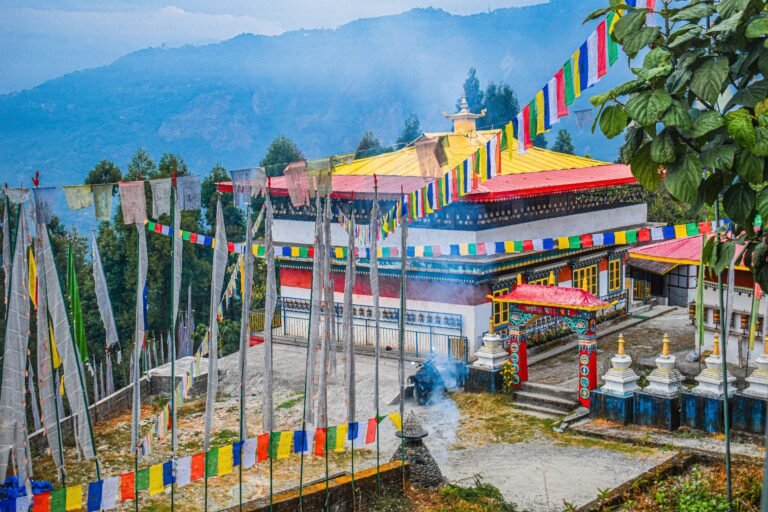
Darjeeling is often remembered for tea gardens and mountain views, but its monasteries are just as memorable. Quiet, incense-scented, and filled with prayer flags fluttering in the Himalayan wind, these spiritual spaces offer a calmer side of the hill station. If you are planning a Darjeeling monastery tour, you will find a beautiful mix of history, Tibetan Buddhist culture, architecture, and peaceful viewpoints.
The monasteries in and around Darjeeling are not only places of worship; they are living cultural centers. Some are centuries old, while others reflect newer Buddhist traditions brought by Tibetan and Himalayan communities. Together, they create one of the most enriching travel experiences in North Bengal.
History and Importance
Darjeeling’s monastic heritage is closely linked to the region’s Tibetan, Lepcha, Bhutia, and Nepalese communities. Many monasteries were established as centers for prayer, education, meditation, and the preservation of Buddhist art and manuscripts.
One of the most famous examples is Ghoom Monastery, also known as Yiga Choeling Monastery, built in the 19th century. It is home to a revered statue of Maitreya Buddha and remains an important pilgrimage site. Bhutia Busty Monastery, meanwhile, reflects the deep cultural roots of the Bhutia people in the hills.
These monasteries matter because they preserve the spiritual rhythm of the Himalayas. Visitors often come for the views, but they leave remembering the chants, the butter lamps, and the sense of stillness that lingers long after the visit.
Best Time to Visit
Darjeeling can be visited year-round, but the monastery experience changes with the seasons.
- March to May: Pleasant weather, clear mornings, and blooming landscapes make this one of the best periods.
- October to December: Crisp mountain air and excellent visibility are ideal for photography and sightseeing.
- June to September: Monsoon brings mist and rain, which can make travel slower, but the surroundings look beautifully green.
- January to February: Cold weather and occasional fog create a quiet, reflective atmosphere, though mornings can be icy.
If your focus is monastery visits, early morning is the best time of day. You are more likely to hear prayers, see monks in their routines, and enjoy a peaceful setting before tourist traffic increases.
Best Monasteries to Visit in and Around Darjeeling
1. Ghoom Monastery (Yiga Choeling Monastery)
Located in Ghoom, around 8 kilometers from Darjeeling town, this is one of the most iconic monasteries in the area. The monastery is known for its large 15-foot statue of Maitreya Buddha and its classic Tibetan-style architecture.
Why visit:
- Historic importance and strong spiritual atmosphere
- Beautiful Buddhist artwork and prayer wheels
- Easy to combine with the Darjeeling Himalayan Railway route
2. Bhutia Busty Monastery
Set near Chowrasta, Bhutia Busty Monastery is a peaceful stop right within the town. It is one of the most accessible monasteries for travelers staying in central Darjeeling.
Why visit:
- Convenient location
- Lovely views of the hills and valley
- Important cultural link to the Bhutia community
3. Dali Monastery
Dali Monastery, also known as Druk Sangag Choling Monastery, is one of the largest in the Darjeeling region. It is an active center for Buddhist learning and houses monks from across the Himalayan belt.
Why visit:
- Large complex with a strong monastic presence
- Quiet surroundings away from the busiest parts of town
- Great place to understand daily monastic life
4. Japanese Peace Pagoda and Nipponzan Myohoji Temple
Although not a monastery in the traditional sense, the Japanese Peace Pagoda is one of the most serene Buddhist sites in Darjeeling. Built to promote peace and harmony, it is often included in monastery visits because of its spiritual significance.
Why visit:
- Panoramic views and a calm atmosphere
- Symbol of peace and Buddhist unity
- Excellent spot for sunset or a quiet walk
5. Samten Choling Monastery and Nearby Hill Monasteries
In the wider Darjeeling area, smaller monasteries and prayer centers can be found in villages and hillside settlements. These are often less crowded and offer a more intimate experience of local Buddhist life.
Why visit:
- Less touristy and more immersive
- Ideal for travelers seeking silence and reflection
- Good addition to a village or tea-estate itinerary
Top Things to Do
- Attend morning prayers: Listen to chanting and watch monks perform their daily rituals.
- Spin prayer wheels: A simple and meaningful way to participate respectfully.
- Explore Buddhist art: Look for murals, statues, thangkas, and ceremonial objects.
- Photograph the architecture: Monastery roofs, butter lamps, and prayer flags make excellent subjects.
- Walk around the compound: Many monasteries have scenic courtyards and mountain views.
- Combine visits with viewpoints: Several monasteries are close to iconic Darjeeling lookout points.
How to Reach
Darjeeling is well connected by air, rail, and road, and monasteries are usually reached by local taxi or on foot depending on location.
By Air
The nearest airport is Bagdogra Airport, about 70 to 75 kilometers away. From there, you can hire a taxi or take a shared vehicle to Darjeeling.
By Train
The nearest major railhead is New Jalpaiguri (NJP). From NJP, road travel to Darjeeling usually takes around 3.5 to 5 hours depending on traffic and weather.
By Road
Darjeeling is connected by mountain roads from Siliguri, Kurseong, and nearby towns. Shared jeeps, private taxis, and tour cabs are widely available.
Local Transport
For monastery-hopping inside Darjeeling, local taxis are the easiest option. Some places like Bhutia Busty Monastery can also be reached with short walks if you are staying nearby.
Accommodation Options
Darjeeling offers a wide range of stays to suit different travel styles.
- Budget hotels and guesthouses: Ideal for short stays and simple monastery visits.
- Homestays: Good for travelers who want local hospitality and home-style meals.
- Boutique hotels: Best for couples and travelers looking for views and comfort.
- Premium heritage stays: Suitable for those who want an atmospheric hill-station experience.
For monastery-focused trips, staying near Darjeeling town or Ghoom is practical because it reduces travel time between sites.
Estimated Costs
Travel costs in Darjeeling can vary by season, but a monastery trip is generally affordable.
- Local taxi for monastery circuit: INR 1,500 to INR 3,500 depending on distance and stops
- Budget accommodation: INR 1,000 to INR 2,500 per night
- Mid-range stay: INR 3,000 to INR 6,000 per night
- Meals: INR 200 to INR 600 per person per day
- Entry fees: Many monasteries are free or ask for a modest donation
A comfortable 2-day monastery and sightseeing trip can often be managed within a modest budget if transport is planned well.
Food, Shopping, and Culture
Food to Try
Darjeeling’s food scene is a mix of Tibetan, Nepali, and hill-station comfort food. After visiting monasteries, try:
- Momos
- Thukpa
- Gyathuk
- Phagshapa
- Sel roti
- Butter tea, if you want a traditional taste
Shopping
Popular shopping items around monastery areas and local markets include:
- Handmade prayer flags
- Thangka paintings
- Woolen clothes and shawls
- Tea from local estates
- Small Buddhist souvenirs and handicrafts
Cultural Etiquette
- Dress modestly when entering monasteries.
- Speak softly and avoid disturbing prayer sessions.
- Ask before photographing monks or rituals.
- Walk clockwise around sacred structures if indicated.
- Do not touch religious objects unless permitted.
Nearby Attractions
Most monastery visits in Darjeeling can be combined with other scenic and cultural stops.
- Tiger Hill: Famous for sunrise views over Kanchenjunga.
- Batasia Loop: A scenic railway loop with memorial gardens.
- Darjeeling Himalayan Railway: A UNESCO-listed toy train experience.
- Chowrasta Mall Road: The social heart of Darjeeling town.
- Happy Valley Tea Estate: A great stop for tea lovers.
- Japanese Peace Pagoda viewpoint: Peaceful and scenic, especially in late afternoon.
Travel Tips for Different Travelers
For Families
- Choose monasteries with easy access, such as Bhutia Busty and Ghoom.
- Plan shorter visits to avoid tiring children or older travelers.
- Carry water, light snacks, and warm layers.
- Keep the itinerary flexible because mountain weather can change quickly.
For Honeymooners
- Visit the Japanese Peace Pagoda or hilltop monasteries for quiet sunset moments.
- Choose a hotel with valley views for a more romantic stay.
- Combine monastery visits with tea garden walks and scenic dinners.
- Travel early in the day for calmer roads and better photography light.
For Friends
- Build a mixed itinerary with monasteries, cafés, and viewpoints.
- Use shared taxis or a hired cab to save time and money.
- Carry a light rain jacket if traveling during monsoon.
- Respect monastery rules even if your group is focused on photography and sightseeing.
Packing and Safety Tips
- Carry warm clothes even in spring and autumn; evenings can be chilly.
- Wear comfortable shoes for steps, slopes, and uneven paths.
- Keep cash handy because small vendors and some taxis may not accept digital payments.
- Stay hydrated, especially if you are not used to high-altitude weather.
- Check road conditions during the monsoon and winter months.
FAQs
Q: Which is the most famous monastery in Darjeeling?
A: Ghoom Monastery, also known as Yiga Choeling Monastery, is one of the most famous and historically important monasteries in Darjeeling.
Q: Can monasteries in Darjeeling be visited in one day?
A: Yes, several monasteries can be covered in a single day, especially Ghoom Monastery, Bhutia Busty Monastery, Dali Monastery, and the Japanese Peace Pagoda.
Q: Do I need to pay entry fees to visit monasteries?
A: Many monasteries in and around Darjeeling are free to enter, though some may request a small donation.
Q: What should I wear when visiting a monastery?
A: Wear modest, comfortable clothing that covers shoulders and knees, and avoid overly bright or revealing outfits.
Q: What is the best time of day to visit monasteries?
A: Early morning is usually best because the atmosphere is quiet, prayer sessions may be taking place, and the light is good for photography.
Conclusion
The monasteries in and around Darjeeling offer far more than sightseeing. They bring together history, faith, architecture, and the calm rhythm of Himalayan life. From the heritage of Ghoom Monastery to the quiet charm of Bhutia Busty and the peace of the Japanese Pagoda, each stop adds a different layer to the journey.
If you are planning a Darjeeling trip, including these monasteries will give your itinerary depth, balance, and a strong sense of place. It is one of the best ways to experience the cultural heart of the hills.