Table of Contents
- Introduction
- History and Importance of Darjeeling Tea Tourism
- Best Time to Visit
- Top Things to Do
- How to Reach
- Accommodation Options and Estimated Costs
- Local Experiences: Food, Shopping, and Culture
- Nearby Attractions
- Travel Tips for Different Travelers
- FAQs
- Conclusion
Introduction
Darjeeling and tea are inseparable in the imagination of travelers. Misty hills, emerald tea gardens, and the fragrance of freshly plucked leaves create a travel experience that feels both soothing and memorable. A Darjeeling tea tourism trip is not just about tasting a famous brew; it is about walking through heritage tea estates, meeting estate workers, watching the leaf-to-cup process, and understanding why Darjeeling tea is celebrated around the world.
This guide covers the essentials for planning a tea-focused trip: the story behind the plantations, the best season to go, what to do, how to get there, where to stay, what it costs, and the cultural experiences that make the journey richer.
History and Importance of Darjeeling Tea Tourism
Darjeeling tea began gaining prominence in the 19th century, when tea cultivation was introduced in the Himalayan foothills under colonial rule. The region’s altitude, cool climate, misty mornings, and sloping terrain created ideal conditions for a delicate tea with a floral aroma and bright muscatel flavor.
Today, Darjeeling tea tourism is important for both cultural and economic reasons. It connects visitors to the heritage of the tea estates, supports local livelihoods, and helps travelers appreciate the craftsmanship involved in producing one of India’s most iconic beverages.
Why Darjeeling tea stands out
- Distinct flavor: Light, aromatic, and often called the “Champagne of Teas.”
- Geographical identity: Grown in a specific Himalayan belt with strict quality controls.
- Heritage value: Many estates have long histories and colonial-era bungalows.
- Cultural significance: Tea cultivation shapes local employment, food habits, and daily life.
Best Time to Visit
The best time for Darjeeling tea tourism depends on what you want to experience. The weather, tea plucking season, and visibility all affect your trip.
Season-wise guide
- March to May: Pleasant weather, spring blooms, and the first flush tea season. Ideal for scenic walks and estate visits.
- June to August: Monsoon brings lush greenery, but landslides and travel delays are possible. Good for quieter visits if you don’t mind rain.
- September to November: Clear skies, great mountain views, and the second flush tea season. This is one of the best windows for tea tourism.
- December to February: Cold, crisp, and less crowded. Best for cozy stays and enjoying tea in a winter setting.
Best overall recommendation
If your goal is a balanced tea tourism experience with scenic views and comfortable weather, plan your visit between March and May or September and November.
Top Things to Do
1. Visit a tea estate
Tour a working tea garden to see how leaves are plucked, sorted, and processed. Some estates also offer guided walks through the plantations and factory visits.
2. Taste fresh Darjeeling tea
Sampling different tea grades is one of the highlights of the trip. Try first flush, second flush, and green tea varieties to understand their distinct aromas and flavors.
3. Walk through tea garden trails
Many tea estates have scenic trails with panoramic views of the hills. These walks are peaceful and ideal for photography.
4. Stay in a tea bungalow
Heritage tea bungalows offer a quiet, immersive stay surrounded by gardens and mountain air. They are especially popular with couples and travelers looking for a slower pace.
5. Learn about tea processing
Factory tours help visitors understand the full tea-making cycle, from withering and rolling to oxidation, drying, and grading.
6. Enjoy photography and birdwatching
Darjeeling’s tea estates are scenic in every season. The landscape is also home to many birds, making it a rewarding stop for nature lovers.
How to Reach
Darjeeling is well connected through nearby railheads, airports, and road links. The final leg often involves a hill drive, so allow extra time for travel.
By air
The nearest airport is Bagdogra Airport, which connects to major Indian cities. From Bagdogra, Darjeeling is usually reached by road in about 3 to 4 hours, depending on traffic and weather.
By train
The nearest major railway station is New Jalpaiguri (NJP). From NJP, you can hire a private cab, shared jeep, or take a transfer arranged by your hotel or tea estate stay.
By road
Regular taxis and shared vehicles are available from Siliguri, Bagdogra, and NJP. The road journey is scenic but winding, so travelers should keep motion sickness remedies handy if needed.
Local transport in Darjeeling
- Private taxis for estate visits and sightseeing
- Shared jeeps for budget travel
- Short walks for nearby gardens and viewpoints
Accommodation Options and Estimated Costs
Darjeeling offers a wide range of stays, from heritage bungalows and boutique hotels to budget guesthouses and family-friendly lodges.
Where to stay
- Tea estate bungalows: Best for a heritage and immersive tea experience.
- Boutique hotels: Good for comfort, views, and curated stays.
- Budget guesthouses: Suitable for short trips and backpackers.
- Family lodges: Useful for travelers who want easy access and simple meals.
Estimated cost range
- Budget stay: INR 1,200 to INR 2,500 per night
- Mid-range hotel: INR 3,000 to INR 7,000 per night
- Heritage or premium tea bungalow: INR 8,000 to INR 20,000+ per night
Approximate daily travel budget
- Budget traveler: INR 2,500 to INR 4,500
- Mid-range traveler: INR 5,000 to INR 10,000
- Premium traveler: INR 12,000 and above
These estimates may vary by season, room type, transport choice, and whether guided tea tours are included.
Local Experiences: Food, Shopping, and Culture
Local food to try
- Momos: A popular Himalayan snack found everywhere in Darjeeling.
- Thukpa: A comforting noodle soup, especially welcome in cool weather.
- Churpi: A traditional Himalayan cheese snack.
- Tibetan bread and tea: Simple, hearty, and ideal for breakfast.
- Darjeeling tea: Freshly brewed at cafés, estates, and local homes.
Shopping ideas
- Loose-leaf Darjeeling tea from reputed outlets
- Handmade woolens and local handicrafts
- Tea gift packs and curated tasting sets
- Locally made pickles, preserves, and snacks
Cultural experiences
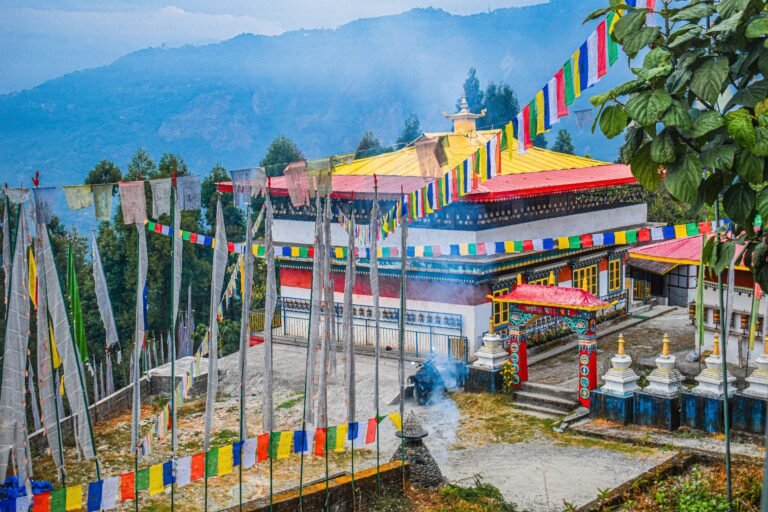
Darjeeling’s cultural atmosphere reflects Himalayan traditions, colonial history, and a strong tea-growing identity. Visitors may notice prayer flags, monastery visits, local markets, and a relaxed hill-town rhythm that is very different from the plains.
If possible, spend time in a tea community area, speak with local workers respectfully, and observe the pace of life beyond the tourist spots. That is where the journey becomes truly memorable.
Nearby Attractions
Tea tourism in Darjeeling becomes richer when combined with nearby attractions that complement the landscape and heritage of the region.
Popular nearby places
- Happy Valley Tea Estate: One of the best-known tea estates for guided visits and tea tasting.
- Himalayan Mountaineering Institute: A cultural and historical stop in Darjeeling town.
- Batasia Loop: Famous for mountain views and the toy train route.
- Tiger Hill: Known for sunrise views over the Kanchenjunga range.
- Peace Pagoda: A calm spot with panoramic scenery.
- Rock Garden and Ganga Maya Park: Scenic leisure stops near town.
- Ghoom Monastery: A serene heritage and spiritual site.
Short tea-tour circuit idea
- Morning: Tea estate visit and factory tour
- Afternoon: Darjeeling town sightseeing and local lunch
- Evening: Sunset or tea lounge experience with mountain views
Travel Tips for Different Travelers
For families
- Choose a hotel or bungalow with easy access and heating if traveling in winter.
- Plan short sightseeing days to avoid fatigue on winding roads.
- Carry snacks, water, and motion sickness medicine for children if needed.
- Book transport in advance during peak travel months.
For honeymooners
- Stay in a tea bungalow or a room with valley views for a peaceful experience.
- Plan slow mornings and private tea tastings instead of a rushed itinerary.
- Choose September to November or spring months for the best combination of weather and scenery.
- Pack light woolens, as evenings can be chilly even outside winter.
For friends and small groups
- Combine tea estate visits with adventure, viewpoints, and food stops.
- Use shared cabs if you are traveling on a tighter budget.
- Check road conditions in monsoon months before finalizing plans.
- Keep an early start for sunrise or estate tours, since hill travel takes time.
Packing and safety essentials
- Warm layers, comfortable walking shoes, and a rain jacket
- Reusable water bottle and sunscreen
- Basic medicines, especially for altitude sensitivity or motion sickness
- Cash in small denominations, as card acceptance may be limited in some places
- Respect estate rules, local customs, and photography restrictions where posted
FAQs
Q: What is the best time to visit Darjeeling for tea tourism?
A: The best time is generally March to May and September to November, when the weather is pleasant and visibility is often better. These months also align with important tea seasons.
Q: Can visitors tour tea estates in Darjeeling?
A: Yes, several tea estates offer guided tours, tea tasting sessions, and factory visits. Availability depends on the estate and the season, so it is best to check in advance.
Q: How many days are enough for a Darjeeling tea tourism trip?
A: A 2 to 4 day trip is usually enough for a focused tea tourism experience. This gives time for estate visits, tea tasting, and a few nearby attractions.
Q: Is Darjeeling tea tourism suitable for families and children?
A: Yes, it can be very family-friendly if the itinerary is kept relaxed. Short drives, comfortable stays, and light sightseeing work best for children and older travelers.
Q: What should I buy as a souvenir from Darjeeling?
A: Loose-leaf Darjeeling tea, tea gift boxes, woolens, handicrafts, and local snacks are among the most popular souvenirs.
Conclusion
Darjeeling tea tourism is a blend of landscape, heritage, and flavor. From walking through historic tea gardens and tasting fresh brews to exploring nearby viewpoints and enjoying local food, the region offers a calm but enriching travel experience. This guide includes the table of contents, all required sections, and the FAQ set in a WordPress-friendly format, making it easy to plan a well-rounded visit. In the end, Darjeeling stands out not just as a destination, but as a living tea culture shaped by hills, history, and hospitality.