The Padmaja Naidu Himalayan Zoological Park (commonly called Darjeeling Zoo) is a premier destination for travelers interested in Himalayan wildlife, conservation and unique high-altitude landscapes. Below is a practical FAQ-style guide to help tourists plan a safe, meaningful and enjoyable visit.
Hours can vary seasonally and for special events. Many visitors find the zoo open in the daytime (morning to late afternoon). Always check current hours on the official park notice, the West Bengal Forest Department site, or with local tourism offices before you go, as timings and weekly closures can change.
Advance booking is not usually required for standard visits, but tickets are charged at the gate. For groups, school trips, or organized tours it’s advisable to contact the park in advance. During festivals or peak tourist season there may be queues—arrive early to avoid crowds.
Yes—most families and school groups visit regularly. However, note that the zoo is on hilly terrain with slopes and steps; mobility-challenged visitors should plan accordingly. If you or members of your party have mobility issues, inquire ahead about accessible routes and parking.
Pets are not allowed into animal enclosures or public visitor areas. Feeding animals with outside food is strictly prohibited for animal health and safety reasons. There may be limited snack/refreshment options nearby, but it’s wise to carry water and small snacks if needed, keeping litter disposal in mind.
The zoo is a short drive from central Darjeeling. Options include taxis, shared jeeps or walking for those who enjoy uphill strolls—allow extra time for the gradient and traffic. If you’re traveling by public transport, check the local schedule and ask drivers whether they stop near the zoo entrance.
There is limited parking near the zoo. Parking conditions vary—during peak season spaces fill quickly. Using a local taxi or shared vehicle can be more convenient if you expect parking constraints.
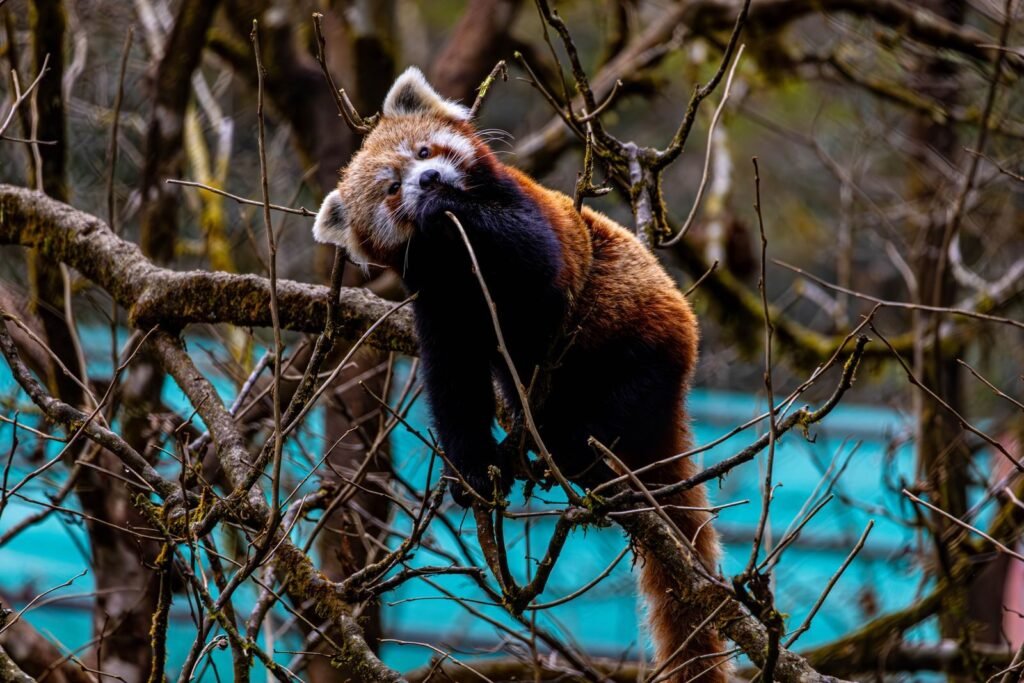
The zoo specializes in Himalayan species—most famously the snow leopard and the red panda. Exhibits focus on animals adapted to high-altitude environments and the park is known for breeding and conservation work for several Himalayan species. Animal visibility depends on weather, time of day and the animals’ welfare requirements.
Padmaja Naidu Himalayan Zoological Park participates in captive-breeding and species-recovery programs, research and public education aimed at preserving Himalayan biodiversity. The park has had notable success in breeding species like the snow leopard and red panda and collaborates with national and international conservation bodies.
Yes. Interpretive signage, occasional guided tours, and educational outreach (for schools and groups) are part of the park’s public information effort. If you are particularly interested, contact the park in advance to ask about guided visits or educational sessions.
Photography for personal use is generally allowed; however, professional photography or filming may require prior permission and fees. Drones are usually prohibited inside zoological parks; tripods may be restricted in crowded areas. Check the park’s photography policy before attempting commercial or high-impact photography.
Yes, with usual precautions. Supervise children closely near enclosures and steep terrain. Use hand sanitizer after touching railings or public surfaces and before eating.
Darjeeling is a hill station at significant elevation compared to sea level. Most visitors do not experience serious altitude issues, but if you are coming from low-altitude regions and have respiratory or cardiac conditions, consult your doctor. Take it easy on strenuous walks and stay hydrated.
Morning visits often offer better animal activity and clearer mountain views. The most pleasant seasons are spring, autumn and early winter (clear skies and cool weather); monsoon months can be rainy and misty, reducing visibility. Peak tourist season (e.g., holidays) will be busier—arrive early to avoid crowds.
A typical visit lasts 1.5 to 2.5 hours, depending on your interest level, whether you take a guided tour, and how much time you spend at each exhibit. Combine the zoo with nearby attractions for a half-day or full-day outing.
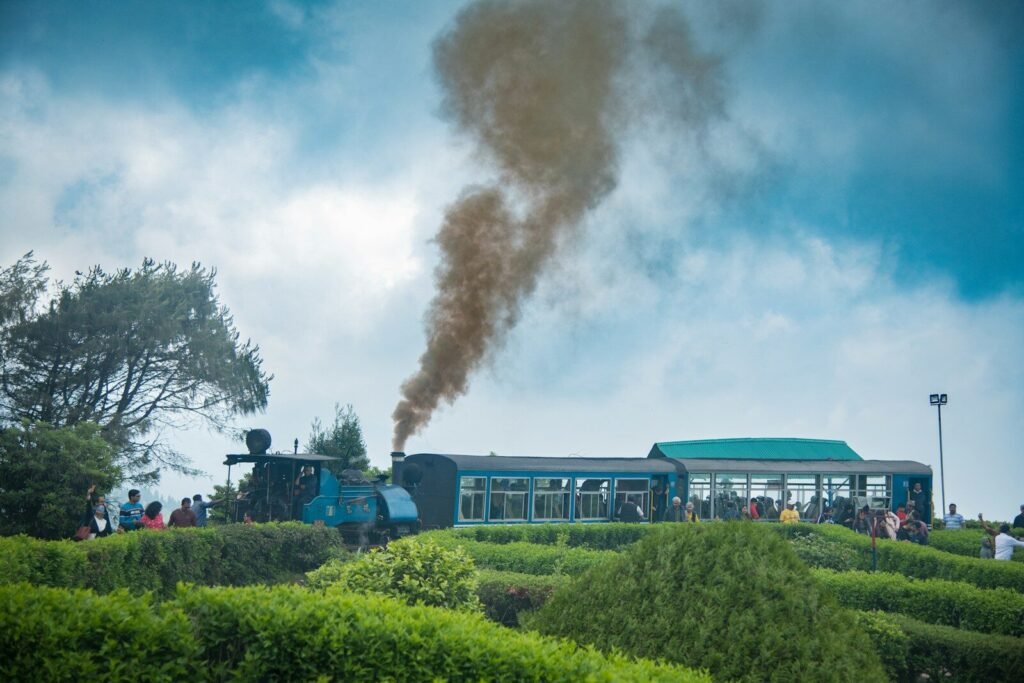
Start early with a visit to the zoo and Lloyd’s Botanical Garden, then continue to the Himalayan Mountaineering Institute. Finish with a ride on the Darjeeling Himalayan Railway or an afternoon walk through the Mall and local tea shops.
The zoo conducts educational outreach, school programs and sometimes supports research collaborations. Volunteer or internship opportunities can be limited and often require formal application and background checks. Contact the park administration or the West Bengal Forest Department to inquire about current programs.
For the most current details—opening hours, ticket prices, special closures, and special events—refer to official park notices, the West Bengal Forest Department’s communications, local tourism offices in Darjeeling, or verified social media channels. If in doubt, call or email the park administration before your visit.
If you want, I can draft a printable one-day Darjeeling itinerary that includes the zoo or help you draft an email to the park to request group-visit details. Would you like that?
What makes us different from other tour package companies
Our travel experts have core and intense knowledge about Sikkim sector with over 10 years of experience that will help you choose the best possible itinerary as per your requirements.
Our travel experts are just one call away during your tour to help you with any kind of immediate assistance so that your tour is a more enjoyable and hassle-free tour.
eSikkimTourPackages ensures best rates to all our esteemed guests since we have our own hotels and fleet of vehicles and drivers and there is no third-party involvement. This ensures personalized service and best rates.























Kindly enter the details below for your Sikkim Tour Package