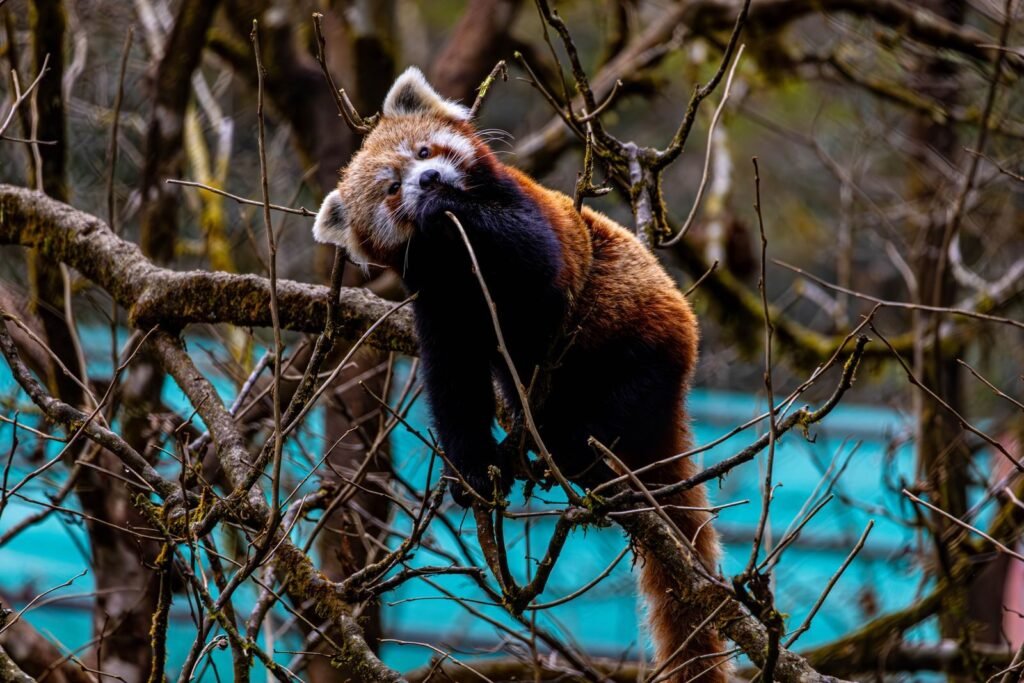
The Padmaja Naidu Himalayan Zoological Park (commonly called the Darjeeling Zoo) occupies a unique position at the intersection of conservation, high-altitude natural history and tourism. Established in the mid-20th century and named after Padmaja Naidu, a prominent political figure and Governor of West Bengal, the park has evolved from a regional zoological collection into India’s leading high-altitude ex-situ conservation centre. Its history is inseparable from Darjeeling’s identity as a hill-station tourist destination: the zoo contributes to the town’s appeal while also shaping visitor understanding of Himalayan biodiversity and conservation challenges.
The zoo was set up in the years following India’s independence with the objective of creating an institution dedicated to species of the eastern Himalaya. From its inception, the emphasis differed from many lowland zoos: enclosures, husbandry and species selection were informed by the demands of cold-climate Himalayan animals. The park was later named in honour of Padmaja Naidu, recognizing her role and stature in West Bengal’s public life.
Initially conceived as a zoological and recreational facility for both residents and visitors, the park gradually acquired a stronger conservation and research mandate. Over the decades it shifted from display-oriented exhibits toward habitat-based enclosures and scientific breeding programs focused on threatened Himalayan species.
The Padmaja Naidu Park is widely acknowledged for its contribution to the conservation of high‑altitude Himalayan fauna. Several notable achievements shaped its reputation:
Located in the scenic slopes of Darjeeling, the zoo’s layout and enclosure design reflect both the steep terrain and the imperative to simulate natural conditions. Over time, older concrete-style enclosures were modified or replaced with more naturalistic habitats, planting native shrubs and trees and creating rocky, cold-climate microhabitats.
Because Darjeeling is a historic hill station known for its panoramic mountain views, tea gardens and colonial-era infrastructure, the zoo’s design has sought to balance visitor sightlines, animal welfare and preservation of the hillside environment. The zoo thus became an integral stop in the traditional Darjeeling tourist circuit.
The zoo’s historical development directly shaped its tourism role. As Darjeeling emerged as a premier hill-station destination, the zoological park offered tourists:
Over the years the park strengthened its interpretation and outreach: educational boards, guided tours, and seasonal programs introduced visitors to conservation themes. These efforts reflect a broader shift in tourist expectations—from passive spectacle to meaningful learning experiences—mirroring global trends in wildlife tourism.
As an attraction that consistently draws families, natural-history enthusiasts and school groups, the park contributes to local incomes through ticket sales, nearby hospitality services and ancillary vendors. It also provides employment for local staff and creates opportunities for community engagement in conservation-related tourism initiatives such as guided eco-tours and cultural interpretation.
Because of its central location within the Darjeeling tourism landscape, the zoo is commonly combined with visits to other nearby highlights. Tourists often pair a morning at the zoo with:
Tourist footfall fluctuates with Darjeeling’s seasonal patterns: peak visits occur during clearer, cooler months when views of the Himalayan ranges are visible and the weather is comfortable for walking steep pathways. The zoo’s layout and interpretive programming are adapted to handle these seasonal peaks while retaining accessibility for off-season visitors.
As tourism demand grew, the park faced several challenges common to wildlife attractions in fragile landscapes:
In response, management and stakeholders have pursued measures such as visitor education campaigns, improvements to exhibit design, controlled viewing areas, and partnerships with conservation organizations to secure technical support and funding. These steps aim to keep tourism revenue flowing while protecting animal welfare and conservation outcomes.
Looking ahead, the park’s historical strengths — expertise with Himalayan species and a strong conservation ethos — position it to play a leading role in sustainable tourism in the region. Key directions include:
By pairing conservation outcomes with meaningful visitor experiences, the park can amplify public understanding of Himalayan ecosystems and the socio-economic drivers affecting them. This educational focus can convert casual tourists into long-term supporters of conservation initiatives.
From its mid-century origins to its present status as a keystone institution in Himalayan conservation and tourism, Padmaja Naidu Himalayan Zoological Park demonstrates how a zoological institution can evolve alongside a tourist town. Its history is a story of adaptation: designing for cold-climate species, developing breeding and husbandry expertise, and shifting public-facing programs from simple display to education and conservation advocacy. For tourists, the park offers not only a chance to see rare Himalayan animals but also an opportunity to engage with the region’s ecological challenges and conservation aspirations. As Darjeeling and the broader Himalayan region face environmental and social change, the zoo’s role as both a tourist attraction and a conservation hub will remain central—provided it continues to balance visitor experience with rigorous animal welfare and meaningful community engagement.
Note: This article provides a historical and tourism-focused overview. For visiting hours, ticketing information and current conservation projects, please consult the park’s official sources or local tourism offices before planning a trip.
What makes us different from other tour package companies
Our travel experts have core and intense knowledge about Sikkim sector with over 10 years of experience that will help you choose the best possible itinerary as per your requirements.
Our travel experts are just one call away during your tour to help you with any kind of immediate assistance so that your tour is a more enjoyable and hassle-free tour.
eSikkimTourPackages ensures best rates to all our esteemed guests since we have our own hotels and fleet of vehicles and drivers and there is no third-party involvement. This ensures personalized service and best rates.






















Kindly enter the details below for your Sikkim Tour Package