Best Time to Visit Pelling, Sikkim — A Seasonal Tourism Guide
Pelling is a scenic hill-town in West Sikkim perched at roughly 2,150 m above sea level. It is prized for sweeping views of the Kanchenjunga range, serene monasteries, crystal lakes and easy access to short treks and cultural sites. Choosing when to visit determines whether you get clear mountain panoramas, rhododendron blooms, snow-clad peaks or dramatic monsoon greenery. This guide explains the climate by season, highlights the best months for different interests, and gives practical travel tips.
Quick Snapshot
- Best overall months: March–May & October–November
- For flowers and pleasant weather: March–May (spring)
- For clear vistas and festivals: October–November (autumn/post-monsoon)
- For snow and winter atmosphere: December–February
- For off-season greenery (but risky for travel): June–September (monsoon)
Understanding Pelling’s Climate and Seasons
Pelling experiences a temperate mountain climate with four distinct seasons. Elevation moderates temperatures: summers are mild, winters cold (often near or below freezing at night), and monsoon months bring heavy rain and possible landslides on mountain roads.
Spring (March – May)
Why go: Spring is widely considered one of the best times to visit Pelling. Temperatures are comfortably cool by day, nights are crisp, and rhododendrons and other alpine flowers bloom along trails and slopes.
- Weather: Daytime: 10–18°C; Nights: 2–7°C.
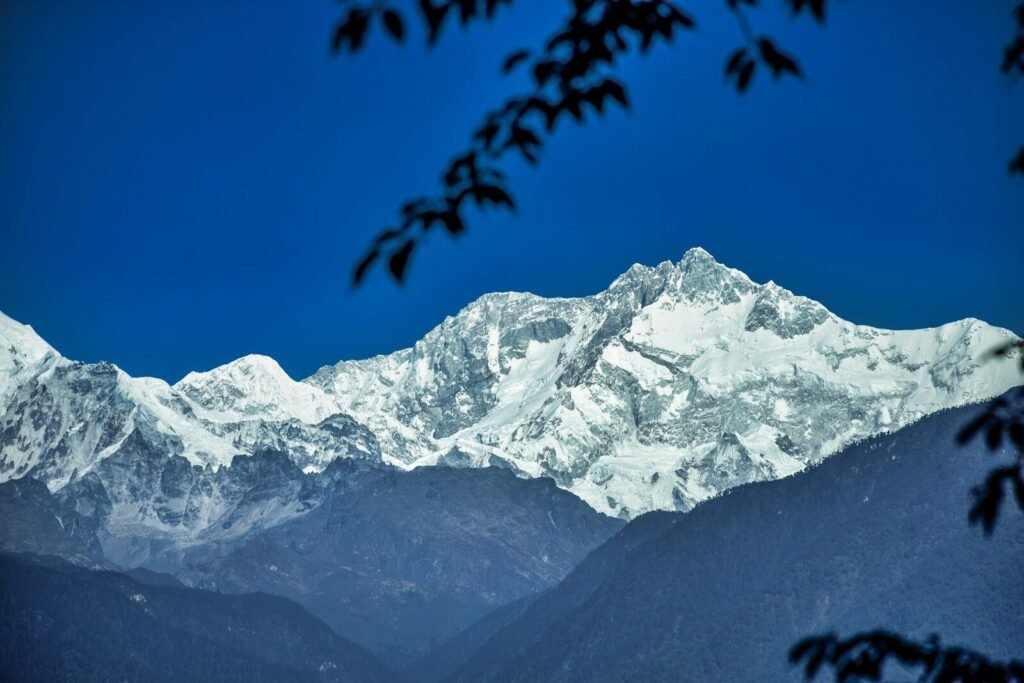
- Pros: Clear skies often reveal spectacular Kanchenjunga views; excellent trekking and photography conditions; fewer clouds and pleasant sightseeing.
- Activities: Short treks, monastery visits (Pemayangtse), Khecheopalri Lake, Rabdentse ruins, and nature walks.
- Packing tips: Layered clothing, light insulated jacket for mornings/evenings, sun protection.
Summer / Monsoon (June – September)
Why be cautious: This is the wettest season. While the landscape turns intensely green and waterfalls are full, heavy rains can disrupt travel—roads may be washed out and landslides possible.
- Weather: Frequent rain, temperatures 12–20°C.
- Pros: Lush scenery, fewer tourists, lower accommodation rates.
- Cons: Reduced visibility for mountain views, soggy trails, and risk of travel delays due to landslides.
- Activities: Short, weather-dependent outings; enjoy monsoon flora and waterfalls if conditions permit.
- Packing tips: Waterproof jacket, sturdy shoes, insect repellent, waterproof covers for luggage.
Autumn / Post-monsoon (October – November)
Why go: Autumn offers the clearest skies and some of the best viewpoints for Kanchenjunga and other Himalayan peaks. Temperatures are pleasant and stable—an ideal window for most travelers.
- Weather: Daytime: 12–20°C; Nights: 4–8°C. Low humidity and excellent visibility.
- Pros: Superb mountain views, comfortable weather for sightseeing and photography, vibrant festivals in nearby regions.
- Activities: Sightseeing, photography, attending festivals such as Pang Lhabsol (celebrating Khangchendzonga) typically held in September–October in parts of Sikkim; cultural immersion and longer treks become accessible.
- Packing tips: Warm layers for early mornings and evenings, comfortable walking shoes.
Winter (December – February)
Why go: If you want to experience cold, clear days and occasional snowfall at higher elevations, winter is rewarding—especially for dramatic sunrise shots of the snowy Kanchenjunga peaks.
- Weather: Daytime: 0–10°C; Nights can drop below freezing.
- Pros: Crisp skies, fewer tourists, possibility of snow at nearby higher spots.
- Cons: Cold nights, some services (mountain activities, higher-altitude guesthouses) may be limited.
- Activities: Photography, short hikes (weather permitting), cozy cultural experiences in monasteries and local homestays.
- Packing tips: Heavy jacket, thermal wear, gloves, warm hat, and insulated footwear.
Which Months Are Best for Different Travelers?
Photographers & View Seekers
October–November and March–May for the clearest mountain vistas and best light.
Trek & Nature Enthusiasts
March–May offers rhododendron blooms and milder weather for higher trails; autumn is great for stable conditions and trekking windows that open after the monsoon.
Cultural Travelers
Visit during festival periods (late September–November or around Losar in January/February depending on the year) to see mask dances, monastery rituals and local celebrations. Check exact festival dates before planning, since lunar festivals shift each year.
Budget Travelers / Off-season Seekers
Monsoon (June–September) will give you the lowest crowd levels and cheaper stays, but be prepared for disrupted travel and limited outdoor activity.
Practical Travel Tips
- Getting there: The nearest major airport is Bagdogra (Siliguri), from where road travel to Pelling takes around 4–6 hours depending on traffic and road conditions. New Jalpaiguri (NJP) is the nearest major railhead. Gangtok is roughly 4–5 hours away by road.
- Road conditions: Mountain roads can be narrow and winding; allow buffer time between connections. During monsoon and heavy winter snowfall, expect delays.
- Permits: Indian nationals do not require special permits for most of Sikkim, but foreign nationals should verify Protected Area Permit requirements and border-area restrictions—check the latest government guidelines before travel.
- Altitude & health: Pelling’s elevation is moderate, but if you plan to trek higher, acclimatize gradually. Carry basic medication, keep hydrated and avoid strenuous exertion on the first day.
- Accommodation: Pelling has a range from budget guesthouses to mid-range hotels and a few luxury properties with panoramic balconies—book early during peak months (spring/autumn).
- Local transport: Shared jeeps run between Gangtok, Kalimpong and Pelling; private taxis are widely available for inter-town travel and day excursions.
Pelling-by-Season — Activities & Attractions
Top Attractions
- Pemayangtse Monastery — One of Sikkim’s oldest and most important monasteries.
- Rabdentse Ruins — Historic ruins of the former seat of the Sikkimese royalty with panoramic views.
- Khecheopalri Lake — A sacred, serene lake known for its reflections and birdlife.
- Singshore Bridge — One of the highest suspension bridges in Sikkim, offering dramatic valley views.
- Rimbi & Kanchenjunga Waterfalls — Particularly impressive in the monsoon and post-monsoon months.
- Local markets & homestays — For handicrafts, cuisine and cultural interaction.
Packing Checklist (Season-wise Essentials)
- Spring/Autumn: Light layers, fleece or light down jacket, walking shoes, sunglasses, sunscreen.
- Monsoon: Waterproof jacket/poncho, quick-dry clothes, waterproof footwear, insect repellent, first-aid for blisters.
- Winter: Heavy insulated jacket, thermal underlayers, gloves, warm boots, lip balm and moisturizer.
- All seasons: Good camera/binoculars, power bank, basic medicines, photocopies of ID/permits.
Safety & Responsible Travel
Respect monastery rules and local customs. Avoid littering around sacred lakes and viewpoints. If trekking, hire local guides and inform your accommodation of planned routes. During monsoon, avoid risky trails and always check weather and road reports before setting out.
Conclusion — When Should You Visit?
For most tourists seeking the classic Pelling experience — crystal-clear mountain views, outdoor activities and comfortable weather — March to May and October to November are the best months. If you want to experience snow or quieter winter landscapes, consider December to February. If you don’t mind rain and want lush greenery with lower costs, June to September can work, but plan for possible travel disruptions.
Final Recommendation
If you must pick a single window: choose late March to early May for the best overall combination of weather, scenery, flowers and accessibility.