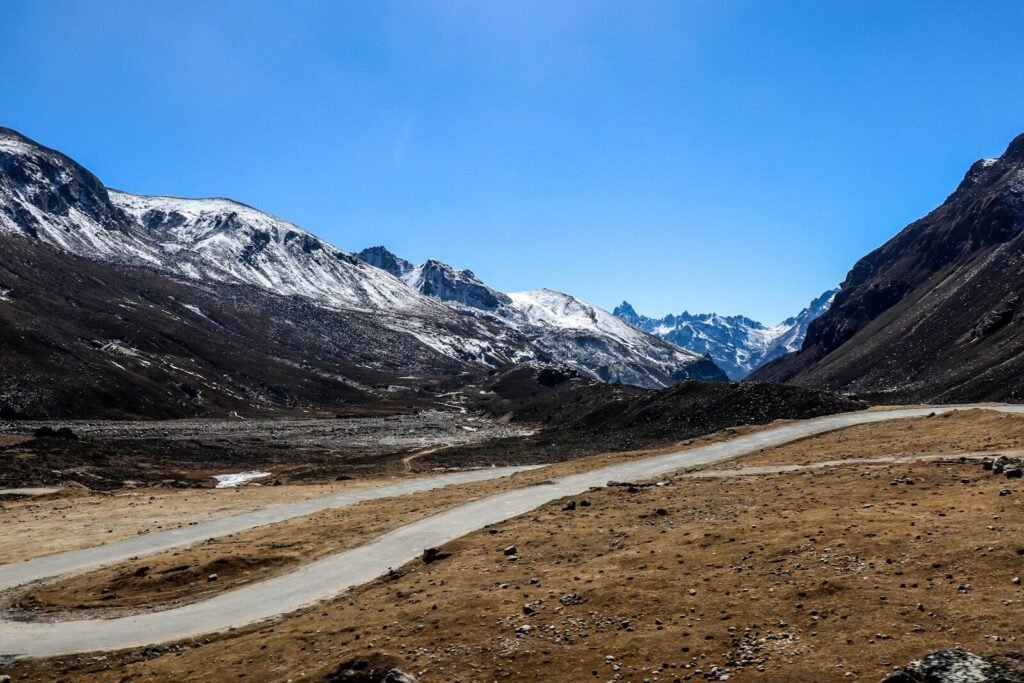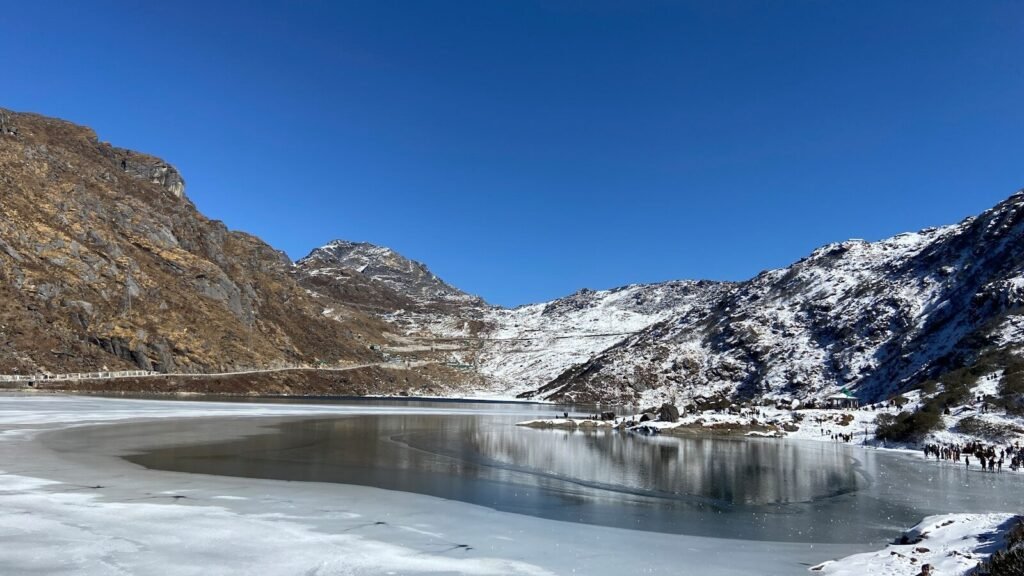

Pelling, a picturesque town in West Sikkim, is best known for its dramatic views of Kanchenjunga, serene monasteries, and alpine landscapes. But beyond its scenic vistas, Pelling offers a rich, layered food culture shaped by Tibetan, Nepali, Bhutia, and Lepcha traditions. For the food-loving traveler, Pelling provides an intimate culinary experience—home-cooked meals in homestays, hearty mountain fare in local eateries, aromatic teas, and fermented delicacies unique to the region. This article explores the food of Pelling in the context of tourism, covering must-try dishes, food experiences, practical tips, and responsible food travel ideas.
Pelling’s cuisine reflects its ethnic mix and Himalayan climate. Meals are designed to be warming, nourishing, and utilitarian—perfect for chilly mornings and evenings at high altitude. Ingredients are often locally sourced: barley, millet, buckwheat, potatoes, seasonal vegetables, dairy, and preserved/fermented products that extend shelf life through long winters.
When visiting Pelling, prioritize dishes that capture the region’s flavors and heritage. Below are the essentials every visitor should taste.
A Himalayan staple—steamed, fried, or pan-fried dumplings stuffed with vegetables, chicken, pork, or yak (seasonal/rare). Served with spicy achar (sauce) and a warming noodle or soup.
Hearty noodle soups with vegetables, meat, or both—comfort food for cold, misty Pelling mornings. Thenthuk (hand-pulled dough noodle soup) is especially rustic and nourishing.
These fermented leafy greens and radish root preserve vegetables and pack a tangy, umami punch. Often served as achar or cooked into the meal; excellent paired with dal and rice.
Fermented soybean similar to natto or tempeh—used in curries or as a side for its smoky, savory flavor. A distinctive taste of Nepali-Sikkimese households.
Dhindo (a dense millet/maize porridge) and sel roti (a traditional Nepali ring-shaped sweet fried bread) illustrate rustic home-style cooking—filling and comforting.
Chhurpi (both soft and hard varieties) and fresh dairy are common in the region. Hard chhurpi is a dense, long-lasting cheese often chewed like a snack; soft versions are used in curries and teas.
For a truly local beverage experience, try tongba (millet-based fermented alcoholic drink sipped through a bamboo straw) and po cha (Tibetan butter tea)—both warming and culturally significant.
Pelling’s food scene ranges from family-run homestays and roadside dhabas to cozy cafes and small restaurants. Here’s how to choose.
Beyond tasting, food-oriented activities deepen your appreciation for local gastronomy. Consider these experiences when planning a culinary trip to Pelling.
Many homestays and guesthouses offer short cooking sessions where you can learn to make momos, thukpa, sel roti, or pickles using traditional methods. Great for foodies who want hands-on learning.
Visit the local market early morning to see fresh produce, spices, fermented goods, and meet vendors. It’s an ideal way to learn ingredient provenance and seasonal availability.
While Temi Tea Garden is more accessible from Namchi, Sikkim’s tea culture can be explored via day trips or afternoon tea sessions—learn about processing and taste local brews.
Guided walks can introduce you to edible mountain herbs, wild mushrooms (seasonal—exercise caution), and traditional preservation techniques used by locals.
The culinary calendar shifts with the seasons and festivals—an important aspect for timing culinary visits.
Sustainable practices help preserve Pelling’s food heritage and environment:
Food in Pelling is more than sustenance—it is a doorway into local identity, ecology, and community life. For tourists, the culinary journey involves hearty mountain dishes, fermented and preserved flavors, intimate homestay meals, and opportunities to learn traditional cooking techniques. By choosing responsible dining options, prioritizing local producers, and engaging respectfully with hosts, travelers can savor authentic flavors while supporting the sustainability of Pelling’s food traditions.
Pack an appetite, an open mind, and a willingness to try new textures and flavors—Pelling’s food will reward both curiosity and respect for place.
What makes us different from other tour package companies
Our travel experts have core and intense knowledge about Sikkim sector with over 10 years of experience that will help you choose the best possible itinerary as per your requirements.
Our travel experts are just one call away during your tour to help you with any kind of immediate assistance so that your tour is a more enjoyable and hassle-free tour.
eSikkimTourPackages ensures best rates to all our esteemed guests since we have our own hotels and fleet of vehicles and drivers and there is no third-party involvement. This ensures personalized service and best rates.




















Kindly enter the details below for your Sikkim Tour Package