Zero Point

Things to do

Things to Do at Zero Point, Lachung — A Tourism Guide

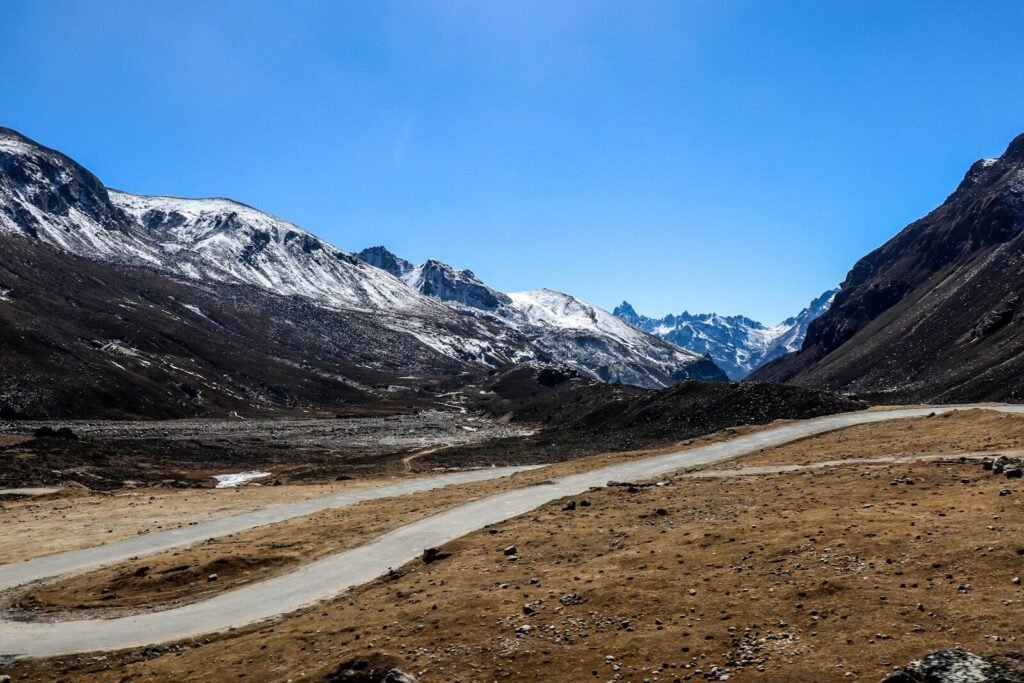
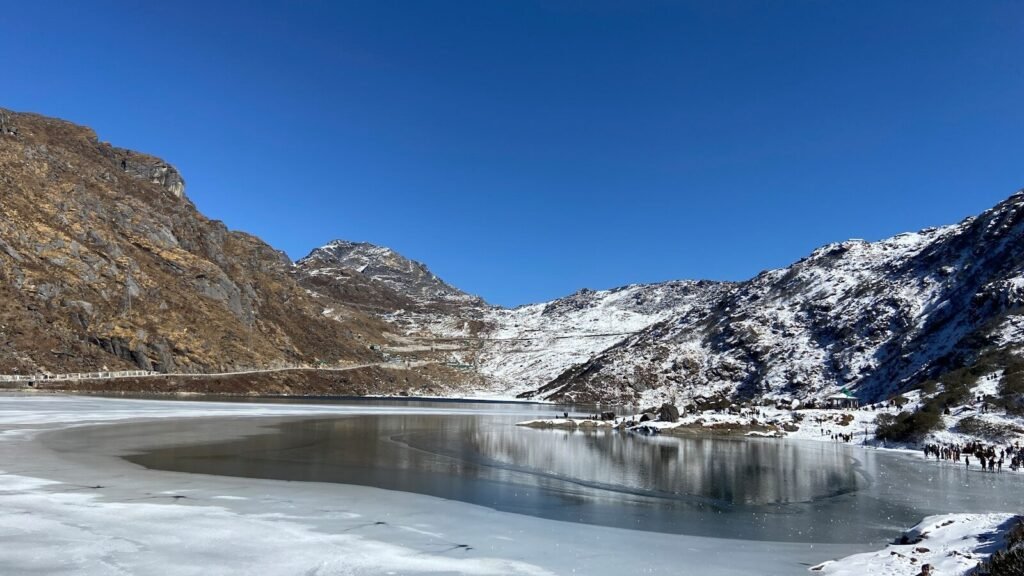
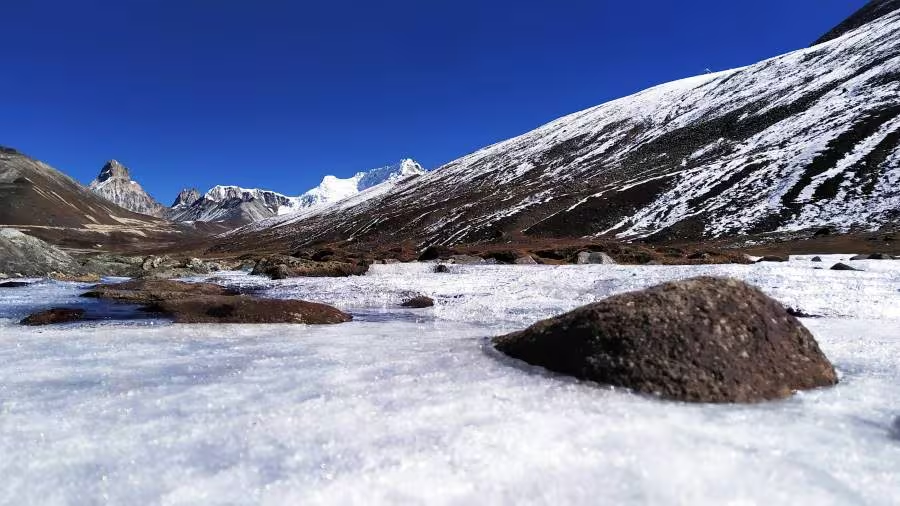
Zero Point near Lachung in North Sikkim is one of the region’s most dramatic high‑altitude attractions — a snow‑kissed stretch of road and meadows beyond Yumthang Valley, offering expansive Himalayan views, pristine snowfields (for much of the year), and a sense of remoteness that travelers prize. This guide lists the best things to do, how to prepare, practical tips, and sample itineraries to make the most of a visit to Zero Point.

Overview

Where it is: Zero Point is reached by road from the mountain hamlet of Lachung, passing through Yumthang Valley (the Valley of Flowers) and continuing up to the open slopes and snowfields popularly called Zero Point. It sits at high altitude and is accessible only via the motor road from Lachung/Lachen, usually as a day trip or short excursion from Lachung.

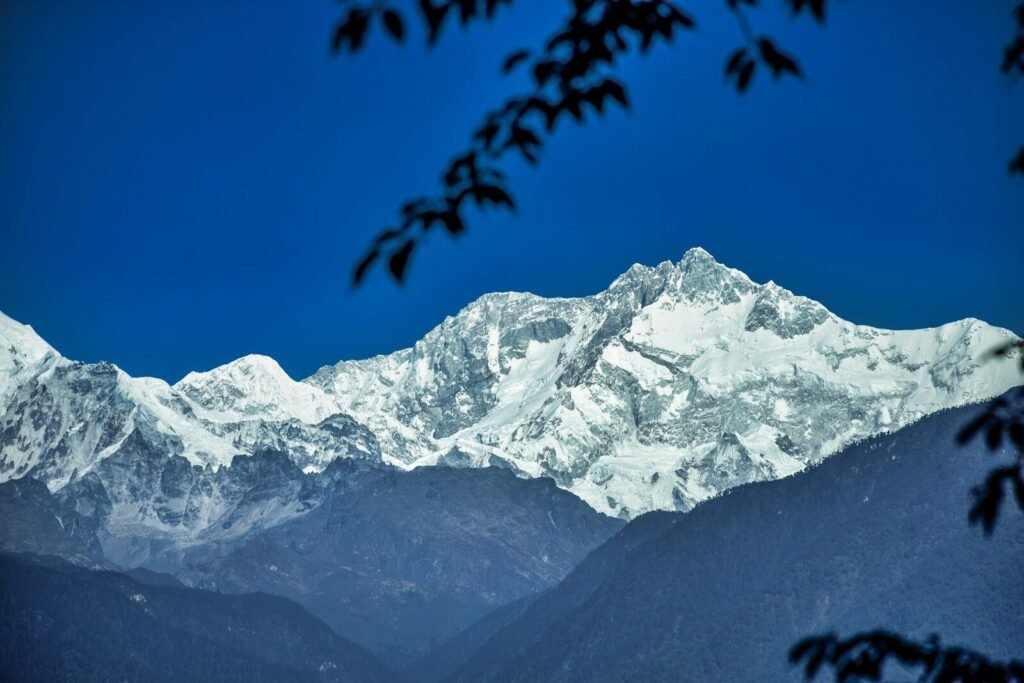
Why visit: Visitors come for spectacular Himalayan panoramas, reliable snow (for several months of the year), rhododendron and alpine flower displays at lower elevations, wildlife sightings, and unique photo opportunities. It’s ideal for travelers who want dramatic mountain scenery with minimal trekking.

How to Reach Zero Point

  • Base town: Lachung — a mountain village with guesthouses and basic services. Many visitors stay overnight in Lachung before visiting Yumthang and Zero Point the next day.
  • From Gangtok: Road travel to Lachung typically requires a full day through winding mountain roads; most travelers use private jeeps or shared taxis booked through tourism operators.
  • Local transfer: From Lachung, vehicles run to Yumthang and onward to Zero Point (when road/permit conditions allow). The final approach usually involves short walks across snow or gravel where vehicles are restricted.
  • Permits: Zero Point is inside a restricted/protected area. Obtain necessary permits in advance through registered tour operators or Sikkim tourism offices — see the permits section below.

Top Things to Do at Zero Point

1. Play in the Snow & Enjoy Snow Photography

What to expect: Depending on season and road access, you can often walk out onto expansive snow patches, roll snowballs, make snowmen, or simply enjoy the stark white landscape set against blue skies and mountain peaks. The open snowfields make for dramatic photographs, especially in early morning or late afternoon light.

  • Tip: Bring sunglasses, sunscreen, and a windproof jacket — snow glare and high-altitude sun can be intense.
  • Tip: Camera batteries drain faster in cold; keep spares warm in an inner pocket.

2. Short Hikes & Easy Walks

From the vehicle parking area, there are short, manageable walks across gentle slopes and ridgelines suitable for most visitors. These walks are ideal for stretching legs, taking photos, and enjoying the silence of the high Himalaya.

  • Difficulty: Generally easy to moderate — trails can be icy or muddy, so good footwear is essential.
  • Duration: Walks at Zero Point can range from 10–90 minutes depending on your interest and weather.

3. Flora & Fauna Spotting

At lower elevations on the way to Zero Point (especially in Yumthang and the rhododendron zones) you may see colorful alpine flowers in spring, and a variety of mountain birds and small mammals. Keep an eye out for yaks, mountain goats, and high‑altitude birds.

  • Best time: Late March to May for rhododendrons and alpine blooms.
  • Respect wildlife: Observe from a distance; do not feed or disturb animals.

4. Picnic & Relaxation

Many visitors pack a picnic to enjoy on the slopes or in clearer weather set up a short rest on the meadows below the snowfields. The silence and views make even a simple snack memorable.

  • Leave no trace: Carry back all waste — facilities are minimal at Zero Point.
  • Hot drinks: Carry a thermos if you want hot tea or soup — local stalls may be limited or closed.

5. Sunrise & Sunset Photography

The high ridgelines and open vistas make Zero Point a good spot for dramatic sunrises and sunsets. Colors on the snow and surrounding peaks change rapidly — ideal for landscape photographers.

  • Equipment: Tripod, neutral density filters, layered clothing for early/late chill.
  • Logistics: Early and late light means colder temperatures and sometimes more challenging road conditions; plan with your driver/operator.

6. Cultural Exploration in Lachung

Combine your Zero Point visit with time in Lachung village: visit small monasteries, sample local Sikkimese/Nepali cuisine, and interact with resident communities. Local homestays offer insight into mountain life and hospitality.

  • Try: Local dishes like thukpa, momos, and Sael roti where available.
  • Respect: Dress modestly when visiting religious sites and ask before photographing people.

7. Combine with Nearby Attractions

Zero Point fits naturally into broader North Sikkim itineraries: Yumthang Valley (flowers and hot springs) is en route, and the region’s highlights such as Lachen and Gurudongmar Lake are commonly combined into multi‑day trips. Plan extra days to acclimatize and to absorb the high‑altitude scenery.

Best Time to Visit

  • Spring (March–May): Rhododendrons and alpine blooms in lower stretches; pleasant weather for photography and walks.
  • Summer (June–September): Monsoon season brings frequent rain and higher risk of landslides; roads may be unpredictable. If you travel, expect lush green valleys but check road status daily.
  • Autumn (October–November): Clear skies and stable weather — excellent for views and photography.
  • Winter (December–February): Cold and snowy — good for guaranteed snow scenery but very cold nights and possible road closures; some services may be suspended.

Permits & Regulations

Access rules: Zero Point lies inside a protected/restricted mountain area. Permits are required and rules change periodically.

  • How to obtain: Permits typically must be arranged in advance via registered tour operators, hotels, or the Sikkim tourism office. Foreign nationals require special restricted area permits (RAP); Indian citizens may need Inner Line/Protected Area Permits depending on current regulations.
  • Drone use: Drones are restricted in many parts of Sikkim and require separate clearance; do not fly drones without explicit permission.
  • Conservation etiquette: Stay on designated paths where instructed and follow local guide directions. Avoid littering and respect fragile alpine ecosystems.

Safety & Practical Tips

  • Altitude awareness: Zero Point is at high altitude. Symptoms like headache, nausea, dizziness can occur. Acclimatize in Lachung and take it slow. Hydrate and avoid heavy exertion on the first day.
  • Clothing: Dress in warm, layered, windproof clothing. Temperatures can drop sharply even on sunny days.
  • Footwear: Sturdy, waterproof shoes with good grip for icy or muddy patches.
  • Cash & supplies: Carry sufficient cash, snacks, and basic medicines. ATMs and pharmacies are limited in remote areas.
  • Connectivity: Mobile network may be intermittent; share your itinerary with family and expected return times.
  • Local guides/drivers: Use experienced local drivers and registered guides who know the road conditions and permit requirements.

Sample Itineraries

Day Trip from Lachung

  • Early morning start from Lachung after breakfast.
  • Drive to Yumthang Valley for flowers, short walks, and hot springs (time permitting).
  • Continue to Zero Point for snow play and photography; return to Lachung by late afternoon.
  • Overnight in Lachung.

2–3 Day North Sikkim Loop

  • Day 1: Travel from Gangtok to Lachung — overnight in Lachung to acclimatize.
  • Day 2: Yumthang Valley + Zero Point day trip from Lachung — overnight in Lachung.
  • Day 3: Continue to Lachen/Gurudongmar Lake or return to Gangtok depending on permits and timing.

Responsible Travel Notes

Preserve the landscape: The alpine environment around Zero Point is fragile. Carry out all waste, avoid single‑use plastics when possible, and do not disturb flora or fauna.

Support local economy: Choose homestays, hire local guides, and buy local handicrafts and food to help the resident communities benefit from tourism.

Final Tips

Plan for flexibility: Mountain travel is unpredictable — weather, road maintenance, and permit rules can change plans quickly. Allow buffer days in your itinerary and keep contact details for your operator easily accessible.

Zero Point near Lachung offers an unforgettable high‑Himalayan experience: pristine snowfields, crisp mountain air, dramatic views, and a window into Sikkim’s remote landscapes and cultures. With the right preparation and respect for local rules and nature, it’s a rewarding addition to any North Sikkim itinerary.

Get Instant Call Back​

Which places do you want to explore in North-East?
Kindly share your above details to get Travel Plan PDF within 30 seconds on your mobile
Please wait while we are preparing customized quotes as per your requirement.

Why Choose us ?

What makes us different from other tour package companies

Best Travel Experts

Our travel experts have core and intense knowledge about Sikkim sector with over 10 years of experience that will help you choose the best possible itinerary as per your requirements.

24 X 7 On-Trip Assistance

Our travel experts are just one call away during your tour to help you with any kind of immediate assistance so that your tour is a more enjoyable and hassle-free tour.

Best Rate Guarantee

eSikkimTourPackages ensures best rates to all our esteemed guests since we have our own hotels and fleet of vehicles and drivers and there is no third-party involvement. This ensures personalized service and best rates.


Sikkim Tour Packages by Theme

Sikkim Tour From Popular Cities

Limited period offer – Sikkim tour packages at flat 50% discount. Inquire now!

Kindly enter the details below for your Sikkim Tour Package
Loading, please wait . .. ... ....