FAQs about Zero Point, Lachung — A Practical Tourism Guide
Zero Point (often called Yumesamdong or Yume Samdong and sometimes referred to simply as “Zero Point” beyond Yumthang Valley) is one of North Sikkim’s most scenic high-altitude destinations. This FAQ-style guide addresses common tourist questions — location, permits, weather, safety, travel logistics and practical tips — so you can plan a safe, comfortable and responsible visit.
1. Where is Zero Point and what is it?
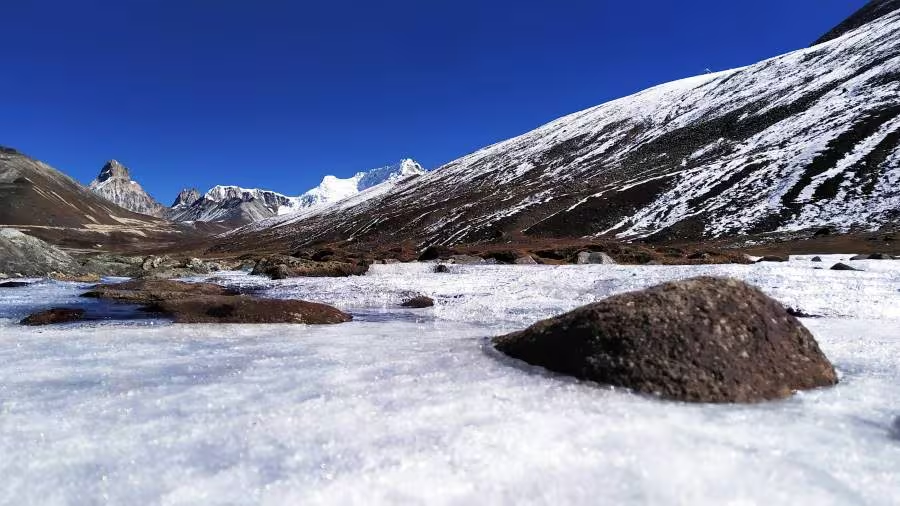
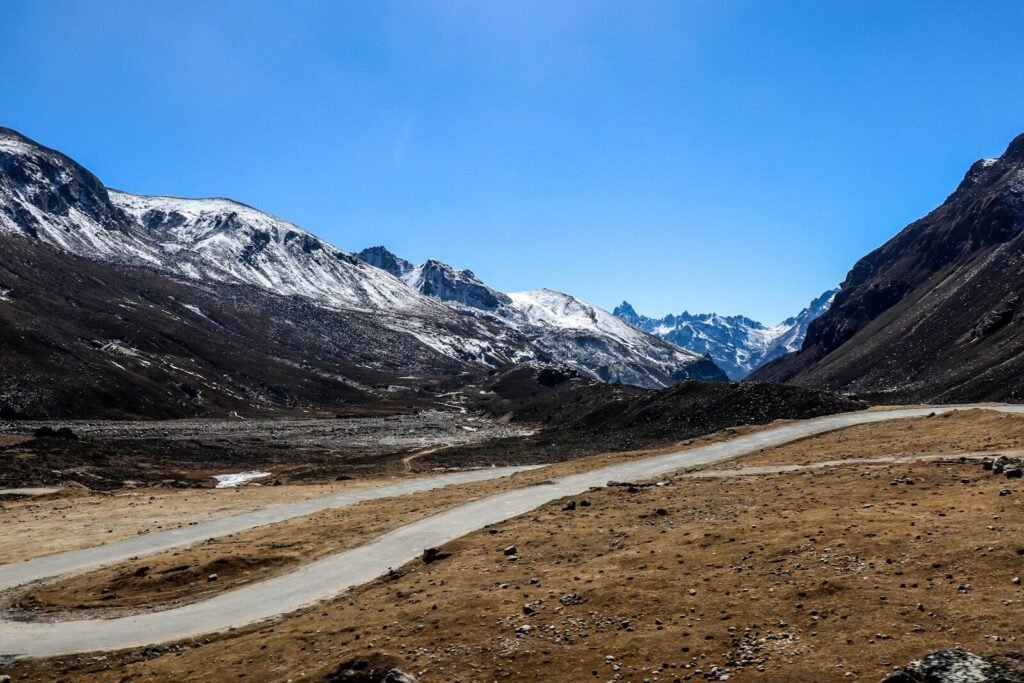
Zero Point is a high-altitude plateau/landscape north of Lachung and Yumthang Valley in North Sikkim, near the Indo-China border. It is known for wide alpine meadows, snowfields (in winter), panoramic mountain views and the stark beauty of a high mountain plain.
Quick facts (approximate)
- Altitude: roughly 4,600–4,700 m (about 15,000–15,500 ft)
- Nearest town: Lachung (base and accommodation hub)
- Common route: Gangtok → Mangan → Chungthang → Lachung → Yumthang → Zero Point
- Travel times (approx.): Gangtok to Lachung 5–7 hours; Lachung to Yumthang 1–2 hours; Yumthang to Zero Point another 45–90 minutes (road & traffic dependent)
2. Do I need permits to visit Zero Point?
Yes — permits are required to travel in large parts of North Sikkim.
- Indian citizens: You will need entry permits (Sikkim Inner Line or e-permit depending on the current procedure). Permits are checked at checkpoints. Carry valid photo ID (Aadhaar, voter card, or passport).
- Foreign nationals: Foreign visitors must obtain a Protected Area Permit (PAP) or equivalent clearance; some high-security/sensitive stretches may have additional restrictions. Restrictions and processes change frequently — always confirm with Sikkim Tourism or your travel operator before travel.
- How to get permits: Many permits can be applied online via official Sikkim portals or arranged through travel agents and hotels in Gangtok. Keep printed/electronic copies and IDs ready for verification.
3. When is the best time to visit Zero Point?
The best time depends on what you want to see:
- Spring (April–June): Rhododendrons and alpine flowers in Yumthang; milder weather and clearer roads — peak tourism months.
- Autumn (September–November): Stable weather, clear skies, great mountain views and less crowding.
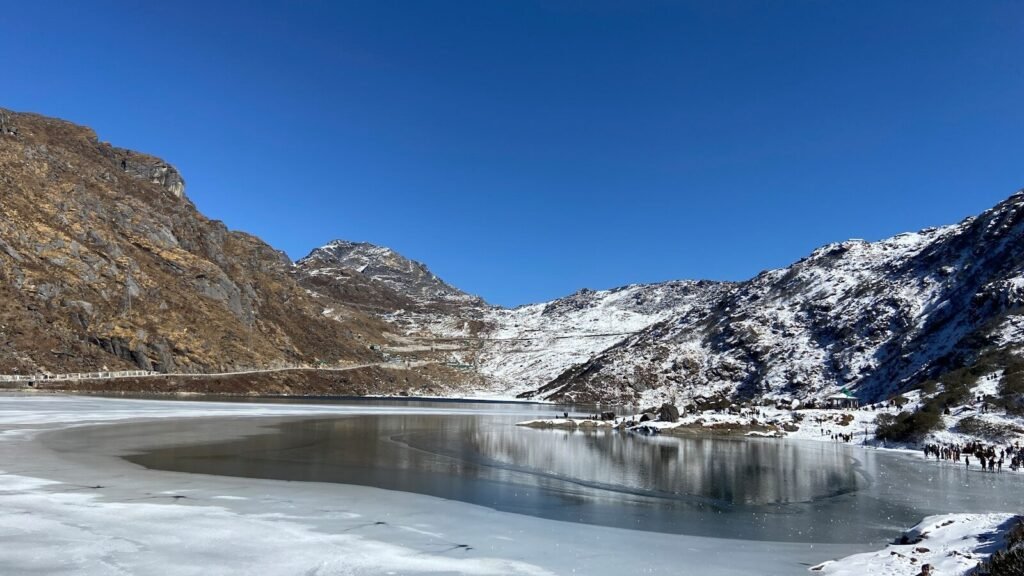
- Winter (December–February): Heavy snowfall and pristine snowfields; dramatic scenery but roads, services and accessibility may be limited or closed. Only attempt if you have a flexible plan and reliable vehicle/driver.
- Monsoon (July–August): Landslides and roadblocks are common; not recommended for travel to high North Sikkim.
4. How do I reach Zero Point (detailed route options)?
Typical access involves staging at Gangtok and Lachung:
- From Gangtok: Drive to Lachung via Mangan and Chungthang (5–7 hours by shared taxi or private vehicle). Book overnight in Lachung to acclimatize.
- Lachung to Yumthang: Early morning drive (1–2 hours) to Yumthang Valley. Most day-trips to Zero Point start from Yumthang.
- Yumthang to Zero Point: Continue past Yumthang; the road gets steeper and may be rough or snowbound. Travel time is typically 45–90 minutes one-way from Yumthang depending on conditions.
- Vehicle type: Mountain-capable vehicles (SUV/Jeep/tempo traveller) are commonly used. In winter, higher-clearance or 4×4 vehicles are safer.
5. Are roads and transport reliable? Any closures?
Road conditions vary with season, weather and maintenance. Expect narrow mountain roads, hairpin bends and occasional landslides or snow-blocked stretches.
- Early spring and autumn usually have good accessibility; monsoon brings landslides.
- During heavy snowfall roads beyond Yumthang may be closed or open only to 4x4s with chains.
- Always check local road status the day before travel. Local hotels, tour operators or transport unions provide the latest updates.
6. Is it safe (altitude sickness, health concerns)?
Zero Point is high altitude — altitude sickness (acute mountain sickness, AMS) is a real risk. Take precautions:
- Acclimatize: Spend at least one night in Lachung (or at intermediate altitude) before ascending higher.
- Recognize symptoms: Headache, nausea, dizziness, shortness of breath, poor sleep. If symptoms progress (confusion, severe breathlessness), descend immediately and seek medical help.
- Hydrate and avoid alcohol: Drink plenty of water and eat light meals.
- Medication: If you are prone to altitude issues, consult a physician before travel. Many doctors prescribe acetazolamide for prevention under medical guidance.
- Facilities: Medical facilities are basic in Lachung; serious cases require evacuation to Gangtok or further — plan accordingly and consider travel insurance that covers emergency evacuation.
7. What should I pack for Zero Point?
Pack considering cold, wind, strong UV and limited facilities:
- Clothing: Insulating layers (thermal base, fleece, down jacket), windproof/waterproof outer layer, warm hat, gloves, wool socks.
- Footwear: Sturdy, warm, waterproof hiking shoes or boots.
- Sun protection: High-SPF sunscreen, lip balm, sunglasses with good UV protection.
- Essentials: Water bottle, high-energy snacks, personal medication, basic first-aid kit, toilet paper, hand sanitizer.
- Electronics: Power banks (electricity can be unreliable), camera, spare batteries (cold reduces battery life).
- Documents: Permit copies, ID/passport, travel and medical insurance details.
8. Can foreigners visit Zero Point? Are there restrictions?
Foreign nationals need special clearances (PAP or equivalent). Permissions and access rules can change, and some sensitive border stretches may have additional restrictions for foreigners. Always:
- Confirm current rules with the Sikkim Tourism Department or a registered local operator before planning.
- Carry passport, valid Indian visa copy and any permit documents at all times.
9. What facilities are available at Zero Point and along the route?
Facilities are basic:
- Toilets: Limited/restroom facilities often basic; carry tissues and sanitizer.
- Food & water: Hot snacks and tea are available in Lachung and Yumthang; not reliable at Zero Point itself. Carry water and snacks for the trip.
- Accommodation: Lachung has guesthouses, lodges and a handful of hotels; book ahead in peak season.
- Connectivity: Mobile network coverage is patchy. BSNL often has better coverage in remote North Sikkim; expect low or no data speeds in many spots.
10. Can I do trekking or overnight stays at Zero Point?
Zero Point is mainly a day-visit destination from Lachung or Yumthang. Trekking in the broader North Sikkim area is possible, but routes are often remote and require permissions, local guides and logistics. Overnight stays at Zero Point are uncommon due to extreme cold, no infrastructure and security restrictions. Always use registered guides/porters where required.
11. Photography — any restrictions or tips?
Photography is allowed in most areas, but:
- Avoid photographing military installations, border posts or personnel — this can be restricted.
- Be respectful of locals; ask before taking close-up portraits.
- Cold conditions drain batteries quickly — keep spares warm inside your clothing.
12. Is it possible to visit Zero Point as a day trip from Gangtok?
A same-day return from Gangtok to Zero Point is strenuous and not recommended. Typical plans include an overnight stay in Lachung (or Lachen) to acclimatize and enjoy the valley. This reduces altitude-related risks and allows for a more comfortable schedule.
13. Any vehicle or driving tips?
If you drive or hire a vehicle:
- Hire an experienced local driver familiar with North Sikkim roads.
- Ensure the vehicle is well-serviced, has good brakes, spare tire and basic tools.
- In winter carry snow chains; in monsoon be prepared for detours and delays.
- Refuel whenever possible in larger towns — fuel stations are sparse in remote stretches.
14. Responsible travel and local etiquette
Zero Point and surrounding valleys are ecologically fragile and culturally sensitive. Practice low-impact travel:
- Do not litter: Carry garbage back to towns for proper disposal.
- Stay on marked roads/tracks to protect alpine flora.
- Respect local customs and dress modestly in villages and monasteries.
- Avoid disturbing livestock or wildlife.
15. Sample short itinerary (2–3 days)
- Day 1: Drive Gangtok → Lachung (overnight in Lachung; acclimatize)
- Day 2: Lachung → Yumthang Valley early morning; explore; proceed to Zero Point if road/permits allow; return to Lachung.
- Day 3: Return Lachung → Gangtok (or continue to Lachen/Gurudongmar depending on permits and plan).
16. Common problems visitors face and quick solutions
- Altitude sickness: Descend, hydrate, rest and seek medical attention if severe.
- Road closures: Have buffer days in your itinerary; contact hotel/driver for alternatives.
- Permit issues: Keep ID and permit copies handy; contact Sikkim Tourism offices or your agent if problems arise.
- Cold-related equipment failure: Keep batteries and devices warm; carry power banks and backup clothing.
17. Final practical checklist before you go
- Confirmed permits for each traveler (and printed copies).
- Valid ID/passport & visa (for foreigners).
- Warm layered clothing, suitable footwear.
- Medications, first-aid, altitude-sickness prevention plan.
- Snacks, water, power bank and spare batteries.
- Contact details of your hotel, local operator and local authorities.
- Travel insurance covering high-altitude emergency evacuation (recommended).
18. Where to get the latest information?
Local authorities (Sikkim Tourism Department), registered tour operators and accommodation providers in Gangtok or Lachung will have the most up-to-date details on permits, road status and weather. Because regulations and road conditions can change quickly, always confirm your plan 24–48 hours prior to departure.
Closing notes
Zero Point offers spectacular high-altitude scenery but requires thoughtful planning: permits, acclimatization, weather-aware timing and respect for fragile ecosystems. Prepare carefully, travel responsibly and you’re likely to have an unforgettable experience in North Sikkim.