Best Time to Visit Zero Point, Lachung (Tourism Guide)
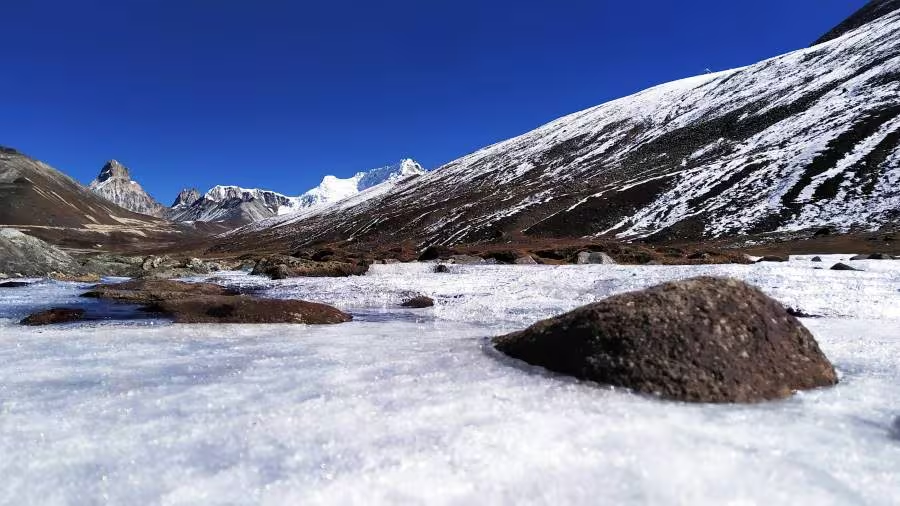
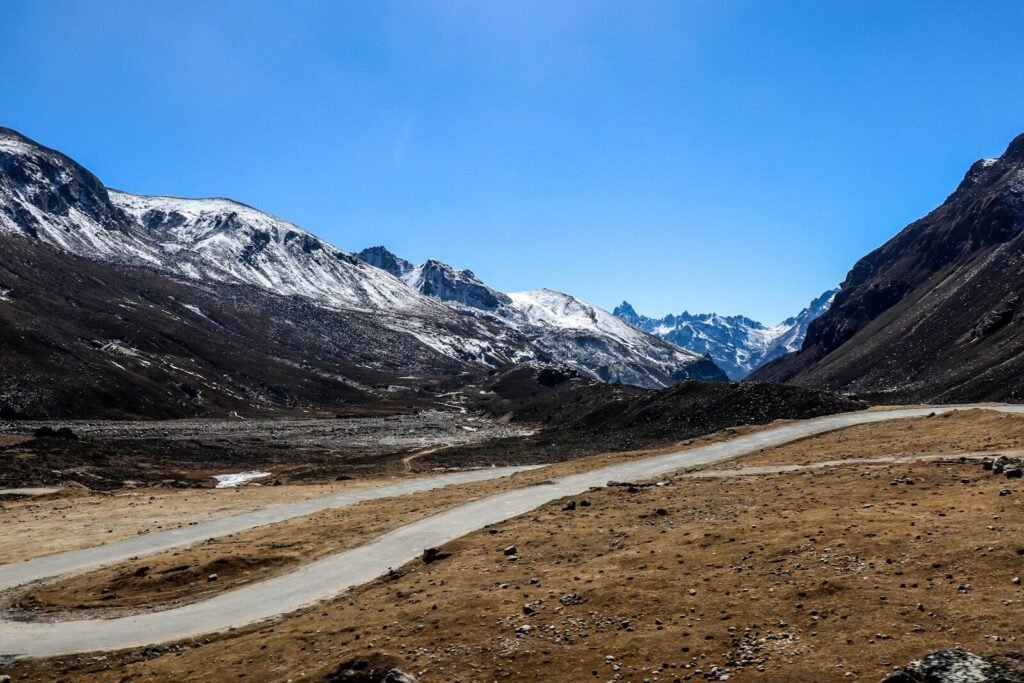
Zero Point (often referred to as Yumesamdong/Zero Point near Lachung) is one of North Sikkim’s most spectacular high‑altitude meadows and snowfields. It is prized by tourists for its dramatic mountain scenery, the possibility of snow even in early/late season, and proximity to Yumthang Valley and hot springs. Choosing the right time to visit is essential for safety, accessibility, weather, and to make the most of the landscapes and activities.
Quick Summary
- Best overall months: April to June and September to November.
- For snow lovers: December to February (winter) — but roads may be closed or difficult.
- Months to avoid: July and August (monsoon) due to heavy rain, landslides and road closures).
Why season matters
Zero Point is at high altitude and the access roads to North Sikkim are heavily influenced by weather. Road closures, snowfall, and landslides can make travel difficult or impossible during certain months. In addition to accessibility, seasonal variation affects:
- Scenic highlights — rhododendron blooms, clear mountain views, and snow cover.
- Safety — driving conditions, risk of avalanches/landslides, and exposure to extreme cold.
- Comfort — daytime temperatures, accommodation availability, and local services.
Seasonal Breakdown
Spring (March — May)
This is one of the best times to visit. Days are milder and the famous rhododendron forests lower down are in bloom (peak usually April–May). Snow still lingers at higher elevations, so you can enjoy both green valleys and snowy meadows.
- Weather: Cool to pleasant days, cold nights at higher altitudes.
- Roads: Usually open and reliable with fewer closures than monsoon/winter.
- Best for: Flower photography, trekking, clear views and comfortable touring.
Summer / Early Monsoon (June — August)
This period brings the Indian monsoon. While early June can still be okay, expect increasing rainfall, mist, and a high risk of landslides that can close highways into North Sikkim.
- Weather: Rainy, cloudy, higher humidity lower down, very cold at altitude when stormy.
- Roads: Prone to closures and delays due to landslides; check local updates frequently.
- Best for: Avoid if your priority is reliable access to Zero Point.
Autumn (September — November)
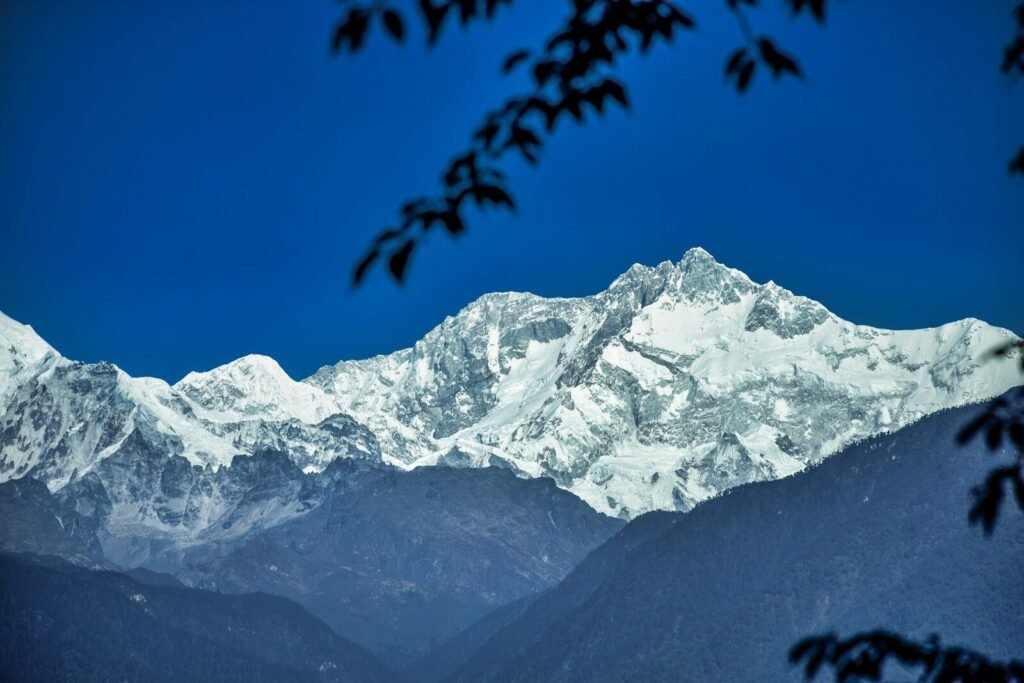
Another excellent window to visit. Monsoon has cleared, skies are often crystal clear, and visibility for panoramic mountain views is at its best. Temperatures start dropping in late October and November.
- Weather: Clear days, cold nights (getting colder as November approaches).
- Roads: Generally stable and open; good for photography and sightseeing.
- Best for: Clear mountain vistas and outdoor activities with less crowding than spring.
Winter (December — February)
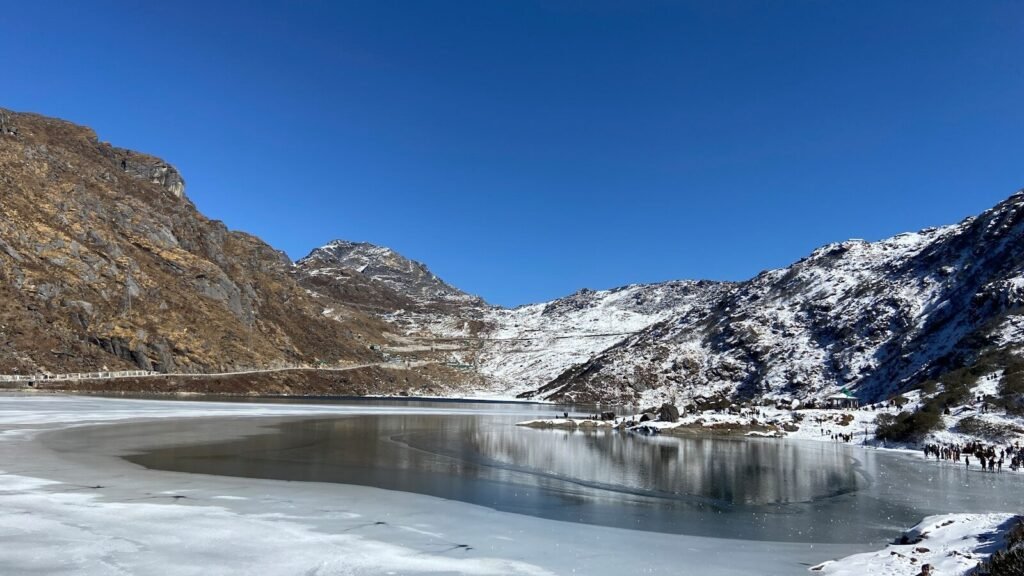
If your aim is to experience heavy snowfall and true high‑altitude winter landscapes, winter can be magical — but it comes with caveats. Many roads and high passes can be blocked; services are limited and temperatures are very cold.
- Weather: Freezing temperatures, frequent snowstorms at higher elevations.
- Roads: May be closed or dangerous; travel requires experienced drivers and up‑to‑date local information.
- Best for: Experienced travelers seeking snow and solitude; not recommended for first‑time high‑altitude travelers without proper planning.
Best Windows in One Line
- April–June: Best overall — flowers, accessible roads, mixed snow and greenery.
- September–November: Best for clear skies and mountain views.
- December–February: Best for guaranteed snow but with access and safety tradeoffs.
Practical Travel Tips
Getting there
- Base: Most visitors reach Lachung from Gangtok (by road). Local taxis and shared vehicles operate on the routes, but journeys are long and can be slow due to mountain roads.
- Day trips: Zero Point is typically visited as a day trip from Lachung or Lachen; plan extra time for delays and acclimatization.
Permits and regulations
Important: North Sikkim has permit requirements and travel regulations that change. It is essential to confirm the latest rules before traveling.
- Indian nationals: Entry to certain remote sections of North Sikkim may require permits issued locally (usually obtained in Gangtok or at army check posts en route). Tour operators can arrange these.
- Foreign nationals: Often need a Protected Area Permit (PAP) to enter North Sikkim; processing time and allowed areas vary.
- Always carry original identification and printed permits while traveling.
Acclimatization & Health
Zero Point is at high altitude; altitude sickness is a real risk. Take measures to acclimatize and remain cautious.
- Spend at least one full day at intermediate elevations (e.g., Lachung or Lachen) before attempting Zero Point.
- Ascend slowly, avoid heavy exertion on arrival, and stay well hydrated.
- If you feel symptoms of acute mountain sickness (headache, nausea, dizziness, breathlessness), descend immediately and seek medical help.
- Consult a physician before travel about medications (e.g., acetazolamide/Diamox) if you have a history of altitude problems.
Road safety and transport
- Hire experienced local drivers who know mountain roads and weather patterns.
- Expect long travel times; road surfaces can be rough. Carry snacks, water, and a basic first‑aid kit.
- Check weather and road condition updates the morning you depart — sudden closures are common.
Where to Stay
Lodging options are concentrated in Lachung and Lachen — from guesthouses and small hotels to lodges run by local operators. In peak season book in advance. During winter fewer options are open and many services are scaled back.
Packing Checklist (Essentials)
- Warm layered clothing (thermal base layers, fleece, insulated jacket).
- Windproof and waterproof outer layer (jacket and trousers) — mountain weather changes quickly.
- Sturdy boots with good grip; warm socks and gloves.
- Sunglasses with UV protection, high SPF sunscreen, and lip balm (strong sun at altitude).
- Personal medication, basic first aid kit, water purification tablets or reusable water bottle.
- Extra camera batteries (cold shortens battery life), memory cards, lens cloth.
- Permit documents and ID (originals), cash (ATMs limited), phone power bank.
Photography & Sightseeing Tips
- Early morning and late afternoon provide the best light and dramatic shadows on peaks.
- Bring a wide‑angle lens for sweeping landscapes and a telephoto for distant peaks and wildlife.
- Pack protective covers for cameras — snow, mist, and dust are common.
Responsible Travel
Zero Point and surrounding valleys are ecologically sensitive and culturally significant. Please follow best practices:
- Do not litter — carry back all non‑biodegradable waste.
- Respect local customs and private property.
- Use refillable bottles — many Himalayan states discourage single‑use plastics.
- Hire local guides and services where possible to support the community.
Safety and Emergency
Mountain travel requires preparation. Carry a local contact number for your hotel or guide, know the location of the nearest medical facility, and consider travel insurance that covers evacuation at high altitude.
- Always tell someone your planned route and expected return time.
- Monitor weather and avoid high‑risk travel during storms or landslide warnings.
Sample Itineraries
- 2–3 day quick trip: Gangtok → Lachung (overnight) → Zero Point day trip → return to Gangtok or overnight in Lachung.
- 4–6 day relaxed trip: Gangtok → Lachen → Gurudongmar (optional) → Lachung → Yumthang Valley → Zero Point → return with stops for local culture and acclimatization.
Final Recommendations
For most travelers the months of April to June and September to November offer the best balance of access, scenery and safety. If you want snow, winter can deliver spectacular conditions — but you must plan for cold, possible closures and limited services. Always check current road, permit and weather conditions with local authorities or a reliable tour operator before heading to Zero Point from Lachung.
Have a safe trip, respect the environment, and enjoy the unique high‑altitude beauty of North Sikkim.