Introduction
Darjeeling and Sikkim are two of the most enchanting destinations in the eastern Himalaya. Together they offer a blend of majestic mountain views, tea-scented hills, serene monasteries, high-altitude valleys, thrilling adventure activities and rich local culture. This article lists the best things to do, practical tips and suggested itineraries for travelers planning to explore Darjeeling and Sikkim.
Darjeeling — Must-do experiences
Sunrise & mountain views
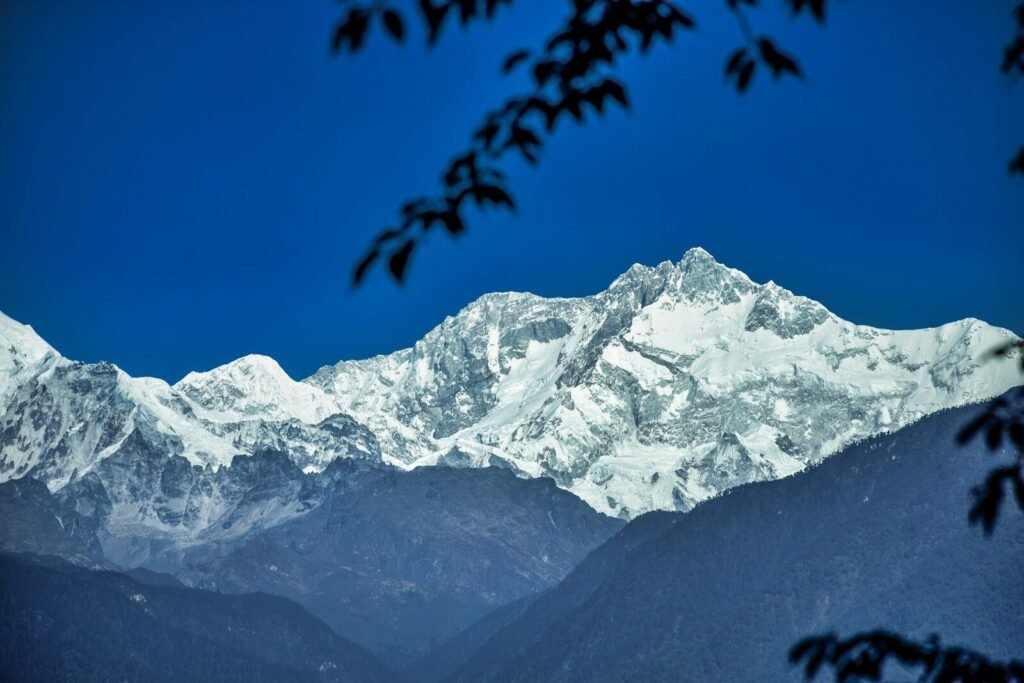
Tiger Hill sunrise: Wake early to catch the first light reveal the snow-capped peaks of Kanchenjunga and neighboring giants. On clear mornings the view is spectacular and photo-worthy.
- Best time: October–March for clear skies.
- Tip: Arrive an hour before sunrise to get a good spot and warm clothing.
Heritage train & scenic rides
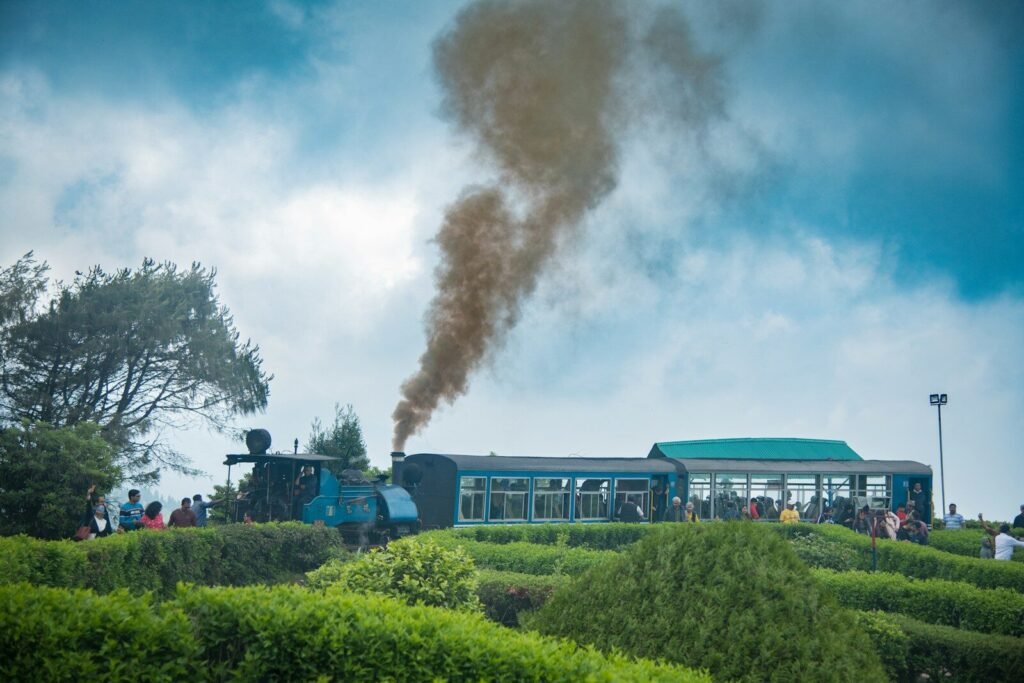
Darjeeling Himalayan Railway (Toy Train) — a UNESCO World Heritage Site — provides a nostalgic journey between Darjeeling and New Jalpaiguri or shorter rides around the hill town. The ride showcases classic Himalayan gradients, loops and stone masonry.
Tea gardens and tasting
Visiting tea estates is essential in Darjeeling. Walk through manicured tea bushes, learn about plucking and processing, and enjoy tasting sessions at estates such as Happy Valley and Goomtee.
Monasteries, parks and museums
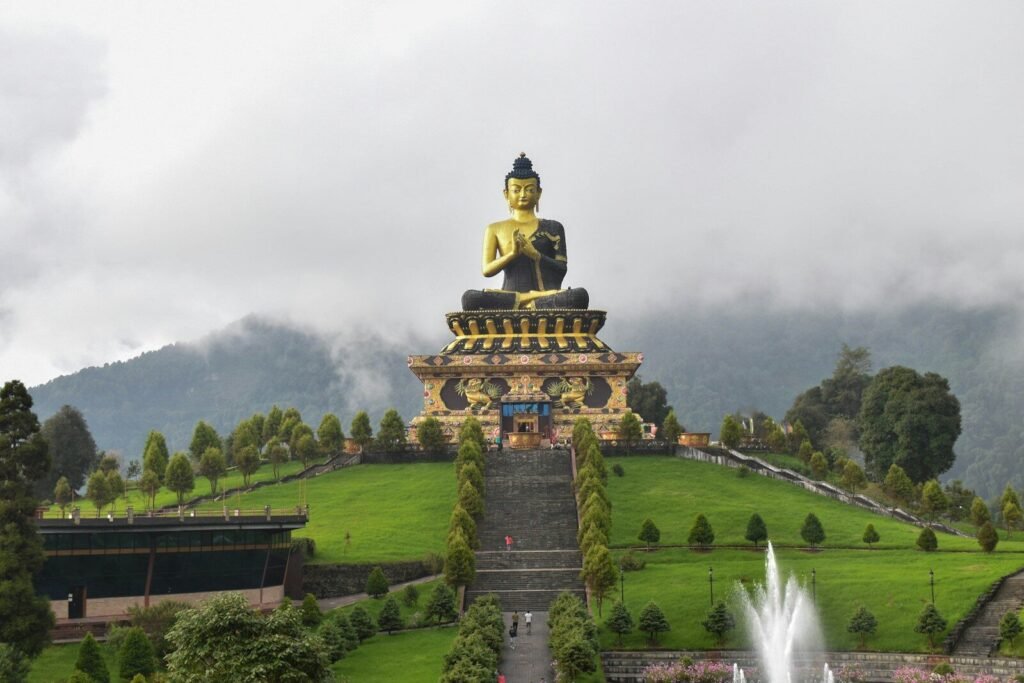
- Ghoom Monastery: One of the oldest Tibetan Buddhist monasteries near Darjeeling with a large statue of Maitreya Buddha.
- Thai-Buddha & Japanese Peace Pagoda: Calm spots for reflection and great views.
- Padmaja Naidu Himalayan Zoological Park: High-altitude wildlife including red pandas and snow leopards.
- Himalayan Mountaineering Institute (HMI) & Museum: Mountaineering history and exhibits.
Town life and shopping
Chowrasta and Mall Road are the heart of Darjeeling — ideal for leisurely strolls, local snacks, handicrafts, woollens and souvenirs. Don’t miss local bakeries and momos stalls.
Outdoor activities
- Ropeway: A scenic ride above valleys and tea gardens (seasonal operations).
- Trekking: Short treks like to the nearby Singalila ridge or longer treks connecting to Sandakphu (advanced).
- Birdwatching: The hills are excellent for birders — look for high-altitude species and migratory arrivals.
Sikkim — Highlights & things to do
Gangtok — the capital
Gangtok combines urban comforts with Himalayan charm. Key experiences include:
- MG Marg: Pedestrian promenade with cafes, shops and evening atmosphere.
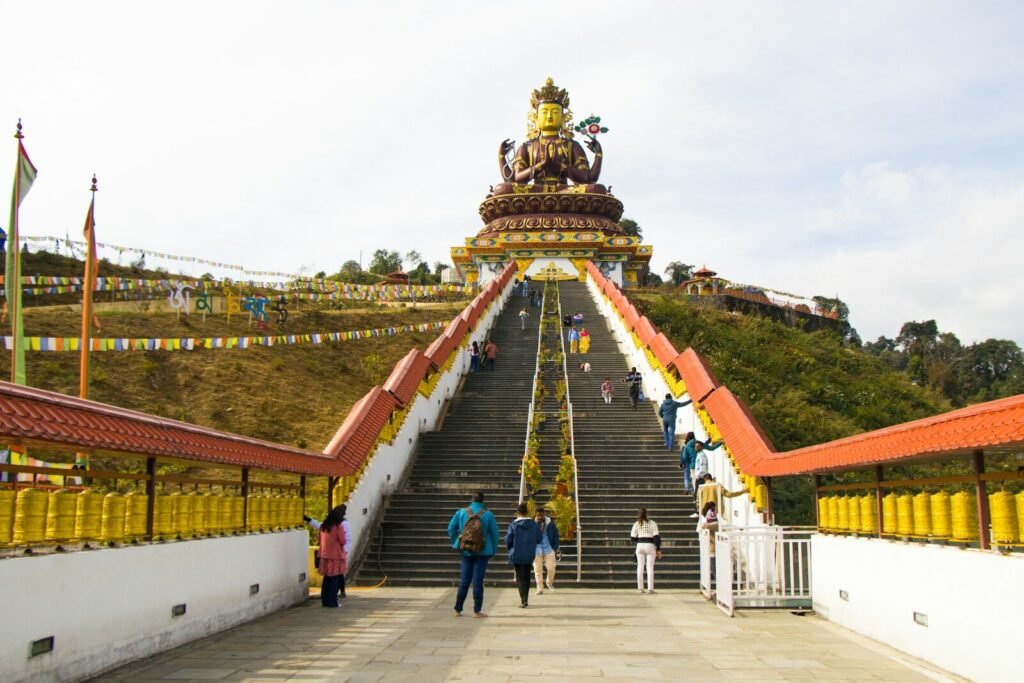
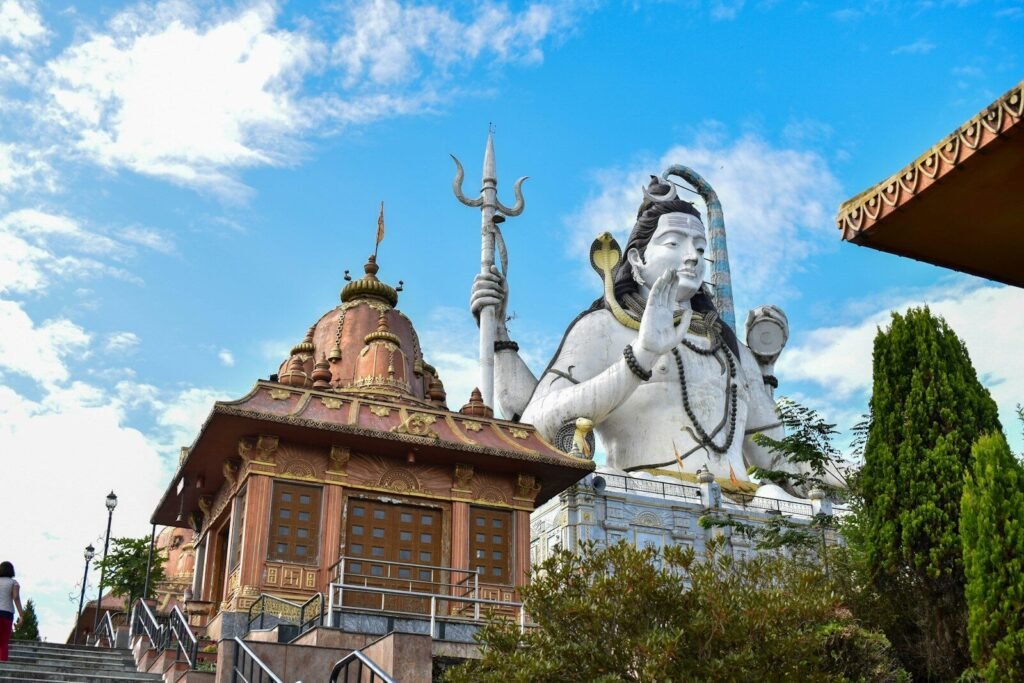
- Enchey & Rumtek Monasteries: Important Buddhist centers with colorful rituals and architecture.
- Hanuman Tok & Tashi Viewpoint: Panoramic vistas of the mountains and valleys.
- Nathula Pass: A historic Indo-China border pass accessible via guided day trips (subject to permits and weather).
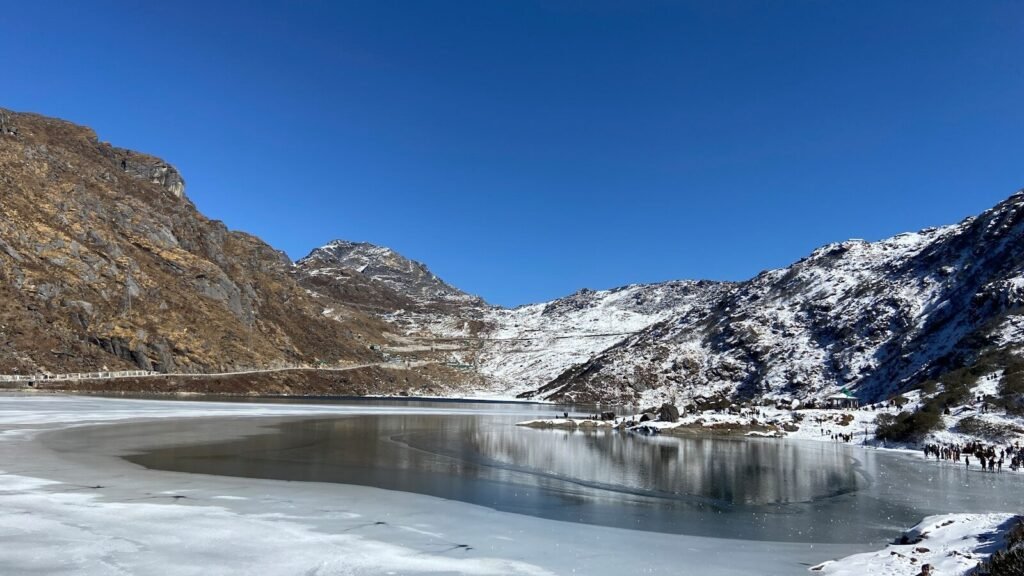
- Changu (Tsomgo) Lake & Baba Mandir: Glacial lake often visited en route to Nathula.
North Sikkim — high-altitude magic
North Sikkim is famed for its dramatic landscapes, high-altitude valleys and alpine flora.
- Lachen & Gurudongmar Lake: A sacred high-altitude lake with surreal blue waters and stunning mountain backdrop (very cold — dress warmly).
- Lachung & Yumthang Valley: The “Valley of Flowers” (Yumthang) blooms in spring; hot springs and panoramic walks are highlights.
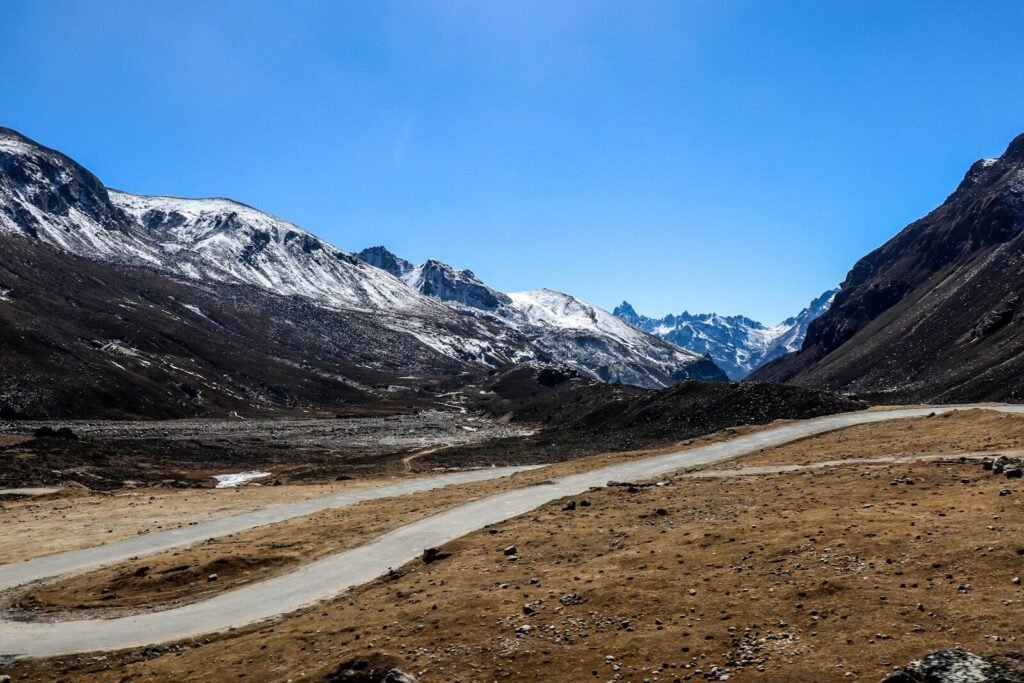
- Zero Point: A snow-bound destination with barren slopes and expansive vistas — dependent on road accessibility and permits.
West Sikkim — culture & monasteries
- Pelling: Gateway to views of Kanchenjunga, Rimbi and Kanchendzonga waterfalls; visit Pemayangtse Monastery and Khecheopalri Lake.
- Yuksom: Historic coronation site and starting point for many treks including Dzongri — ideal for culture and trekking.
Adventure activities
- River rafting: Teesta River offers graded rafting stretches — spring and autumn are ideal seasons.
- Trekking: Trails range from easy day treks to multi-day Himalayan treks (e.g., Goecha La for Kanchenjunga views).
- Mountain biking & camping: Available in many valleys and trails around the state.
Culture, festivals & local food
Experience Sikkimese and Lepcha cultures by visiting local villages, monasteries and attending festivals (e.g., Losar, Bumchu, Dasain in certain communities). Try local cuisine such as thukpa, momos, gundruk and Sikkimese thalis with fresh Himalayan produce.
Practical information & travel tips
Best time to visit
- Spring (March–May): Rhododendrons, clear skies and pleasant temperatures — excellent for sightseeing and trekking.
- Autumn (September–November): Clear mountain views after monsoon and comfortable weather.
- Winter (December–February): Cold, possible snowfall in higher reaches — good for snow lovers but some roads or passes may close.
- Monsoon (June–August): Heavy rains and landslide risks — generally not recommended for travel in the hills.
Permits & documentation
Permits: Some parts of Sikkim (and border areas like Nathula, North Sikkim) require special permits or guided travel and are subject to frequent policy changes. Foreign nationals and visitors to restricted zones often require Protected Area Permits (PAP) or similar authorizations. Always check current permit requirements with local authorities or your travel agent before travel.
Altitude & health
- Acclimatize: Move slowly and allow at least a day to acclimatize when ascending to higher altitudes (Lachen, Gurudongmar, North Sikkim).
- Hydration & rest: Drink water, avoid heavy exertion on the first day at altitude.
- Medication: Carry altitude sickness medication if you are prone to symptoms and consult a doctor before travel.
Getting there & around
- By air: Bagdogra Airport (for Darjeeling & Gangtok) is the nearest major airport. Helicopter services operate seasonally to Gangtok and other heliports.
- By rail: New Jalpaiguri (NJP) is the nearest major railhead for Darjeeling; toy train offers scenic connection within Darjeeling region.
- By road: Regular taxi, shared-jeep and private hire services connect Darjeeling, Gangtok and other Sikkim towns. Mountain roads can be narrow and slow — allow extra travel time.
Accommodation
Options range from budget homestays and guesthouses to mid-range hotels and luxury resorts. In peak season, book ahead — especially in Gangtok, Darjeeling and gateway towns to North Sikkim.
Packing checklist
- Warm layers (even in summer evenings), waterproof jacket
- Good walking shoes
- Sunscreen, sunglasses and hat
- Basic first-aid, personal medication and altitude-sickness remedies
- Power bank, extra camera batteries and memory cards
Safety & etiquette
- Respect local customs and monastery etiquette (remove shoes, dress modestly, speak quietly).
- Follow instructions from local authorities, especially in remote/high-altitude areas.
- Do not litter — alpine ecosystems are fragile.
Suggested itineraries
Short trip: 3 days in Darjeeling
- Day 1: Arrival, MG Marg, Chowrasta, local market and sunset at Observatory Hill.
- Day 2: Early morning Tiger Hill sunrise, Batasia Loop, Ghoom Monastery, HMI and zoo, tea estate visit.
- Day 3: Toy Train or Ropeway (seasonal), last-minute shopping and depart.
Classic Sikkim: 6–8 days
- Day 1: Arrive Gangtok, relax at MG Marg and acclimatize.
- Day 2: Local Gangtok sightseeing — Rumtek Monastery, Tashi Viewpoint.
- Day 3: Excursion to Tsomgo Lake and Baba Mandir (or Nathula if permits available).
- Day 4: Drive to Lachen / transfer towards North Sikkim.
- Day 5: Gurudongmar Lake day trip and return to Lachen.
- Day 6: Move to Lachung; visit Yumthang Valley and hot springs (seasonal).
- Day 7: Return to Gangtok or onward travel — alternative: extend to Pelling and West Sikkim.
Extended adventure: 10+ days (Darjeeling + Sikkim)
Combine 2–3 days in Darjeeling with a week in Sikkim to cover Gangtok, Pelling, Yuksom, and North Sikkim highlights with time for treks such as Goecha La or Sandakphu (Darjeeling).
Final tips
Plan for flexibility: Mountain weather can change plans quickly — keep margins in your schedule. Consider hiring local guides for remote or restricted areas and always check permit and road conditions before setting out. With a mix of tranquil valleys, vibrant culture and dramatic mountain scenery, Darjeeling and Sikkim reward travelers who arrive with curiosity and respect for the environment and local traditions.