Best Time to Visit Darjeeling and Sikkim: A Detailed Tourism Guide
Darjeeling and Sikkim are among the most iconic hill destinations in northeastern India. Both regions offer spectacular mountain views, unique culture, tea gardens, monasteries, trekking routes and biodiversity. However, the best time to visit depends on what you want to experience — clear mountain vistas, festivals, trekking, flora and fauna, or a quieter off-season escape. This guide breaks down the seasons, highlights, practical tips, and recommendation for different traveler types.
Quick Summary
Best overall months: October–November and March–May.
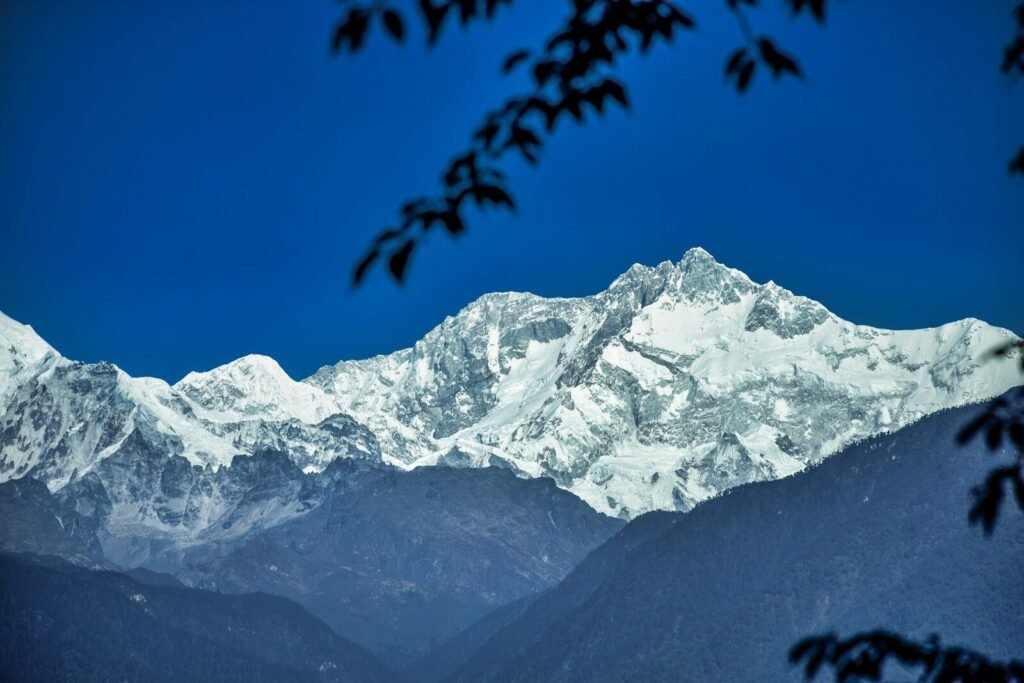
- October–November (post-monsoon/autumn): Crisp air, excellent visibility of the Himalaya (Kanchenjunga and nearby peaks), many festivals, ideal for sightseeing and trekking.
- March–May (spring / pre-monsoon): Pleasant temperatures, blooming rhododendrons in Sikkim, good for treks and nature walks.
- June–September (monsoon): Heavy rain, landslide risk, lush landscapes—best avoided for mountain views and road travel, but great for low-season bargains and waterfalls.
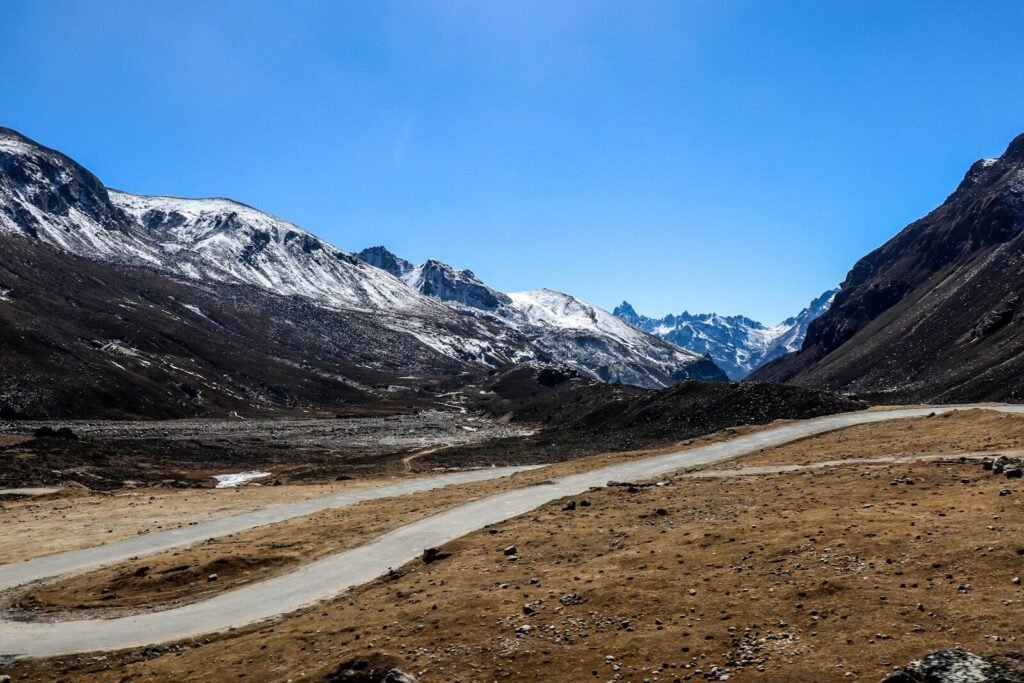
- December–February (winter): Cold; good visibility on clear days, snow at higher altitudes (North Sikkim), some routes closed due to snow.
Season-by-Season Details
Spring (March–May)
Weather: Mild to warm daytime temperatures (10–20°C in Darjeeling; 12–18°C in lower Sikkim), cooler at higher altitudes. Clear to partly cloudy skies.
Highlights: Rhododendron blooms in Sikkim (especially around Yumthang Valley), pleasant trekking conditions, comfortable sightseeing.
- Great for multi-day treks (e.g., trek approaches and low-to-mid altitude passes).
- Good time for photographers—flowers, greenery, and decent mountain visibility.
- Moderate crowds; hotels are available but book for holidays.
Summer / Monsoon (June–September)
Weather: Warm and humid with frequent heavy rainfall. Average temps vary 15–25°C depending on altitude.
Pros: Lush tea gardens and forests, fewer tourists, off-season rates.
Cons: Landslides and roadblocks are common, visibility is poor (mountain views often obscured), many treks and higher passes are unsafe or closed.
- Avoid if your primary aim is clear mountain vistas or high-altitude trekking.
- Good for travelers who prefer solitude, want to photograph waterfalls, or enjoy the green, misty atmosphere.
Autumn (October–November)
Weather: Stable, cool, and clear. Day temperatures comfortable (10–18°C); nights are colder.
Why it’s the best: Post-monsoon clearing gives the best visibility for Himalayan panoramas—this is prime time for sunrise views at Tiger Hill (Darjeeling) and vistas of Kanchenjunga. Trekking and sightseeing conditions are excellent.
- Peak tourist season — book hotels, transport, and permits in advance.
- Many local festivals and cultural events add to the experience.
Winter (December–February)
Weather: Cold—Darjeeling can drop to single digits (°C) or below at night; higher Sikkim (Lachen, Lachung, North Sikkim) can get heavy snowfall.
Highlights: Crisp skies with spectacular views on clear days; snow in higher reaches; quieter towns and off-season prices in lower-altitude areas.
Limitations: Some mountain passes and roads (e.g., to North Sikkim attractions) may be closed; trekking limited to low-altitude routes.
Darjeeling vs Sikkim: Seasonal Differences
Darjeeling
- Best months: October–November and March–May for clear vistas (Tiger Hill sunrise).
- Monsoon: June–September brings heavy rains and landslides on NH10; visibility poor.
- Winter: December–February is cold and quieter; views are excellent on clear days but mornings can be foggy.
Sikkim
- Best months: October–November and March–May. Rhododendron season in spring is particularly spectacular in North & East Sikkim.
- Monsoon: Heavy rainfall may disrupt road travel; many treks are closed.
- Winter: North Sikkim (Gurudongmar, Chopta Valley, Yumthang) gets snow and is often inaccessible; South and East Sikkim remain reachable.
Festivals and Cultural Considerations
Timing a trip to catch local festivals can enrich your experience:
- Losar (Tibetan New Year): Late January–February (date varies) — vibrant in Sikkim and Darjeeling monasteries.
- Dasain / Durga Puja: September–October — major cultural festivals celebrated enthusiastically in the region.
- Diwali: October–November — atmospheric lights and local celebrations.
- Dasai, Tihar and local Buddhist festivals (e.g., Cham dances): Occur at various times—check local calendars if these are important.
Practical Travel Tips
Permits
Note: Indian nationals can visit most parts of Sikkim freely, but domestic and foreign tourists need permits for restricted areas—especially North Sikkim (Lachen, Gurudongmar, Lachung, Yumthang) and East Sikkim at times. Foreign nationals require the Protected Area Permit (PAP) or Inner Line Permit (ILP) obtainable online or through registered tour operators.
Health and Altitude
- Most of Darjeeling and South Sikkim are moderate altitude; however, North Sikkim sites (Gurudongmar Lake, Chopta Valley) are high-altitude. Acute Mountain Sickness (AMS) is possible—allow acclimatization days, stay hydrated, avoid heavy exertion on day one at high altitudes.
- Carry basic medicines; consult a doctor for travel medicine if you plan high-altitude trips.
Getting There and Around
- Nearest major airport: Bagdogra (IXB) — ~70 km from Darjeeling and ~120 km from Gangtok (Sikkim). Advance taxi or shared jeeps available.
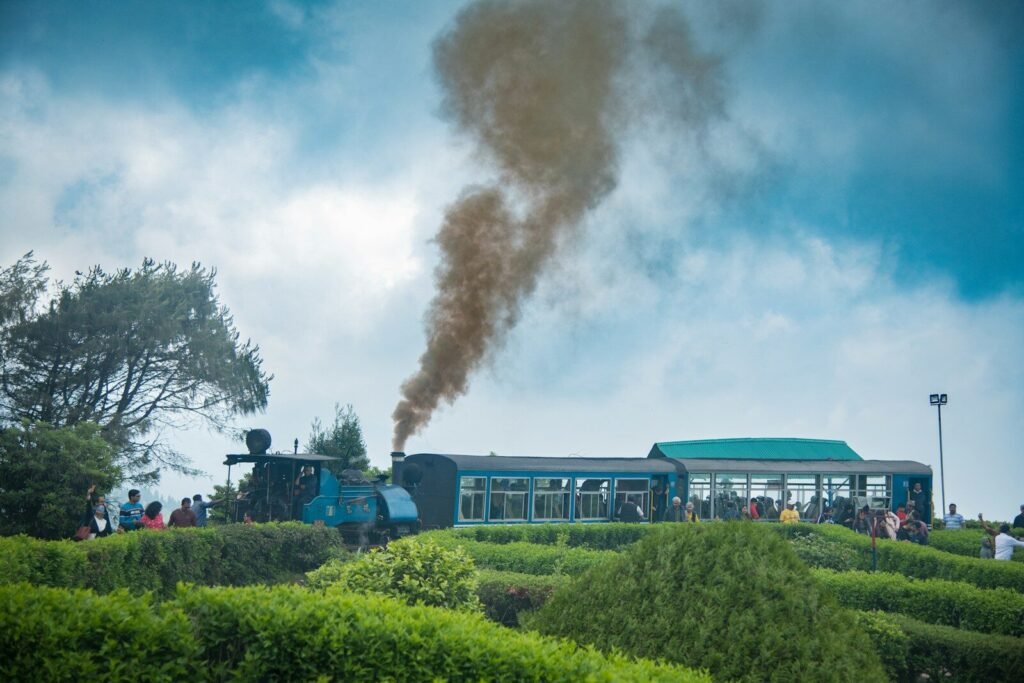
- Rail: New Jalpaiguri (NJP) is the major railhead; Darjeeling has the famous narrow-gauge toy train from NJP to Darjeeling (partial operations vary).
- Roads are narrow and winding; monsoon increases travel time due to landslides. Hire experienced drivers for hilly sections.
Packing Checklist (Season-Specific)
For Autumn & Spring
- Layered clothing (day warm, nights cold)
- Light jacket, windproof outer layer
- Comfortable walking shoes
- Sun protection (hat, sunscreen)
- Camera/binoculars for mountain views
For Monsoon
- Waterproof jacket / poncho
- Waterproof footwear
- Quick-dry clothes and insect repellent
- Extra buffer time in itinerary
For Winter
- Warm down jacket, gloves, woolens
- Thermals and warm headgear
- Sun protection for snow glare
Suggested Itineraries
3–4 Days: Darjeeling Short Break
- Day 1: Arrive, explore Mall Road, tea garden visit.
- Day 2: Early morning Tiger Hill sunrise, Batasia Loop, Himalayan Mountaineering Institute, Tea Estate tour.
- Day 3: Optional day trip to Mirik or local hikes; shopping and departure.
5–7 Days: Darjeeling + Gangtok (Sikkim)
- Day 1–3: Darjeeling highlights (as above).
- Day 4: Drive to Gangtok (visit Rumtek Monastery en route).
- Day 5: Local Gangtok sights (MG Marg, Tashi Viewpoint), Namgyal Institute of Tibetology.
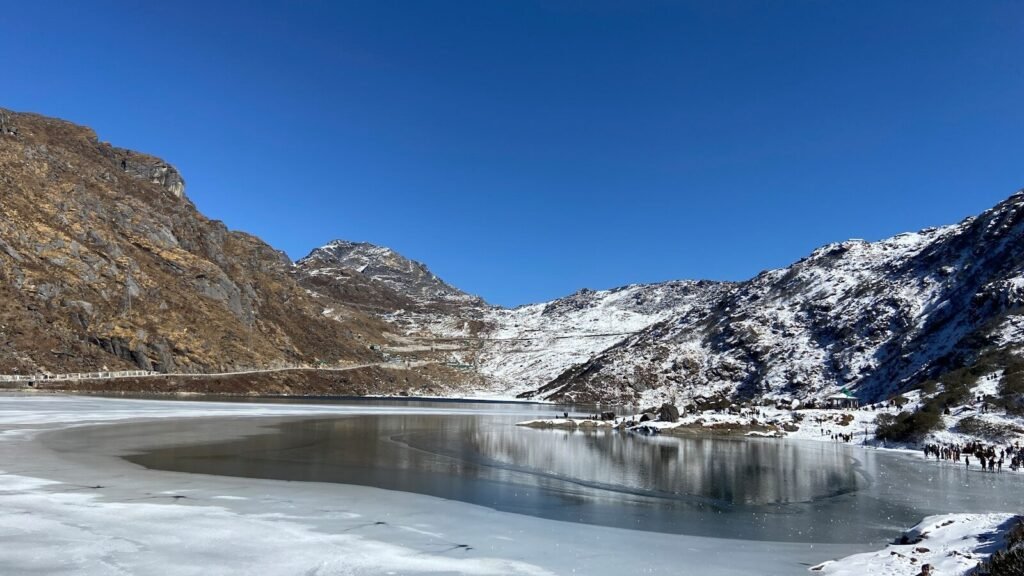
- Day 6–7: Optional trips to Tsomgo Lake, Baba Mandir, or deeper into North Sikkim (permit-dependent).
Who Should Visit When?
- Photographers & sightseers: October–November and March–May for clear mountain views and flowers.
- Trekkers & adventure travelers: Pre- and post-monsoon (Mar–May, Sept–Nov).
- Budget travelers & solitude seekers: Monsoon (June–Sept), but plan for travel disruptions.
- Snow experience seekers: Winter in North Sikkim (Dec–Feb) when roads are open — verify accessibility in advance.
- Families & casual tourists: Spring and autumn offer comfortable weather and safer travel conditions.
Final Recommendations
If you must pick one season: Plan for October–November for the best combination of mountain visibility, cultural activity, and travel reliability. March–May is a close second, especially for rhododendron blooms and pleasant temperatures.
Always check road and weather conditions close to your travel dates, obtain required permits for Sikkim in advance (especially for North Sikkim), and book accommodation for peak months early. With the right timing and preparation, Darjeeling and Sikkim reward visitors with spectacular scenery, rich culture, and unforgettable mountain experiences.