Table of Contents
- Introduction
- History and Importance
- Best Time to Visit
- How to Reach Tsomgo Lake from Darjeeling
- Top Things to Do
- Nearby Attractions
- Accommodation Options
- Local Food, Culture and Shopping
- Estimated Travel Cost
- Travel Tips for Families, Honeymooners and Friends
- FAQs
- Conclusion
Introduction
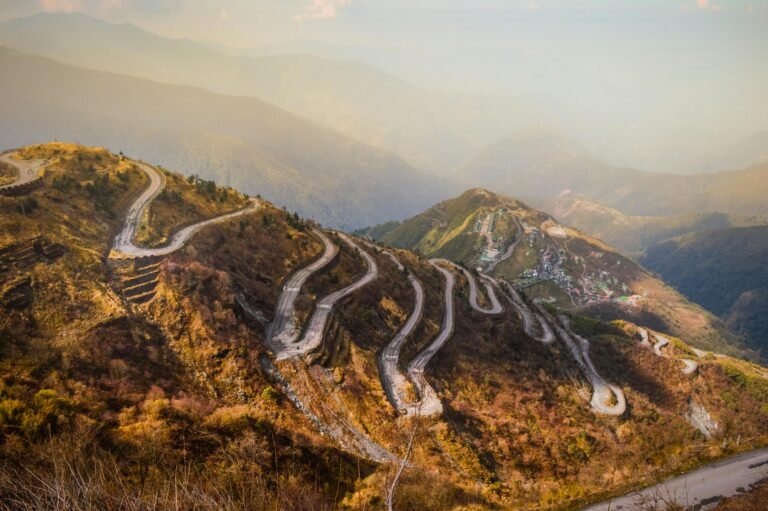
A Darjeeling to Tsomgo Lake trip is one of the most scenic mountain journeys in the Eastern Himalayas. It combines the tea garden charm of Darjeeling with the high-altitude beauty of Sikkim’s iconic glacial lake, also known as Changu Lake. The drive is long, winding, and incredibly rewarding, with changing landscapes, prayer flags, pine forests, and snow-covered views in the colder months.
Because Tsomgo Lake lies close to the Indo-China border, planning matters. Permits, weather, road conditions, and vehicle arrangements can affect the trip, so this guide covers everything you need to know before setting out from Darjeeling.
History and Importance
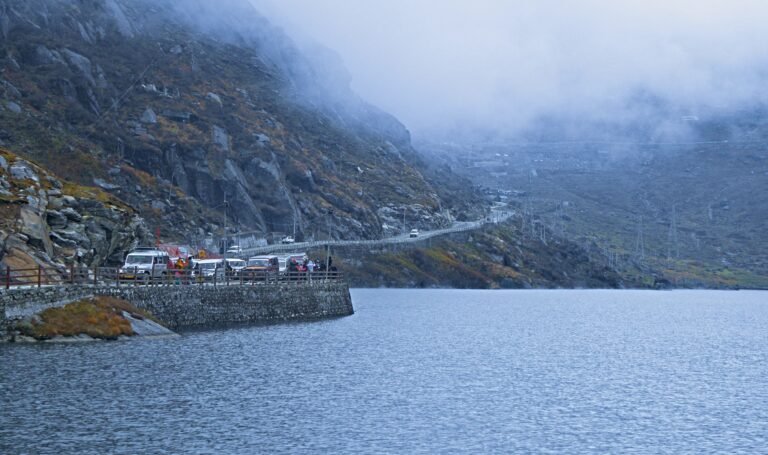
Tsomgo Lake sits at an altitude of about 3,753 meters and is considered sacred by the local communities of Sikkim. The lake is tied to folk beliefs and Buddhist traditions, and its changing colors through the seasons have made it both a spiritual and natural landmark.
For many travelers, the importance of Tsomgo Lake is not just its beauty but its atmosphere. The calm water, dramatic mountain backdrop, and high-altitude setting create a place that feels both peaceful and powerful. It is also one of the most visited natural attractions in Sikkim for visitors coming from Darjeeling, Gangtok, and beyond.
Best Time to Visit
The best time for a Darjeeling to Tsomgo Lake trip is usually from April to June and from October to early December. These months offer clearer skies, better road conditions, and wide-open mountain views.
- April to June: Pleasant weather, clear visibility, and blooming alpine surroundings.
- October to early December: Crisp air, excellent views, and a strong chance of seeing snow at higher points.
- December to February: Cold and snowy, ideal if you want a winter landscape, but roads may be icy and travel can be delayed.
- July to September: Monsoon season brings landslide risks, fog, and unpredictable road closures.
If you want the most comfortable trip, avoid the peak monsoon period and keep one buffer day in your itinerary.
How to Reach Tsomgo Lake from Darjeeling
The journey from Darjeeling to Tsomgo Lake is usually done via Gangtok. There is no simple direct public transport option to the lake itself, so most travelers use a combination of shared transport, private taxis, and local permit-based vehicles.
By Road
The drive typically takes around 5 to 7 hours, depending on weather, traffic, and road conditions. The route usually goes from Darjeeling to Gangtok, then onward to Tsomgo Lake. The total distance can vary by route, but it is generally around 110 to 125 km.
By Taxi or Private Cab
This is the most convenient option for families, couples, and small groups. A private cab gives you flexibility for stops, permits, and early departures. If you are short on time, this is the best way to manage the Darjeeling to Tsomgo Lake journey comfortably.
By Shared Transport
Shared jeeps and cabs are available on parts of the route, especially between Darjeeling and Gangtok. However, for Tsomgo Lake itself, travel is usually arranged through registered local operators because permits and mountain road access are controlled.
Permits
Permits are mandatory for visiting Tsomgo Lake. These are usually arranged by a registered travel agent or taxi operator. Carry valid government ID proof, passport-size photos if requested, and book in advance during peak travel periods.
Practical Route Tip
If you are starting in Darjeeling, an overnight stay in Gangtok often makes the trip smoother. A direct same-day Darjeeling to Tsomgo Lake trip is possible only with an early start and can feel rushed.
Top Things to Do
- Admire the lake views: Watch the water shift in color with the sky, clouds, and season.
- Take photos at sunrise or midday: The lake looks especially striking when the mountain light is clear.
- Try a yak ride: A classic local experience for visitors, especially near the lake perimeter.
- Enjoy tea and snacks: Simple stalls near the lake serve warm drinks and mountain-style refreshments.
- Combine the trip with Baba Mandir or Nathula Pass: These are common add-on stops if permits and road conditions allow.
- Walk carefully around the viewpoint areas: The high altitude and weather make short, slow walks the best way to enjoy the setting.
The best experience is unhurried. Tsomgo Lake is not a place for rushed sightseeing; it is a destination to pause, breathe, and absorb the landscape.
Nearby Attractions
- Baba Harbhajan Singh Mandir: One of the most visited stops near Tsomgo Lake, known for its spiritual significance and local legends.
- Nathula Pass: A high-altitude border pass that is often included in combined tours, subject to permits and weather.
- Kupup Lake: A beautiful high-altitude lake often included in extended East Sikkim itineraries.
- Gangtok: The main base city for Tsomgo Lake visits, with markets, monasteries, and viewpoints.
- Rumtek Monastery: A major cultural attraction in the broader Gangtok region.
If you are planning a full trip from Darjeeling, pairing Tsomgo Lake with Gangtok and nearby Sikkim highlights gives the journey more variety.
Accommodation Options
There are no standard hotel-style accommodation options right at Tsomgo Lake itself. Most travelers stay in Darjeeling, Gangtok, or nearby towns and make the lake visit as a day trip.
Best Base Stays
- Gangtok: Best for easy access to Tsomgo Lake permits, transport, and guided tours.
- Darjeeling: Ideal if your trip starts with the hill-station experience and tea garden stays.
- Near MG Marg in Gangtok: Convenient for food, shopping, and early departures.
Typical Stay Categories
- Budget stays: Clean guesthouses and homestays with basic comforts.
- Mid-range hotels: The best balance of comfort, location, and value.
- Luxury hotels: Great for honeymooners and travelers looking for mountain-view rooms and better amenities.
For a smooth Darjeeling to Tsomgo Lake itinerary, staying one night in Gangtok is often the most practical choice.
Local Food, Culture and Shopping
Local Food
The mountain regions around Darjeeling and Sikkim are known for warm, simple, and filling food. Popular choices include:
- Momos
- Thukpa
- Gundruk soup
- Churpi-based snacks
- Butter tea
- Fresh Darjeeling tea
Near Tsomgo Lake, food options are limited to small stalls and tea points, so many travelers prefer to eat well in Gangtok or Darjeeling before departure.
Culture
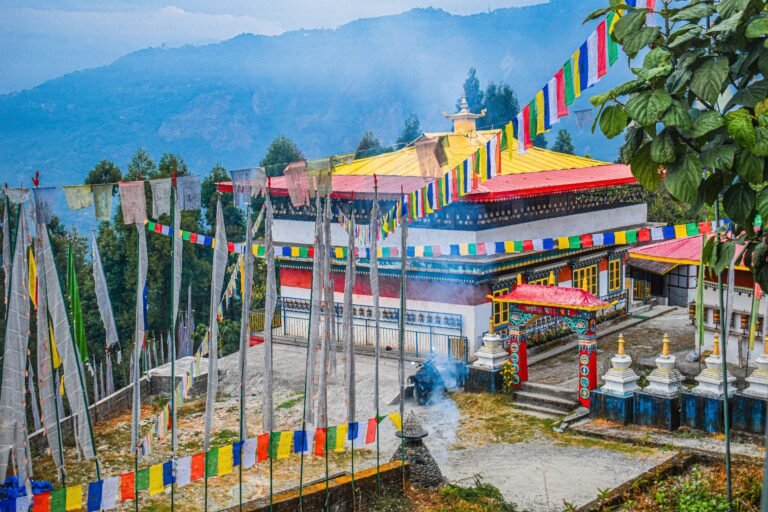
The route reflects a blend of Nepali, Lepcha, Bhutia, and Tibetan influences. Prayer flags, monasteries, roadside shrines, and local customs add character to the journey. Respect for the environment and local traditions is important, especially around sacred sites.
Shopping
Shopping is better done in Darjeeling or Gangtok than at the lake itself. Good items to look for include:
- Handmade woolens
- Tea packets from Darjeeling
- Local handicrafts
- Prayer flags and souvenirs
- Pickles, spices, and regional snacks
Estimated Travel Cost
Costs can vary widely based on season, group size, and whether you choose shared or private transport. Here is a practical estimate for planning:
- Darjeeling to Gangtok transport: Approximately INR 300 to 600 per person in shared transport, or INR 3,500 to 6,000 for a private cab.
- Gangtok to Tsomgo Lake day trip: Roughly INR 1,500 to 3,500 per person in a shared package, or more for a private vehicle depending on the group size.
- Permits and operator fees: Often included in tour packages, though service charges may apply.
- Meals: Around INR 200 to 600 per meal, depending on the restaurant or café.
- Accommodation: Budget stays usually start around INR 1,200 to 2,500 per night; mid-range stays often range from INR 3,000 to 6,000; luxury stays can go higher.
A comfortable 2 to 3 day trip from Darjeeling to Tsomgo Lake, with one night in Gangtok, can fit a wide range of budgets if planned carefully.
Travel Tips for Families, Honeymooners and Friends
General Travel Tips
- Carry a warm jacket, gloves, and layered clothing even in summer.
- Keep water, light snacks, and motion-sickness tablets if you are sensitive to hill roads.
- Start early to avoid fog, traffic, and afternoon weather changes.
- Carry valid ID proof for permits and checkpoints.
- Respect local rules, especially around the lake and protected areas.
For Families
- Choose a private cab for comfort and flexibility.
- Avoid very tight itineraries with too many stops.
- Keep children and older travelers prepared for altitude and cold air.
- Schedule breaks for tea, rest, and photography.
For Honeymooners
- Plan a one-night stay in Gangtok with a mountain-view room.
- Visit Tsomgo Lake on a clear morning for the best atmosphere and photos.
- Pack elegant but warm clothing for scenic pictures.
- Include a relaxed itinerary rather than a rushed same-day return.
For Friends
- Shared taxis and group bookings help reduce costs.
- Plan some extra time for photography and short café breaks.
- Keep cash handy because digital payments may not work everywhere.
- Check road and weather updates before leaving Darjeeling.
FAQs
Q: Can I do a same-day Darjeeling to Tsomgo Lake trip?
A: Yes, but it is usually a long and tiring day. An overnight stay in Gangtok makes the trip much easier and more enjoyable.
Q: Is a permit required to visit Tsomgo Lake?
A: Yes. Permits are mandatory and are generally arranged through a registered travel operator or taxi service using valid ID proof.
Q: What is the best season for Tsomgo Lake?
A: April to June and October to early December are the best months for clearer skies, safer roads, and good mountain views.
Q: Are there hotels at Tsomgo Lake?
A: No standard hotel accommodation is available at the lake. Most travelers stay in Gangtok or Darjeeling and visit Tsomgo Lake as a day trip.
Q: Is Tsomgo Lake suitable for families and senior travelers?
A: Yes, if the trip is planned carefully with a comfortable vehicle, warm clothing, and enough time for rest because the lake is at high altitude.
Conclusion
A Darjeeling to Tsomgo Lake journey is a memorable Himalayan experience that combines scenic road travel, high-altitude beauty, local culture, and practical mountain planning. The key points are simple: go in the right season, arrange permits in advance, stay overnight in Gangtok if possible, and keep your itinerary flexible for weather and road conditions. This guide includes the required travel details, FAQs, and navigation links for quick reference.