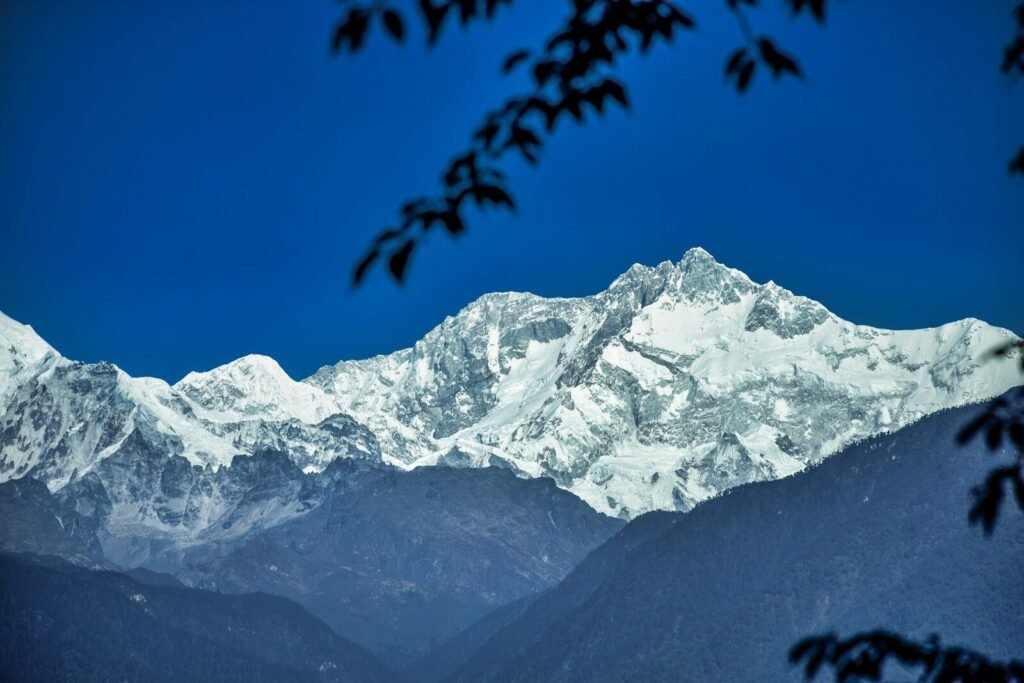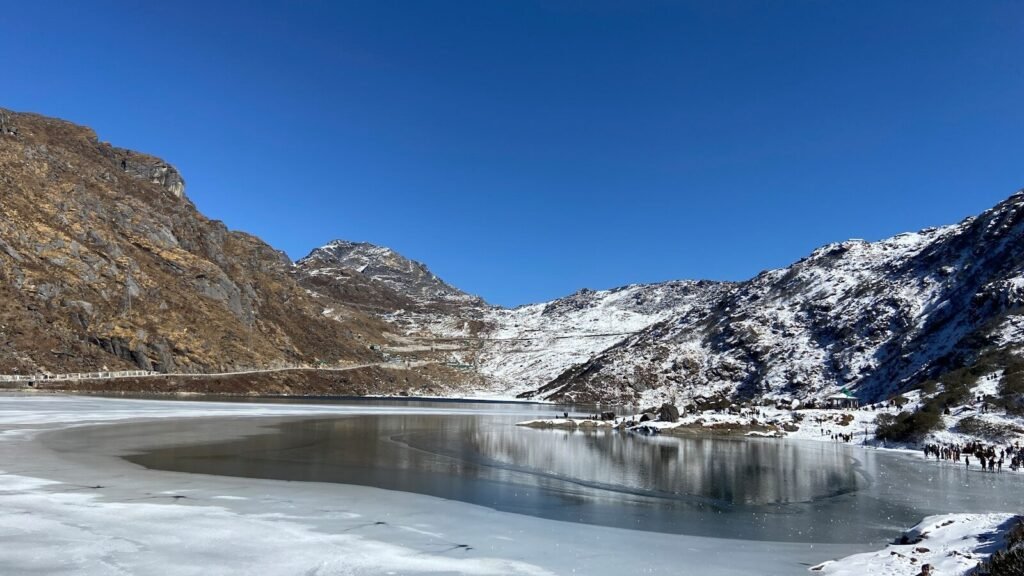

The hill regions of Darjeeling and Sikkim, straddling the eastern Himalaya, share intertwined histories that have shaped their unique tourism profiles. From colonial hill-station experiments and tea plantations to Himalayan pilgrimage, mountaineering, and contemporary eco-tourism, the story of tourism in these places is both cultural and environmental. This article traces that history, highlights turning points, and considers how past choices continue to influence tourism today.
Darjeeling, today a major hill station in the Indian state of West Bengal, entered modern records in the early 19th century when the British began to develop the area as a sanatorium and summer retreat from the plains. The cooler climate and panoramic views of the Himalaya appealed to colonial administrators and missionaries, initiating the transformation of Darjeeling into a hill-station town.
The mid-19th century saw the introduction and rapid expansion of tea cultivation. What started as experimental plantings grew into extensive tea gardens that re-shaped the hillsides and economy. Darjeeling tea emerged as a globally recognized product by the late 19th and early 20th centuries, linking the region directly to international markets and travel circuits.
The tea industry also altered demographic patterns: labourers were brought in from Nepal, Bhutan and other regions, producing a multi-ethnic workforce and communities whose cultures mixed with indigenous peoples of the hills. These social changes inform much of Darjeeling’s contemporary cultural tourism.
The completion of the Darjeeling Himalayan Railway in the late 19th century marked a pivotal moment: the so-called “Toy Train” connected Darjeeling to the plains and stimulated both trade and visitor flows. The narrow-gauge railway became an icon of hill-country travel, and in 1999 it was recognized by UNESCO as a World Heritage Site, further raising Darjeeling’s international profile.
Over the 20th century, Darjeeling evolved as a center for education, culture and political activity. Its proximity to Nepal, Bhutan and Tibet gave it a multi-layered cultural texture — Nepali, Tibetan Buddhist, Lepcha and British colonial legacies overlap in architecture, festivals and cuisine. In the post-independence era, political movements (including demands for Gorkhaland) have periodically affected tourism, but the town’s appeal as a destination for scenic views, tea tourism and cultural experiences has persisted.
Sikkim was a sovereign Himalayan kingdom under the Namgyal dynasty, established in the 17th century. Its location between Tibet and the plains of India made it strategically important. In the 19th and early 20th centuries Sikkim navigated relationships with British India and later independent India, retaining a distinct identity under the Chogyal (monarch).
The political landscape changed significantly in the 20th century: following evolving internal and external dynamics, Sikkim became an Indian state in 1975 after a referendum that ended the monarchy. This political transition opened the door to expanded infrastructure investment and broader integration into Indian tourism circuits.
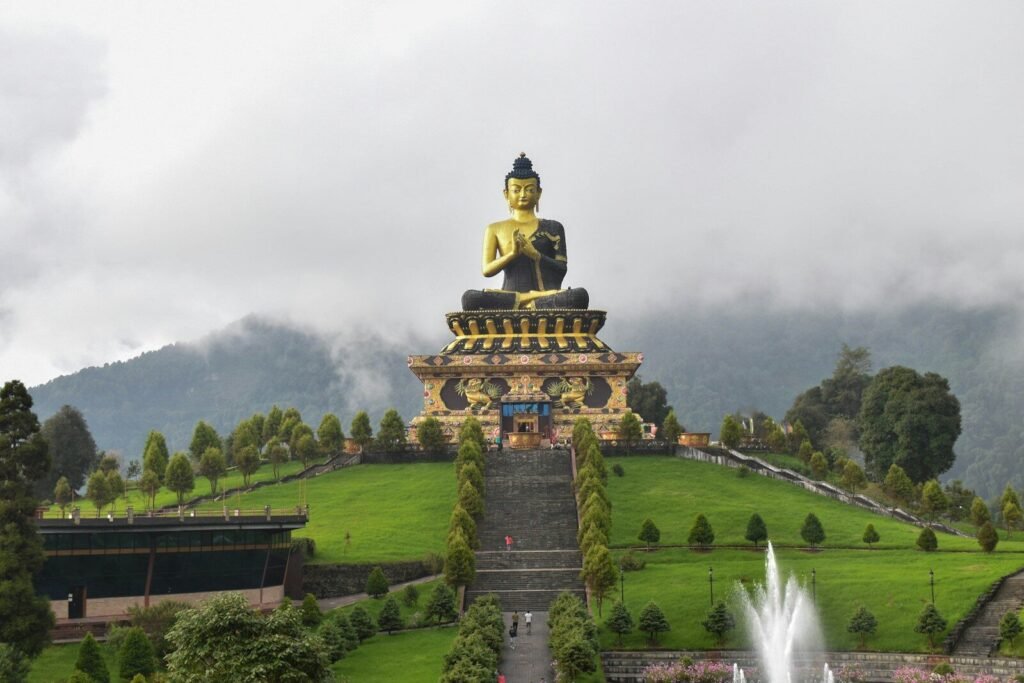
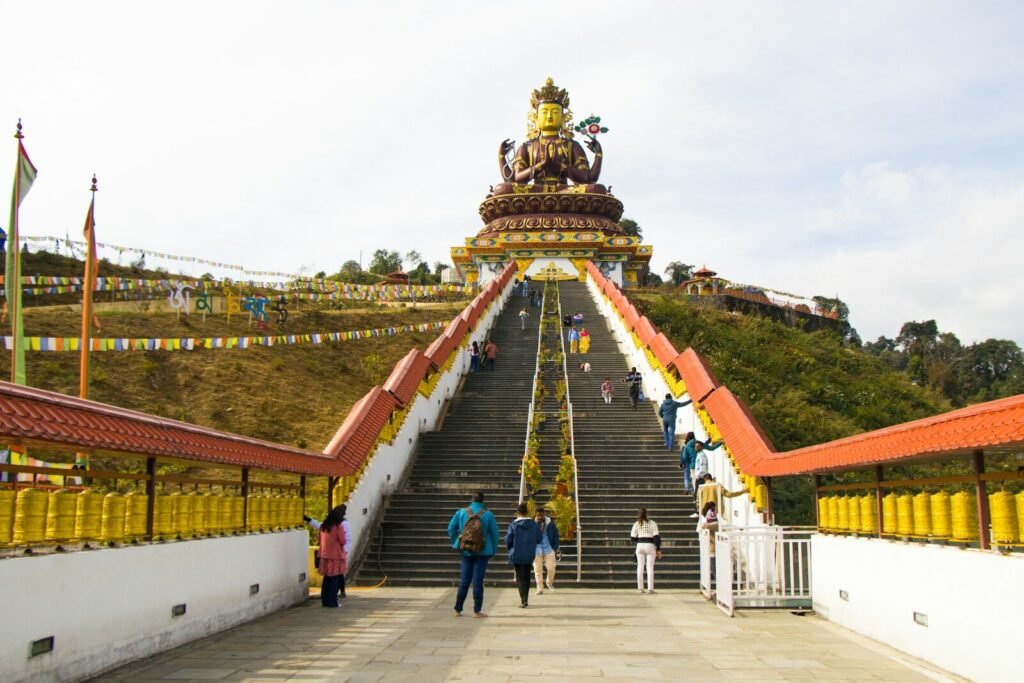
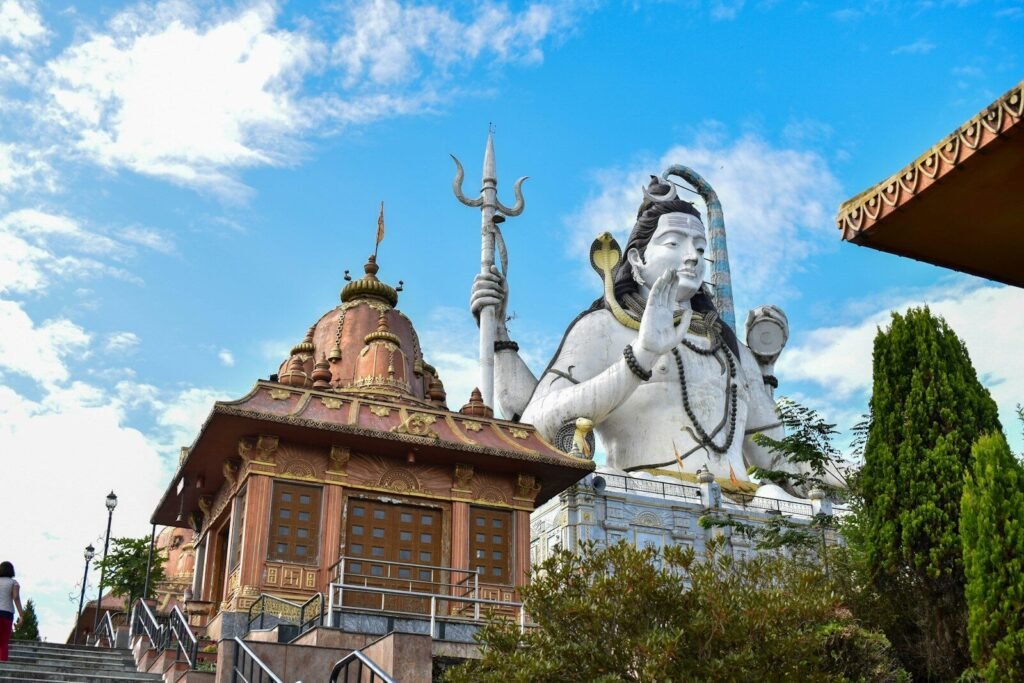
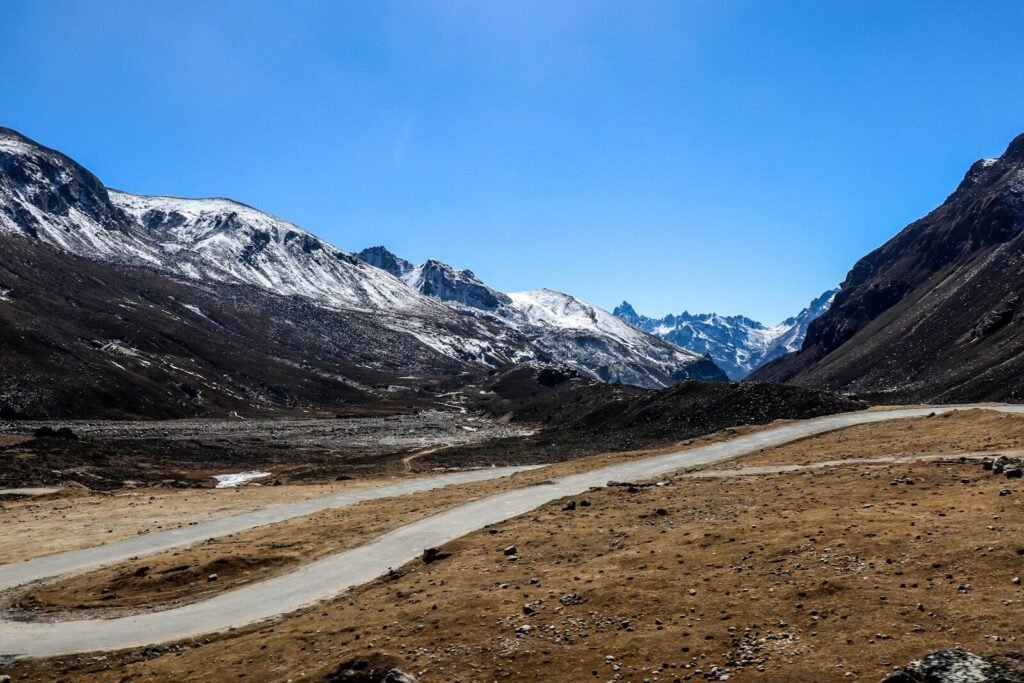
Sikkim’s tourism history is closely tied to its spiritual geography—Buddhist monasteries, pilgrimage lakes and sacred peaks attract visitors seeking spiritual and cultural experiences. The presence of Kanchenjunga (the world’s third-highest peak on Sikkim’s border) helped give the state a reputation among mountaineers, trekkers and naturalists.
The gradual opening of border passes and improvements in road and air connectivity expanded Sikkim’s tourism. A notable development was the reopening of Nathu La (on the India–China border) for trade and controlled visits in the 21st century, which increased strategic and tourist interest in the region. The establishment of Gangtok as an administrative and tourist center, and later the commissioning of Pakyong Airport in 2018, have shaped recent tourism growth.
In the 21st century, Sikkim has positioned itself as a leader in sustainable agriculture and conservation: the state achieved recognition for converting to organic agriculture (notably declared India’s first fully organic state), and has promoted responsible nature-based tourism. This policy orientation informs marketing and visitor experiences—emphasizing low-impact trekking, community homestays and cultural preservation.
Historical settlement patterns and later tourism-led development have compounded ecological vulnerabilities. Landslides, deforestation, and water-stress are recurring issues in steep Himalayan terrain. Climate change also threatens glaciers and seasonal patterns that underpin trekking and natural attractions.
The popularity of Darjeeling and accessible parts of Sikkim creates seasonal peaks that strain local infrastructure—roads, waste management, water supply and accommodation. Narrow mountain roads and growing vehicle numbers increase landslide risk and pollution.
Tourism’s economic benefits have not always been evenly distributed. Traditional livelihoods, land uses and local cultural expressions have been altered by market demands, commercialization and migration. Political instability at times has also affected visitor confidence and local economies.
Lessons from the historical arc of Darjeeling and Sikkim suggest measures that can reconcile development with conservation and cultural integrity. Effective strategies include:
The tourism histories of Darjeeling and Sikkim reveal a pattern of external interest shaped by geography, culture and political change. Colonial hill-station development, tea economies and heritage transport built the foundations of Darjeeling’s tourist identity, while Sikkim’s royal past, spiritual landscapes and recent policy choices have crafted a distinctive ecotourism orientation. Today, both regions face the challenge of honoring historical legacies while steering tourism toward sustainability and resilience. Well-planned, community-centered approaches can help preserve the landscapes and cultures that made Darjeeling and Sikkim compelling destinations in the first place.
What makes us different from other tour package companies
Our travel experts have core and intense knowledge about Sikkim sector with over 10 years of experience that will help you choose the best possible itinerary as per your requirements.
Our travel experts are just one call away during your tour to help you with any kind of immediate assistance so that your tour is a more enjoyable and hassle-free tour.
eSikkimTourPackages ensures best rates to all our esteemed guests since we have our own hotels and fleet of vehicles and drivers and there is no third-party involvement. This ensures personalized service and best rates.





















Kindly enter the details below for your Sikkim Tour Package