FAQs about Darjeeling and Sikkim — A Practical Tourism Guide
This FAQ-style article answers the most common questions travellers have about visiting Darjeeling (West Bengal) and the Indian state of Sikkim. It covers how to reach both destinations, best seasons to travel, permits and regulations, accommodation, attractions, trekking, health and safety, and useful travel tips.
Quick overview
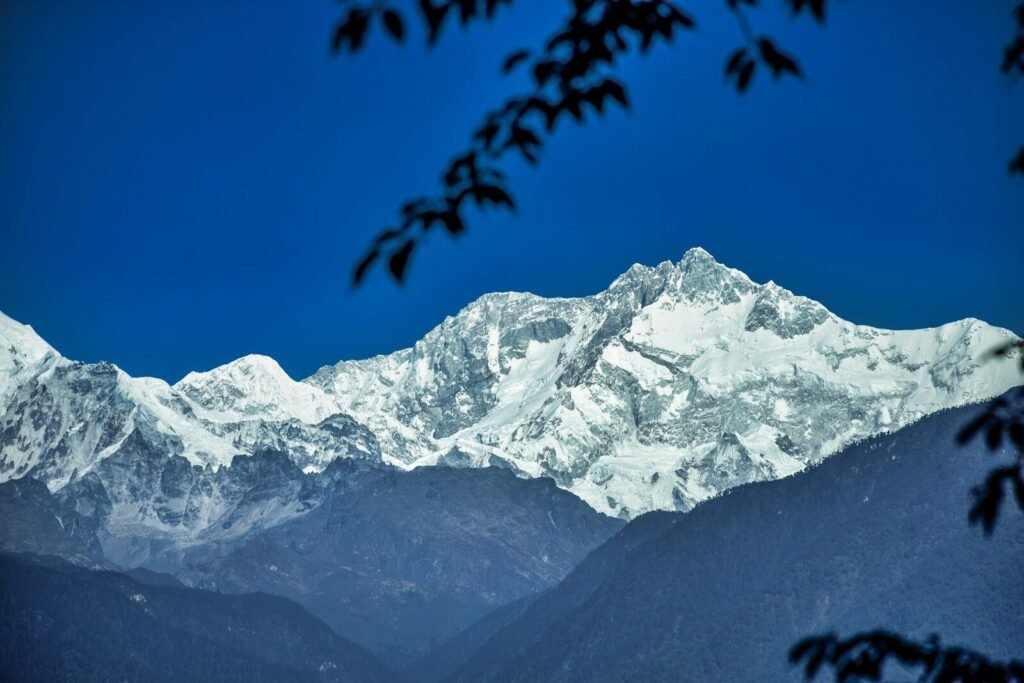
Darjeeling is a hill station known for its tea gardens, the Darjeeling Himalayan Railway (toy train), panoramic views of the Himalaya (including Kangchenjunga), and a distinct Anglo-Bengali-Nepalese cultural mix. Sikkim is a small Himalayan state famous for its Buddhist monasteries, alpine lakes, high mountain passes, biodiversity, and trekking routes.
General travel questions
1. When is the best time to visit?
Darjeeling: March–June (pleasant weather, clear views) and September–November (post‑monsoon clarity and festivals). Winters (Dec–Feb) are cold; the monsoon (June–August) brings heavy rain and landslide risk.
Sikkim: Similar pattern: March–June and September–November are best for most travel. For rhododendron blooms and high‑altitude trekking, spring (April–May) is ideal. Winter brings snow in North Sikkim and high passes.
2. How do I reach Darjeeling and Sikkim?
- By air: Bagdogra Airport (IXB) is the closest major airport for both Darjeeling and Gangtok (Sikkim). From Bagdogra it’s a 3–4 hour drive to Darjeeling and 4–5 hours to Gangtok.
- By train: New Jalpaiguri (NJP) / Siliguri Junction are the nearest major railheads. Regular taxis and shared jeeps operate from there.
- By road: Well‑connected road network from Kolkata, Siliguri and neighboring regions. Be prepared for narrow, winding mountain roads.
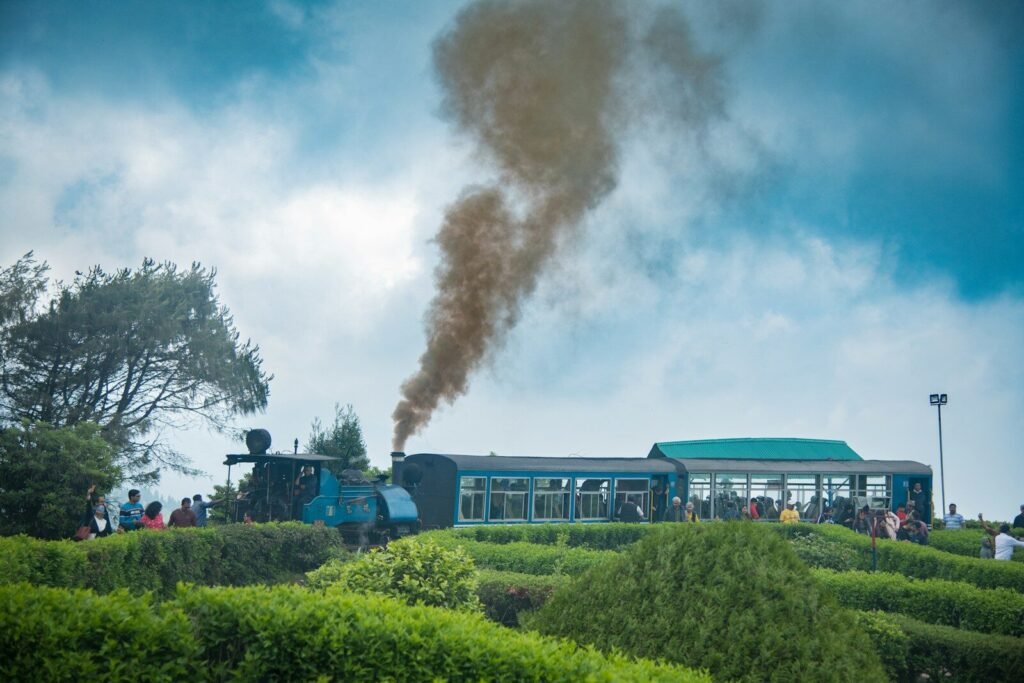
- Toy Train: The Darjeeling Himalayan Railway (a UNESCO site) offers heritage rides on the Darjeeling–New Jalpaiguri route and shorter trips within the hill town.
3. Do I need permits to visit?
Darjeeling: No special permits are needed for the town itself for Indian or foreign visitors, but certain border/army areas are restricted.
Sikkim: Most of Sikkim is accessible to Indian nationals without permits, but permits are required for restricted/border areas such as Nathula Pass, Gurudongmar Lake and for travel to North Sikkim. Foreign nationals often need Protected Area Permits (PAP) or Restricted Area Permits for some locations—rules can change, so always confirm with the Sikkim tourism office or your travel agent before travelling.
Accommodation, food and local culture
4. What types of accommodation are available?
- Budget guesthouses and hostels in Darjeeling and Gangtok.
- Mid‑range hotels and family-run homestays (great for local experiences).
- Luxury hotels and resorts (limited, mostly in Gangtok and selected spots).
- Tea bungalow stays near Darjeeling offer unique, atmospheric experiences.
5. What should I try to eat?
Local cuisine blends Nepali, Tibetan and Bengali influences. Must-try items:
- Momos (dumplings) and thukpa (noodle soup).
- Local tea — especially Darjeeling tea varieties.
- Gundruk, sel roti and other Nepali snacks; steamed/baked Tibetan breads.
- Fresh Himalayan trout in some restaurants (check sustainability and source).
6. How should I respect local culture and customs?
Both Darjeeling and Sikkim have strong Buddhist and Nepali cultural influences in places. Respect religious sites (remove shoes where required, dress modestly), ask permission before photographing people in ceremonies, and be mindful during festivals and monastery visits.
Top attractions and activities
7. What are the must-see attractions in Darjeeling?
- Tiger Hill: Famous for sunrise views of Kanchenjunga and Mount Everest (weather permitting).
- Darjeeling Himalayan Railway: Heritage toy train rides.
- Tea gardens: Factory visits and tastings at estates like Happy Valley.
- Batasia Loop and War Memorial for panoramic views and the toy train engineering marvel.
- Padmaja Naidu Himalayan Zoological Park and Himalayan Mountaineering Institute.
8. What are the top places to visit in Sikkim?
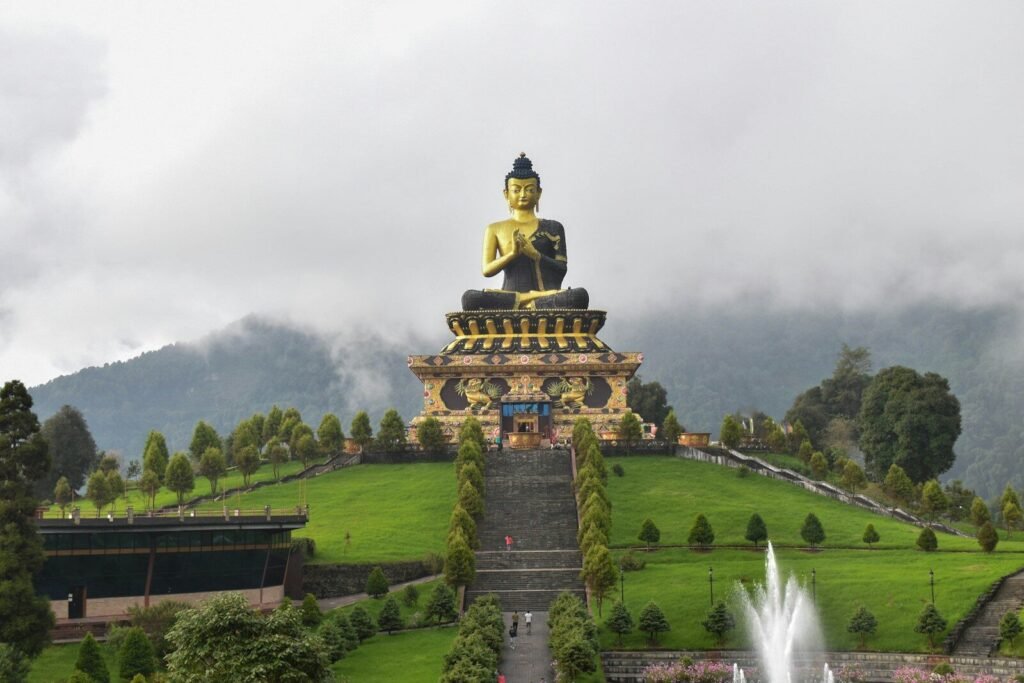
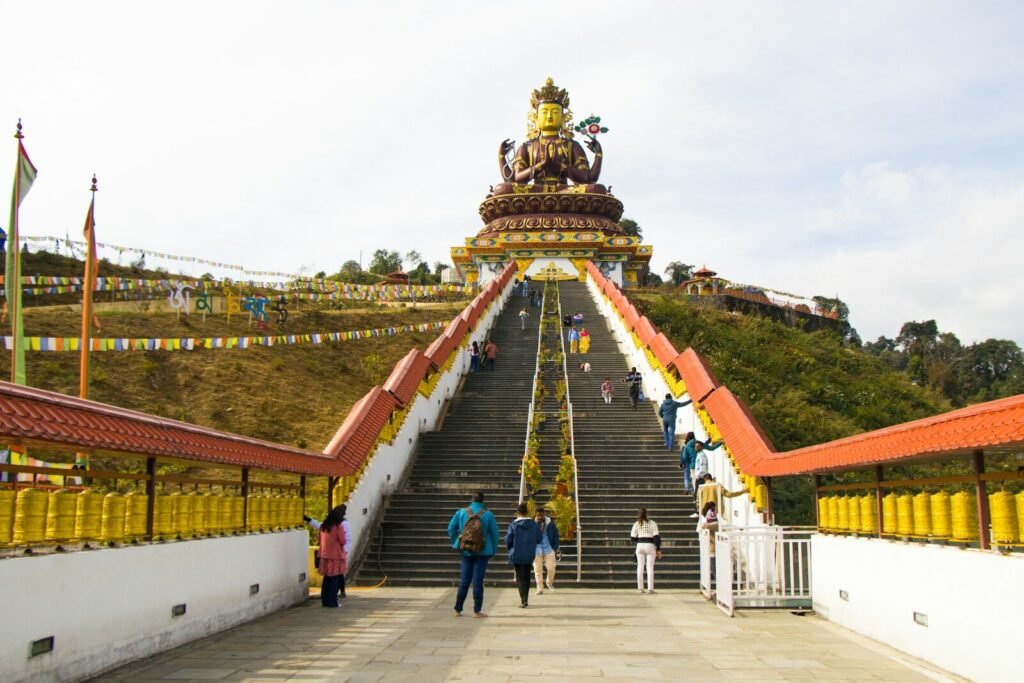
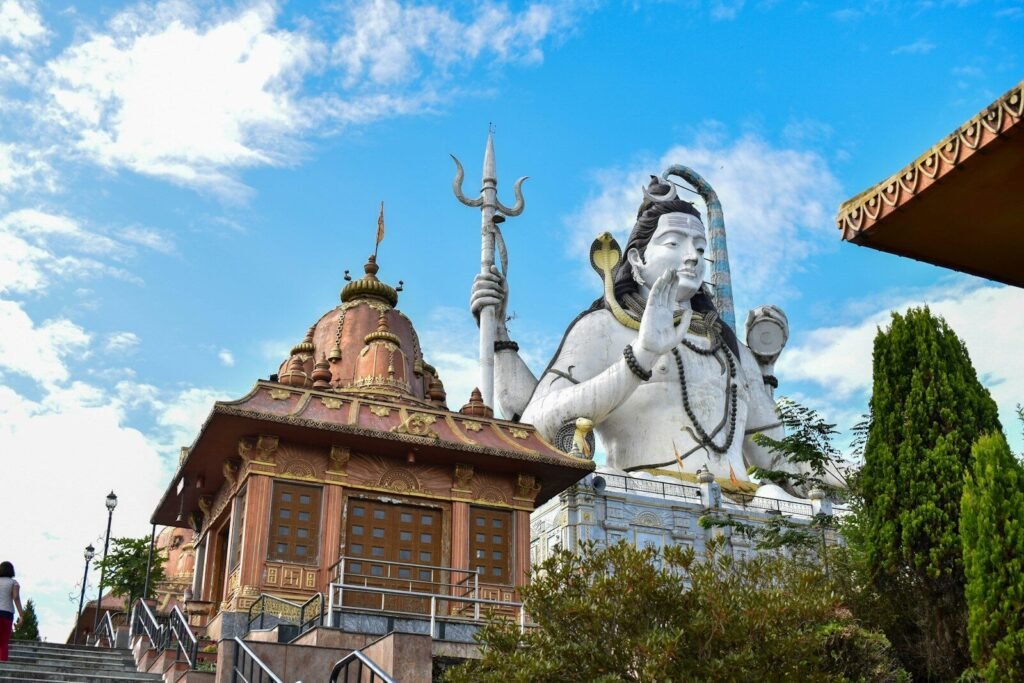
- Gangtok: MG Marg, Rumtek Monastery (one of the main Tibetan Buddhist centers), Tashi Viewpoint.
- Nathula Pass: Border pass on the Indo‑China border (requires permits and is often closed to civilians).
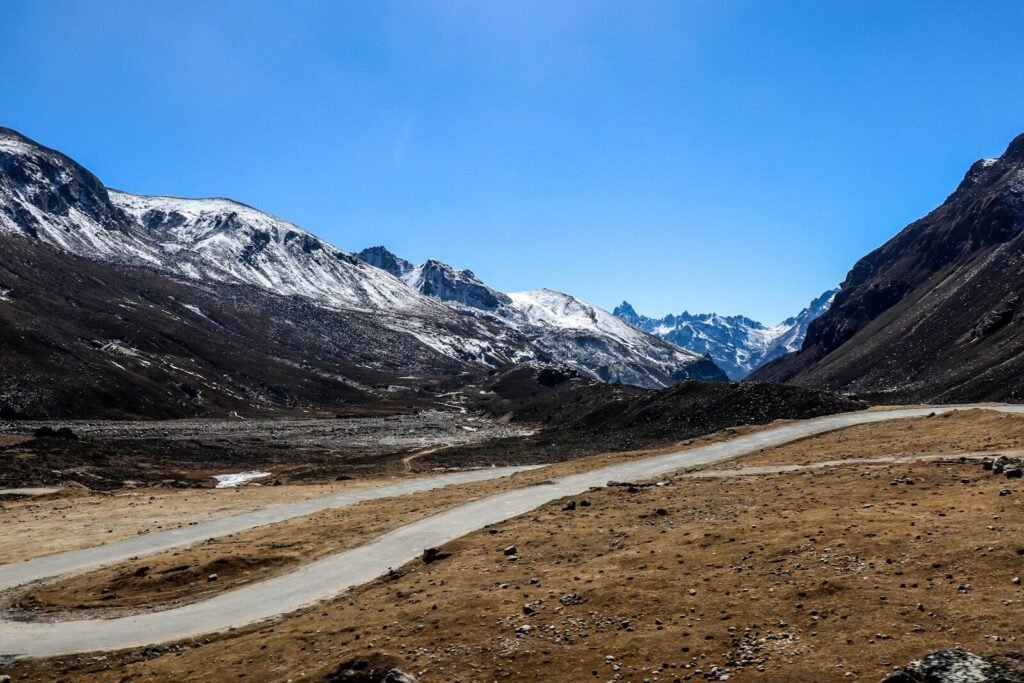
- North Sikkim: Gurudongmar Lake, Yumthang Valley (the Valley of Flowers), and Lachen/Lachung — spectacular high‑altitude scenery (permits required for many sites).
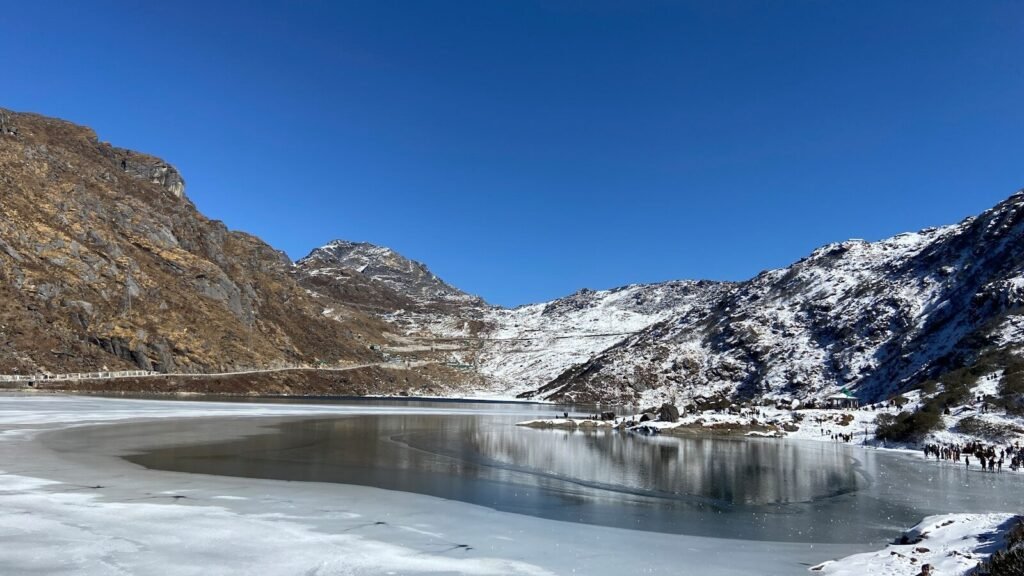
- Tsomgo (Changu) Lake: Scenic glacial lake near Gangtok.
- Trekking: Goecha La, Dzongri and many other trails (permits and proper acclimatization recommended).
Trekking, permits, and adventure travel
9. Do I need guides for treks?
For organised treks (Goecha La, Sandakphu, Sandakphu‑Phalut, etc.) hiring a local guide or joining a licensed agency is highly recommended and often mandatory for permits and safety. Guides help with route knowledge, acclimatization, logistics and permit formalities.
10. What are common trekking regulations and permits?
- Many high‑altitude treks in Sikkim require permits and registration with local authorities. Foreign nationals may face tighter restrictions.
- Sandakphu and Singalila National Park (Darjeeling district) require entry permits and park fees; trekking in official park routes is recommended.
- Always obtain permits in advance where possible and carry ID originals when trekking.
Health, altitude and safety
11. Is altitude sickness a concern?
Yes. North Sikkim, Gurudongmar Lake, and high passes (Nathula, Goecha La access points) reach altitudes where acute mountain sickness (AMS) can occur. To reduce risk:
- Acclimatize gradually — spend a day or two at intermediate altitude (e.g., Gangtok/Lachen) before ascending further.
- Stay hydrated, avoid heavy exercise on arrival, and limit alcohol.
- Consider consulting a doctor about prophylactic medication (e.g., acetazolamide) if you have a history of AMS or plan rapid ascents.
- Know symptoms (headache, nausea, breathlessness) and descend promptly if they worsen.
12. What health precautions should I take?
- Carry a basic first‑aid kit and any personal medications.
- Tap water in hill towns is often not reliably potable — use bottled or treated water.
- Vaccinations: follow routine immunisations; special vaccines aren’t typically required just for these destinations. Check health advisories for any outbreaks before travel.
Practical tips and legal matters
13. How much cash should I carry and are cards widely accepted?
Card acceptance in larger hotels, restaurants and shops in Gangtok and Darjeeling is common, but many small shops, mountain lodges and rural areas are cash‑only. Carry sufficient Indian rupees for remote stretches and small purchases; ATMs are available in towns but may be sparse in high‑altitude regions.
14. Is mobile and internet coverage reliable?
Coverage is good in towns (Gangtok, Darjeeling), patchy on mountain roads, and often limited in remote valleys and higher altitudes. Plan accordingly for navigation and emergency communication.
15. Are there any travel restrictions or safety concerns to be aware of?
Both regions are generally safe for tourists. However:
- Monitor weather and road conditions during monsoon (landslides) and winter (snow blocking passes).
- Respect restricted military areas and follow local/army instructions—access may be prohibited near borders.
- Check up‑to‑date permit rules and local advisories from official tourism offices before travel.
Shopping, souvenirs and etiquette
16. What should I buy as souvenirs?
- Darjeeling tea (loose leaf varieties) and tea paraphernalia.
- Tibetan and Nepali handicrafts: carpets, prayer wheels, thangkas, silver jewellery.
- Local woollens, handicraft items and organic produce from markets.
17. Any tips on bargaining and local markets?
Bargaining is common in local markets and small shops; in fixed‑price stores and branded outlets prices are usually non‑negotiable. Be polite and friendly; prices are often negotiable for multiple purchases.
Sample short itineraries
18. 3–4 day sample for Darjeeling
- Day 1: Arrive (Bagdogra/NJP) → Drive to Darjeeling, relax and explore MG Market.
- Day 2: Sunrise at Tiger Hill, Batasia Loop, tea garden visit, HMI & zoo.
- Day 3: Toy train ride / explore local monasteries, shopping; depart or add extra day for nearby treks.
19. 4–6 day sample for Sikkim (Gangtok + North Sikkim highlights)
- Day 1: Arrive Bagdogra/NJP → Drive to Gangtok (acclimatize).
- Day 2: Local Gangtok sightseeing: Rumtek, MG Marg, viewpoints.
- Day 3–4: Excursion to Tsomgo Lake and Baba Mandir or proceed to Lachen/Lachung for Yumthang Valley (permits may be required).
- Day 5–6: Visit Gurudongmar (if permitted) or return to Gangtok and depart.
Final recommendations
20. Any final practical advice before I travel?
– Plan permits and high‑altitude visits well in advance.
– Hire local guides for treks and restricted‑area visits.
– Carry valid ID copies and carry cash for remote areas.
– Always check current local rules and weather updates before departure; regulations and access can change seasonally or for security reasons.
Where to get official updates
For the latest rules on permits, road conditions, and tourism advisories, consult the official state tourism departments (Sikkim Tourism, West Bengal tourism) or a reputable local travel agent before you travel.
If you have specific questions — e.g., exact permit procedure for a particular trek, recommended local guides, or a customized itinerary — tell me your travel dates and interests and I can help plan it.