Things to Do at Banjhakri Falls, Gangtok — A Tourist’s Guide
Introduction
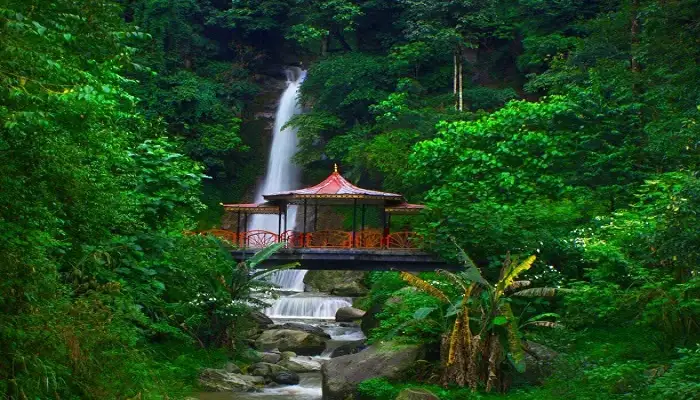
Banjhakri Falls is one of the most popular natural attractions near Gangtok, Sikkim. The site combines a scenic waterfall with a landscaped park, sculptures inspired by local shamanic (Banjhakri) folklore, and short walking trails through native vegetation. It is ideal for travelers seeking nature, culture, photography and a peaceful half-day outing from Gangtok.
Quick Facts
- Location: A short drive from central Gangtok (approximately a 10–15 minute drive depending on traffic).
- Typical visiting duration: 1–2 hours for a relaxed visit; longer if combining with a picnic or extended walk.
- Park features: Waterfall, landscaped gardens, interpretive sculptures, wooden bridges, stone steps, small amphitheatre, children’s play area and viewpoints.
- Best for: Families, solo travelers, photographers, nature lovers, and anyone interested in local folklore.
Best Time to Visit
Seasonal recommendations
- Spring (March–May): Pleasant weather, blooming rhododendrons and clear views.
- Autumn (September–November): Clear skies and comfortable temperatures — one of the best periods for sightseeing around Gangtok.
- Monsoon (June–August): The waterfall is powerful and dramatic, but paths can be slippery and some areas muddy; exercise caution.
- Winter (December–February): Chilly mornings and occasional fog — quieter than peak season, with crisp air and fewer crowds.
How to Reach
From Gangtok city centre
The falls are reachable by taxi, rented car or as part of a guided tour. Shared local transport and cabs are commonly available from MG Marg and main hotels. If you are staying in Gangtok, a morning or late-afternoon trip is easy to arrange.
Travel tips
- Confirm the exact drop-off point with the driver — the entry to the park is usually well signposted.
- If hiring a taxi for half or full day, you can combine Banjhakri Falls with nearby viewpoints and monasteries.
Main Things to Do
1. Enjoy the waterfall and park
The central attraction is the cascade itself. Walk the paved paths and vantage points to appreciate the falls from several angles. The landscaped gardens make for a relaxing stroll.
2. Explore the cultural sculptures and folklore displays
The park includes statues and installations depicting the Banjhakri (a shamanic spirit in local folklore) and other cultural elements — a good opportunity to learn about Sikkimese and Nepali shamanic traditions and the role of the Banjhakri figure in local stories.
3. Photography
- Waterfall shots: Use slow shutter speeds (if you have the kit) to capture silky water; include foreground rocks and foliage for depth.
- Portraits: The sculptural backdrops and wooden bridges create attractive settings for portrait photos.
- Golden hour: Early morning or late afternoon gives the best soft light for landscape and people shots.
4. Short nature walks & birdwatching
The park is planted with local trees, shrubs and flowering plants that attract birds and butterflies. Walk slowly and bring binoculars if you enjoy birdwatching.
5. Picnic and relaxation
There are grassy areas and benches where you can relax or have a small picnic. Carry a picnic blanket and keep the area clean — follow the park’s rules on littering.
6. Family activities and children’s play area
The park is family-friendly with safe paved paths and a small children’s play area; it’s a pleasant spot for families to unwind outside the city bustle.
7. Combine with nearby sightseeing
Many visitors include Banjhakri Falls as part of a half-day loop with attractions like Hanuman Tok, Do Drul Chorten, Enchey Monastery and the MG Marg area. Ask your driver or guide for a recommended route.
Practical Information
Opening hours and fees
- Typical opening hours: The park is generally open during daylight hours (commonly around 9:00 AM to 5:00 PM) — confirm locally before visiting.
- Entry fee: A small nominal fee is usually charged for park maintenance; prices change occasionally, so check current rates at the gate.
Facilities
- Toilets near the park entrance (basic facilities).
- Small stalls or tea shops may be available close by; options are limited compared with central Gangtok.
- Benches, paved trails and viewing platforms.
Accessibility and fitness
Paths are mostly paved but there are steps and uneven sections to reach certain viewpoints. Visitors with mobility issues should expect limited access to every vantage point; wheelchair access is partial. Wear comfortable, grippy footwear.
Safety and Environmental Tips
- Stay on marked trails: Avoid venturing close to slippery rock edges around the waterfall.
- Footwear: Use shoes with good traction, especially in monsoon season.
- Weather: Carry a light rain jacket during the rainy months and warm layers in winter.
- Respect nature: Don’t litter, don’t disturb wildlife, and avoid picking plants.
- Local rules: Follow signboards and park staff instructions — these help preserve the site and keep visitors safe.
Packing Checklist
- Comfortable walking shoes
- Light raincoat or umbrella (monsoon/uncertain weather)
- Camera, extra batteries or powerbank
- Water bottle and small snacks
- Binoculars for birdwatching
- Reusable bag for any trash
Suggested Half-Day Itinerary
- 08:30–09:30: Depart central Gangtok and reach Banjhakri Falls early to avoid crowds and enjoy soft morning light.
- 09:30–11:00: Walk the park, see the waterfall, visit statues and take photos.
- 11:00–11:30: Tea/snack break near the park or head back toward Gangtok for lunch.
- Afternoon: Combine with Hanuman Tok or Do Drul Chorten if you have a hired car or guided tour.
Nearby Attractions
- Hanuman Tok — a hilltop temple with panoramic views.
- Do Drul Chorten — a large and important stupa near Gangtok.
- Rumtek Monastery — a major monastery slightly farther out; often combined on a longer day trip.
- MG Marg — Gangtok’s central pedestrian market for food, shopping and nightlife.
Final Tips
- Local guides: Hiring a local guide for a half-day can enrich the visit with folklore and context about the Banjhakri legends.
- Cash: Carry small change for entry fees and roadside stalls as card acceptance may be limited.
- Respect local culture: The park has cultural displays — treat them respectfully and read the information panels to understand the local stories.
Conclusion
Banjhakri Falls is an accessible and rewarding outing from Gangtok that blends natural beauty with cultural storytelling. Whether you want a peaceful walk, photography opportunities, or a family picnic, the park offers an easy, scenic experience that complements the broader attractions of Sikkim. Plan your timing, follow safety guidelines, and allow an hour or two to fully enjoy the site.