Ravangla, a small but increasingly prominent hill town in the Indian state of Sikkim, has evolved from a quiet mountain settlement into a well-known tourism hub. Its history is shaped by indigenous Himalayan cultures, Buddhist monastic traditions, strategic geographical location on the Maenam ridge, and more recent waves of infrastructure development and conscious tourism planning. This article traces Ravangla’s historical layers and examines how those layers inform its present role as a tourist destination.
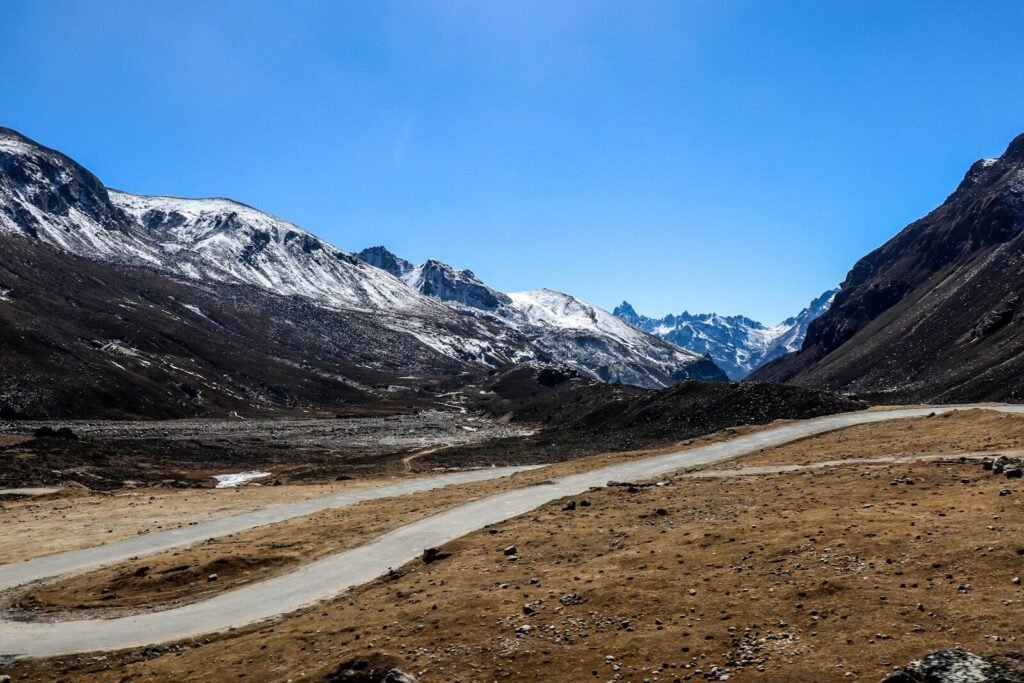
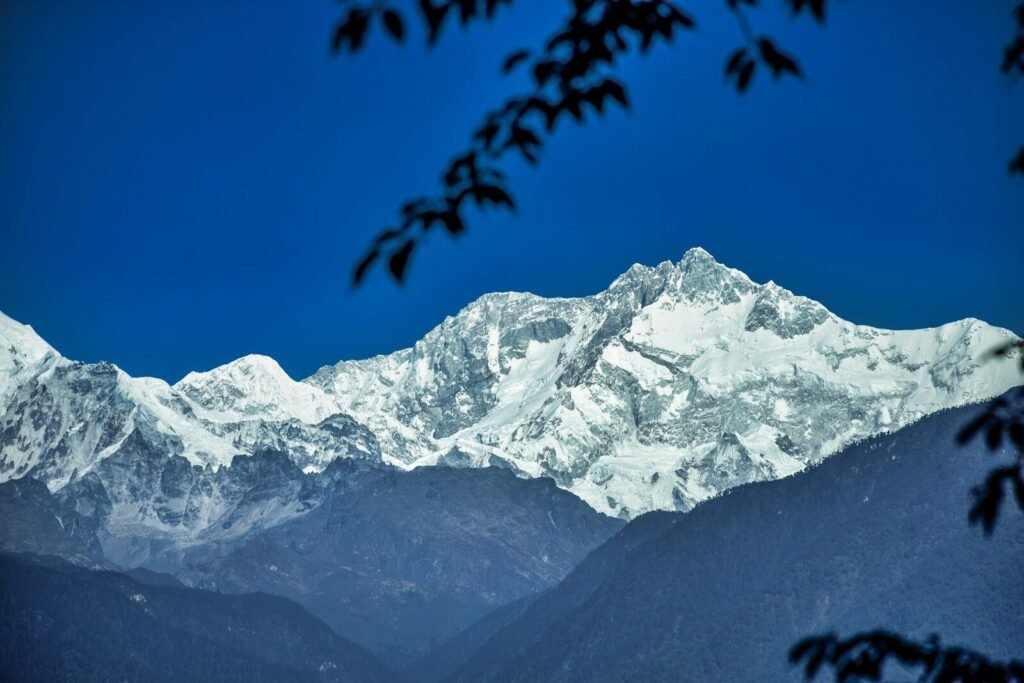
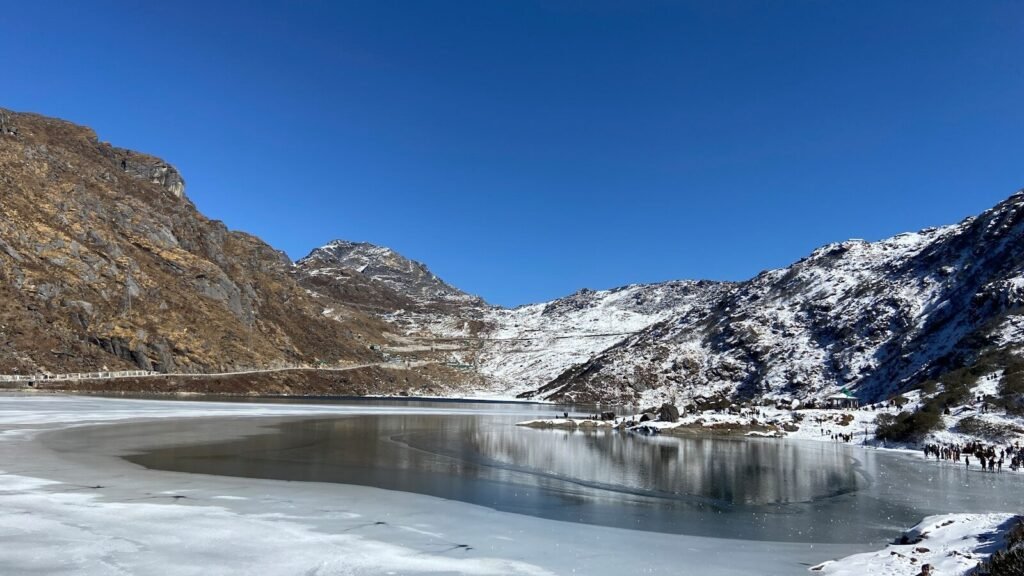
Ravangla sits in South Sikkim amid rolling ridges and dense rhododendron forests. From its vantage points visitors can enjoy panoramas that include the Maenam range and, on clear days, snowcapped peaks of the Greater Himalaya. The town is embedded in the cultural landscape of Sikkim: Tibetan-Bhutanese-Nepalese influences, Buddhist monastic life, and local rural livelihoods have all contributed to its character.
The earliest historical identity of the area around Ravangla was primarily rural and monastic. Nearby monasteries and hermitages acted as religious, educational, and social centers for local communities long before tourism took root. Monastic networks in Sikkim played a central role in shaping social norms, land use, and pilgrimage circuits in the region.
Several monasteries near Ravangla — some with deep historical roots — became magnets for pilgrims and lay devotees. These institutions preserved art, ritual, and scriptural traditions and influenced local festivals and calendars. Monasteries also acted as custodians of mountain trails and meditation sites on nearby ridges, which later became trekking routes for visitors.
Sikkim’s incorporation into broader political and economic networks during the 19th and 20th centuries introduced new transport links and administrative structures, though Ravangla remained comparatively isolated and pastoral for much of that period. Contacts with traders, travelers, and administrators helped bring new crops, technologies, and ideas, but the town’s landscape and Buddhist cultural imprint remained dominant.
From the latter half of the 20th century, Sikkim’s integration with India and improved road access gradually opened previously remote areas to visitors. Ravangla’s scenic vantage points, pleasant climate, and proximity to significant cultural sites positioned it to attract travelers seeking a quieter alternative to more crowded Himalayan resorts.
Road-building, telecommunications, and better public services made Ravangla reachable to a wider audience. As accommodations, eateries, and small businesses developed, the town began catering more seriously to guests. Local entrepreneurs and state tourism departments gradually promoted Ravangla as part of Sikkim’s broader strategy to diversify destinations beyond the historic centers.
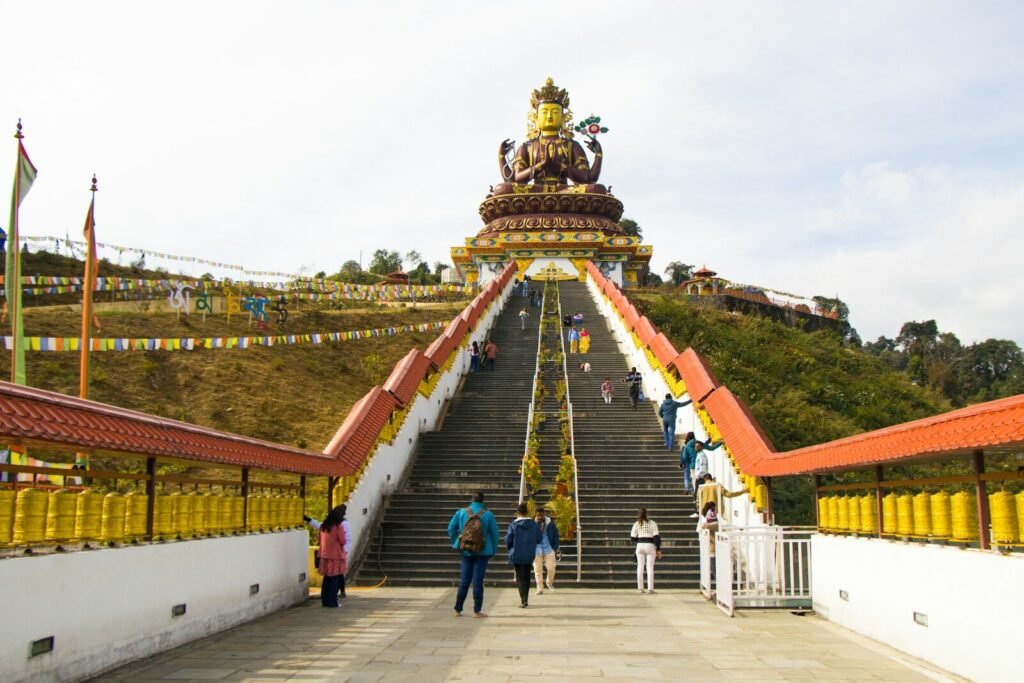
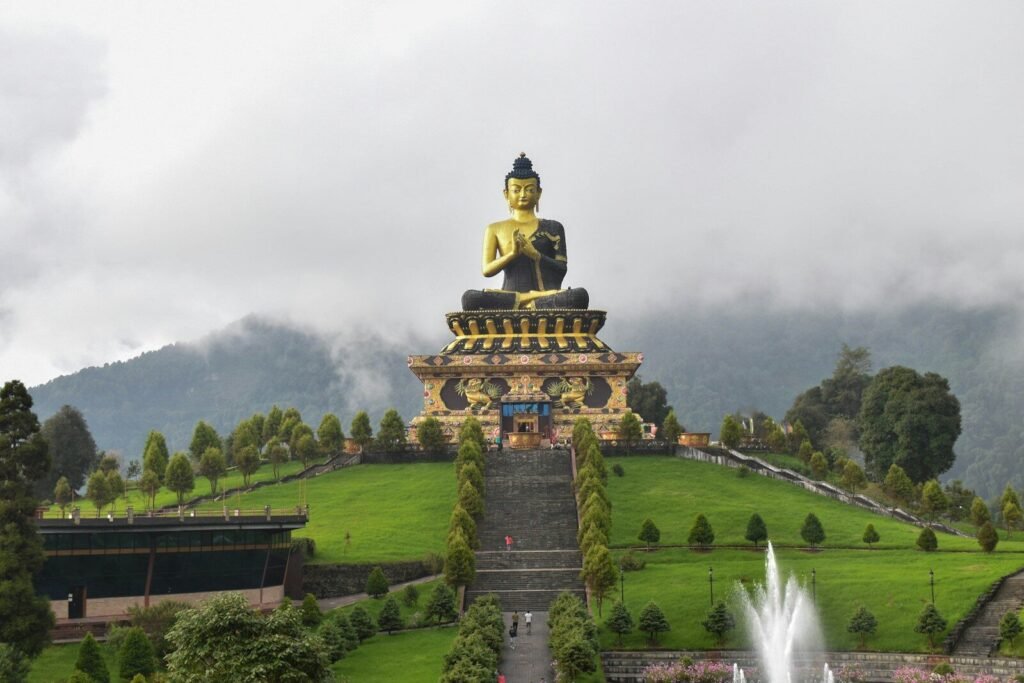
A defining moment in Ravangla’s recent history was the establishment of prominent attraction sites that gained national and international attention. A large seated Buddha and the landscaped Tathagata Tsal (often referred to as Buddha Park) transformed the town into an important pilgrimage and sightseeing destination. These developments anchored Ravangla’s modern tourism identity as a place of spiritual reflection, scenic beauty, and cultural experience.
Tathagata Tsal has become emblematic of contemporary Ravangla. The monument and surrounding landscaped gardens attract pilgrims, casual visitors, and photographers. Beyond its visual prominence, the park is a vantage point for sunrise and mountain views and hosts religious ceremonies and cultural programs that draw seasonal visitors.
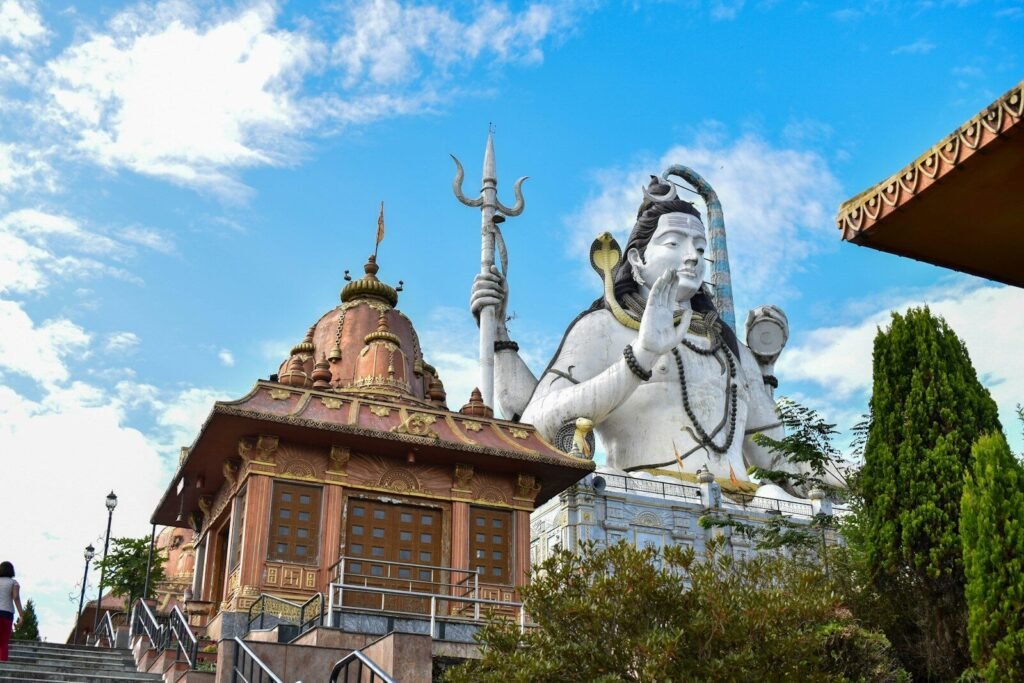
The area’s monasteries, some historic and some newly revived, continue to be focal points for local devotion and cultural performance. Visitors often combine monastery visits with opportunities to observe rituals, purchase religious art, or participate in festivals and teachings.
Maenam Hill and the adjoining protected areas form the natural spine of Ravangla’s tourism draw. The Maenam ridge provides short treks, birdwatching (including highland and migratory species), rhododendron viewing in spring, and peaceful forest walks. The landscape’s biodiversity and scenic ridgelines are central to eco- and nature-based tourism.
Ravangla’s markets and nearby agricultural landscapes allow visitors to experience Sikkimese rural life. Tea gardens in the region, traditional homestays, and local artisans selling handicrafts contribute to a tourism offering that balances spiritual and nature experiences with cultural immersion.
Tourism in Ravangla has followed a pattern of steady, locally-driven growth rather than rapid mass commercialization. This has produced both opportunities and challenges for the community:
Local communities, NGOs, and the Sikkim government have explored models of sustainable tourism: promoting homestays, low-impact trekking, interpretation centers, and community-led conservation. These efforts emphasize keeping benefits local, reducing ecological footprints, and preserving cultural integrity.
Ravangla complements Sikkim’s portfolio of destinations — from the capital’s monasteries and cultural sites to high-altitude treks and border regions. Because it is relatively accessible and offers a mix of mountain views, spirituality, and nature activities, Ravangla functions well as a stopover or a relaxed base for exploring South Sikkim.
Tourism in Ravangla is distinctly seasonal: spring and autumn are peak periods for rhododendron blooms and clear mountain views; winter attracts those seeking quiet and crisp hill-weather experiences. The town’s visitor profile ranges from domestic pilgrims and families to international nature enthusiasts and photographers.
As Ravangla continues to welcome more visitors, several priorities will shape its future:
If guided by sustainable principles and community leadership, Ravangla’s tourism can continue to grow while preserving the natural and cultural traits that made it attractive in the first place.
Ravangla’s history — rooted in monastic life, mountain ecology, and gradual integration into broader transport and economic systems — provides the foundation for its modern identity as a tourist destination. Its combination of spiritual sites, scenic ridgelines, biodiversity, and welcoming local communities makes it a compelling stop for travelers in Sikkim. The challenge and opportunity ahead lie in managing growth so that tourism reinforces, rather than diminishes, the very qualities that make Ravangla unique.
For travelers: plan visits in clear-season months for the best mountain views; respect monastic norms (photography and dress codes); consider homestays and local guides to support community incomes. For planners and scholars: Ravangla is an informative case study in how small Himalayan towns negotiate cultural preservation, biodiversity protection, and tourism-led development.
What makes us different from other tour package companies
Our travel experts have core and intense knowledge about Sikkim sector with over 10 years of experience that will help you choose the best possible itinerary as per your requirements.
Our travel experts are just one call away during your tour to help you with any kind of immediate assistance so that your tour is a more enjoyable and hassle-free tour.
eSikkimTourPackages ensures best rates to all our esteemed guests since we have our own hotels and fleet of vehicles and drivers and there is no third-party involvement. This ensures personalized service and best rates.















Kindly enter the details below for your Sikkim Tour Package