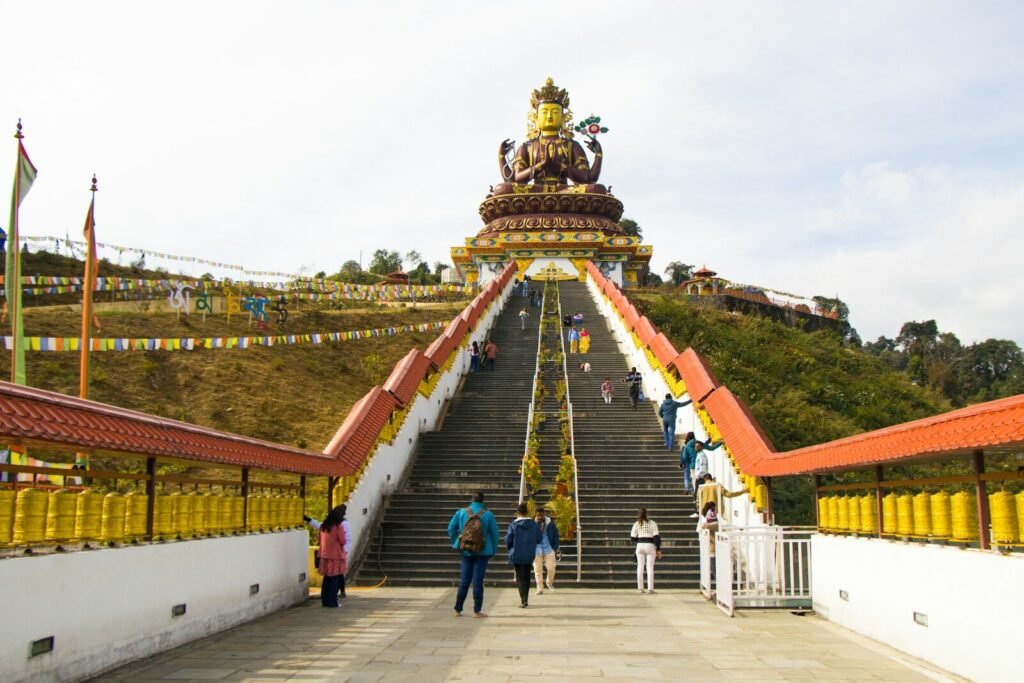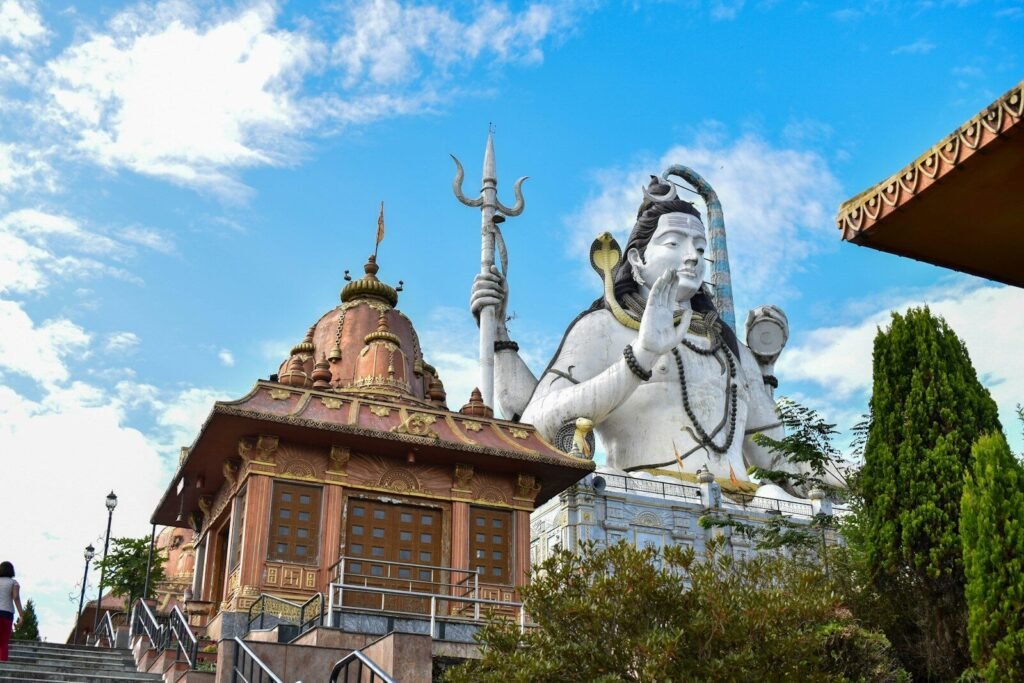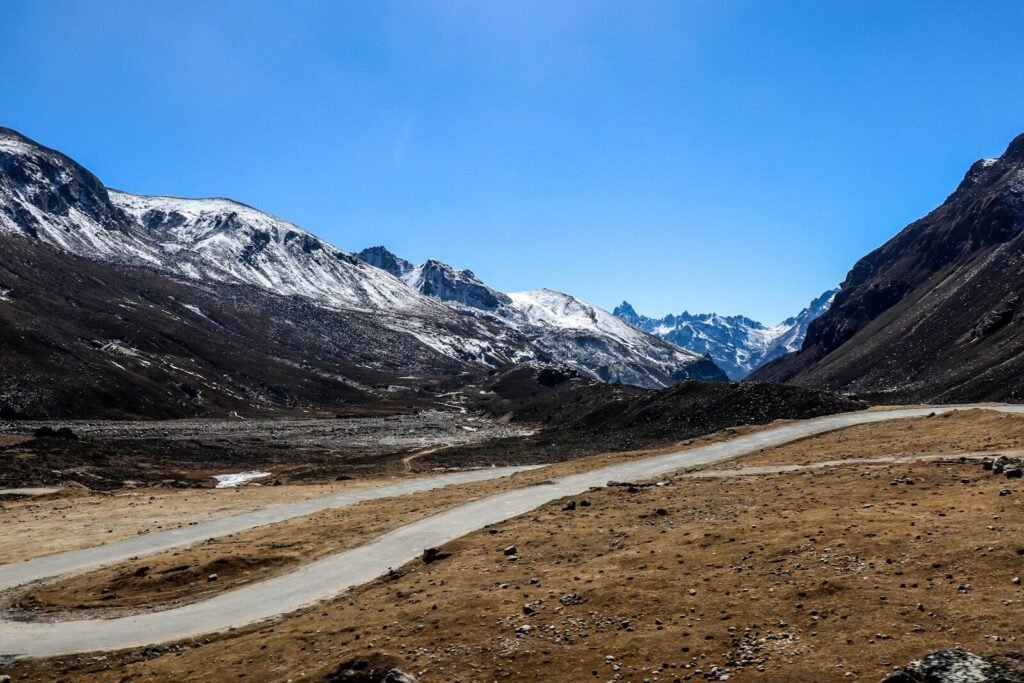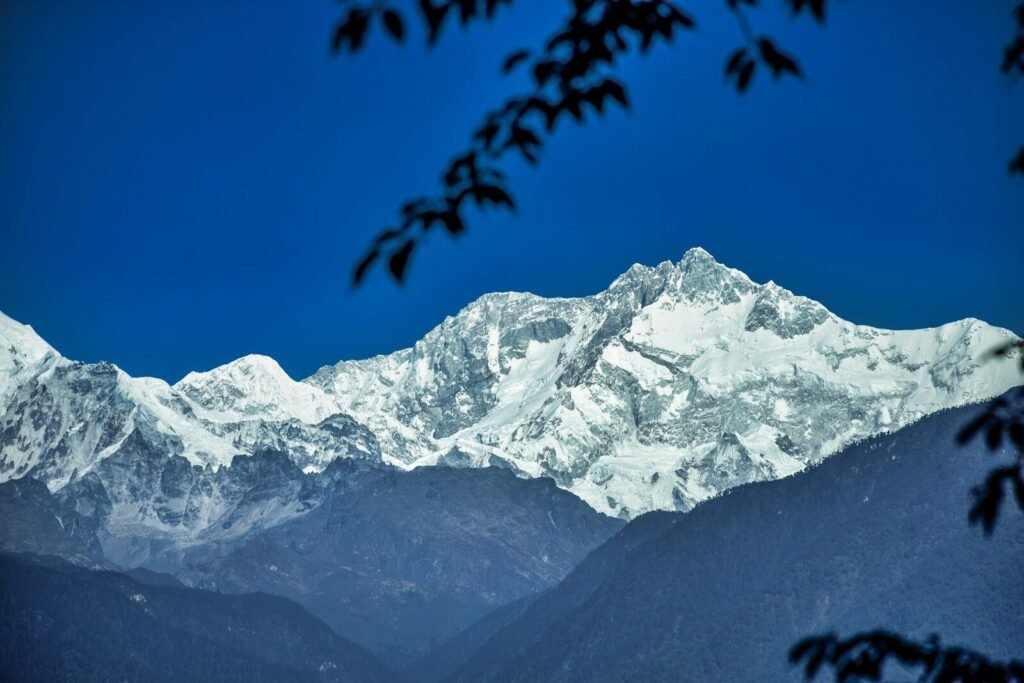
Ravangla (also spelled Ravangla) is a tranquil hill town in South Sikkim situated at roughly 2,200–2,300 meters above sea level. Surrounded by pine and rhododendron forests and offering magnificent views of the Kanchenjunga range, it is an ideal base for nature lovers, birdwatchers, photographers and trekkers. Choosing the right time to visit significantly affects what you experience—scenic views, weather, festivals, and accessibility.
Visibility: Mountain views — especially of Kanchenjunga — are highly dependent on clear skies. Autumn and spring deliver the best visibility.
Activities: Trekking, nature walks and birdwatching are easiest in spring and autumn. Winter offers snow-trekking opportunities but needs more preparation. Monsoon limits outdoor activities due to slippery trails and restricted road access.
Flora & Fauna: Spring brings rhododendron blooms and increased bird activity; monsoon regenerates greenery but obscures flowers and views.
Weather: Cold, daytime 6–12°C, nights near or below freezing in cold snaps.
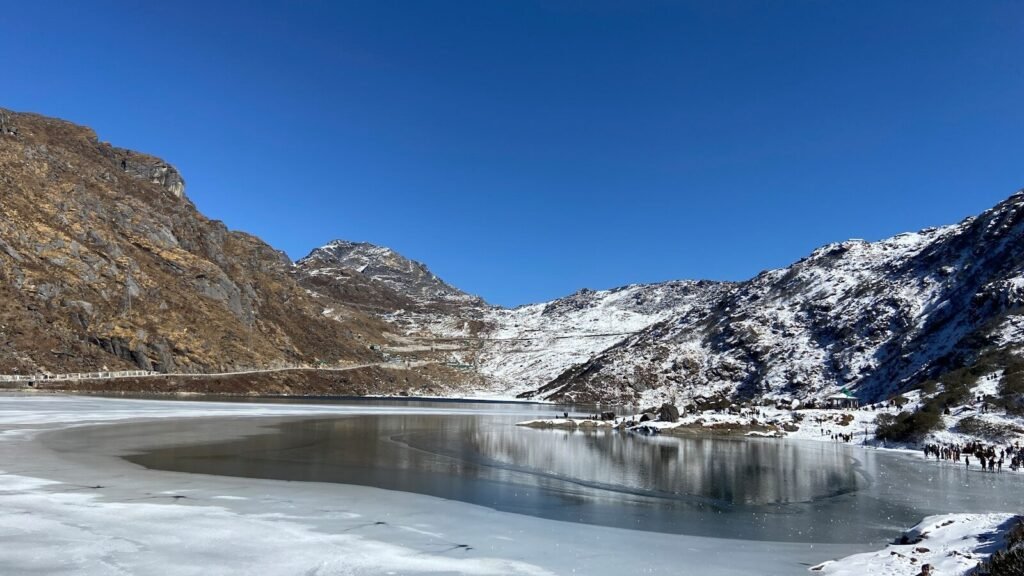
Highlights: Snowfall is possible (usually late December–January), very calm, clear mornings on cold days.
Suitable for: Travelers seeking a quiet stay, snow experiences, photography of frosty landscapes.
Weather: Mild and pleasant; daytime 10–20°C, cooler nights.
Highlights: Rhododendron blooms (March–April in higher hills), lush meadows, ideal trekking conditions, abundant birdlife.
Suitable for: Trekkers, birdwatchers, botanists, photographers and family trips.
Weather: Heavy rainfall, humidity, daytime 12–18°C.
Highlights: Intense greenery and waterfalls; fewer tourists; however, frequent landslides and roadblocks can disrupt travel.
Suitable for: Travelers comfortable with rain, seeking solitude and lush landscapes; not ideal for first-time visitors or those on tight schedules.
Weather: Clear skies, crisp air, daytime 10–20°C.
Highlights: The best season for panoramic views of the Himalaya, stable weather for outdoor activities and photography.
Suitable for: All types of travelers — especially photographers and trekkers who want reliable views.
Best time: March–May and October–November. Trails are dry, and visibility is good. Avoid the monsoon due to slippery conditions.
Best time: Spring (March–May) when migratory and resident species are active. Early mornings are best year-round.
Best time: October–November for crystal-clear mountain views; March–April for colorful spring foregrounds.
Best time: Late December–January (and sometimes February) when occasional snowfall makes the hills white. Roads may be icy — travel cautiously.
Losar (Tibetan New Year): Usually in February/March — colorful Buddhist celebrations in monasteries.
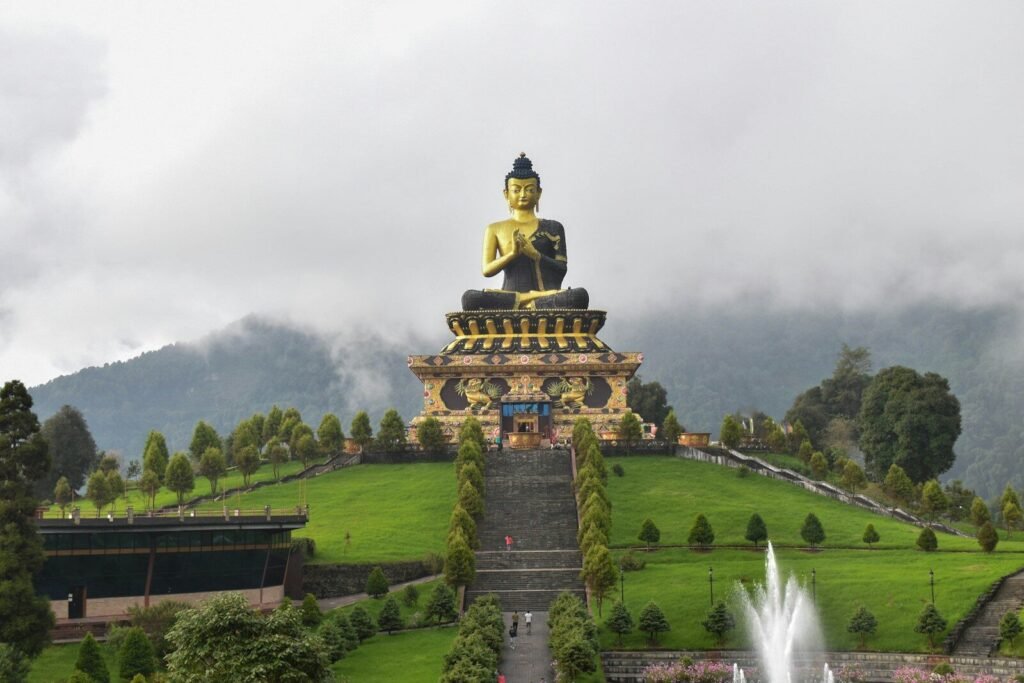
Local monastery events & pujas: Dates vary; visiting during religious events offers cultural insight but check schedules in advance.
By air: Nearest airport is Bagdogra (Siliguri), ~120–140 km away. From Bagdogra, private car or taxi to Ravangla takes several hours via Gangtok or Namchi route.
By rail: Nearest major railhead is New Jalpaiguri (NJP) near Siliguri; road transfer required.
By road: Good network connects Ravangla to Namchi and other parts of Sikkim; roads can be winding—daylight driving recommended.
If you seek the clearest mountain panoramas and the most comfortable weather for outdoor activities, plan your trip to Ravangla in October–November or March–May. Winter is rewarding for snow experiences but colder and quieter; monsoon is least recommended for general tourism due to heavy rains and landslide risk. Plan early-morning excursions for the best vistas, and pack layers to handle rapid temperature swings.
With the right timing, Ravangla rewards visitors with spectacular mountain views, rich biodiversity, serene monasteries and a restful mountain ambience — making it a delightful destination in Sikkim.
What makes us different from other tour package companies
Our travel experts have core and intense knowledge about Sikkim sector with over 10 years of experience that will help you choose the best possible itinerary as per your requirements.
Our travel experts are just one call away during your tour to help you with any kind of immediate assistance so that your tour is a more enjoyable and hassle-free tour.
eSikkimTourPackages ensures best rates to all our esteemed guests since we have our own hotels and fleet of vehicles and drivers and there is no third-party involvement. This ensures personalized service and best rates.






















Kindly enter the details below for your Sikkim Tour Package