Ravangla, Sikkim: A Culinary Guide for Tourists
Ravangla is a peaceful hill town in South Sikkim, renowned for sweeping views of Kanchenjunga, verdant tea gardens (notably Temi Tea Garden nearby), and a warm, multicultural Himalayan community. For visitors, food in Ravangla is a lens into Sikkim’s Nepali-Bhutia-Lepcha culinary heritage, organic farming ethos, and mountain-adapted flavors. This guide covers what to eat, where to eat, practical tips, and how to make your Ravangla food experience authentic and responsible.
Why Ravangla is a Great Food Destination
Local diversity: The cuisine blends Nepali, Tibetan/Bhutia, and indigenous Lepcha elements — fermented greens, hearty stews, and Tibetan staples are common.
Proximity to Temi Tea Garden: A short drive from Ravangla, Temi offers tea tasting and the chance to pair fresh local tea with regional dishes.
Sikkim’s organic push: As India’s first fully organic state, Sikkim’s farms supply fresh, chemical-free produce — expect vibrant vegetables, aromatic herbs, and seasonal fruits.
Must-Try Dishes and Drinks
- Momos — steamed or fried dumplings filled with vegetables, chicken, pork or cheese. A mountain staple; served with spicy tomato or sesame chutney.
- Thukpa — a warming noodle soup with vegetables or meat, ideal on chilly Ravangla mornings and evenings.
- Phagshapa — a Sikkimese/Nepali pork and radish dish cooked with dried chillies and fat, rich and intense (ask for a milder version if preferred).
- Gundruk and Sinki — fermented leafy greens (gundruk) and fermented radish (sinki) made into soups or side dishes; deep umami and nutritious.
- Kinema — a fermented soybean preparation used as a condiment or in curries; strong, earthy flavor.
- Chhurpi — local cheese made from yak or cow milk, available as soft cheese or the hard variant chewed as a snack by mountain shepherds.
- Tongba — a traditional millet-based fermented alcoholic drink served in a bamboo or wooden container and sipped with hot water; culturally significant and warming.
- Temi Tea — freshly brewed black tea from Temi Tea Garden; try it with local snacks or as an afternoon ritual.
- Sel roti and local sweets — crisp ring-shaped rice doughnuts and other traditional Nepali sweets made by home cooks and local bakeries.
Where to Eat in and around Ravangla
Ravangla’s dining options are mostly small cafes, family-run restaurants, homestays and tea-stall style eateries. For a wider range of restaurants and markets, nearby Namchi and the Temi Tea Garden area are good bets.
Types of places to look for
- Local eateries and dhabas: Great for authentic, affordable meals (momos, thukpa, dal bhat).
- Homestays and guesthouses: Best for home-cooked Sikkimese meals and cultural exchange; often require advance requests for special meals.
- Cafés and bakeries: Small cafés serve tea, coffee, pastries, and light sandwiches; good for breakfast and snacks.
- Tea garden cafés (Temi Tea Garden): Ideal for tea tasting and trying snacks or light lunches while enjoying tea estate views.
Markets, Local Produce & Specialty Purchases
Visit the Ravangla bazaar or the weekly local markets to find fresh vegetables, dried mushrooms, local pickles and fermented goods. Shops around the town sell chhurpi, home-made jams, and local honey. If you wish to bring back edible souvenirs, look for packaged Temi tea, dried gundruk, and hand-made pickles.
Seasonal produce to watch for
- Spring: fresh leafy greens, wild herbs, early vegetables.
- Summer/Monsoon: local mushrooms, garden vegetables, fruits.
- Autumn: apples in nearby higher areas, late-season vegetables, preserved foods.
- Winter: root vegetables, hearty grains, and warming preparations like thukpa and stews.
Food-Focused Activities for Tourists
- Tea tasting & factory visit: Spend a morning at Temi Tea Garden to see processing, learn about organic tea production and taste fresh brews.
- Homestay meal experience: Book a homestay that includes dinner — you’ll often get family recipes, fermented side dishes, and stories behind dishes.
- Cooking sessions: Some guesthouses and local cooks offer short classes where you can learn to make momos, pickles, or traditional sweets.
- Local market walk: Explore bazaars with a guide to understand seasonal produce and how families shop for meals in the hills.
- Food festivals & fairs: Keep an eye on local event listings—regional food festivals and cultural fairs sometimes feature Sikkimese specialties and live cooking demonstrations.
Practical Tips for Eating in Ravangla
- Cash is king: Many small eateries accept only cash; carry small denominations. ATMs are limited, so plan ahead.
- Vegetarian options: Plenty available — Sikkim’s Nepali and Buddhist influence means many veg-friendly dishes and dairy-based items.
- Spice & heat: Himalayan food can be spicy; ask for mild or less oil if you prefer.
- Altitude & appetite: Ravangla sits at about 7,000–8,000 ft (2,100–2,400 m). Eat light at first, prefer warm soups and hydrating foods if you feel altitude effects.
- Hygiene: Choose busy places with high turnover. Stick to freshly cooked items; avoid salads with untreated water or ice made from unknown sources.
- Allergies & dietary needs: Clearly communicate allergies; many kitchens are small and cross-contamination can happen. Vegetarian/vegan adjustments are usually possible.
- Supporting local economy: Prefer homestays, local cafés and farmers’ produce to support community livelihoods.
Packing & Eating for Treks and Day Hikes
Treks around Ravangla and nearby trails require compact, energy-dense food. Local markets sell good trekking snacks; homestays can pack tiffins for early starts.
Trekking food suggestions
- Assorted dry fruits and nuts for quick energy.
- Local hard chhurpi for protein and long shelf life.
- Dry noodles or instant soups for a hot, lightweight meal.
- Homemade biscuits, sel roti and glucose-based snacks.
Responsible & Sustainable Eating
- Minimize single-use plastics: Carry a refillable water bottle and say no to plastic straws and bags.
- Choose seasonal, local produce: This reduces transport footprint and supports small farmers.
- Respect cultural food practices: Ask before photographing food in homes and food preparation areas.
- Leave no trace: If eating on trails, take all wrappers and waste back with you.
Sample One-Day Food Itinerary in Ravangla
- Morning: Hot Temi tea and a simple omelette or local vegetable momos at a café; head to Temi Tea Garden for a short tour.
- Midday: Lunch at a homestay or local restaurant — try thukpa or dal bhat with gundruk side.
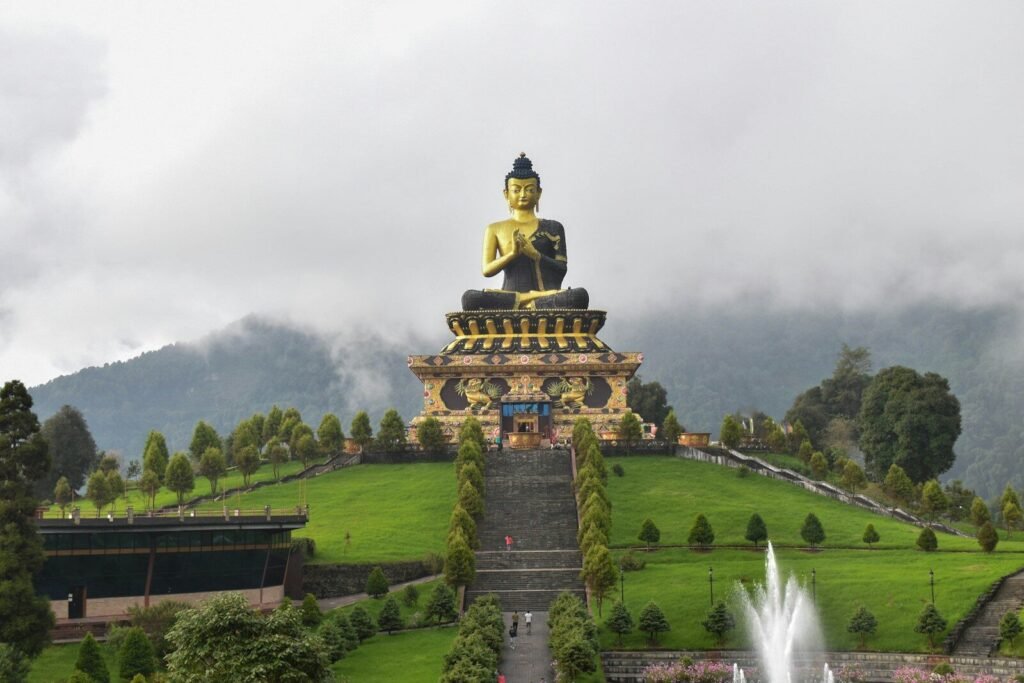
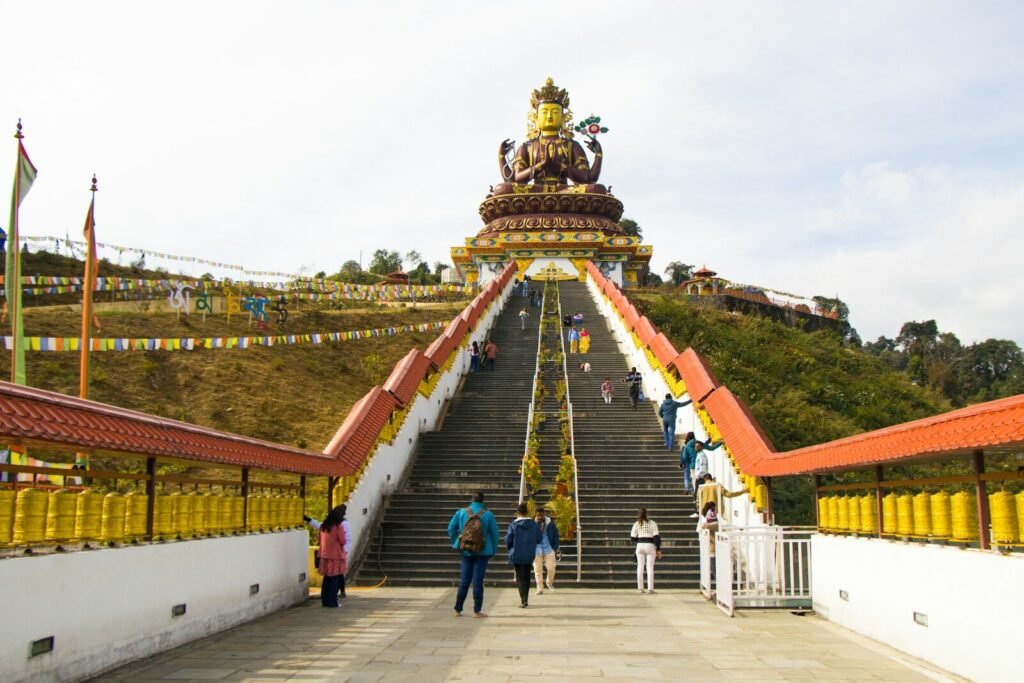
- Afternoon: Snack on sel roti, local biscuits and a second cup of Temi tea while exploring the Ravangla view point or Buddha Park.
- Evening: Hearty dinner of momos, phagshapa (or a vegetarian curry), and tongba for those wanting to experience local drinks.
Final Notes and Recommendations
Food in Ravangla is simple, hearty and deeply connected to the land and cultures of Sikkim. Whether you’re a street-food lover, a tea aficionado, or someone who prefers a homely meal, Ravangla has something to offer. Prioritize local eateries and homestays to get the most authentic experience, be mindful of altitude and hygiene, and leave room in your itinerary for a tea garden visit — it’s one of the best ways to taste Sikkim.
Enjoy your culinary journey in Ravangla — eat locally, respectfully, and warmly.