Ravangla Tour Guide

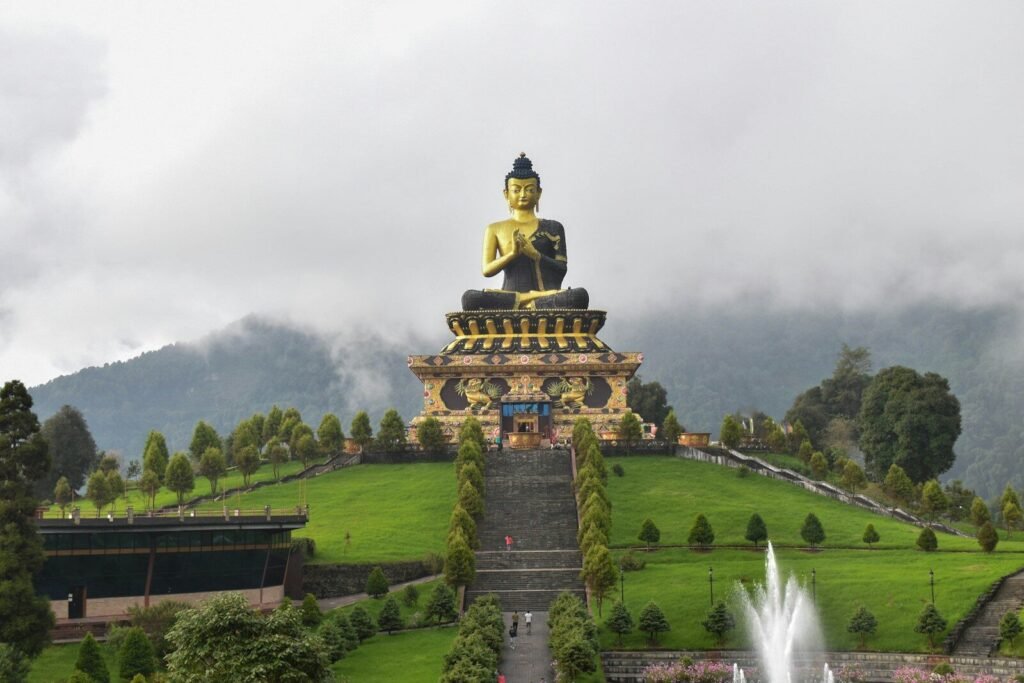
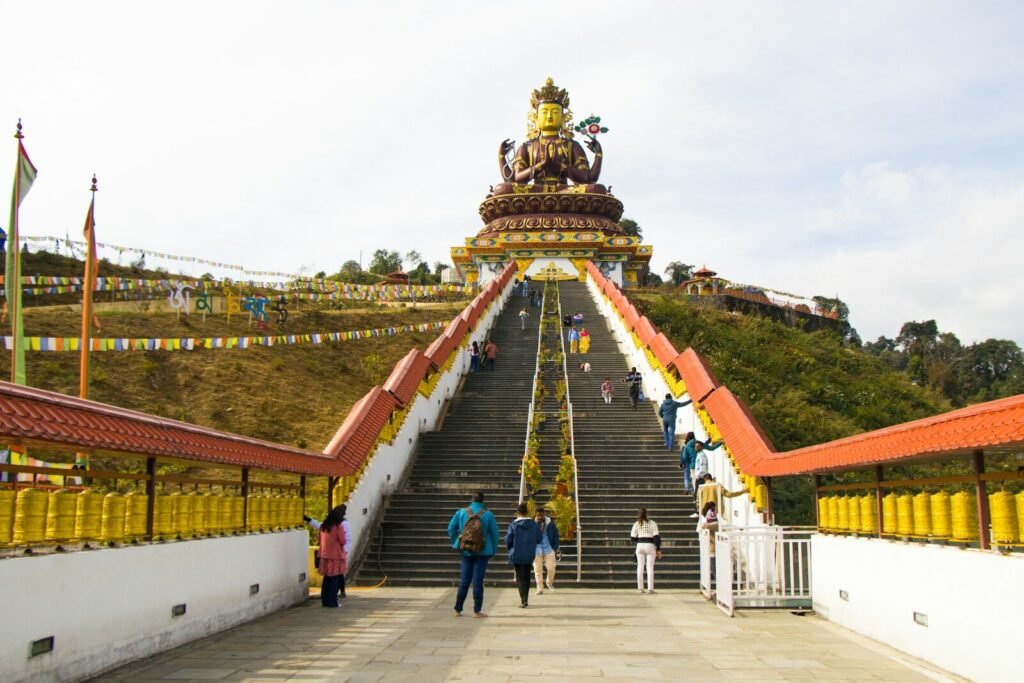
a large buddha statue sitting on top of a lush green hillside

FAQS

Ravangla, Sikkim — Frequently Asked Questions (Tourism Guide)

Introduction: Ravangla (often spelled Ravangla or Rabangla) is a scenic hill town in South Sikkim, known for its panoramic views of the Himalaya, Buddhist monasteries, walks and birdlife. The following FAQ-style article answers practical questions that tourists commonly have, with tips on planning, sightseeing, transport, safety and responsible travel.

1. Where is Ravangla and why visit?

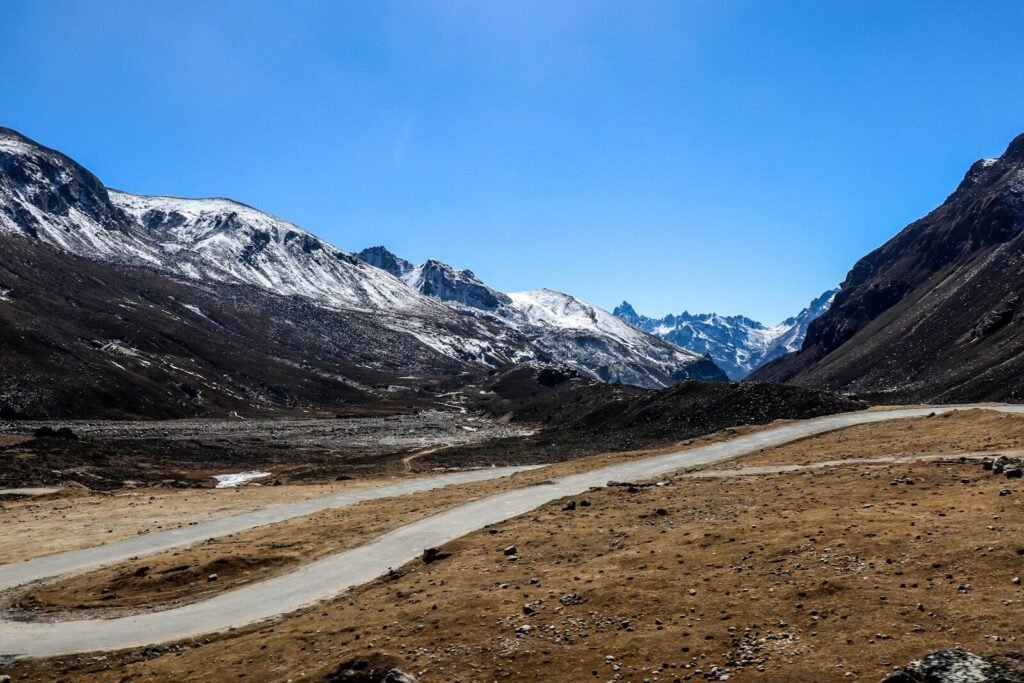
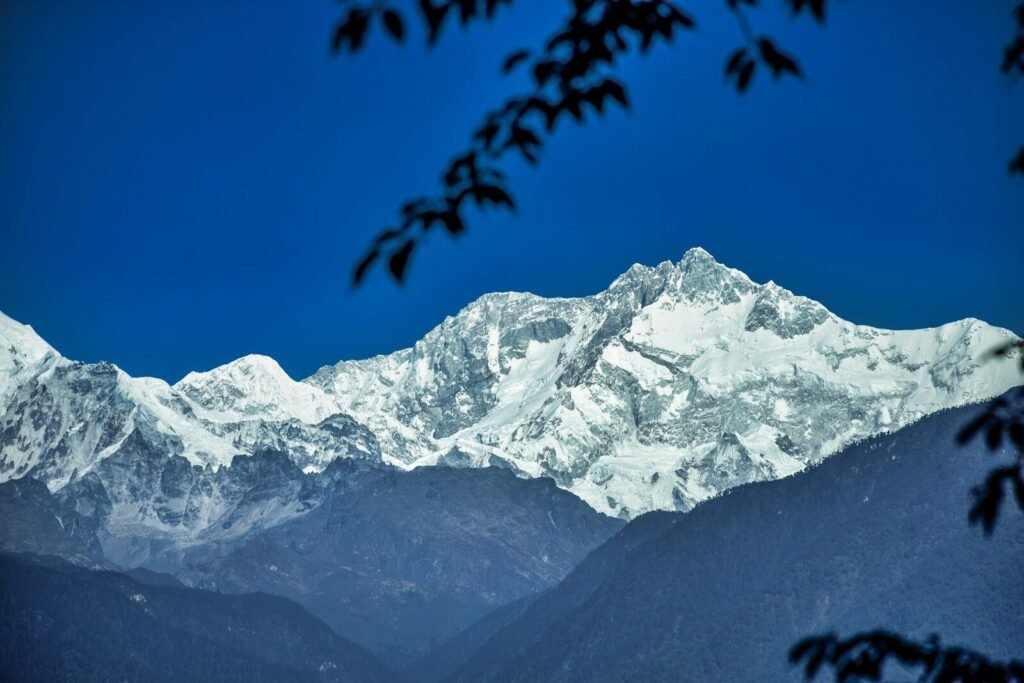
Location: Ravangla sits in South Sikkim, between the district headquarters Namchi and Soreng (western South Sikkim). It is set on a ridge that offers clear views of the snow-capped Himalayan range, including majestic views of Kangchenjunga on clear days.

Why visit: Visitors come to Ravangla for peaceful mountain scenery, Buddhist monasteries and the Ralang/Tathagata Buddha Park, easy day treks (Maenam Hill), birdwatching, tea-garden excursions (nearby Temi Tea Garden) and a calm less-commercialized Himalayan experience compared with other hill towns.

2. What is the altitude and climate like?

Ravangla is at an elevation of roughly about 1,900–2,200 metres (approx. 6,200–7,200 ft). The climate is temperate to cool:

  • Spring (Mar–May): Mild, rhododendrons bloom, one of the most pleasant seasons.
  • Summer/Monsoon (Jun–Sep): Warm in the day, heavy rains and landslides possible—roads may be disrupted.
  • Autumn (Oct–Nov): Clear skies and excellent mountain views—another top season for visitors.
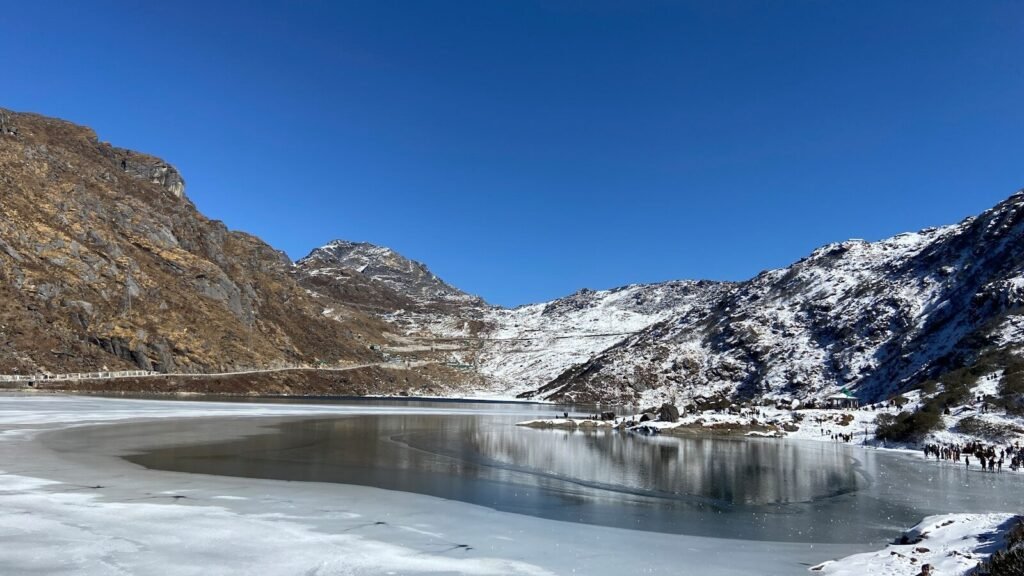
  • Winter (Dec–Feb): Cold, nights often below freezing; snowfall can occur at higher elevations.

3. What is the best time to visit Ravangla?

Best overall: March to May (spring) for rhododendron blooms and pleasant weather, and October to November for clear mountain views after the monsoon. If you want snow, visit in winter (Dec–Feb) but expect very cold conditions and possible road issues.

4. How do I reach Ravangla? (air, rail, road)

By air: The nearest major airport is Bagdogra (Siliguri). Road travel from Bagdogra to Ravangla typically takes around 4–6 hours depending on traffic and road conditions.

By train: The nearest major railhead is New Jalpaiguri (NJP) / Siliguri. From NJP travellers hire taxis or take shared cabs/buses toward Namchi/Ravangla.

By road: Good all-weather roads connect Ravangla to Gangtok, Namchi and Siliguri. Private cars, taxis and shared jeeps serve these routes. Travel times vary—always allow extra time for mountain roads.

5. Do I need any permits to visit Ravangla?

Indian citizens: Generally no special permits are required for Ravangla—carry a valid photo ID (Aadhaar, voter ID, or passport).

Foreign nationals: Sikkim has had different rules for foreign visitors, and certain areas near borders require permits. In many cases a Protected Area Permit (PAP) or Restricted Area Permit is required and can be obtained online or at permit counters (Siliguri/Gangtok) depending on current regulations. Always check the latest rules with Sikkim tourism or your travel agent before travel.

6. How long should I stay in Ravangla?

Ideal stays depend on activities:

  • Weekend / 1–2 days: Relaxed town exploration, Buddha Park, Ralang Monastery, short walks and sunset/sunrise views.
  • 3–4 days: Add Maenam Hill trek, birdwatching, a visit to Temi Tea Garden and local homestays.
  • 5+ days: Good if combining Ravangla with Namchi, Pelling, or longer treks in West & South Sikkim.

7. What are the must-see attractions in and around Ravangla?

Top highlights:

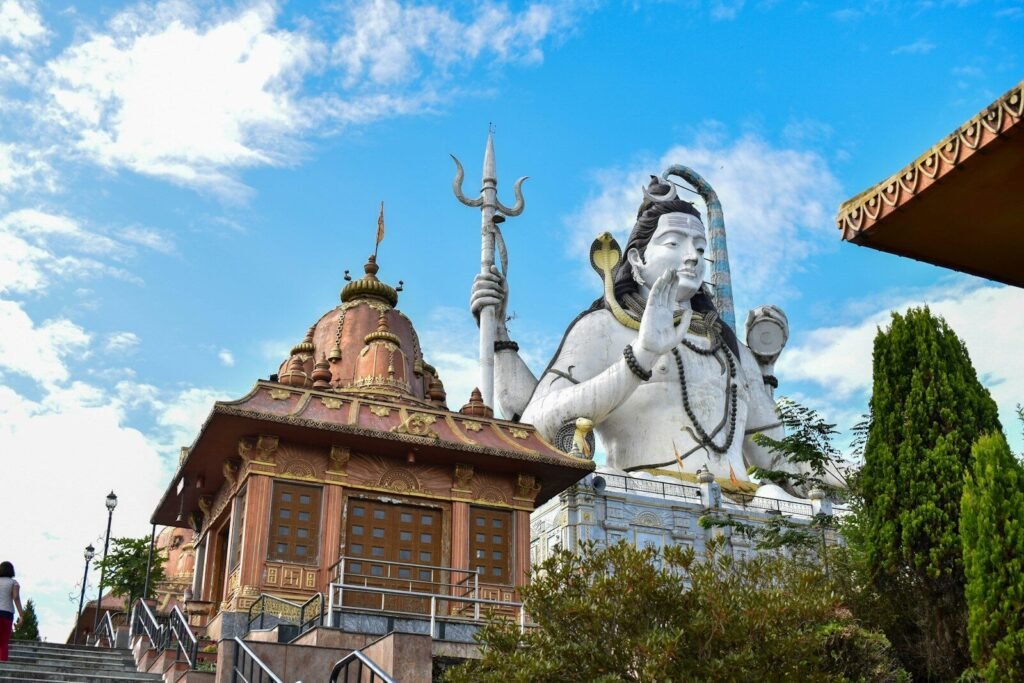
  • Tathagata Buddha Park (Ralang Buddha Park): A major attraction with a large Buddha statue, landscaped gardens and viewpoints.
  • Ralang Monastery: A historic monastery with colorful architecture and sometimes mask dances (Cham) during festivals.
  • Maenam Wildlife Sanctuary and Maenam Hill: Offers trails, panoramic views and local flora/fauna; a popular short trek.
  • Birdwatching sites: Ravangla is a good base for early-morning birding—look for Himalayan species in the area.
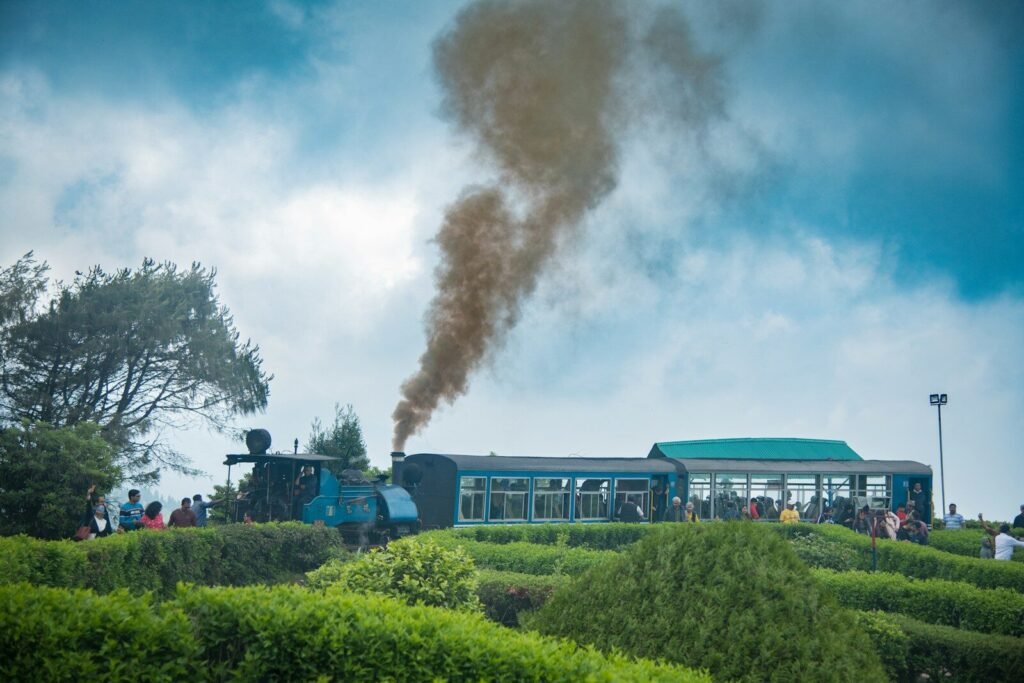
  • Temi Tea Garden (nearby): South Sikkim’s famous tea estate—nice for photo stops, walks and tea tasting.

8. What trekking or walking options are there?

Ravangla offers mostly easy to moderate treks and walks suitable for casual hikers:

  • Maenam Hill trek: The most popular day trek—great views and rhododendron forests.
  • Short walks around Buddha Park and local villages: Easy and suitable for all ages.
  • Longer multi-day treks: Can be arranged with local guides to explore adjoining forests and high ridges—plan with experienced operators and confirm permits if required.

9. Is Ravangla good for birdwatching and wildlife?

Yes. The region has rich Himalayan birdlife and insects due to varied habitats and forests. Birders come for forest species, pheasants, sunbirds and migratory visitors. Use local guides for best sightings and remember to follow ethical birding practices (no playback in sensitive areas, keep distance).

10. What are accommodation options like?

Ravangla offers a range of accommodation:

  • Budget guesthouses and homestays: Cozy options offering local hospitality and home-cooked food.
  • Mid-range hotels and resorts: Comfortable rooms, many with mountain views.
  • Luxury stay options: Limited compared to larger towns—book in advance during peak seasons.

Tip: Book ahead for spring and autumn; homestays are an excellent way to experience local culture.

11. What food and dining options are available?

Expect simple local and Nepali-style eateries, tea shops and hotel restaurants. Typical local dishes include momos, thukpa, gundruk and rice-based meals. South Sikkim also features fresh tea and homemade sweets. If you have dietary restrictions, carry some snacks—specialized cuisine options are limited.

12. How is connectivity (mobile/internet/ATM)?

Connectivity is generally present but can be patchy:

  • Mobile networks: Major networks (Jio, Airtel, BSNL) have coverage in many parts, but expect weaker signals in some valleys and forested areas.
  • Internet: Hotels may provide Wi‑Fi, but speeds vary.
  • Banking/ATM: There are limited ATMs in small towns nearby—carry cash, especially for remote treks and local vendors.

13. Is Ravangla safe for solo travelers and families?

Ravangla is generally considered safe and peaceful for families and solo travelers. Standard mountain-travel precautions apply:

  • Inform someone of your plans for treks or remote drives.
  • Avoid night travel on mountain roads if possible.
  • Be cautious during monsoon due to landslide risk.
  • Respect local culture and religious sites—dress modestly at monasteries.

14. Are there health facilities and pharmacies?

Basic clinics and pharmacies are available for minor ailments. For advanced medical care, the nearest larger hospitals are in Namchi or Siliguri. If you have chronic medical conditions, bring sufficient medication and a basic first-aid kit.

15. What should I pack for a trip to Ravangla?

Suggested packing list:

  • Warm layers (fleece, down jacket) even in summer evenings.
  • Waterproof jacket and sturdy walking shoes/boots.
  • Sunscreen, sunglasses and hat for high-altitude sun.
  • Basic medications, insect repellent and first-aid supplies.
  • Power bank and limited cash.
  • Camera/binoculars for birding and mountain views.

16. Can I combine Ravangla with other Sikkim destinations?

Yes. Ravangla is often combined in an itinerary with:

  • Namchi: district headquarters with cultural sites and viewpoints.
  • Pelling / Gyalshing: West Sikkim (for alternate views and treks).
  • Gangtok: Sikkim’s capital—shops, monasteries and city amenities.
  • Temi Tea Garden: Easy day trip for tea tours and photography.

17. Are there any local festivals or cultural experiences worth seeing?

Ravangla and nearby monasteries host Buddhist festivals where you may witness masked dances (Cham), rituals and local celebrations—timings vary by monastery and the lunar calendar. Participating respectfully or watching from designated areas can be a memorable cultural experience.

18. What are common safety and environmental concerns?

Be aware of:

  • Monsoon hazards: Landslides and road blockages—check weather and road updates.
  • Altitude acclimatization: Ravangla’s altitude is moderate but take it easy on arrival, hydrate and avoid strenuous activity the first day if you feel breathless.
  • Waste management: Mountain areas suffer from litter—carry reusable bottles, avoid single-use plastics and dispose of waste responsibly.

19. Is it easy to find guides and tour operators?

Yes—local guides, porters and operators can be arranged through hotels, homestays or travel desks in Ravangla and nearby towns. For treks into protected forests or sensitive areas, hire licensed guides and confirm any required permits in advance.

20. What are good photography tips for Ravangla?

  • Shoot early morning or late afternoon for the best light and clearer mountain views.
  • Use a tripod for sunrise/sunset shots and low-light conditions.
  • Bring a telephoto lens or binoculars for bird and distant mountain details.
  • Respect religious sites—ask before photographing people and ceremonies.

21. How do I practice responsible and sustainable tourism in Ravangla?

  • Support local businesses and homestays to benefit local communities.
  • Carry reusable bottles and bags; avoid littering and plastics.
  • Follow marked trails and avoid disturbing wildlife or vegetation.
  • Respect local customs and sacred sites—dress modestly and ask permission before photographing ceremonies.

22. Any special tips for solo female travelers?

Ravangla is generally safe for solo female travelers. Additional tips:

  • Choose reputable accommodations and inform family or friends of your plans.
  • Avoid walking alone late at night in isolated areas.
  • Dress conservatively when visiting religious places and local households.

23. How much money should I budget?

Budget depends on style of travel:

  • Backpacker/budget: Guesthouses, shared transport and local eateries—low daily costs (exclusive of travel to Sikkim).
  • Mid-range: Comfortable hotels, private taxis for day trips and guided treks—moderate daily costs.
  • Luxury: Private drivers, higher-end resorts and guided multi-day treks—higher budget.

Always keep cash for local purchases; cards are accepted at fewer places.

24. What if I face an emergency or weather disruption?

Keep contact numbers of your hotel, local guide and district authorities. In case of serious medical emergency or major road disruption, head to the nearest large town (Namchi/Siliguri) for better medical facilities and onward transport. Register your travel plans with someone and have emergency contacts accessible.

25. Any final practical tips for visiting Ravangla?

Summary tips:

  • Plan travel outside the monsoon for best views and safer roads.
  • Book accommodation in advance during peak months (spring/autumn).
  • Carry sufficient cash and a small first-aid kit.
  • Hire local guides for treks and birding; they increase safety and enrich the experience.
  • Respect local culture and the fragile mountain environment—leave no trace.

Useful contacts and next steps

If you’re planning a trip: Contact Sikkim tourism offices or local guesthouses in Ravangla for up-to-date permit information, road conditions and recommended local guides. Check recent traveller reports for current road/weather updates before beginning your journey.

Closing note

Ravangla is a peaceful gateway to South Sikkim’s natural and cultural attractions—ideal for travellers who enjoy quiet mountain towns, monastery visits, short treks and birding. With a little planning for weather, permits and transport, Ravangla rewards visitors with memorable Himalayan views and authentic local hospitality.

Get Instant Call Back​

Which places do you want to explore in North-East?
Kindly share your above details to get Travel Plan PDF within 30 seconds on your mobile
Please wait while we are preparing customized quotes as per your requirement.

Why Choose us ?

What makes us different from other tour package companies

Best Travel Experts

Our travel experts have core and intense knowledge about Sikkim sector with over 10 years of experience that will help you choose the best possible itinerary as per your requirements.

24 X 7 On-Trip Assistance

Our travel experts are just one call away during your tour to help you with any kind of immediate assistance so that your tour is a more enjoyable and hassle-free tour.

Best Rate Guarantee

eSikkimTourPackages ensures best rates to all our esteemed guests since we have our own hotels and fleet of vehicles and drivers and there is no third-party involvement. This ensures personalized service and best rates.


Sikkim Tour Packages by Theme

Sikkim Tour From Popular Cities

Limited period offer – Sikkim tour packages at flat 50% discount. Inquire now!

Kindly enter the details below for your Sikkim Tour Package
Loading, please wait . .. ... ....