Namchi (literally “sky high”) is the administrative headquarters of South Sikkim and a compact, scenic town that blends spirituality, tea gardens, Himalayan panoramas and easy access to treks and monasteries. At an altitude of around 1,600–1,800 m, Namchi is a pleasant base for short hikes, cultural visits and day trips to nearby attractions. Below is a detailed guide to things to do, practical tips and suggested itineraries for visitors.
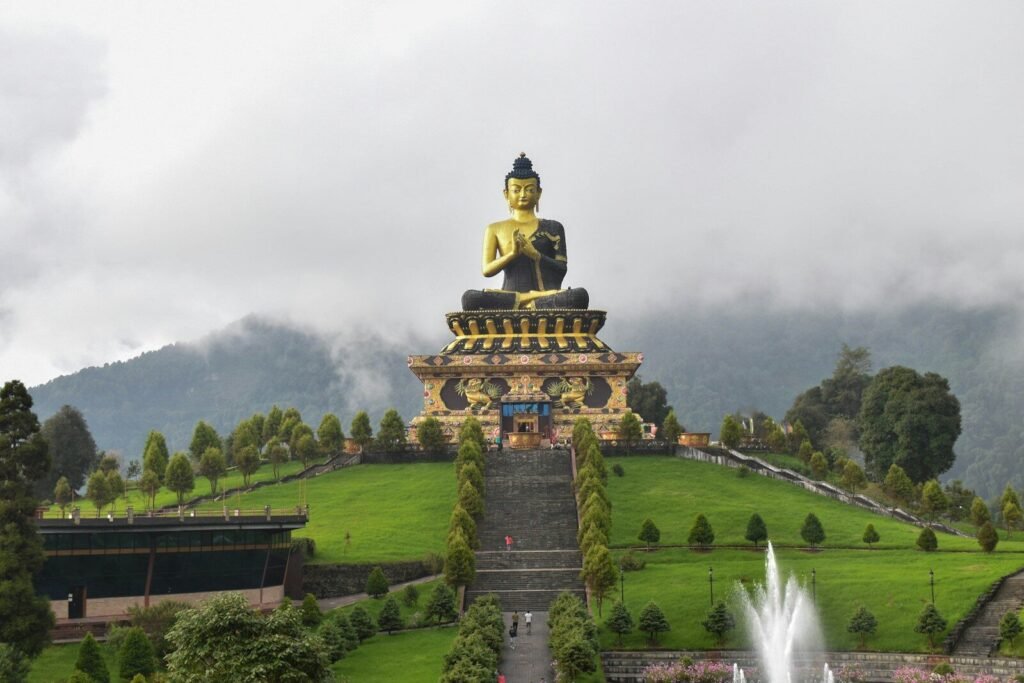
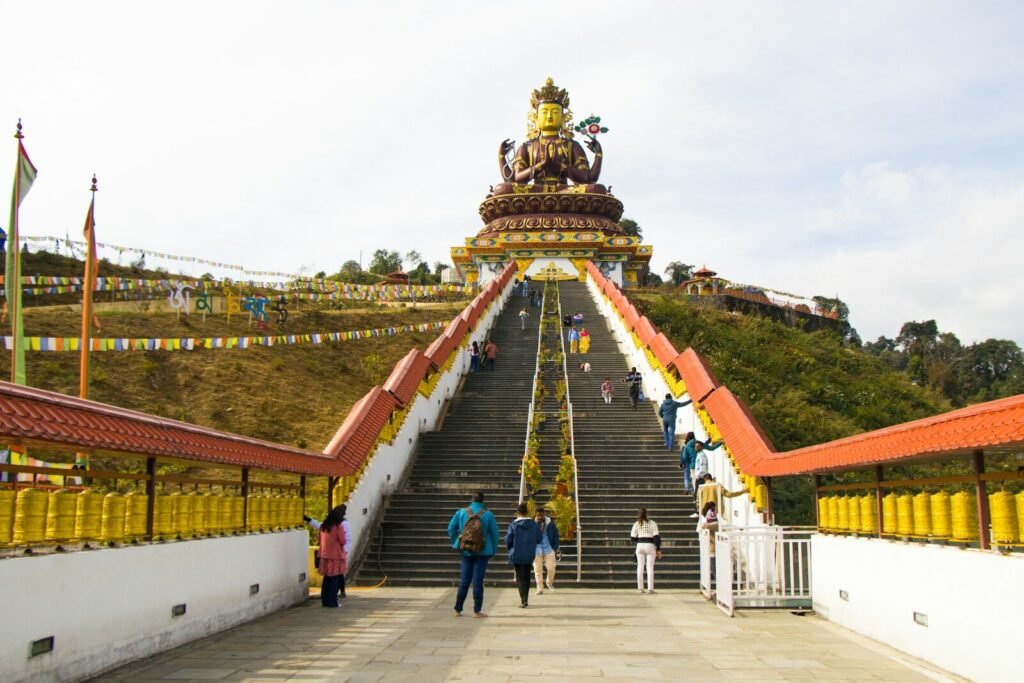
What it is: A large and revered statue of Guru Padmasambhava (also called Guru Rinpoche) set on a hilltop with sweeping views over the plains and the Himalaya on clear days.
Why visit: Spiritual atmosphere, panoramic viewpoints, photo opportunities and short walks around the site. The complex often hosts cultural displays and prayer ceremonies.
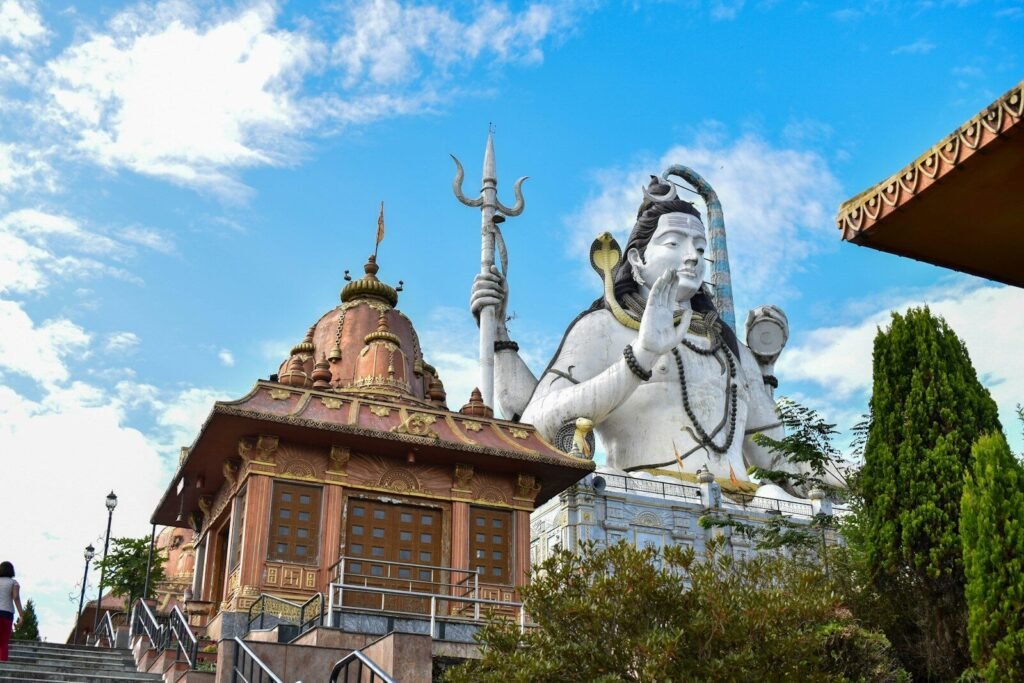
What it is: A beautifully designed Hindu pilgrimage complex with replicas/representations of the Char Dhams and other temples, blending religious architecture with landscaped gardens.
Why visit: Architectural interest, peaceful gardens, a good viewpoint over Namchi and cultural photography.
What it is: Sikkim’s only large tea estate, set amidst rolling slopes of neatly planted tea bushes.
Why visit: Tea garden walks, tea-tasting and a chance to see tea processing (seasonal). The estates make for wonderful sunrise/sunset photographs and relaxed drives.
What it is: A sacred hill for local communities and a popular short-trek destination offering forested trails, rhododendrons and expansive views.
Why visit: Sunrise & sunset views, birdwatching, easy trekking for all levels and cultural significance (Tendong Lho Rum Faat festival is celebrated here).
What they are: Close-by hill towns and monasteries with traditional Buddhist architecture, prayer halls, and monasterial festivals.
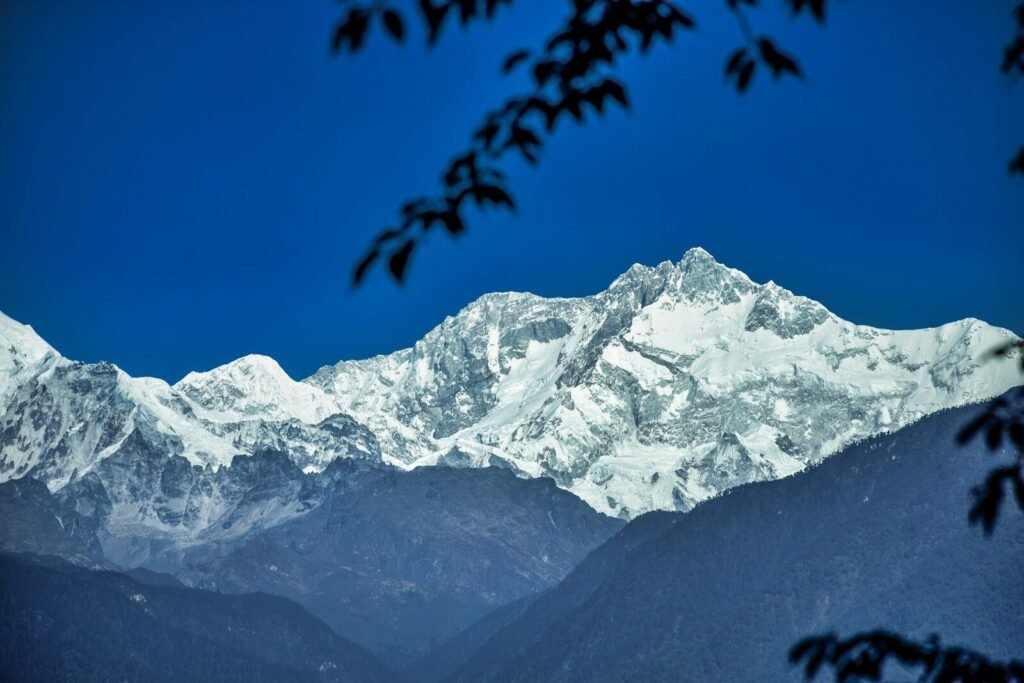
Why visit: Combine Namchi with a short trip to Ravangla or Ralang for more monastic culture, peaceful walks, and additional viewpoints of the Kanchenjunga range when skies are clear.
What it is: The town market area offering local produce, handicrafts, woollens, and street food.
Why visit: Try local snacks and dishes, shop for handicrafts, and experience everyday life in South Sikkim.
Several small streams, viewpoints and gardened spots exist around Namchi. Short walks and picnics are easy to organize — ask locals for scenic spots and seasonal waterfalls.
When: Usually around August–September.
What: A traditional Sikkimese festival to honor the local guardian deity and Mount Kanchenjunga. Expect masked dances and colourful cultural displays.
When: Generally in late summer/early autumn (dates vary locally).
What: Rituals and gatherings associated with Tendong Hill and ancestral narratives; a good time to connect with local traditions.
Losar (Tibetan New Year), Dashain and Hindu festivals are also observed; check local calendars for smaller cultural fairs and events while you visit.
Spring (March–May): Mild weather, rhododendrons and wildflowers in bloom — excellent trekking and sightseeing.
Autumn (September–November): Clear skies and stable weather — best for mountain views and festivals.
Monsoon (June–August): Lush landscapes but occasional landslides and wet roads — travel with caution.
Winter (December–February): Cold and crisp; good for quiet stays but limited flower displays.
By air: The nearest major airport is Bagdogra (near Siliguri). From the airport it is a road journey by taxi or bus into Sikkim and onward to Namchi.
By train: New Jalpaiguri (NJP) is the nearest major railway station; from there hire a taxi or take a shared vehicle to Namchi.
By road: Well-connected by motorable roads from Siliguri, Gangtok and other Sikkim towns. Road journeys are scenic but sometimes winding — plan for extra travel time.
Permits: Indian nationals should carry valid government photo ID. Foreign nationals must check current entry rules — certain areas in Sikkim require Protected Area Permits (PAP) or Restricted Area Permits; obtain these in advance if needed.
Options range from budget guesthouses and homestays in Namchi Bazaar to mid-range hotels and resort-style properties near Temi or on nearby ridges.
For a more rural experience, consider homestays that include home-cooked Sikkimese meals and local hospitality.
Local eateries serve Sikkimese, Nepali and Tibetan-influenced dishes: momos, thukpa, meat and vegetable curries, and local fermented greens. Don’t miss trying fresh tea at the estates.
If you have dietary restrictions, carry essential supplies — smaller towns have limited international options.
Visit Samdruptse for the viewpoint and monastery complex → brief stroll in Namchi Bazaar → sunset at a nearby viewpoint.
Samdruptse + Siddhesvara Dham in the morning → Temi Tea Garden (tea tasting and walk) in the afternoon → local market and dinner in Namchi.
Day 1: Arrive, Samdruptse, Siddhesvara Dham and Namchi Bazaar.
Day 2: Temi Tea Garden early morning → Tendong Hill trek or nature walk → Ralang Monastery or Ravangla in the afternoon.
Day 3: Short village walks, optional visit to local farms or floral nurseries and departure.
Pacing: Namibia’s altitude is moderate, but if you arrive from near sea level take it easy on the first day to avoid fatigue.
Health: Carry any personal medications, sunscreen, and a basic first-aid kit. Stay hydrated and wear layered clothing as mountain weather can change quickly.
Respect local culture: Ask permission before photographing people or religious ceremonies, remove shoes where required, and speak softly in sacred sites.
Environmental care: Avoid single-use plastics, stick to marked trails, and support local guides and businesses to help the community benefit from tourism.
Carry a good pair of binoculars for distant Himalayan views and birdwatching.
For temples and ceremonies, a medium-zoom lens and a respectful distance work well — avoid flash inside prayer halls.
Comfortable walking shoes, a light rain jacket, and warm layers for early mornings and evenings are recommended.
Carry ID: Always have original ID (Aadhaar/Passport) while travelling within Sikkim.
Cash & cards: ATMs are available but can be sparse in small towns — carry some cash for markets and taxis.
Local guides: Hiring a local guide enriches the experience and helps navigate smaller trails and cultural contexts.
Check weather & permits: Verify road conditions, festival dates and permit requirements before travel.
Conclusion: Namchi is an excellent stop for travellers seeking a blend of spiritual sites, tea-country charm and easy Himalayan activities without the crowds of larger hill towns. Whether you want a quiet spiritual retreat, a relaxed tea-estate morning or short treks with rewarding views, Namchi provides a charming and accessible South Sikkim experience.
What makes us different from other tour package companies
Our travel experts have core and intense knowledge about Sikkim sector with over 10 years of experience that will help you choose the best possible itinerary as per your requirements.
Our travel experts are just one call away during your tour to help you with any kind of immediate assistance so that your tour is a more enjoyable and hassle-free tour.
eSikkimTourPackages ensures best rates to all our esteemed guests since we have our own hotels and fleet of vehicles and drivers and there is no third-party involvement. This ensures personalized service and best rates.























Kindly enter the details below for your Sikkim Tour Package