Namchi, the headquarters of South Sikkim, is more than a pilgrimage and hill-view destination — it is a compact culinary doorway into Sikkim’s layered food culture. Situated close to attractions like the Temi Tea Garden and Samdruptse, Namchi offers visitors an easily accessible taste of Nepali, Bhutia, Tibetan and broader Himalayan cuisines. For travellers exploring Sikkim, Namchi is a convenient place to sample regional specialties, experience tea tourism, and enjoy home-style meals in a peaceful mountain setting.
Food in Namchi is a meeting point of cultures and local produce. Tourists come not only for scenic views and temples but to:
Namchi and surrounding valleys supply seasonal vegetables, leafy greens, tubers, and aromatic herbs. Fermented foods (gundruk, sinki) and smoked or dried meats and cheeses are common due to the Himalayan food-preservation tradition. Spices are moderate — the local palate favors warmth (ginger, garlic, chillies) and sourness (fermented greens, citrus) over heavy gravies.
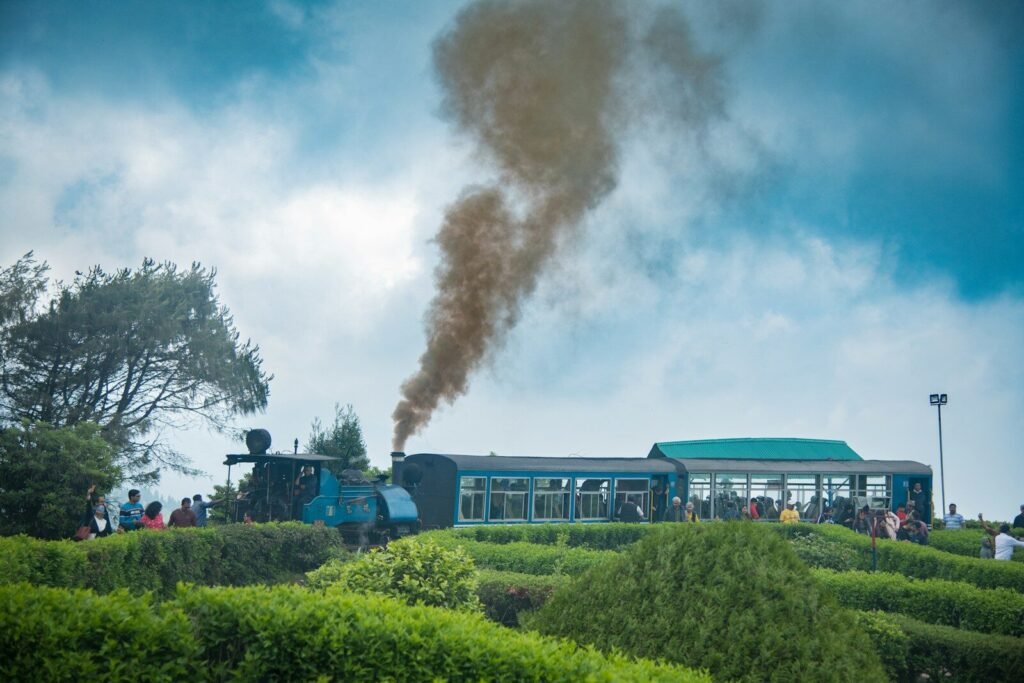
Just a short drive from Namchi, the Temi Tea Garden is Sikkim’s only large-scale tea estate and a key culinary-tourism draw. Visitors can:
Tea experiences pair naturally with relaxed lunches, picnic stops among the manicured estate, and photography of terrace rows.
Namchi Bazaar and local stalls offer quick, inexpensive bites — hot momos, sel roti, chai, and small Nepali snacks. These are ideal for sampling authentic flavors on a budget, but choose busy stalls with high turnover for freshness.
Hotel restaurants and small cafes near tourist spots serve a mix of North Indian, Nepali and Tibetan dishes, with vegetarian and non-vegetarian options. Expect simple, hearty plates rather than haute cuisine. Many places will accommodate milder spicing for visitors.
Staying in a homestay is one of the most rewarding food experiences around Namchi. Hosts often prepare multi-course family meals: rice, lentils, seasonal greens, pickles, a meat or vegetable curry, and tea. These meals give contextual insight into local foodways and hospitality.
Some homestays and local kitchens offer basic cooking demonstrations where travellers can learn to make momos, sel roti, or a traditional Sikkimese curry. These are informal but informative.
Early morning market visits are great for seeing local produce, buying spices, and chatting with vendors about indigenous ingredients. In rural areas, guided walks can introduce edible wild plants and herbs used by locals.
Visiting during local festivals (religious and cultural) enriches the food experience — expect special sweets, ritual dishes, and communal feasts. Ask hosts or local guides about festival etiquette and dishes to try.
Respect local customs: Remove shoes where required, accept food offerings politely, and ask before photographing people or food at family meals. When sampling fermented or smoked products, taste small amounts first — many visitors find them intensely flavored.
Namchi offers a compact, authentic Himalayan food experience that complements its natural and spiritual attractions. From the tea-scented terraces of Temi to homestyle Nepali and Tibetan cooking in Namchi Bazaar and local homestays, food here is an accessible way for tourists to connect with Sikkim’s culture, history and landscape. Whether you’re a casual foodie or a traveller seeking immersive culinary experiences, Namchi’s modest but rich food scene rewards curiosity and a willingness to taste local traditions.
What makes us different from other tour package companies
Our travel experts have core and intense knowledge about Sikkim sector with over 10 years of experience that will help you choose the best possible itinerary as per your requirements.
Our travel experts are just one call away during your tour to help you with any kind of immediate assistance so that your tour is a more enjoyable and hassle-free tour.
eSikkimTourPackages ensures best rates to all our esteemed guests since we have our own hotels and fleet of vehicles and drivers and there is no third-party involvement. This ensures personalized service and best rates.
















Kindly enter the details below for your Sikkim Tour Package