Best Time to Visit Namchi, Sikkim — A Complete Tourism Guide
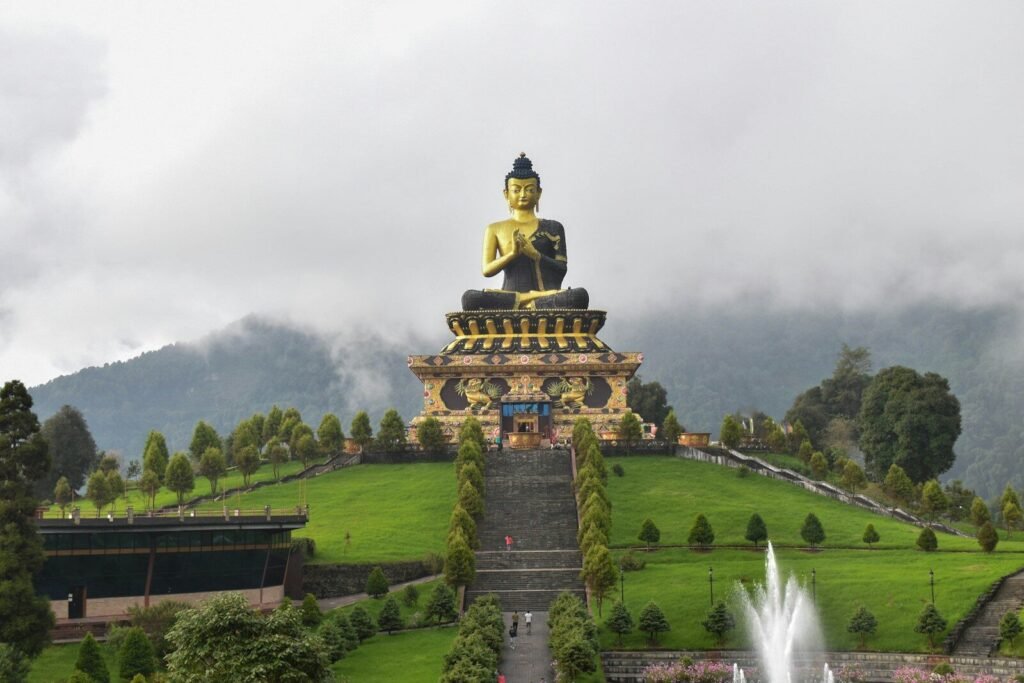
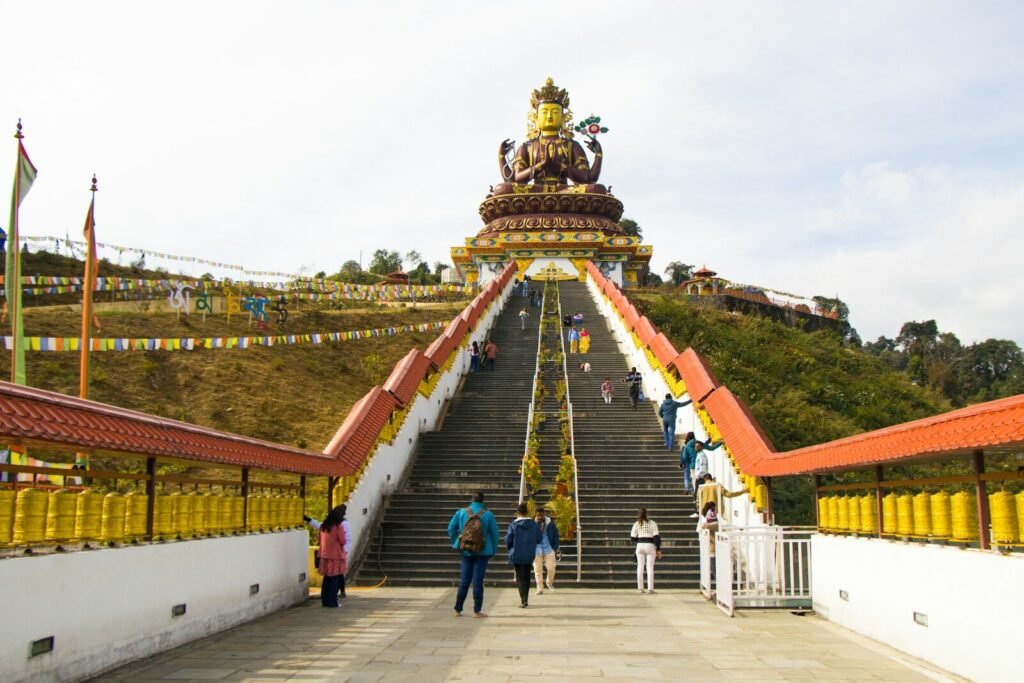
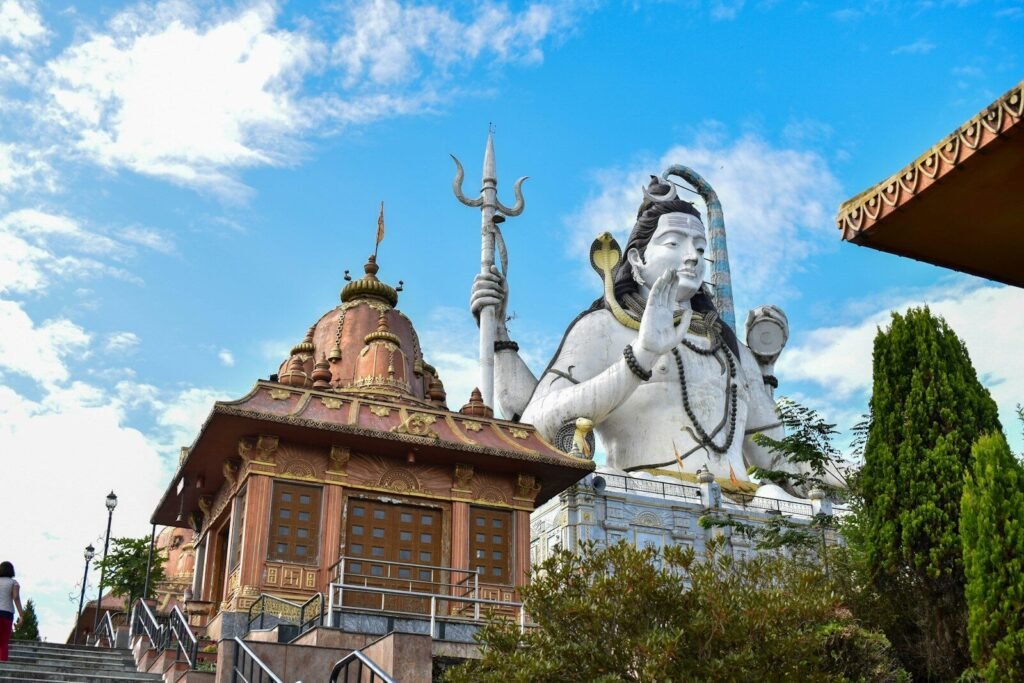
Namchi (seat of South Sikkim) is a charming hill town known for panoramic Himalayan views, the Samdruptse statue, Temi Tea Garden, peaceful monasteries and easy access to short treks. Choosing the right time to visit depends on what you want to see and do: clear mountain vistas and mild walks, vibrant festivals, tea-estate colors, or snow and winter atmosphere. This guide explains season-by-season conditions, festival timing, practical tips and suggested itineraries to help you plan the perfect trip.
Quick Overview: Climate and Altitude
Altitude and feel: Namchi sits at a moderate hill-altitude and enjoys a temperate climate year-round. Weather is generally milder than high Himalayan passes but can change quickly — layers are useful.
Climate characteristics: cool, pleasant springs and autumns, a warm rainy summer, and cold winters (chilly nights, possible frost at higher nearby spots). Monsoon brings heavy rain to Sikkim and can affect road travel.
Season-by-Season Guide
Spring (March – May)
Why go: Spring is one of the best times to visit Namchi. Temperatures are mild, rhododendrons and wildflowers begin to bloom, and skies are often clear—ideal for sightseeing, easy treks and photography.
- Weather: Pleasant days (comfortable for walking), cool mornings and evenings.
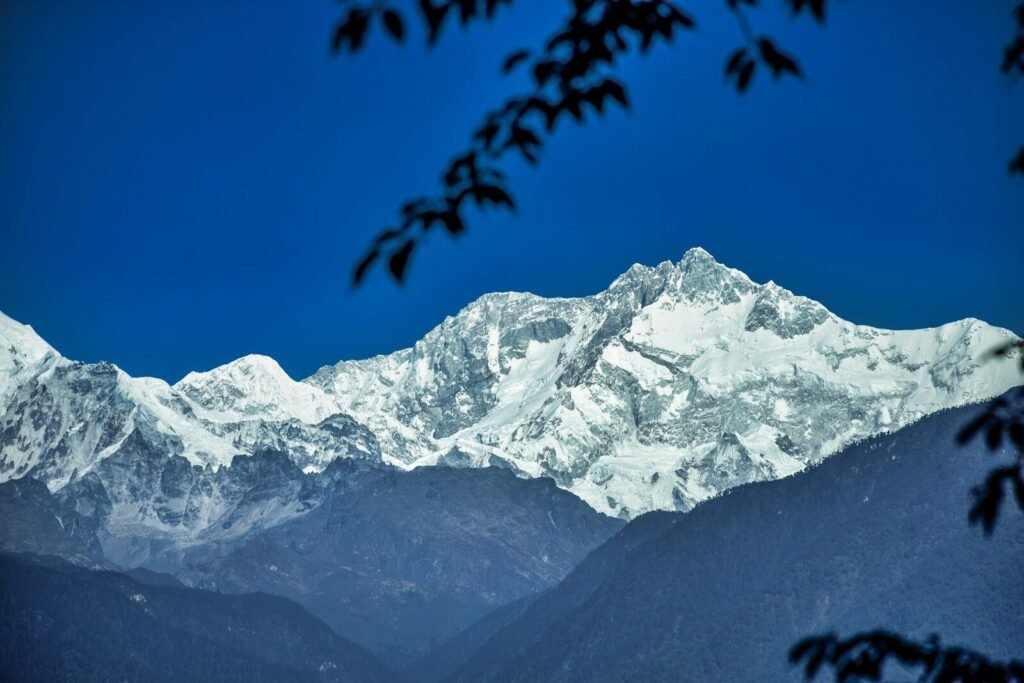
- Visibility: Good—Himalayan vistas are frequently visible on clear days.
- Activities: Tea-garden walks, monastery visits, Tendong/Maenam short hikes, local markets.
- Considerations: Popular season — book stays early for weekends and festival periods.
Summer & Monsoon (June – September)
Why be cautious: The monsoon brings heavy rainfall to Sikkim. Lush green landscapes and dramatic cloudscapes are the reward, but travel can be disrupted by slippery roads and occasional landslides.
- Weather: Warm and humid with frequent rain showers; persistent rain during peak monsoon.
- Visibility: Often limited because of clouds and rain; mountain views may be obscured.
- Activities: Tea estate scenery is spectacular; indoor cultural visits and local cuisine are enjoyable. Short, safer walks possible on drier spells.
- Risks: Road blockages and travel delays are more likely. If you plan travel, build buffer days into the itinerary.
Autumn (October – November)
Why go: Autumn is another top time to visit. Post-monsoon skies clear, the air is crisp and visibility is excellent—perfect for panoramic views of the Himalaya, photography and outdoor activities.
- Weather: Cool and dry with sunny days and cool nights.
- Visibility: Excellent—great for sunrise/sunset and mountain vistas.
- Activities: Trekking, sightseeing, cultural events and harvest-time colors at tea gardens.
- Considerations: Peak tourist season—advance booking recommended, especially during festival dates.
Winter (December – February)
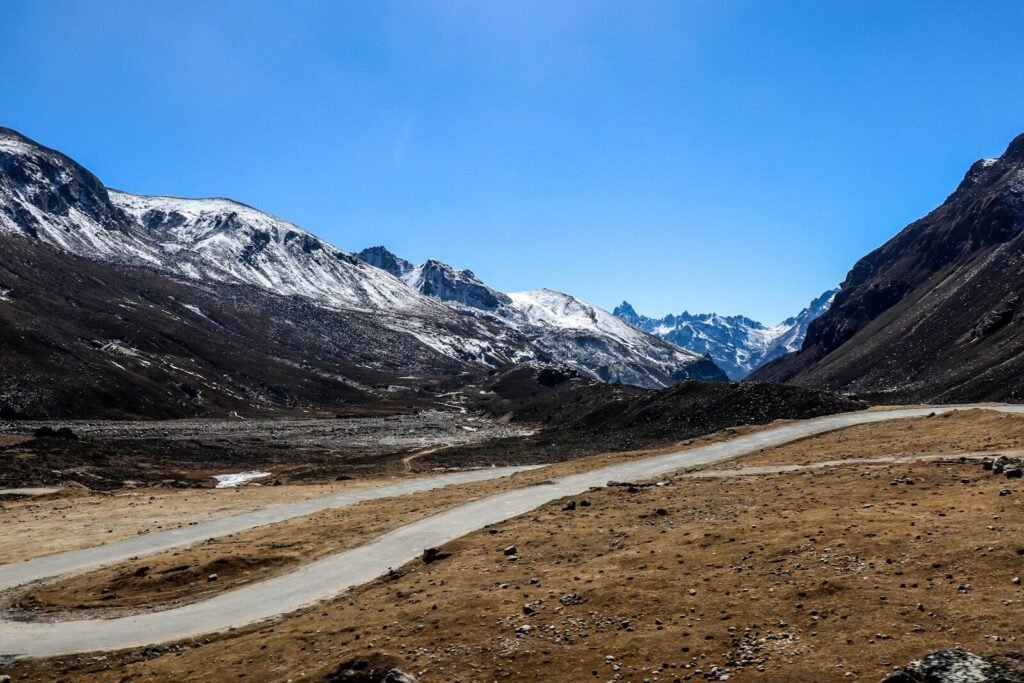
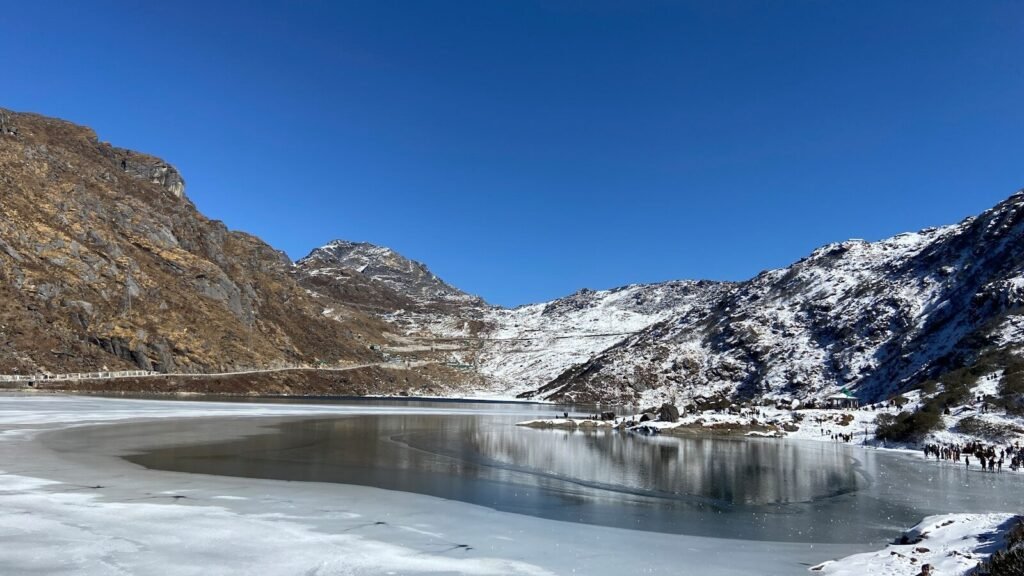
Why consider: Winter is quieter and can be beautiful for travelers who enjoy cool, clear days and crisp air. Nights are cold; higher nearby places may see frost or light snow.
- Weather: Cold nights and cool days. Layering is essential.
- Visibility: Often very good on clear winter days.
- Activities: Cultural visits, scenic drives, photography. Some short trails may be chilly but accessible.
- Considerations: Facilities are available but tourist services may be quieter; check road conditions after heavy cold spells.
Festivals and Local Events
Namchi and South Sikkim host a range of cultural festivals that enhance a visit. Attending local festivals provides insight into Sikkimese traditions, music and dance.
- Pang Lhabsol (around September): A distinct Sikkimese festival honoring Mount Kanchenjunga and the guardian deity. Colorful masked dances and rituals are typical.
- Losar (Tibetan New Year — around Jan/Feb): Celebrated in monasteries with prayers and cultural programs.
- Dasain/Diwali (Sept–Nov): Major Hindu festivals observed widely across Sikkim with local variations.
- Local tea events and fairs: Temi Tea Garden occasionally hosts events—check local listings.
Tip: Festival dates vary annually; check local schedules and book accommodation early for festival periods.
Recommended Months — Quick Summary
- Best for clear views & outdoor activities: March–May (spring) and October–November (autumn).
- Best for greenery & off-season travel: Late June–August (monsoon) — expect rain but fewer tourists.
- Best for a quiet, cool experience: December–February (winter) — chilly nights, crisp days.
Activities by Season
- All-year: Samdruptse statue & monastery visits, Temi Tea Garden, local markets, short scenic drives.
- Spring/Autumn: Day hikes (Tendong, Maenam approaches), photography, village walks, sunrise/sunset viewpoints.
- Monsoon: Tea garden photography, cultural visits, nature watching (carry rain protection).
- Winter: Cultural sites, clear-mountain photography, cozy local restaurants and tea houses.
Suggested Itineraries
Short trip: 2–3 days
- Day 1: Arrive, settle in, visit Samdruptse and local viewpoints.
- Day 2: Explore Temi Tea Garden, local monasteries and markets; short nature walk around town.
- Day 3: Optional short hike or relax and depart.
Extended trip: 4–6 days
- Day 1: Arrive, acclimatize, local sightseeing.
- Day 2: Temi Tea Garden and tea estate walk, photography.
- Day 3: Day hike to Tendong or nearby hill trails; evening cultural program.
- Day 4: Visit neighboring villages, visit monasteries, local cuisine exploration.
- Day 5–6: Optional day trip to nearby attractions in South Sikkim or relax in Namchi before departure.
Packing List and Practical Tips
- Clothing: Layered clothing — light shirts for daytime, warm fleece/jacket for mornings and evenings, waterproof outer layer during monsoon.
- Footwear: Comfortable walking shoes; sturdy boots if you plan hikes in wet conditions.
- Rain gear: Compact umbrella and rain jacket during June–September.
- Sun protection: Sunscreen, sunglasses and a hat — UV can be strong at altitude.
- Essentials: Basic first-aid, necessary prescription medicines, insect repellent, power bank, cash (smaller towns may have limited card acceptance).
- Booking: Reserve accommodation and transport in advance during peak seasons and festivals.
Travel Logistics and Permits
How to reach: The usual access routes to Namchi are by road from the nearby regional hubs. Travelers typically fly to the nearest airport (serving the Siliguri/Bagdogra region) or arrive by train at a major junction, then continue by road. Regular taxis and bus services connect the region.
Permits and documentation: Regulations for travel and permits can change. Indian nationals generally do not need special permits to visit South Sikkim towns; foreign nationals may require permits for travel within Sikkim or for certain restricted areas. Always check current permit and entry requirements with official sources or your tour operator before travel.
Health, Safety and Photography Tips
- Altitude: Namchi is at a moderate elevation. Most visitors do not experience serious altitude effects, but take it easy on arrival, stay hydrated and avoid strenuous exertion the first day if you feel unwell.
- Road safety: Mountain roads can be narrow and winding; choose experienced drivers and allow time buffers for travel.
- Photography: Early mornings and late afternoons give the best light for Himalayan vistas. Keep lens cloths for damp/ misty conditions.
- Respect local customs: Dress modestly at religious sites, ask before photographing people in cultural contexts, and follow monastery etiquette.
Final Recommendation
If you want the clearest mountain views, comfortable weather for outdoor activities and the best overall travel experience in Namchi, plan your visit between March–May or October–November. For lush green landscapes and quieter travel with the caveat of rain-related disruptions, consider late June–August. Winter visitors who enjoy cool, crisp days and fewer crowds will find December–February rewarding but should prepare for cold nights.
Last tip: Always check current weather forecasts, road conditions and permit rules before you travel. With the right timing and preparation, Namchi offers a peaceful, scenic and culturally rich Himalayan experience.