Gangtok, the capital of the Indian state of Sikkim, is more than a picturesque hill town; it is a place where layered histories — monarchical, colonial, and modern — meet vibrant living culture and high-altitude nature. This article traces Gangtok’s historical development and shows how that history shapes its tourism identity today.
To understand Gangtok, one must place it within the longer trajectory of Sikkimese history. The Sikkim monarchy (the Namgyal dynasty) was founded in 1642, establishing a Tibetan-Buddhist polity that integrated highland sanctity and Himalayan trade networks. For centuries, political and religious life centered on older towns such as Yuksom, which served as early coronation sites for Sikkimese rulers.
During the 19th century, geopolitical pressures — notably British expansion in the eastern Himalaya and disputes with neighboring Bhutan and Tibet — reshaped Sikkim. The Treaty of Tumlong (1861) and subsequent British influence brought new administrative priorities and trade interests to the region. Under this changing environment, a small village and trade-station on a ridge above the Rangit valley began to grow: the settlement that became Gangtok.
By the late 19th century and into the early 20th century, Gangtok consolidated as an administrative and commercial center. Its location on routes between Tibet, Nepal and the plains made it suitable for a capital. The Namgyal rulers, in consultation with British officials, increasingly used Gangtok as the seat of government. The town’s urban form — with its narrow streets, British-era bungalows, monasteries, and palace precincts — reflects this intersection of indigenous monarchy and colonial-era modernization.
The 20th century saw incremental modernization: road-building, telegraph, schools, and limited public services. Alongside these changes, Gangtok began to attract travelers: first explorers, surveyors and missionaries, then leisure visitors drawn by mountain scenery and Buddhist culture. The Namgyal monarchy promoted selective modernization while retaining religious and cultural prestige, which in turn created a distinctive cultural tourism appeal.
After Indian independence, geopolitical dynamics continued to affect Sikkim. In 1975, following a popular referendum and political changes, Sikkim merged with India and Gangtok became the capital of an Indian state. This transition accelerated investment in infrastructure, hospitality, and services oriented to a growing domestic and international tourist market.
Many of Gangtok’s principal attractions are historically rooted and embody different eras of the town’s past. These sites act as cultural touchstones for visitors and are central to heritage tourism in the region.
The Tsuklakhang Royal Chapel (the Namgyal Institute’s vicinity) and the palace precincts are direct links to the Namgyal dynasty. Pilgrims and tourists visit to view religious ceremonies, thangka art and royal heritage displays. The palace area spotlights the town’s monarchical past and is often included in heritage walks.
Founded in the mid-20th century as a center for Tibetan culture and scholarship, the Institute houses manuscripts, thangka paintings, ritual objects and a scholarly library. For many visitors, it is the primary gateway to understanding Sikkim’s Himalayan Buddhist culture and its historical links with Tibet.
Enchey Monastery (perched above Gangtok) and the Do Drul Chorten stupa are historic religious sites that continue to be living places of worship. Their architecture, festivals and monastic ritual provide tourists with immersive cultural experiences rooted in centuries-old practice.
Although technically outside the town, Rumtek — the large seat of the Karmapa lineage — is part of the Gangtok tourism circuit. Built and restored in the 20th century, Rumtek connects post-1959 Tibetan exile history to Gangtok’s role as a refuge and cultural hub.
Gangtok’s streets and some municipal buildings retain vestiges of the colonial period and early modern urban planning. MG Marg, the pedestrian heart of the town, reflects both traditional social life and tourist-oriented commerce — a place where historical and contemporary Gangtok meet.
Gangtok’s festivals are key draws because they showcase living belief systems, monastic dances and community solidarity. Important festivals include:
Tourism in Gangtok has evolved alongside improvements in transport and accommodation. Road access via the plains (Siliguri and Bagdogra) remains the primary route for most visitors. In the late 2010s, a regional airport at Pakyong (near Gangtok) opened, improving direct air connectivity, though road travel continues to be widely used. Accommodation ranges from budget guesthouses and homestays to boutique hotels and eco-lodges.
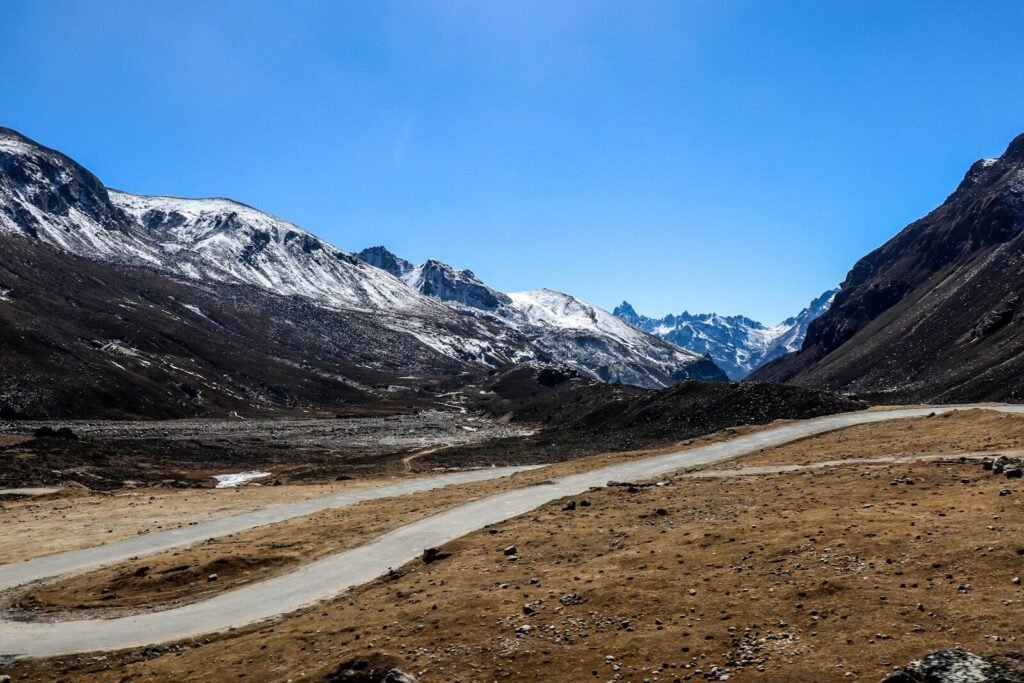
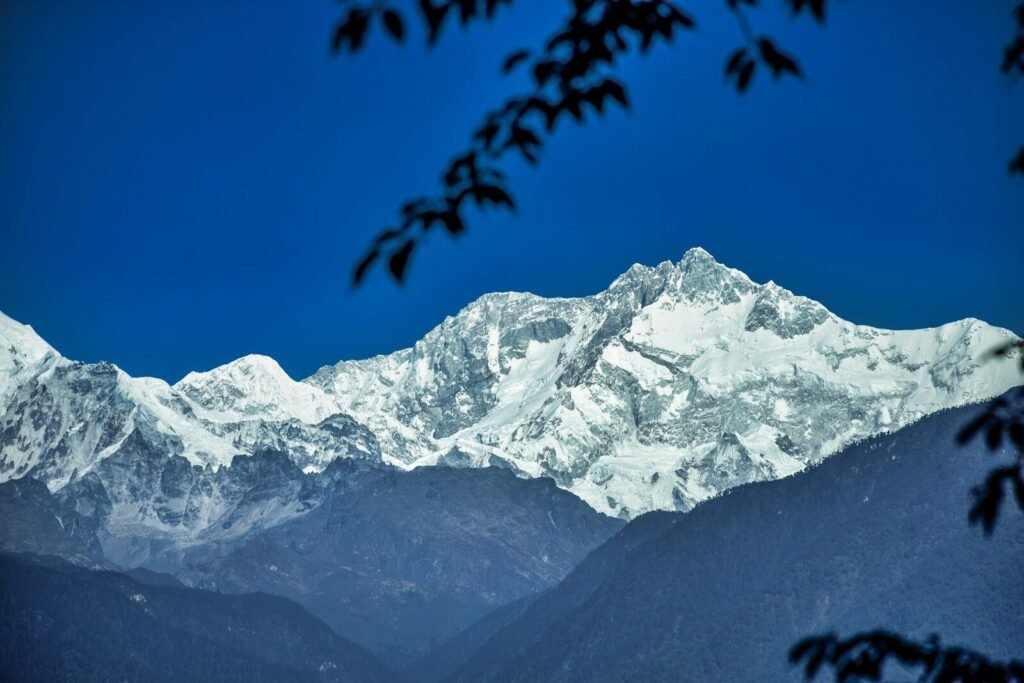
Gangtok functions as the gateway to trekking routes — notably those that access the lower reaches of the Kanchenjunga massif (e.g., Goecha La treks) — and nature-based tourism in nearby protected landscapes. These activities tie directly to the region’s historical reputation as a high-Himalayan crossroads and pilgrimage zone.
As tourism expanded, Gangtok experienced mixed outcomes:
Local administration, NGOs and community groups have initiated measures to balance heritage preservation and tourism growth. Actions include promoting eco-friendly accommodations, waste-reduction campaigns, regulated trekking permits, and cultural-heritage interpretation programs. Sustainable tourism planning is critical because Gangtok’s appeal relies on intact landscapes, living culture and historic sites.
There is a growing emphasis on community-based tourism — homestays, local-guided cultural tours, and handicraft cooperatives — which aim to distribute tourism benefits more equitably and maintain authenticity.
Gangtok’s history — from its roots within the Namgyal kingdom through colonial-era transformations to its modern role as state capital — is central to its tourist appeal. Visitors are drawn by layered experiences: royal and monastic heritage, living Tibetan-Buddhist culture, British-period urbanity, and high-mountain landscapes. The town’s future as a tourism destination depends on policies and practices that preserve its unique historical identity while stewarding fragile environmental and social systems.
For travelers interested in deeper context, visiting the Namgyal Institute and participating in guided heritage walks provides curated historical perspective. Local museums, monastery caretakers and cultural centers often offer authoritative narratives and recommended reading lists for those who want to explore Gangtok’s layered past in depth.
Gangtok is a living historical town: not a museum but a community where the past informs everyday life. Approaching it with curiosity and respect allows visitors to experience not only scenic beauty but also the cultural continuity that makes Gangtok a singular Himalayan destination.
What makes us different from other tour package companies
Our travel experts have core and intense knowledge about Sikkim sector with over 10 years of experience that will help you choose the best possible itinerary as per your requirements.
Our travel experts are just one call away during your tour to help you with any kind of immediate assistance so that your tour is a more enjoyable and hassle-free tour.
eSikkimTourPackages ensures best rates to all our esteemed guests since we have our own hotels and fleet of vehicles and drivers and there is no third-party involvement. This ensures personalized service and best rates.










Kindly enter the details below for your Sikkim Tour Package