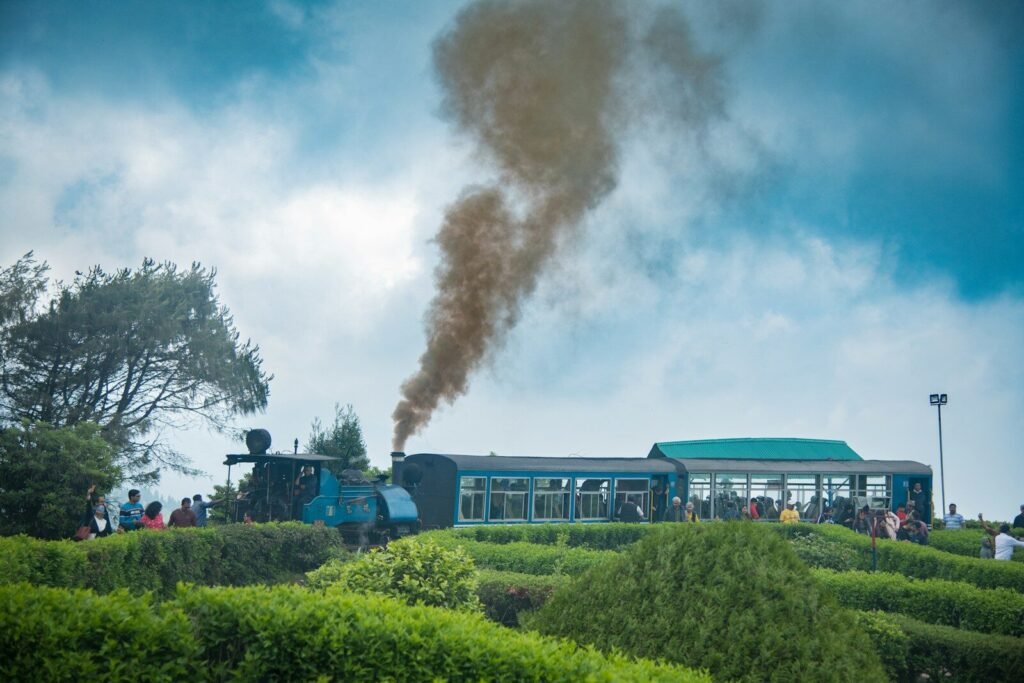
Frequently Asked Questions (FAQs) about Gangtok, Sikkim — A Tourism Guide
This article answers common questions travellers ask about visiting Gangtok, the capital of Sikkim. It covers practical information—how to reach Gangtok, permits, weather, health and safety, sightseeing, transport, food, shopping and sustainable travel tips. Use this as a ready reference when planning a trip.
Quick facts at a glance
- Elevation: Approximately 1,650 m (5,400 ft)
- Best time to visit: Spring (March–May) and autumn (September–November)
- Main languages: Nepali, Sikkimese (Bhutia/Lepcha dialects), English
- Currency: Indian Rupee (INR). Carry cash for remote areas.
- Emergency number (India): 112
Top FAQs
1. When is the best time to visit Gangtok?
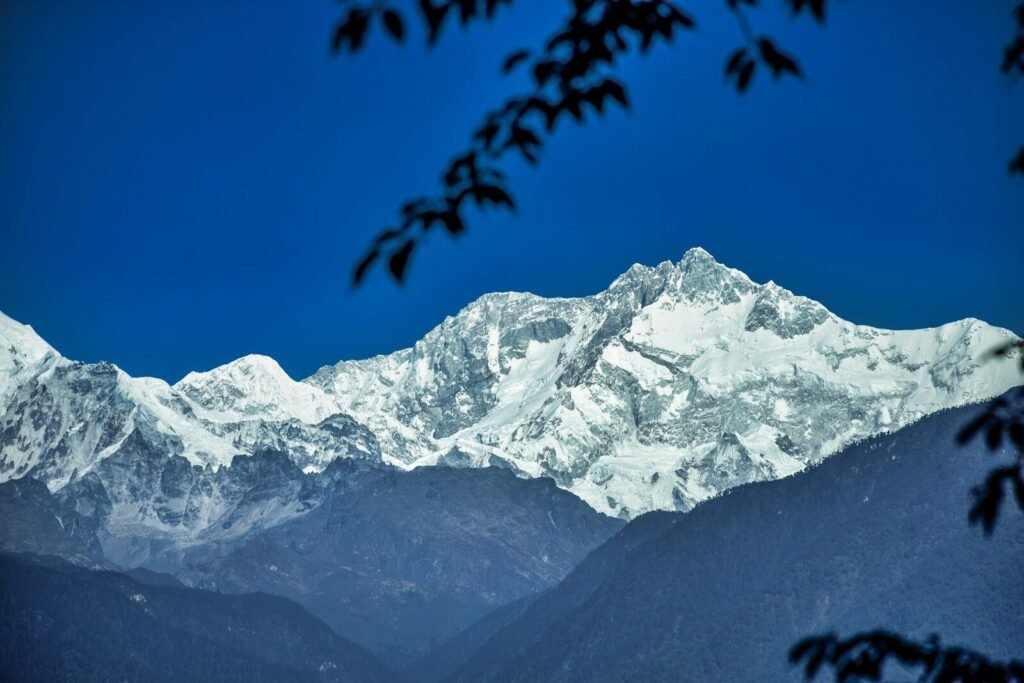
Spring (March–May) and autumn (September–November) are the most popular periods. Spring offers rhododendrons and blooming valleys; autumn gives clear skies and excellent views of the Himalaya. The monsoon (June–August) brings heavy rain and landslide risk—travel can be disrupted. Winter (December–February) is cold and often foggy, but you can experience snowfall in higher reaches.
2. How do I reach Gangtok?
- By air: The nearest major airport is Bagdogra (IXB) / Siliguri (about 125–135 km). Road transfer to Gangtok takes about 4–5 hours depending on traffic and road conditions. Helicopter services occasionally operate but are limited—check for current schedules.
- By train: New Jalpaiguri (NJP) station near Siliguri is the main railhead. From NJP it’s a 4–5 hour road transfer to Gangtok.
- By road: Regular private taxis and shared jeeps operate from Siliguri/Bagdogra. Roads are mountainous; allow extra time.
3. Do I need a permit to visit Gangtok or other places in Sikkim?
Permit rules differ by nationality and destination within Sikkim:
- Indian nationals: No special permit is required to enter Gangtok or most parts of Sikkim. Carry a valid photo ID (Aadhaar, voter ID, passport, driving licence). However, certain border or restricted areas (for example, Nathu La and parts of North Sikkim) require a permit that can be obtained from Sikkim tourism offices or registered tour operators.
- Foreign nationals: Certain areas in Sikkim (particularly border zones and North Sikkim) are protected and require a Protected Area Permit (PAP) or restricted-area permit. Foreign visitors to Gangtok typically must register with immigration/Foreigners’ Registration Office (FRO) if staying beyond the allowed duration; permits for day visits to places like Nathu La or North Sikkim must be arranged in advance, usually through a licensed operator or the FRO.
- Advice: Always confirm permit requirements before booking excursions to Nathu La, Tsomgo/Tsomgo (Changu) Lake, Lachung/Lachen, Gurudongmar Lake, etc., because regulations and processing times can change.
4. What are the must-see sights in and around Gangtok?
- MG Marg (Mahatma Gandhi Road): Pedestrian promenade—shops, cafes, restaurants.
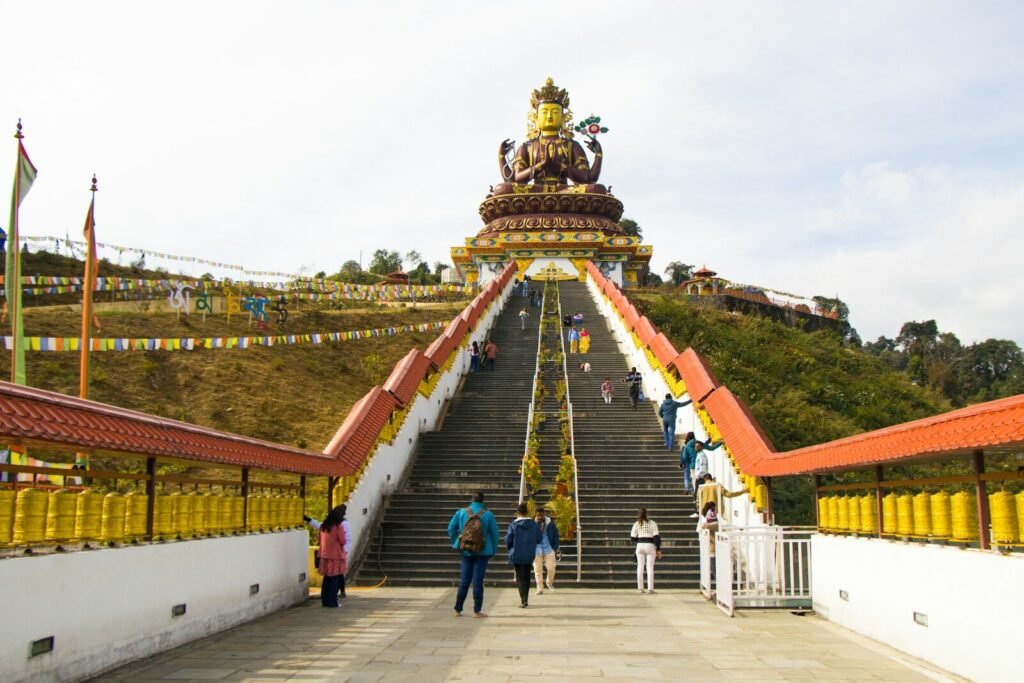
- Rumtek Monastery: Important Kagyu Buddhist monastery on the outskirts.
- Enchey Monastery and Do Drul Chorten: Prominent monasteries near the city.
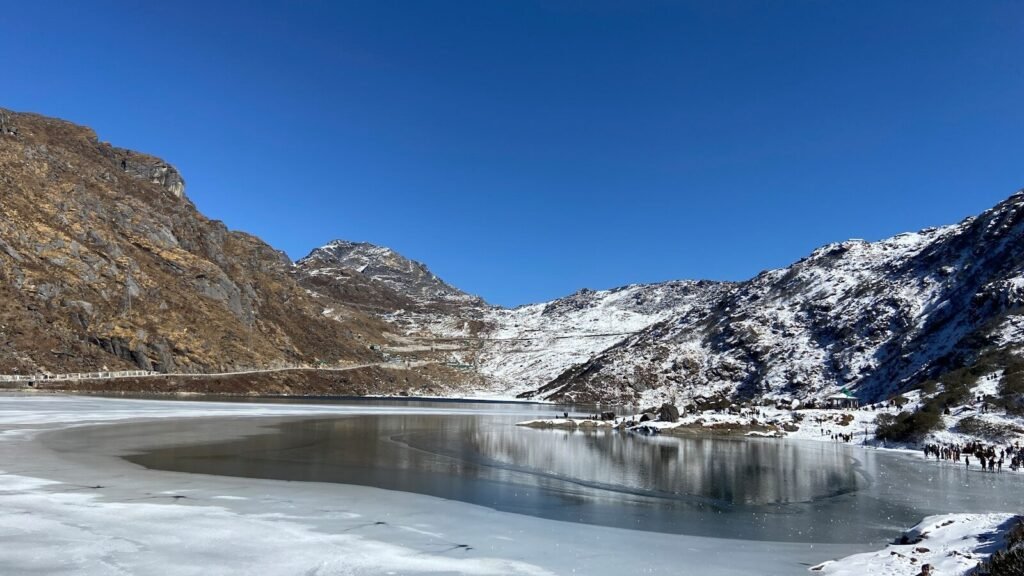
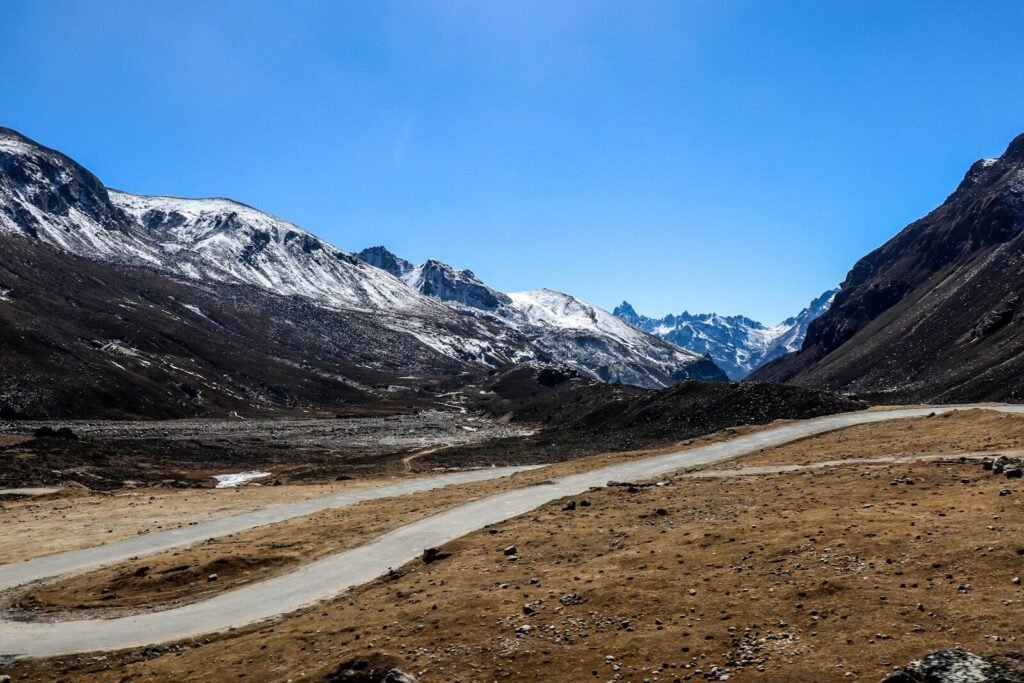
- Tsomgo (Changu) Lake: High-altitude glacial lake reachable as a day trip (permits required).
- Nathu La Pass: Historic mountain pass on the Indo-China border—visit subject to permit, army clearance and weather.
- Namgyal Institute of Tibetology & Flower Exhibition Centre: For culture and local flora.
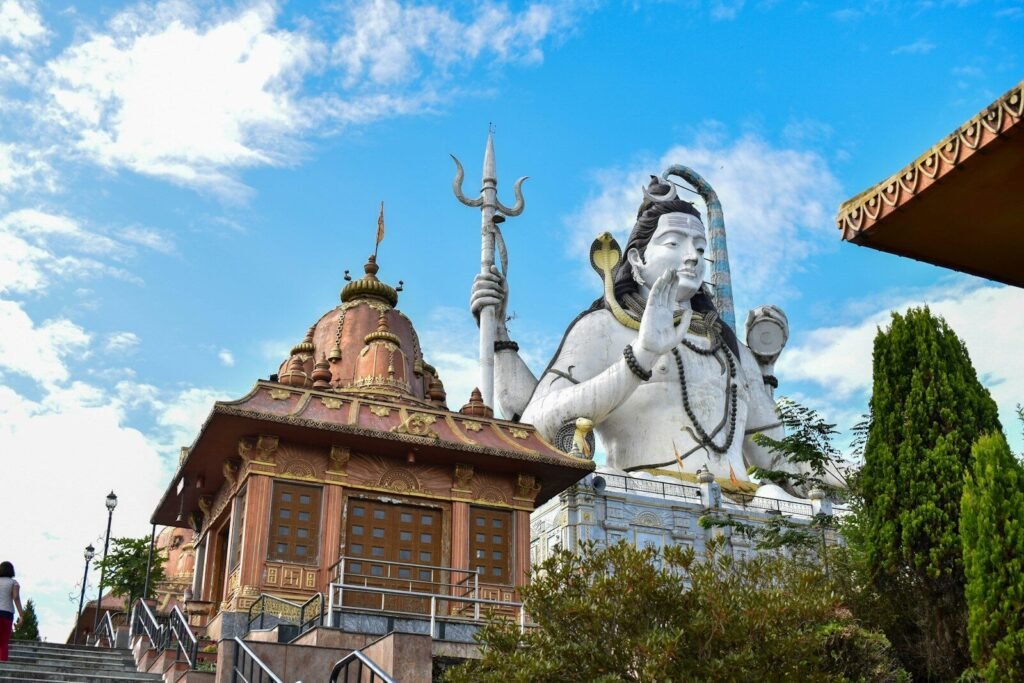
- Banjhakri Falls, Tashi Viewpoint, Hanuman Tok: Scenic spots within short drives.
5. How many days should I plan for Gangtok and nearby attractions?
Suggested durations:
- 2 days: Explore Gangtok town, monasteries, MG Marg, and local viewpoints.
- 3–4 days: Add Tsomgo Lake + Baba Mandir; consider half-day to Rumtek Monastery and nearby attractions.
- 5–7+ days: Include North Sikkim (Lachen, Lachung, Yumthang Valley, Gurudongmar Lake). These require more travel time and permits.
6. Is Gangtok safe for solo travellers and families?
Gangtok is generally considered safe for solo travellers and families. Basic precautions apply: keep valuables secure, avoid unlicensed guides, don’t leave belongings unattended and respect local customs. Mountain roads can be hazardous—use reputable drivers and allow daylight travel for longer trips. For medical emergencies, know your hotel’s contact and carry travel insurance.
7. What should I pack for Gangtok?
Essentials:
- Clothing: Layered clothing (temperatures vary by time and elevation). A warm jacket for mornings/evenings, waterproof jacket for monsoon, light layers for daytime.
- Footwear: Comfortable walking shoes; sturdy boots for treks.
- Health: Basic first-aid, prescription medicines, sunscreen, lip balm, insect repellent.
- Electronics: Universal power adapter (India uses 220–240V), power bank.
- Documents: Photo ID, passport (for foreigners), travel insurance, copies of permits and bookings.
8. How is the mobile network and internet in Gangtok and remote Sikkim?
Mobile coverage in central Gangtok is good for major Indian operators (Jio, Airtel, BSNL). Internet in hotels and cafes is generally reliable in town. Coverage becomes patchy or absent in high-altitude and remote areas such as Lachen, Lachung, Gurudongmar and some roads—plan accordingly and download maps or information offline.
9. Are ATMs and card payments widely available?
Gangtok has ATMs and many hotels, restaurants and shops accept cards. However, in remote areas (North Sikkim, high mountain villages) cash is often required. Carry sufficient INR cash, especially when travelling beyond Gangtok.
10. What local foods should I try in Gangtok?
Don’t miss local Himalayan cuisine:
- Momos: Steamed or fried dumplings (vegetarian and meat variants).
- Thukpa: Noodle soup—hearty and warming.
- Gundruk: Fermented leafy vegetable dish.
- Sikkimese tea & local snacks: Try traditional teas and baked goods in cafes on MG Marg.
11. Can I visit Nathu La and Tsomgo Lake from Gangtok?
Yes—these are popular day-trips, but:
- Tsomgo (Changu) Lake: Accessible as a day trip; permits required and vehicle limits apply.
- Nathu La Pass: Visit is subject to military regulations, weather, and permit availability. Permits must be arranged in advance, usually through a registered tour operator or Sikkim Tourism. Nathu La is sometimes closed for security or environmental reasons—confirm before planning.
12. What about altitude sickness—do I need to worry?
Gangtok’s altitude (~1,650 m) is moderate and most visitors acclimatise easily. Altitude sickness becomes a concern only when travelling to higher altitudes (e.g., Gurudongmar, Yumthang). Preventive tips:
- Ascend gradually and allow a rest day in Gangtok before higher excursions.
- Stay hydrated, avoid alcohol and heavy exertion initially.
- Consult a doctor before taking medications like acetazolamide—only use on medical advice.
13. Are there guided tours and trekking options from Gangtok?
Yes. Gangtok is a base for day tours, cultural tours and multi-day treks. Popular treks include short nature walks and more demanding routes in North Sikkim and neighboring regions. Use licensed guides and operators—particularly for remote areas requiring permits.
14. What cultural etiquette should visitors follow?
- Ask permission before photographing people, monks or religious ceremonies.
- Remove shoes and hats when entering monasteries and holy sites where required.
- Dress modestly when visiting religious places.
- Respect local customs and be polite when engaging with locals.
15. How eco-friendly is tourism in Sikkim? Any rules I should follow?
Sikkim is a leader in sustainable policies (notably its organic farming push). It has strict rules on plastics—single-use plastics are discouraged or banned in many areas. Travel responsibly:
- Carry reusable water bottles and avoid littering.
- Use local homestays and services to support the community.
- Do not buy products made from protected species or unsustainable materials.
Practical tips and sample itineraries
Practical travel tips
- Book early in peak season: Accommodation fills quickly during spring/autumn and festival periods.
- Transport: Hire reputable drivers or book through recognised tour operators for long drives and border-area visits.
- Local currency: Keep cash handy; some small shops and mountain lodges are cash-only.
- Weather: Mountain weather can change fast—carry rain gear and warm layers year-round.
- Health insurance: Travel insurance with emergency evacuation cover is recommended for higher-altitude itineraries.
Sample 3-day itinerary (Gangtok + Tsomgo)
- Day 1: Arrive Gangtok, relax on MG Marg, visit Banjhakri Falls and local markets.
- Day 2: Rumtek Monastery, Do Drul Chorten, Namgyal Institute of Tibetology, Tashi Viewpoint at sunrise.
- Day 3: Full-day trip to Tsomgo Lake and optionally Baba Harbhajan Singh Mandir (permit required). Return to Gangtok in the evening.
Sample 6-day itinerary (Gangtok + North Sikkim)
- Day 1: Arrive Gangtok, local sightseeing.
- Day 2: Rumtek + local museums. Permits check for North Sikkim.
- Day 3: Drive to Lachen (overnight)
- Day 4: Gurudongmar Lake day trip (early morning), transfer to Lachung.
- Day 5: Visit Yumthang Valley and hot springs, return to Gangtok.
- Day 6: Buffer day for travel delays, depart.
Useful final notes
Plan permits early: For Nathu La, North Sikkim and certain border zones, apply for permits well before travel—processing can take time.
Respect the mountains: Weather, landslides and road closures can affect travel. Keep a buffer day in your plans and check local advisories.
If you want, I can create a customised itinerary, list of reliable tour operators, or a printable packing checklist tailored to your travel dates and group size.
Safe travels — enjoy Gangtok’s culture, scenery and hospitality!