Best Time to Visit Gangtok, Sikkim — A Tourism Guide
Gangtok, the capital city of Sikkim, sits at an elevation of about 1,650 metres (≈5,400 ft). Its pleasant hill-climate, Buddhist monasteries, panoramic views of the Kanchenjunga range and easy access to high-altitude lakes make it a popular tourism hub. Choosing the right time to visit impacts weather, sightseeing visibility, festivals and outdoor activities. This guide explains season-by-season considerations, month-by-month advice, activities, practical tips and sample itineraries so you can pick the best time for your trip.
Overview: Climate and Why Timing Matters
Gangtok experiences four main weather patterns: spring, summer/monsoon, autumn and winter. Temperature swings are moderate in the town itself but can be extreme at higher altitudes (Tsomgo Lake, Nathula Pass, North Sikkim). Weather affects:
- Mountain visibility — clear skies in autumn and parts of spring give the best views of Kanchenjunga.
- Outdoor activities — trekking, high-altitude lakes and passes are best in non-monsoon months.
- Road conditions — monsoon increases risk of landslides and travel disruption.
- Flora and wildlife — spring brings orchids and rhododendrons; monsoon brings lush greenery.
Season-by-Season Guide
Spring (March – May)
Weather: Mild days, cool nights. Day temperatures typically range from 10–20°C; nights can dip toward 5°C.
- Pros: Rhododendrons and orchids bloom, pleasant trekking and sightseeing weather, fewer clouds than monsoon, good for photography.
- Cons: Can become busy toward April–May (pre-summer vacations).
- Best for: Nature walks, birdwatching, low-to-mid altitude treks, sightseeing, photography.
Summer / Monsoon (June – September)
Weather: Warm, humid and wet. Heavy rainfall is common. Temperatures in town are comfortable (15–25°C) but roads higher up become risky.
- Pros: Lush green landscapes, fewer tourists, lower hotel rates, dramatic waterfalls.
- Cons: Landslides and roadblocks are frequent; high-altitude passes and some treks are closed or unsafe; visibility for mountain photography is poor.
- Best for: Travelers prioritizing quiet, low-cost travel and green-scene photography — but be prepared for possible disruptions.
Autumn (October – November)
Weather: Clear, dry and cool. Temperatures generally range from 8–18°C with crisp mornings and evenings.
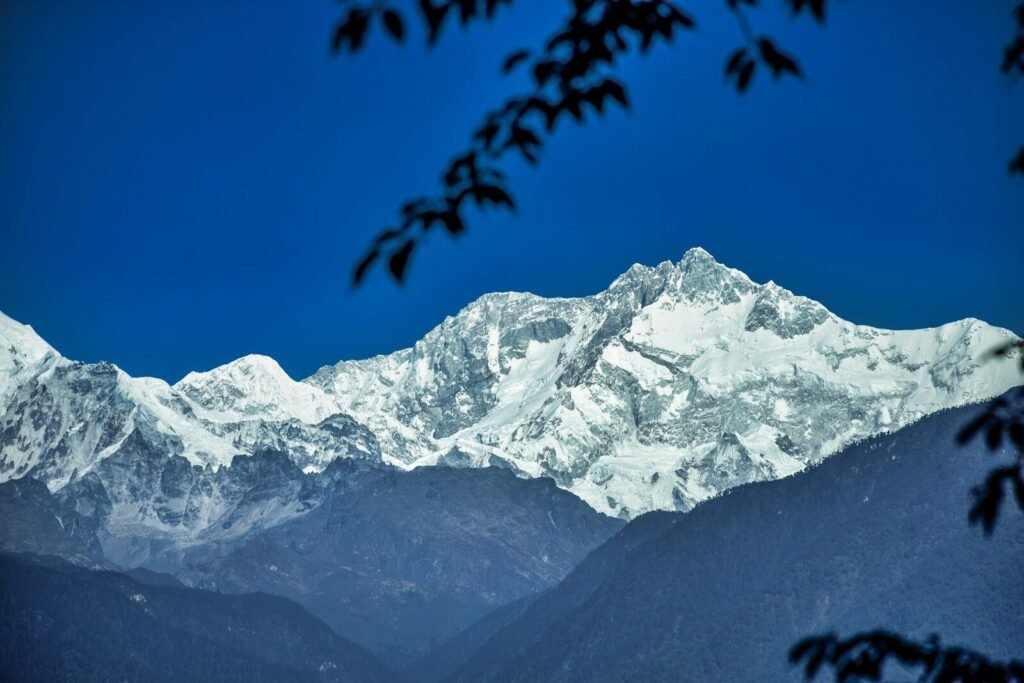
- Pros: Best visibility — spectacular views of Kanchenjunga and surrounding peaks, comfortable weather, ideal for trekking and photography.
- Cons: Peak tourist season — hotels and transport book up early, higher prices.
- Best for: Mountain views, photography, high-altitude treks (lower risk of rain), festivals.
Winter (December – February)
Weather: Cold, especially at night. Town temperatures often hover between 0–10°C; higher altitudes can be below freezing with snow.
- Pros: Clear skies and crisp air; panoramic views; fewer tourists; festive season (New Year, local festivals).
- Cons: Snow can close higher passes and some roads; mornings are very cold; some guesthouses at higher altitudes may be closed.
- Best for: Travelers who want clear mountain photos, quiet sightseeing and winter scenery.
Month-by-Month Recommendations (Quick)
- January: Cold, clear skies — good for views and festivals (Losoong in some communities). Higher reaches may have snow.
- February: Cold to mild; Losar (Tibetan New Year) may occur — good for cultural experiences and views.
- March: Spring begins — rhododendrons start to bloom; excellent for nature and trekking at lower altitudes.
- April: One of the best months — warm days, long clear windows of mountain visibility, full spring blooms.
- May: Pleasant; a popular vacation month — book early for hotels and transport.
- June–August: Monsoon season — heavy rain, slippery roads; trips to higher areas may be risky.
- September: Transition to autumn — rainfall reduces; visibility improves; good time for treks and rafting on the Teesta.
- October–November: Prime season — best mountain views, cool comfortable weather, festivals — high demand.
- December: Cold but clear — possible snowfall in higher reaches; quieter tourism and festive atmosphere.
Festivals and Cultural Highlights
Festivals in Gangtok and Sikkim revolve around Buddhist and local traditions. Dates are lunar and change each year. Notable events include:
- Losar (Tibetan New Year — typically Jan/Feb): Monastery ceremonies, mask dances and cultural programs.
- Losong / Namsoong (Sikkimese harvest festival — Dec/Jan): Celebrations in North Sikkim and among Bhutia communities.
- Pang Lhabsol (late Aug/Sept): A unique festival to honor mountain deities that includes traditional dances and rituals.
- Bumchu / Tashiding rituals (spring months occasionally): Sacred water festival at some monasteries — check local calendars.
- Saga Dawa (Buddhist holy month, May/June): Pilgrimages and religious observances.
Always check current-year festival dates as they follow lunar calendars and may shift.
Activities — When to Do What
- Trekking: Best in March–May and September–November — stable weather and clear trails.
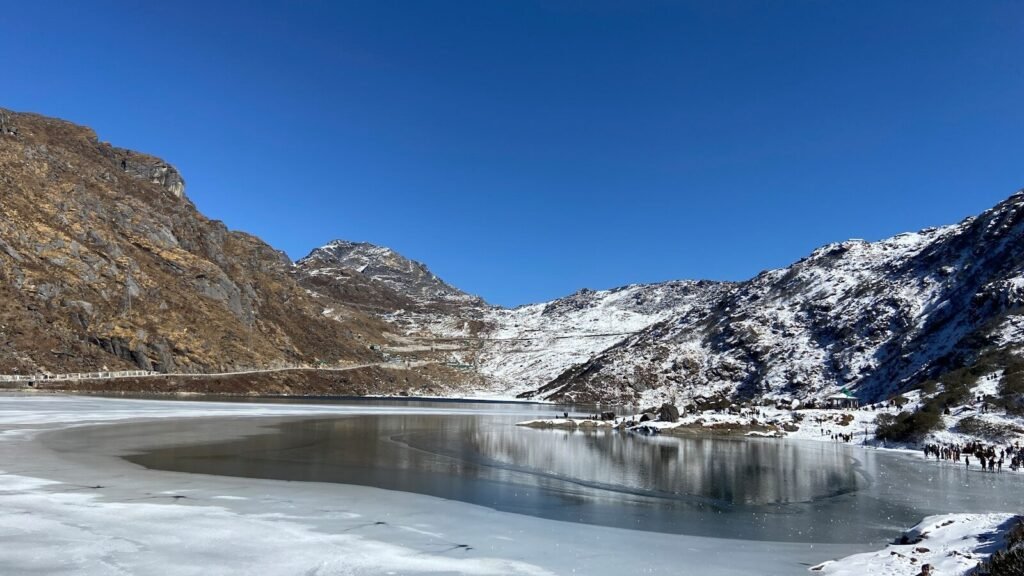
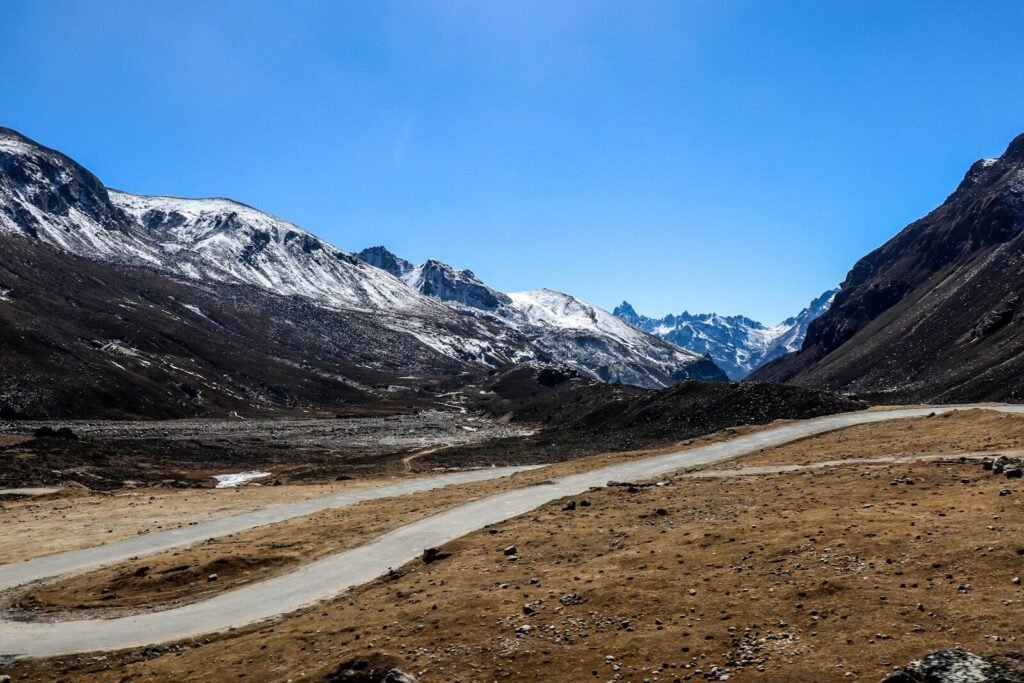
- High-altitude lakes and passes (Tsomgo, Nathula): Best in March–June and September–November. Nathula requires permits and can be closed in winter.
- Wildlife & Birdwatching: Spring is excellent for birds and orchids; winter is good to spot altitudinal migrants and clear landscapes.
- River rafting on Teesta: Peak flows pre-monsoon (Apr–Jun) and post-monsoon (Sept–Oct) are best for rafting; monsoon is unpredictable.
- Photography: For mountain vistas, choose October–November or February–April. For flora, choose March–May.
Permits, Safety and Practical Travel Tips
Permits
Check permit requirements before travel. Rules can change — confirm with official sources. General guidance:
- Foreign nationals usually require a Protected Area Permit (PAP) to enter Sikkim; some restricted areas (Nathula, certain border zones) need additional permits issued by authorities.
- Indian nationals typically do not need a PAP for most of Sikkim, but specific border zones and passes require permits.
- Obtain permits well in advance for visits to Nathula Pass and North Sikkim; many require day-wise quotas or escorted travel.
Getting There and Around
- Nearest airport: Bagdogra (IXB), about 120–140 km by road (4–5 hours to Gangtok in good conditions).
- Nearest major railway: New Jalpaiguri (NJP) / Siliguri, then road transfer.
- Local transport: Taxis, shared jeeps and private cars; inner-city walking is easy around MG Marg and nearby attractions.
Health, Safety and Altitude
- Altitude: Gangtok is a moderate-altitude town; most visitors adapt quickly. Allow extra time before attempting higher-altitude excursions to places above 3,000 m.
- Altitude sickness: Recognize symptoms (headache, nausea, dizziness). Descend and seek medical help if severe. Stay hydrated and avoid alcohol on day one.
- Road safety: Monsoon months bring landslide risk — travel with experienced drivers and keep flexible schedules.
- Travel insurance: Recommended, especially if you plan treks or high-altitude visits.
Packing Checklist (Season-Specific)
- Year-round essentials: Comfortable walking shoes, light daypack, sunscreen, sunglasses, insect repellent, photocopies of permits and ID, cash (smaller towns sometimes have limited card facilities).
- Spring/Autumn: Layered clothing (t-shirts, light fleece, windproof jacket), hat, light gloves for evenings.
- Monsoon: Waterproof jacket, quick-dry clothes, waterproof bags for electronics, strong footwear with grip.
- Winter: Warm insulated jacket, thermal layers, woolen hat, gloves, warm socks and good walking boots.
Suggested Itineraries
3-Day Gangtok (Short Stay)
- Day 1: Arrival, MG Marg, local market, Namgyal Institute of Tibetology, Do Drul Chorten.
- Day 2: Rumtek Monastery, Hanuman Tok, Enchey Monastery, Banjhakri Falls.
- Day 3: Changu (Tsomgo) Lake & Baba Harbhajan Singh Memorial OR a half-day ropeway/photography spots; depart.
5-Day Classic (Gangtok + East Sikkim)
- Day 1–2: Explore Gangtok (as above).
- Day 3: Tsomgo Lake, nearby valleys.
- Day 4: Full-day to Nathula Pass (if permits available) or explore local villages.
- Day 5: Departure via NJP/Bagdogra.
7+ Days (Including North Sikkim)
- Include Lachen and Lachung, Gurudongmar Lake, Yumthang Valley (seasonal — Yumthang’s famous for spring rhododendrons and the winter snow scenery).
- Note: North Sikkim requires permits and road conditions are season-dependent.
Photography and Wildlife Tips
- Golden hours: Early mornings and late afternoons give the best light for Kanchenjunga photos.
- Clear-view months: October–November and February–April are most reliable for unobstructed mountain vistas.
- Birding: Bring binoculars in spring; watch for Himalayan species and migratory birds in lower valleys.
Final Recommendation — When to Go?
If you must pick one overall period: March–May and October–November offer the best combination of good weather, outdoor access and scenic beauty.
Choose spring (Mar–May) for rhododendron blooms, pleasant temperatures and excellent nature/wildlife watching.
Choose autumn (Oct–Nov) for the clearest mountain views, great trekking conditions and festival experiences — but book early.
Avoid the main monsoon months (June–September) if you want uninterrupted travel and road reliability. Winter (Dec–Feb) is great for clear skies and fewer crowds but be prepared for cold and some pass closures.
Quick Checklist Before You Book
- Check current permit requirements and obtain PAP/entry permissions if needed.
- Confirm road and weather reports (especially during monsoon and winter).
- Book accommodation and transport early for peak seasons (spring and autumn).
- Pack for layering and variable weather; carry medications for altitude symptoms.
Enjoy Gangtok: With the right timing you’ll experience spectacular mountain vistas, vibrant monasteries and unique Himalayan culture. Plan according to your priorities (scenery, festivals, trekking or quiet exploration) and pick the season that best matches them.