Best Time to Visit Ghoom Monastery, Darjeeling — A Tourism Guide
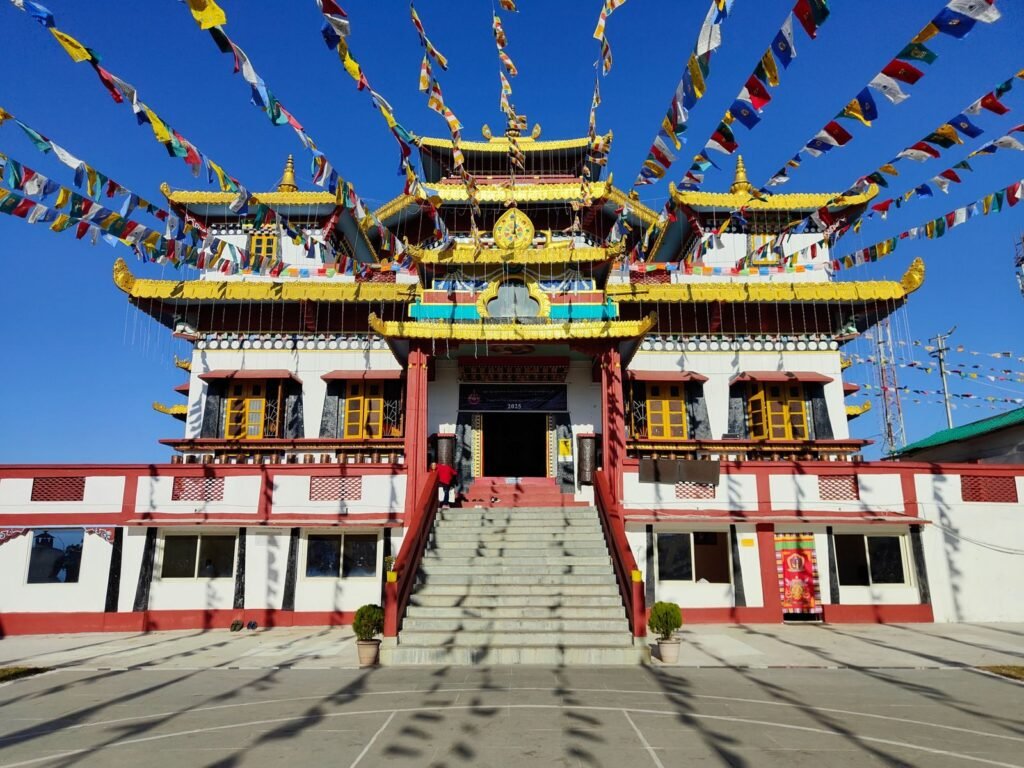
Ghoom Monastery (also spelled Ghum; formally Yiga Choeling) is a landmark Tibetan Buddhist monastery located on a high ridge just outside Darjeeling. Perched near the historic Ghum railway station and the famous Batasia Loop, the monastery is valued for its spiritual atmosphere, striking architecture and a large Maitreya (future Buddha) statue that draws pilgrims and visitors alike. Choosing the right time to visit will shape your experience—views, weather, local festivals and accessibility all change through the year.
Quick Snapshot
- Best overall months: October–December (autumn) and March–May (spring)
- Best for clear mountain views: October–November; March–April
- Best for cultural experience (Losar): February–March (check lunar calendar)
- Least recommended: June–September (monsoon) due to heavy rain and poor visibility)
Why Visit Ghoom Monastery
- Spiritual and cultural experience: Active monastic life, morning prayers and a peaceful atmosphere for meditation and photography.
- Architecture and art: Traditional Tibetan murals, statues and colourful prayer flags.
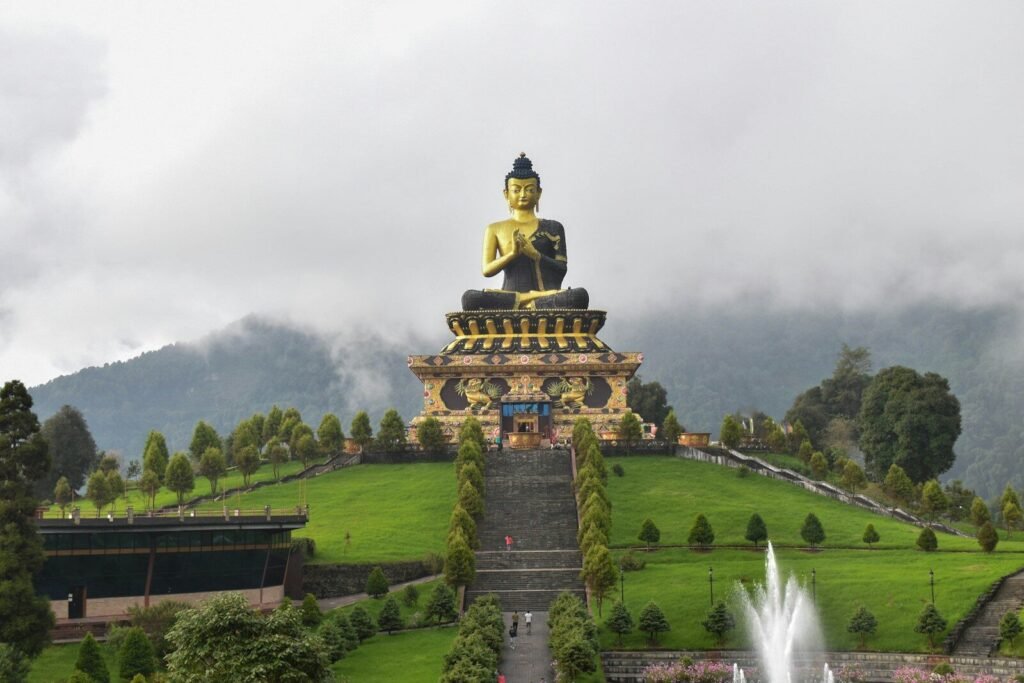
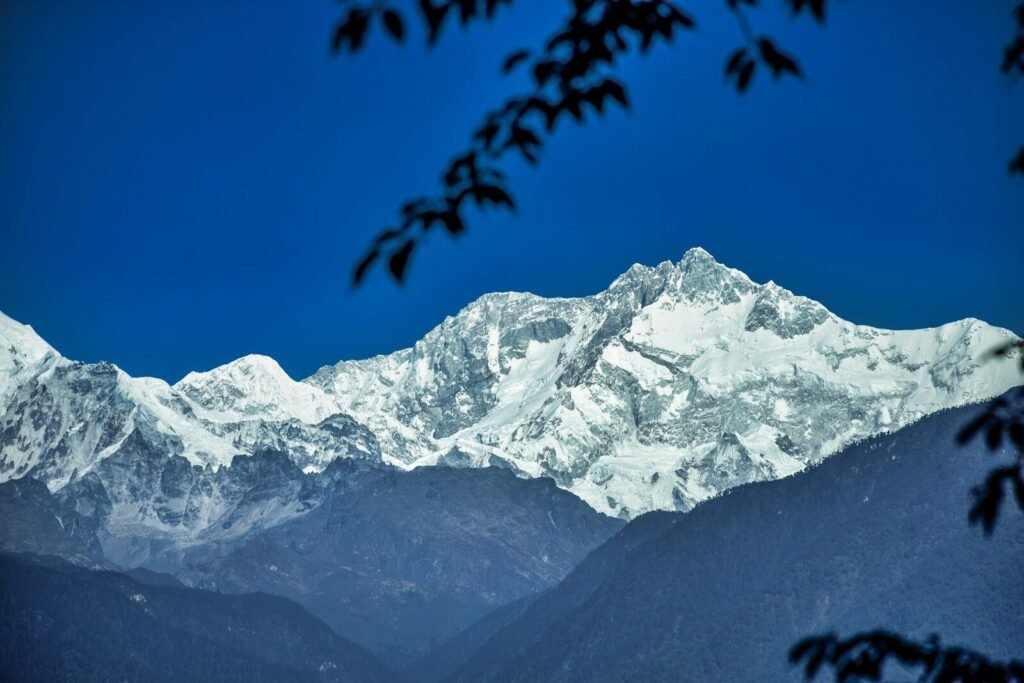
- Scenic location: Hilltop position with panoramic views of the Darjeeling hills and, on clear days, the Himalayan skyline including views toward Kanchenjunga.
- Easy day-trip from Darjeeling: Short drive or toy-train ride makes it accessible for most visitors.
Seasons and What to Expect
Spring (March–May)
Why go: Spring is one of the best times to visit. Temperatures are mild, rhododendrons and wildflowers are often in bloom, and the air tends to be clear—ideal for both cultural visits and photography.
- Weather: Cool to pleasant daytime temperatures; chilly evenings.
- Visibility: Generally good; clear mountain views are common.
- Crowds: Moderate; increasing around Easter and local holidays.
- Clothing: Layered clothing — a light jacket or fleece for mornings/evenings.
Summer / Monsoon (June–September)
Why think twice: The monsoon brings heavy rain, mist and frequent cloud cover. Roads and trails in the region can be slippery; landslides occasionally affect transport routes. Mountain views are usually obscured.
- Weather: Wet, humid and cool with poor visibility.
- Visibility: Often low—clouds and drizzle hide the Himalayan peaks.
- Crowds: Low to moderate; fewer tourists but expect local wet-season travel disruptions.
- Precautions: Carry rain gear; check road conditions before travel.
Autumn (October–December)
Why go: Autumn is widely regarded as the best time to visit Darjeeling and Ghoom Monastery. Post-monsoon clarity, crisp air and stable weather produce spectacular mountain views and comfortable sightseeing conditions.
- Weather: Cool and dry; especially pleasant in October–November.
- Visibility: Excellent—great time for Himalayan vistas and photography.
- Crowds: High, especially in October–early December (peak tourist season).
- Clothing: Warm layers for mornings and evenings; sun protection for midday.
Winter (January–February)
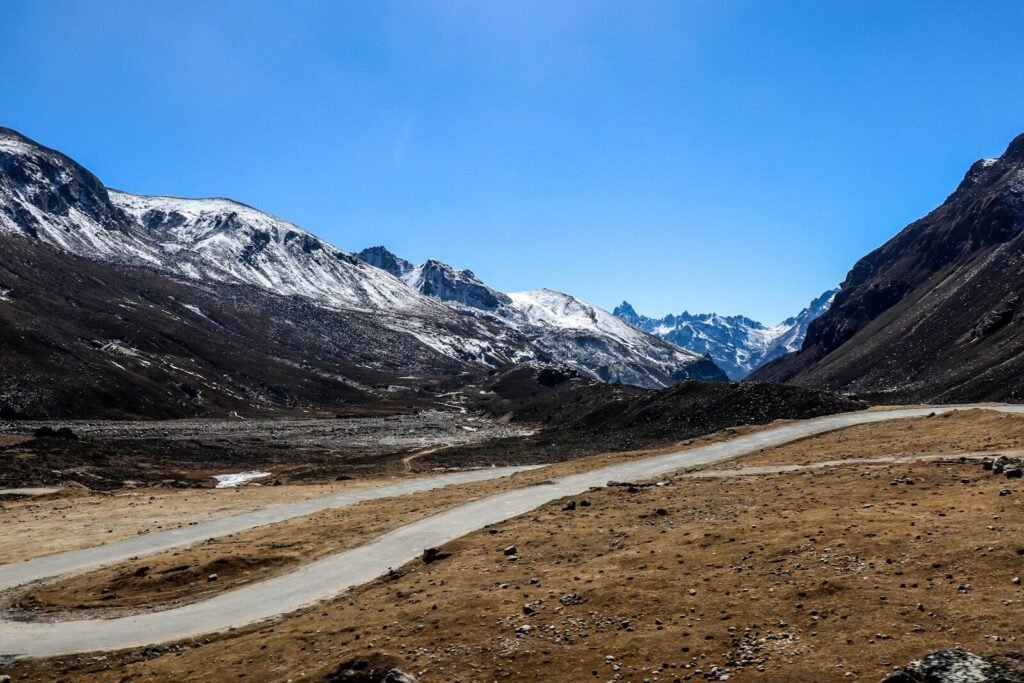
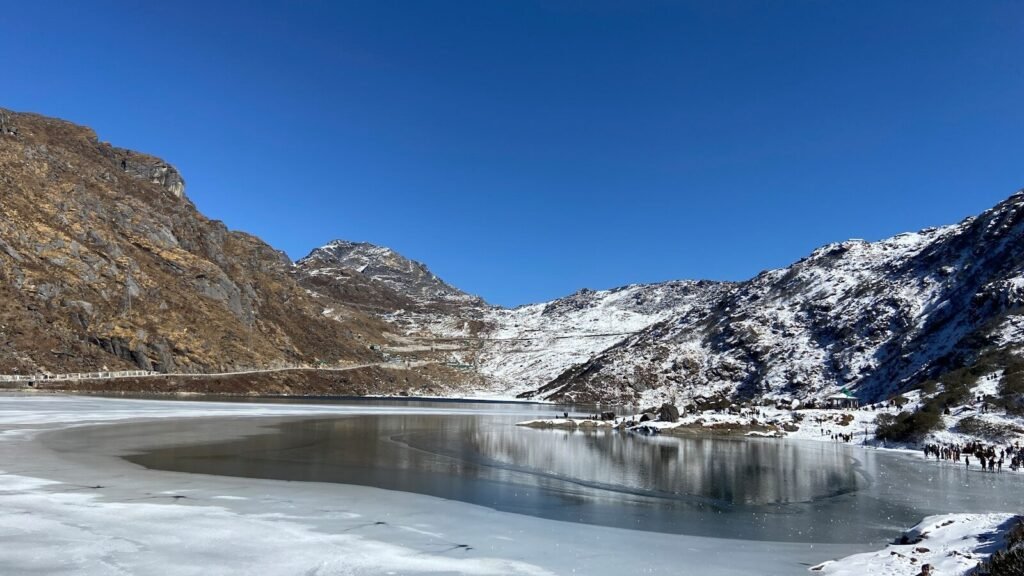
Why consider: Winters are cold and crisp. Clear days offer good views, and on rare occasions higher ridges may get light snowfall—creating a tranquil, quiet atmosphere. However, nights are cold and some travelers may find it uncomfortable.
- Weather: Cold, especially at night; possible frost or light snow at higher elevations.
- Visibility: Often good on clear days, though occasional haze and winter fog can occur.
- Crowds: Low to moderate—good for those who prefer a quieter visit.
- Clothing: Warm jackets, gloves, hats and insulated footwear recommended.
Best Time of Day to Visit
- Early morning: Best for attending prayers, enjoying calm atmosphere and catching the soft morning light; cooler and less crowded.
- Late morning to midday: Comfortable for sightseeing, photography and combining a visit with nearby attractions (Batasia Loop, tea gardens).
- Late afternoon: Good for sunset hues and quieter moments; be mindful that temperatures drop quickly after sunset.
Festivals & Cultural Events
Losar (Tibetan New Year) is an important festival in the Tibetan Buddhist calendar and is often observed at Ghoom Monastery with rituals, dances and community events. The festival date varies each year (based on the lunar calendar), typically falling in late winter or early spring—planning your visit around Losar offers a deeper cultural experience, but check local dates in advance.
Etiquette and Photography
- Respectful dress: Dress modestly—cover shoulders and knees when entering the prayer hall.
- Shoes and hats: You may be asked to remove shoes before entering certain areas—follow local signs and instructions.
- Silence and behaviour: Keep voices low, avoid disrupting worshippers and do not point or use flash while photography during prayers.
- Photography permissions: Always ask permission before photographing monks, devotees or ritual objects. Some areas may be closed to photography.
- Donations: Donations and offerings are welcome; avoid commercial filming without prior permission.
Getting There & Nearby Attractions
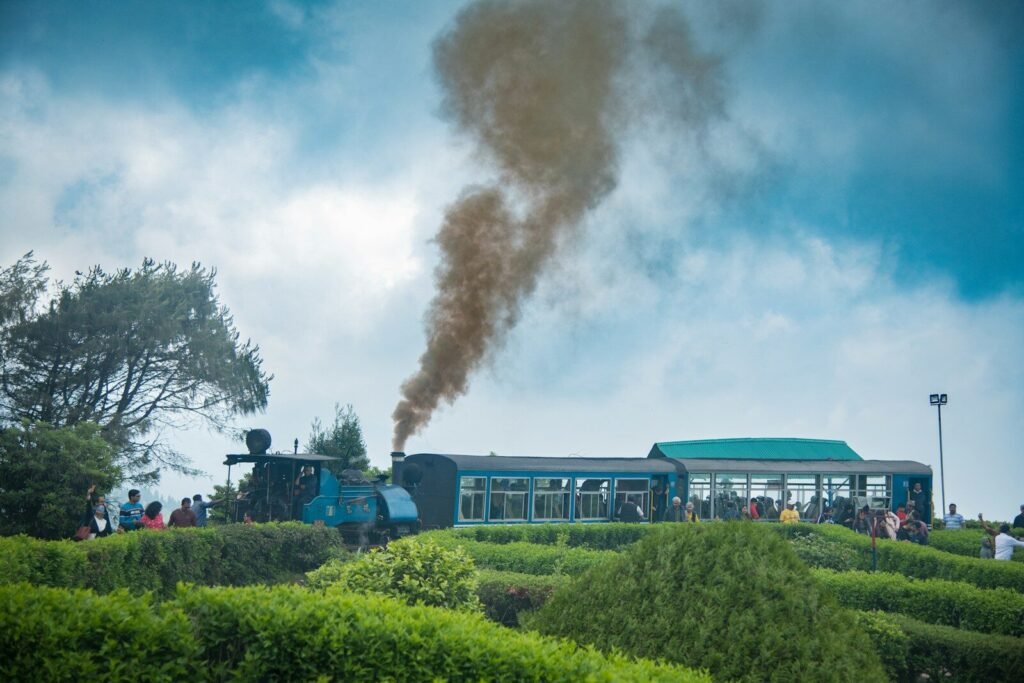
Ghoom is a short drive (typically under 30–45 minutes depending on traffic) from central Darjeeling. The heritage Darjeeling Himalayan Railway (toy train) stops at Ghum railway station, providing a scenic and memorable way to reach the monastery. Taxis and local buses are also available. Nearby points of interest that can be combined with a visit include Batasia Loop, the Himalayan Mountaineering Institute and the Padmaja Naidu Himalayan Zoological Park.
Practical Tips for Tourists
- Duration: Allocate 1–2 hours for the monastery (more if attending longer rituals or combining with nearby sights).
- Accessibility: The site sits on a ridge with steps in places; visitors with limited mobility should plan accordingly.
- Health and altitude: The area is at a moderate altitude—stay hydrated and avoid strenuous activity immediately after arrival if you are not acclimatised.
- What to pack:
- Layered clothing (temperatures vary rapidly)
- Rain jacket/umbrella (especially in monsoon months)
- Sun protection—hat, sunglasses, sunscreen
- Comfortable walking shoes
- Small cash for donations, tea stalls and local purchases
- Safety: Check local weather and road conditions during monsoon and winter; travel with licensed taxis when possible.
Sample Day-Trip Plan from Darjeeling
Morning
- Early start: Drive or toy-train to Ghum; attend morning prayers at the monastery and walk around the shrine.
- Visit Batasia Loop for panoramic views and the war memorial.
Midday
- Return to Darjeeling for lunch and visit a tea garden or a museum (e.g., Himalayan Mountaineering Institute).
Afternoon
- Stroll the Mall Road, shop for local handicrafts or visit another monastery in Darjeeling before sunset.
Final Recommendation
If you want the clearest views and the most comfortable sightseeing conditions, plan your visit in autumn (October–December) or spring (March–May). Early mornings on clear days provide the best light and a tranquil atmosphere for appreciating both the spiritual ambience and the surrounding Himalayan scenery. Avoid the monsoon months if possible, unless you specifically enjoy lush green landscapes and don’t mind rain and potential travel delays.
With respectful behaviour, appropriate clothing and a bit of planning around weather and local festivals, a visit to Ghoom Monastery is a rewarding cultural and visual highlight of any Darjeeling itinerary.