Ghoom Monastery (Yiga Choeling) — A Tourist’s Guide to Things to Do
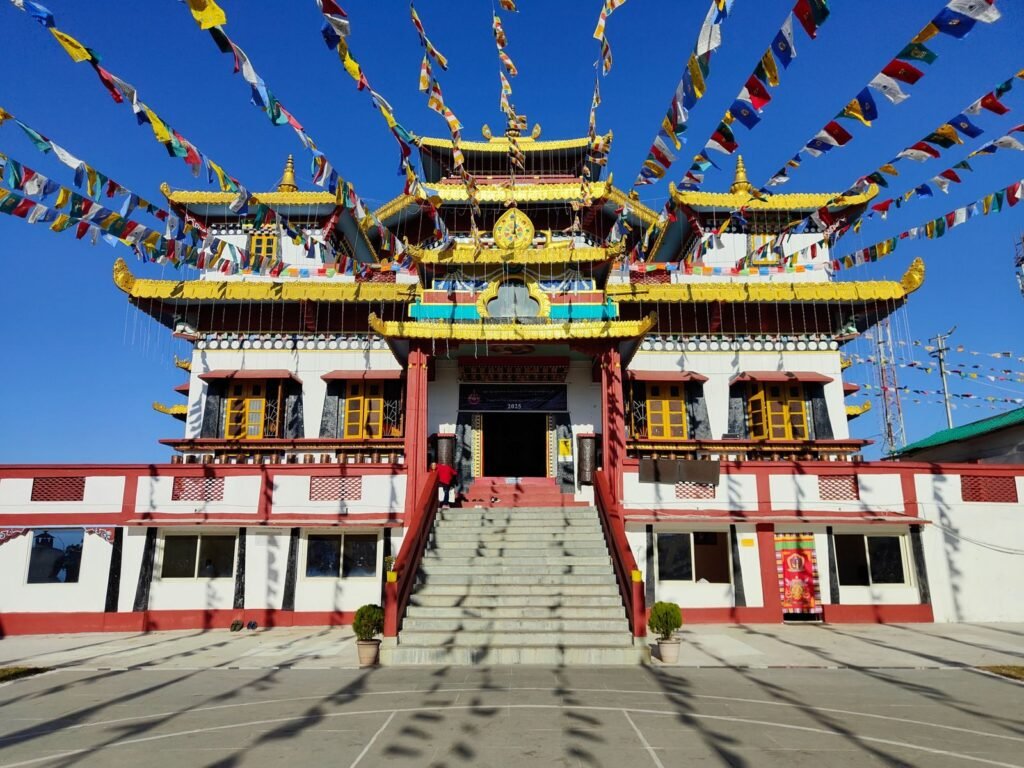
Ghoom Monastery, also known as Yiga Choeling, is one of the most visited Buddhist shrines around Darjeeling. Perched above the town of Ghoom near the historic Ghoom (Ghum) railway station, it offers spiritual ambiance, striking Himalayan views and a chance to experience Tibetan Buddhist culture close-up. This guide outlines the best things to do, practical tips, and how to plan your visit.
Quick Overview
What it is: A 19th-century Tibetan Buddhist monastery known locally as Yiga Choeling.
Why visit: Attend prayers, see the large Maitreya (future Buddha) statue, observe monks and ritual practices, enjoy mountain panoramas and combine the visit with other Darjeeling attractions.
Top Things to Do at Ghoom Monastery
1. Attend Morning or Evening Prayer Sessions
- Experience living Buddhism: Sit quietly and watch monks chant and perform rituals. This is the best way to feel the spiritual energy of the place.
- Tip: Arrive early to catch the most authentic sessions and to avoid crowds.
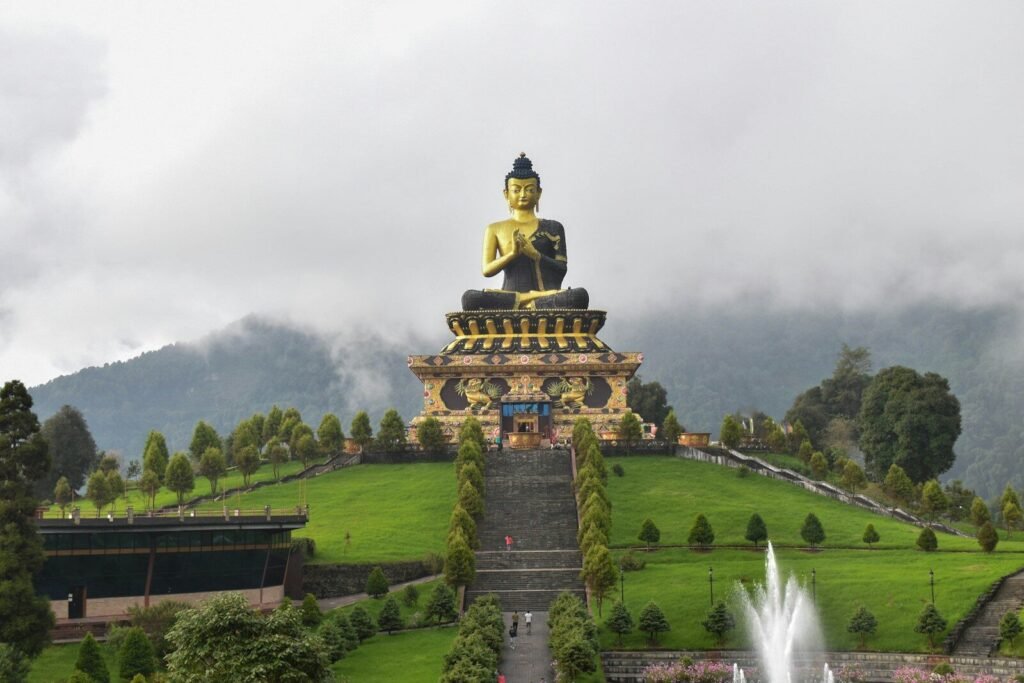
2. See the Maitreya Buddha Statue
- The monastery houses a large, impressive statue of Maitreya (the future Buddha). Spend time appreciating the iconography and intricate details.
- Photography: Ask permission before photographing the altar or ongoing rituals; flash is usually discouraged.
3. Explore the Monastery Architecture and Art
- Walk around to see colorful murals, prayer wheels, thangkas (religious paintings) and traditional Tibetan architectural elements.
- Look for carved woodwork, painted ceilings and the small shrines around the complex.
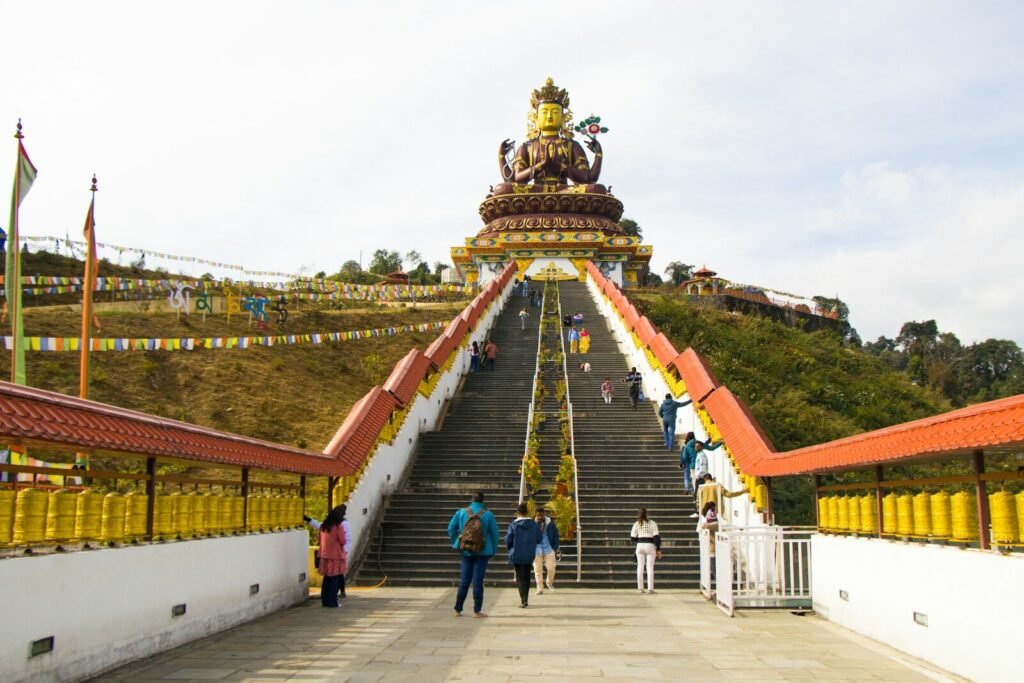
4. Spin the Prayer Wheels
- Follow local custom by walking clockwise around the complex and spinning the prayer wheels—considered a simple devotional act that carries meaning for practitioners.
- Be respectful: perform quietly and avoid obstructing worshippers.
5. Interact with Monks and Locals
- If polite and respectful, brief conversation with resident monks or lay devotees can provide insight into their daily life and beliefs.
- Consider purchasing a small souvenir or making a donation to support the monastery.
6. Photography and Panoramic Views
- The terrace areas provide splendid views of the surrounding hills. Capture sunrise or late-afternoon light for best photos.
- Respectively capture candid scenes of daily life—ask before photographing people close-up.
7. Attend Festivals and Special Ceremonies
- Major Buddhist festivals such as Losar (Tibetan New Year) and Buddha Jayanti draw vibrant rituals and performances—these are excellent times to witness local culture.
- Check local listings or ask at the monastery for specific festival dates, since they follow the lunar calendar.
8. Combine with Nearby Attractions
- Batasia Loop: A short drive away, offering a beautiful railway loop and memorials.
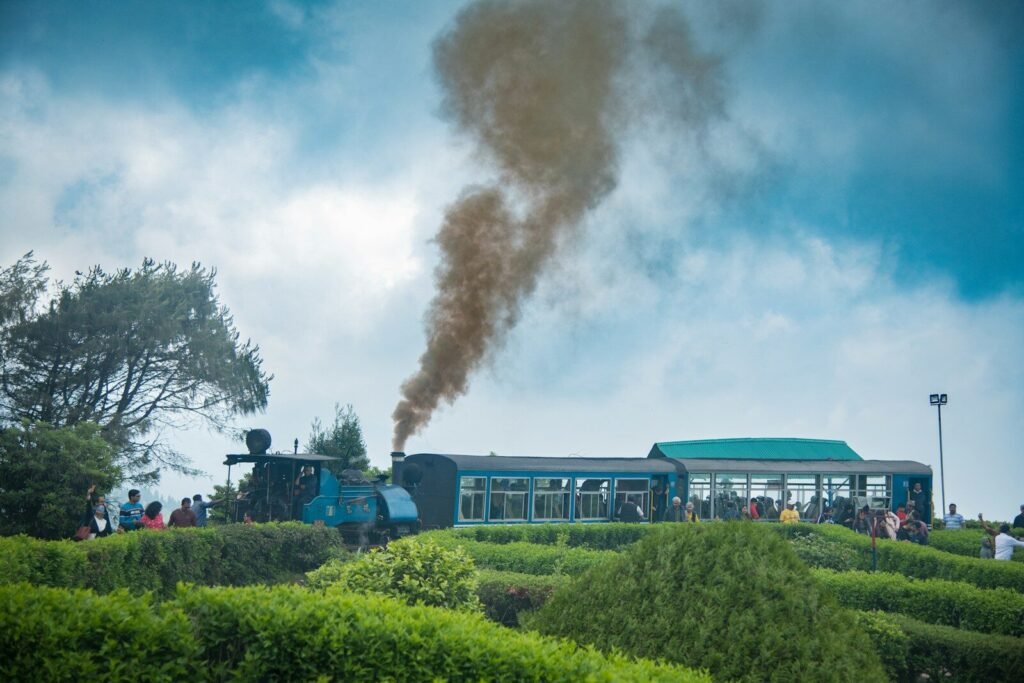
- Ghoom Railway Station: Visit the historic Darjeeling Himalayan Railway (toy train) station and its museum displays.
- Tenzing and other local monuments, tea gardens, HMI and zoo: Can be combined into a half- or full-day itinerary.
Practical Details & Visitor Tips
Opening Hours and Entry
- Monasteries typically open in the early morning and close by late afternoon. Exact times vary—confirm locally.
- Entry to the monastery itself is usually free; small donations to support upkeep are appreciated.
How to Reach Ghoom Monastery
- By car/taxi: About a short drive from central Darjeeling—an easy half-hour depending on traffic.
- By the Darjeeling Himalayan Railway (toy train): You can take the train to Ghoom station for a classic experience and walk to the monastery.
- Note: Narrow roads and sharp turns are common—choose a reputable driver.
Best Time to Visit
- Weather: Clear winter and spring months (October–April) usually offer the best mountain views; monsoon season (June–September) brings rain and limited visibility.
- Festival periods: Visit during Losar or Buddha celebrations for cultural richness, but expect larger crowds.
Dress Code & Etiquette
- Wear modest clothing that covers shoulders and knees. Remove hats, shoes and sunglasses if entering the main prayer hall.
- Keep voices low, switch phones to silent and avoid interrupting worshippers.
- Do not point your feet towards altars or touch sacred objects unless invited to do so.
Photography & Filming
- Photography is commonly allowed in the outer areas; always ask permission before photographing ceremonies, monks up close or inside the prayer hall.
- Avoid using flash near statues or during rituals.
Accessibility & Physical Considerations
- The site has steps and often uneven ground—those with mobility restrictions may find access challenging.
- Carry a jacket: the high-hill climate can be cold even in summer.
Suggested Itineraries
Half-Day Morning Plan
- Early sunrise at Tiger Hill (optional) → breakfast in Darjeeling → head to Ghoom Monastery for morning prayers → visit Ghoom railway station and Batasia Loop → lunch.
Full-Day Cultural Day
- Start at Ghoom Monastery → explore tea estate nearby with a plantation walk and tea tasting → visit Himalayan Mountaineering Institute and Zoo → evening stroll and shopping in Mall Road.
Nearby Places to Pair with Your Visit
- Batasia Loop and War Memorial — views of the hydrographic loop and mountains.
- Ghoom (Ghum) Railway Station and toy-train rides on the Darjeeling Himalayan Railway.
- Tea gardens around Darjeeling — organize a garden visit and tea-tasting session.
- Himalayan Mountaineering Institute (HMI) and Padmaja Naidu Himalayan Zoological Park — especially interesting for families and trekking enthusiasts.
Dos and Don’ts (Quick Checklist)
- Do remove shoes when required, ask before taking photos, make small donations if you can, and be respectful during prayers.
- Don’t touch sacred relics without permission, disrupt ceremonies, or wear revealing clothing in the prayer hall.
Packing & Preparation Suggestions
- Layered clothing and a warm jacket (temperatures can drop quickly).
- Comfortable walking shoes (you will likely walk on uneven surfaces).
- Small change for donations, water bottle, and a compact umbrella or raincoat during monsoon months.
- Respectful attitude and basic phrases like “Tashi Delek” (a local greeting) can be appreciated.
Final Notes
Ghoom Monastery is both a functioning religious center and a cultural landmark. Plan to spend at least one to two hours to soak up the atmosphere, attend a prayer session and explore the surroundings. Combine the visit with other Darjeeling highlights for a fuller experience of the region’s spiritual, colonial and natural charm. Always check current opening hours, festival dates and local travel advisories before you go.
Enjoy your visit — and remember to be respectful, quiet and curious.