Ghoom Monastery

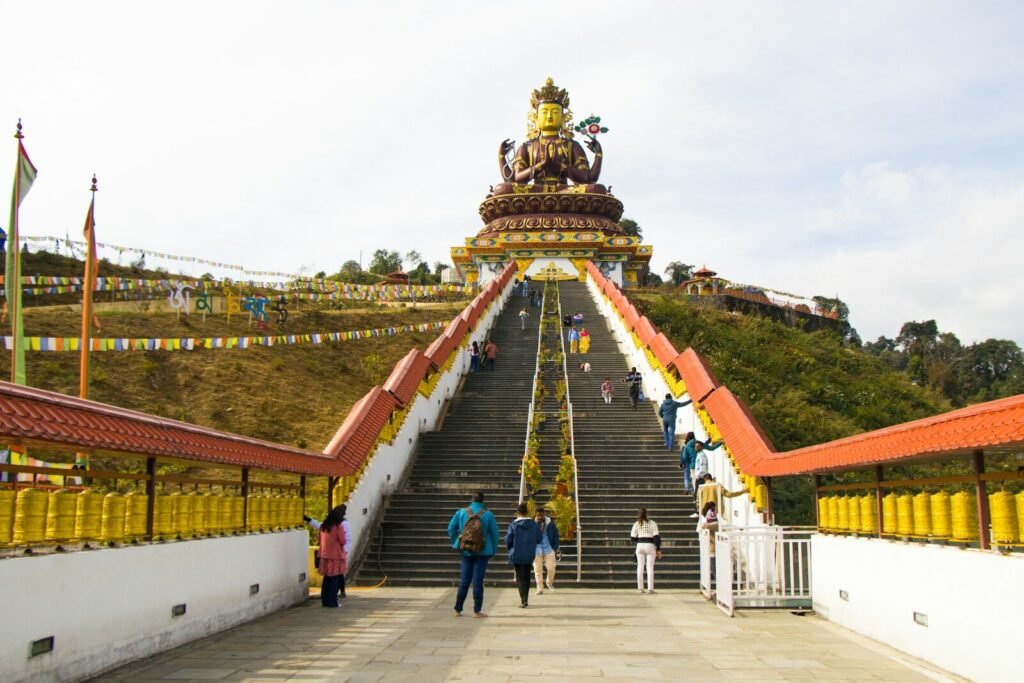
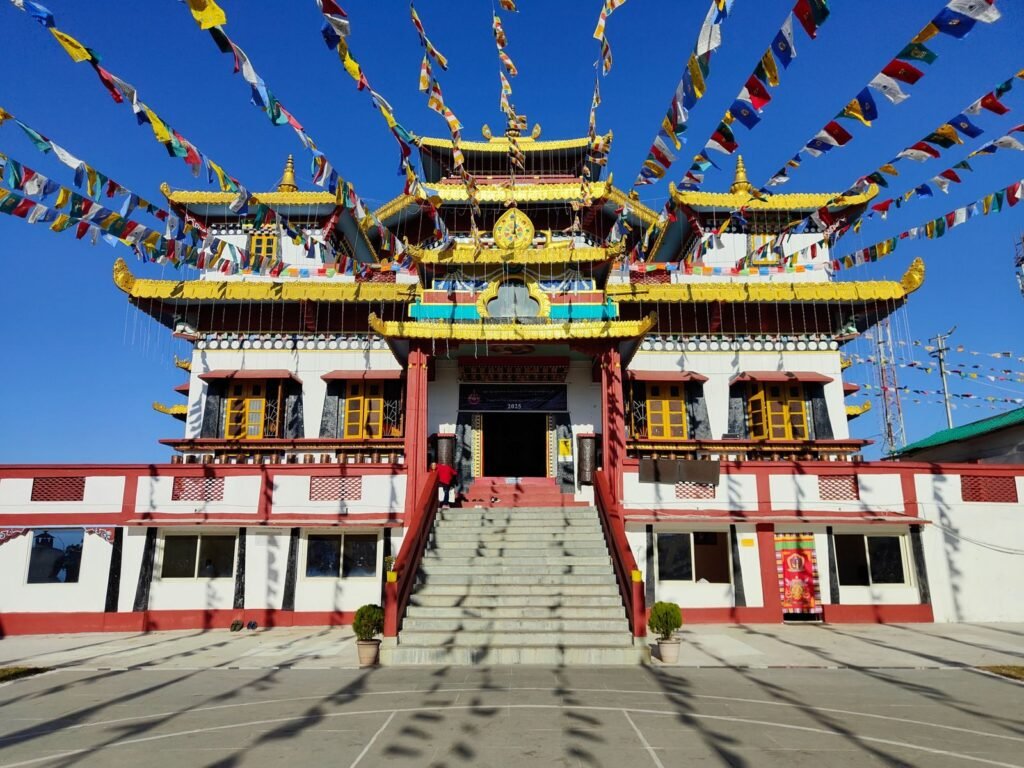
Ghoom Monastery in Darjeeling with colorful prayer flags and clear blue sky.

History

Ghoom Monastery (Yiga Choeling), Darjeeling — A Historical Overview in the Context of Tourism

Ghoom Monastery, also known as Yiga Choeling Monastery, is one of the oldest and most recognizable Tibetan Buddhist monasteries in the Darjeeling region. Perched above Darjeeling town near Ghum (often spelled “Ghoom”), it combines religious significance, distinctive Himalayan architecture and striking visual appeal — qualities that have long made it a major stop on tourist trails through the Himalaya.

Historical Origins

The monastery is traditionally dated to the mid-19th century and is commonly reported to have been founded around 1850. It was established during the period when the Darjeeling area was developing under British colonial influence and when Tibetan Buddhist networks across Sikkim, Bhutan and Nepal were active in the hills.

Yiga Choeling is affiliated with the Gelug school (the “Yellow Hat” order) of Tibetan Buddhism. Over the decades it became an important spiritual center for local communities — both the indigenous Nepalese-speaking population of the hills and visiting pilgrims from Tibetan cultural areas.

Iconography and Important Additions

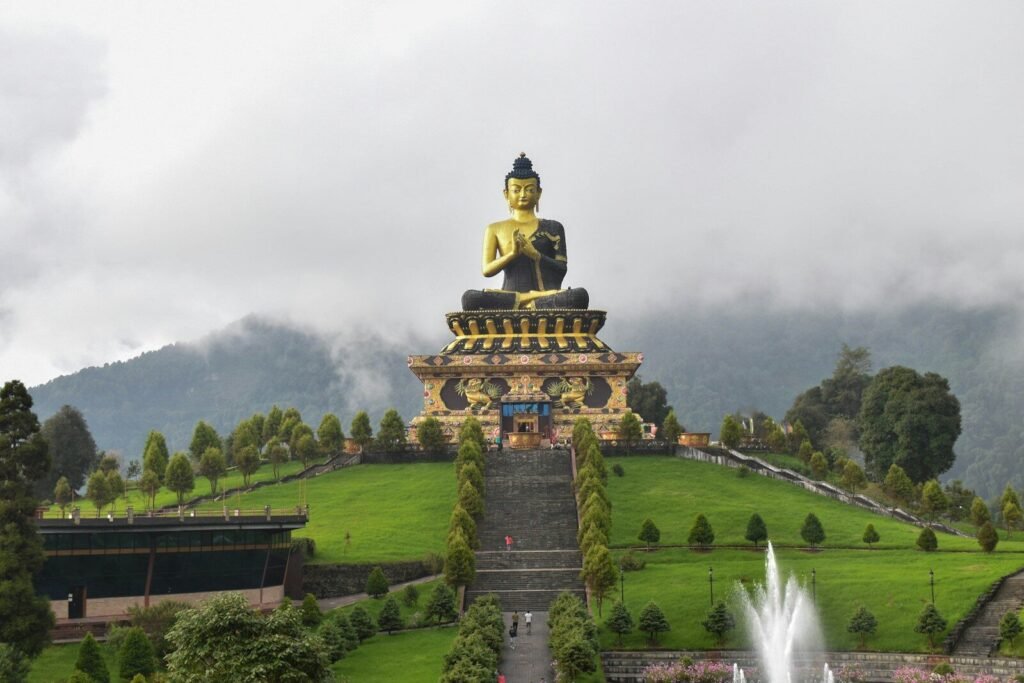
One of the monastery’s most notable features is the large statue of the Maitreya Buddha (the Buddha of the future) housed in the main shrine hall. The statue — a towering, dignified figure visible from the approach road — was installed in the early 20th century and has since become an iconic image associated with Darjeeling.

The monastery also preserves traditional thangka paintings, ritual objects, prayer wheels and a living community of resident monks. Architectural and artistic elements reflect cross-cultural influences from Tibet, Sikkim and Bhutan adapted to local Himalayan materials and conditions.

Ghoom Monastery and the Changing Historical Context

From its foundation through the 20th century the monastery’s role evolved in response to geopolitical and social change:

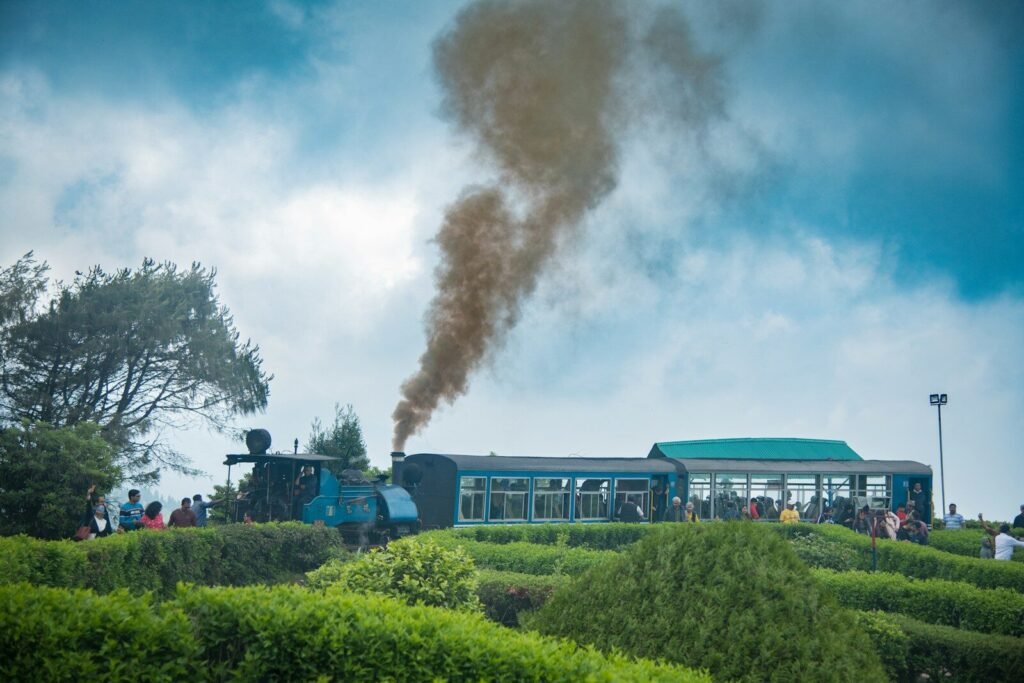
  • Colonial-era visibility: Located on the route between Darjeeling town and the ridge, the monastery became visible to visitors arriving via road and the Darjeeling Himalayan Railway (the “toy train”), which increased tourist traffic in the late 19th and early 20th centuries.
  • Post-1950s developments: The mid-20th-century upheavals in Tibet and subsequent refugee movements strengthened local Tibetan Buddhist communities across the eastern Himalaya; monasteries like Ghoom acquired renewed religious and cultural significance.
  • Tourism growth: From the late 20th century onwards, Darjeeling’s reputation as a hill-station and scenic destination turned Ghoom Monastery into a regular attraction for both short-stay visitors and international tourists.

Tourism: Why Ghoom Monastery Attracts Visitors

The monastery functions as both a place of worship and a cultural landmark, attracting several categories of visitors:

  • Pilgrims and devotees who come for religious observances, prayers and festivals.
  • Culture tourists interested in Tibetan Buddhist art, monastic life and Himalayan traditions.
  • General sightseers visiting for the panoramic views, photography and the proximity to other Darjeeling attractions (Tiger Hill, tea gardens, the toy train).

Visitor Experience

Visitors to Ghoom Monastery typically note these features:

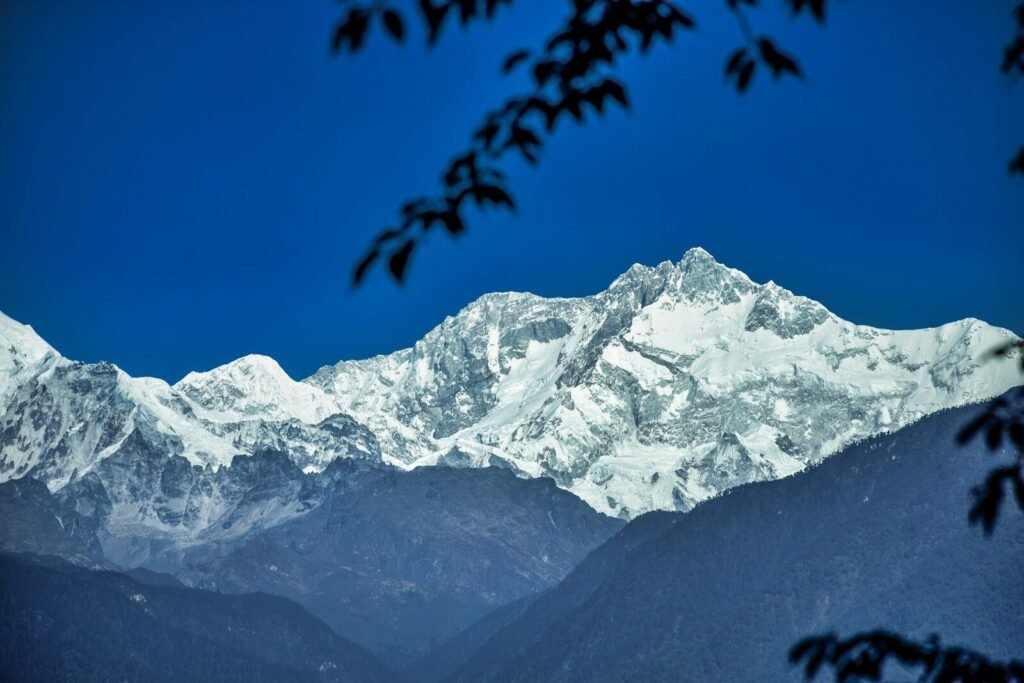
  • Panoramic setting: The monastery sits on a ridge with sweeping views of the surrounding hills and, on clear days, distant Himalayan peaks.
  • Architectural character: The painted facades, prayer wheels, ornate doors and monastery courtyard make for compelling visual exploration.
  • Religious ambience: The chanting, ritual objects and the sight of resident monks in saffron and maroon robes provide an immersive cultural experience.
  • Accessibility: Ghum station on the Darjeeling Himalayan Railway is nearby, so many tourists incorporate the monastery into toy-train itineraries; road access from Darjeeling town takes roughly 30 minutes depending on traffic.

Festivals and Events

The monastery hosts religious festivals and observances that are of interest to culturally-minded visitors:

  • Losar (Tibetan New Year): Ceremonial prayers and special rituals attract local devotees.
  • Other ritual days: Buddhist observances such as pujas and anniversary commemorations feature masked dances, prayer offerings and community rituals — occasions that provide insight into living traditions.

Photographic and Cultural Etiquette

When visiting, tourists should follow respectful guidelines:

  • Remove shoes before entering prayer halls and keep voices low.
  • Always ask permission before photographing monks or worshippers; some rituals and interiors may prohibit flash photography.
  • Respect signage and local requests; make modest donations if you wish to support the monastery and its upkeep.

Practical Information for Tourists

Getting There

  • From Darjeeling: By taxi or shared jeep the monastery is a short drive (about 8–10 km / 25–40 minutes depending on route and traffic).
  • By Darjeeling Himalayan Railway: Alight at Ghum (the highest railway station in India) and the monastery is a brief walk from the station.

Best Times to Visit

  • Weather: Clear winter mornings (October–March) offer the best visibility for distant Himalayan views.
  • Festivals: Plan visits around Losar or other religious dates for a richer cultural experience, while noting that crowd levels will be higher.

Conservation, Local Economy and Sustainable Tourism

As tourism has grown, the monastery faces both opportunities and challenges:

  • Maintenance needs: Historic buildings and artworks require regular conservation; visitor donations and responsible tourism revenue are important for upkeep.
  • Impact management: Managing visitor numbers, waste and respectful behavior is necessary to preserve the monastery’s spiritual integrity and setting.
  • Community benefits: Responsible tourism can support local livelihoods — guides, small shops, artisans and the monastic community — while encouraging cultural continuity.
Practical tips for sustainable visitation
  • Follow established paths, avoid littering and minimize noise around prayer areas.
  • Buy locally made crafts and patronize cafes and shops in nearby villages to support the local economy.
  • Hire local guides to deepen your understanding and ensure benefits reach the community.

Sample Half-Day Itinerary Including Ghoom Monastery

  • Early morning: Depart Darjeeling for Tiger Hill sunrise (optional).
  • Mid-morning: Return via Ghum — visit Ghoom Monastery and Ghum Railway Station.
  • Late morning: Explore nearby tea plantations and take a short guided walk in local villages.

Conclusion

Ghoom (Yiga Choeling) Monastery is more than a photographic stop: it is a living religious institution with deep historical roots in the Darjeeling hills. For tourists it offers a concentrated experience of Himalayan Buddhist culture, impressive iconography and accessible mountain views. When visited with respect and attention to conservation, the monastery enriches travelers’ understanding of the region’s spiritual heritage and supports the local communities that sustain it.

Note: If you plan a visit, check local opening times and festival calendars, and consider hiring a local guide to gain fuller historical and cultural context.

Get Instant Call Back​

Which places do you want to explore in North-East?
Kindly share your above details to get Travel Plan PDF within 30 seconds on your mobile
Please wait while we are preparing customized quotes as per your requirement.

Why Choose us ?

What makes us different from other tour package companies

Best Travel Experts

Our travel experts have core and intense knowledge about Sikkim sector with over 10 years of experience that will help you choose the best possible itinerary as per your requirements.

24 X 7 On-Trip Assistance

Our travel experts are just one call away during your tour to help you with any kind of immediate assistance so that your tour is a more enjoyable and hassle-free tour.

Best Rate Guarantee

eSikkimTourPackages ensures best rates to all our esteemed guests since we have our own hotels and fleet of vehicles and drivers and there is no third-party involvement. This ensures personalized service and best rates.


Sikkim Tour Packages by Theme

Sikkim Tour From Popular Cities

Limited period offer – Sikkim tour packages at flat 50% discount. Inquire now!

Kindly enter the details below for your Sikkim Tour Package
Loading, please wait . .. ... ....