Ghoom Monastery

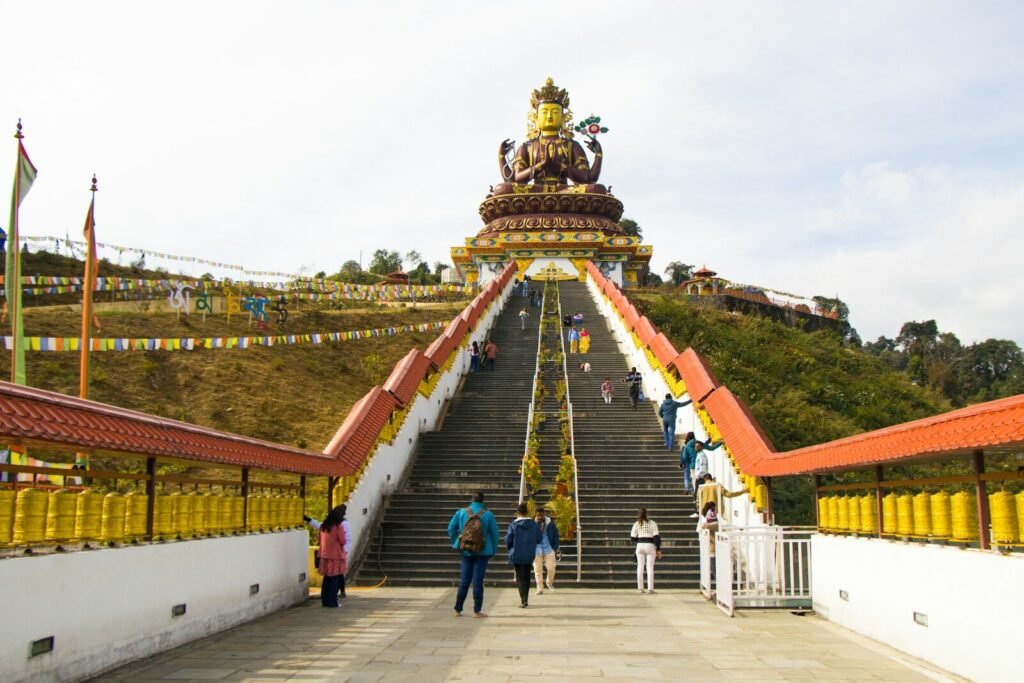
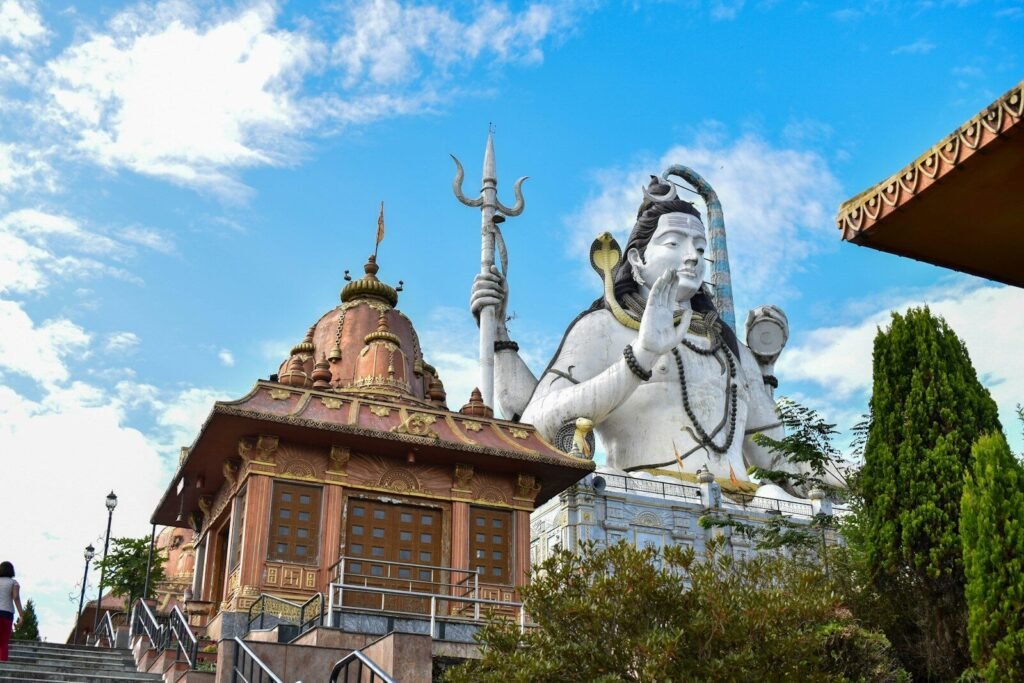
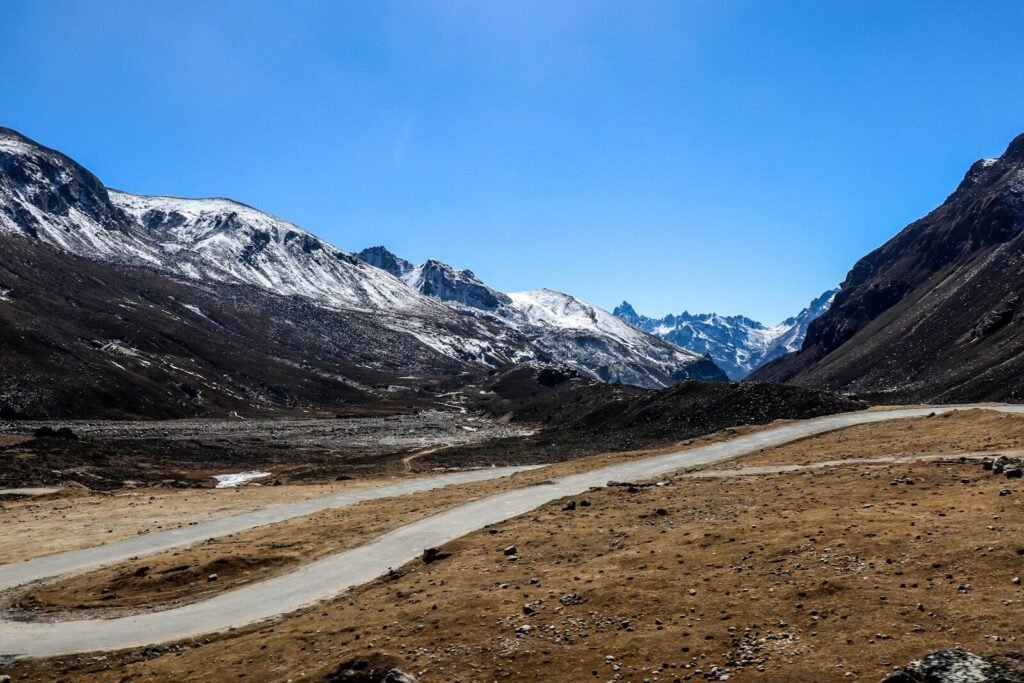
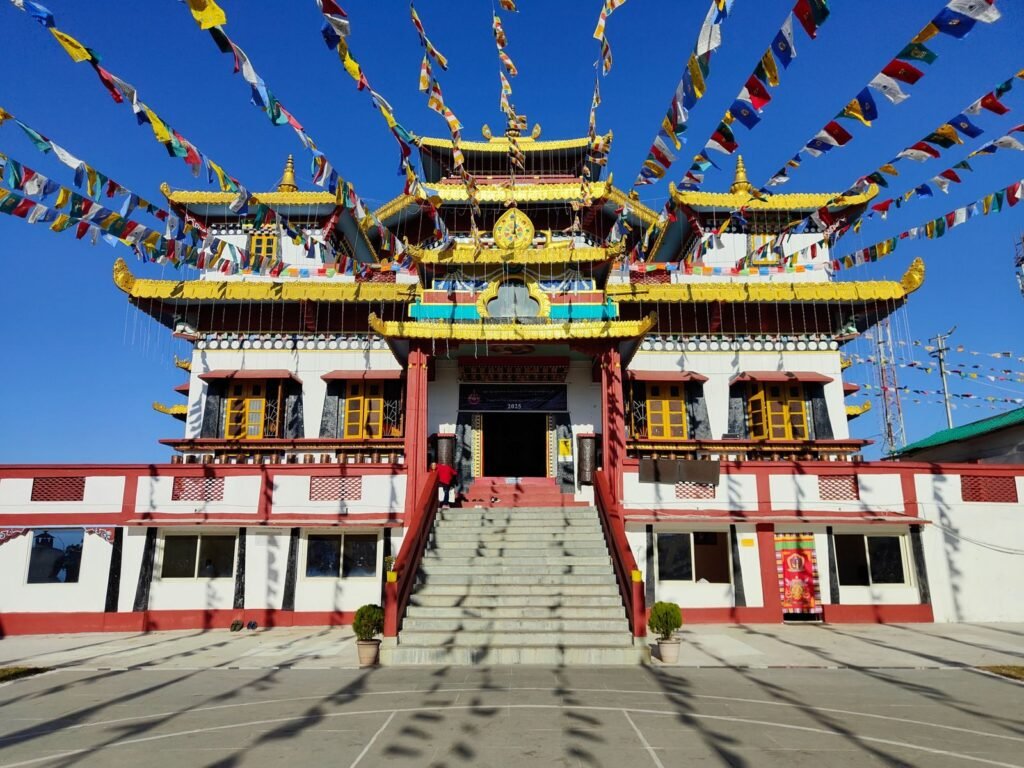
Ghoom Monastery in Darjeeling with colorful prayer flags and clear blue sky.

FAQS

Ghoom Monastery, Darjeeling — Frequently Asked Questions (Tourism Guide)

Ghoom Monastery (also spelled “Yiga Choeling” or “Yiga Tsoling”) is one of the oldest Tibetan Buddhist monasteries in the Darjeeling area and a popular stop for tourists. This FAQ-style guide answers practical, cultural, and travel questions visitors commonly ask, helping you plan a respectful and rewarding visit.

Quick facts

  • Location: Ghoom (Ghum), about 8 km from Darjeeling town, West Bengal, India.
  • Founded: Early 19th century (around 1835), with renovations and reconstructions over time.
  • School of Buddhism: Gelugpa (Yellow Hat) tradition with connections to Tibetan monastic lineages.
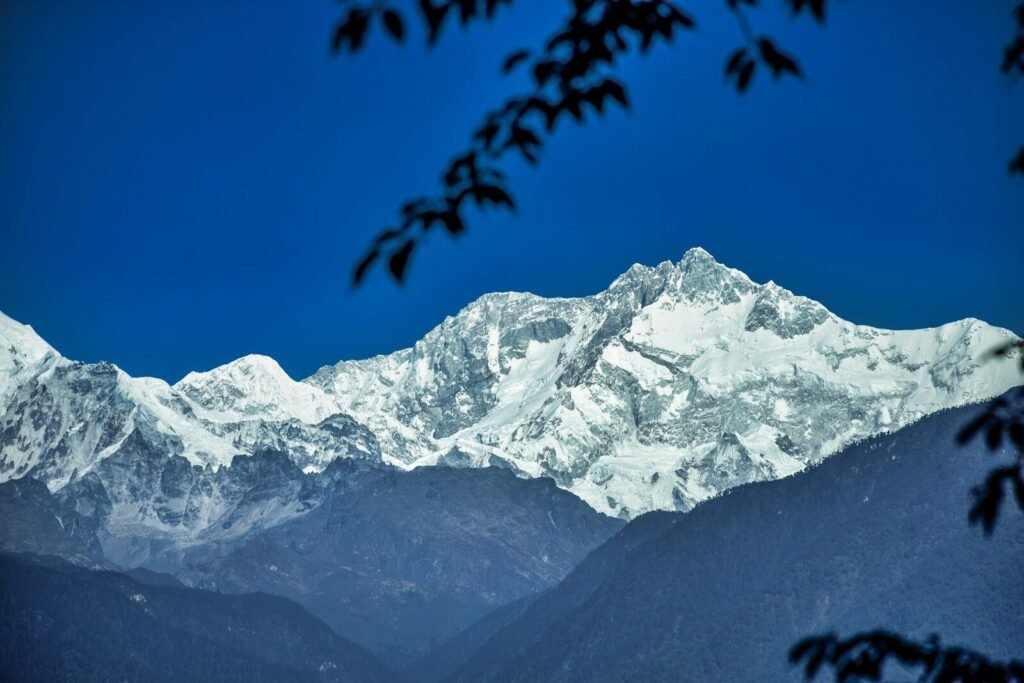
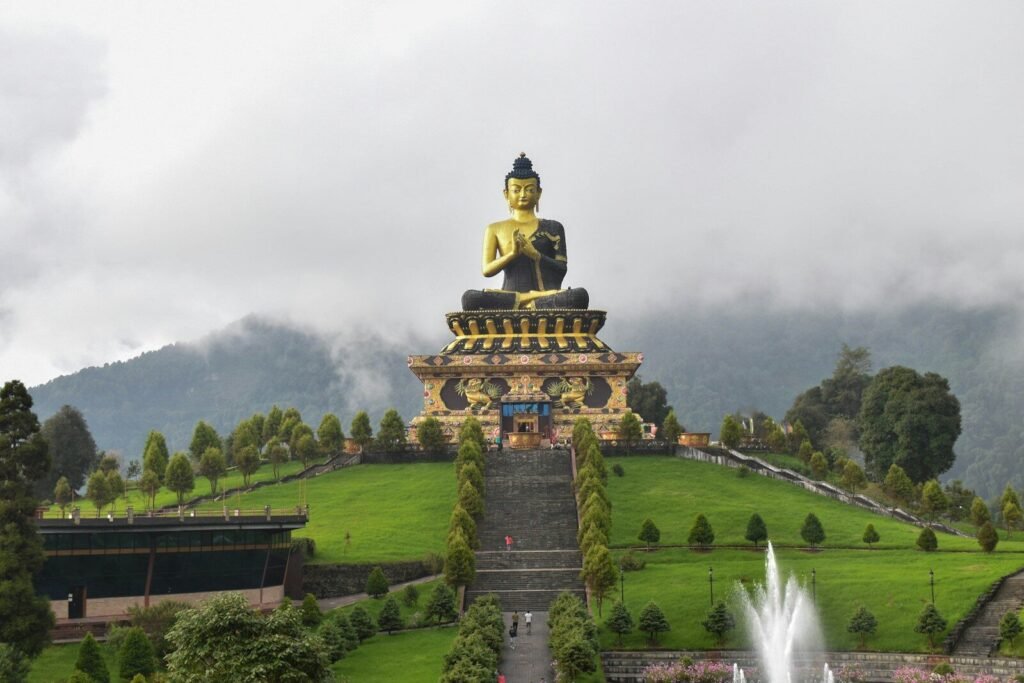
  • Famous for: A large statue of Maitreya Buddha (the Future Buddha), prayer wheels, frescoes, and panoramic views of the Himalaya on clear days.

General information

What is the significance of Ghoom Monastery?

Ghoom Monastery is an important spiritual center for Buddhists in the Darjeeling region. It houses a prominent Maitreya Buddha statue and serves as a place for prayer, ritual, and community events. Its historical and cultural value makes it a common stop for tourists interested in Himalayan Buddhism and local heritage.

Is Ghoom Monastery open to tourists?

Yes, Ghoom Monastery welcomes tourists. Visitors are expected to act respectfully and follow monastery etiquette. It continues to function as a place of worship and a living community for monks.

Visiting details

What are the opening hours?

Opening hours can vary. Generally:

  • The monastery is accessible during daylight hours (roughly 7:00/8:00 AM to around 5:00/6:00 PM).
  • Special pujas or ceremonies may alter access; check locally before visiting if possible.

Is there an entry fee?

There is usually no formal entry fee to enter the monastery complex. Occasionally small voluntary donations are accepted for preservation or for monks’ welfare. Be prepared to contribute a small amount if a donation box is present.

How long should I plan to spend at the monastery?

Most visitors spend 30–90 minutes, depending on interest. If you plan to photograph, meditate, or attend a ceremony, allow more time.

Getting there

How do I reach Ghoom Monastery from Darjeeling town?

There are several convenient options:

  • Taxi or shared jeep: 20–40 minutes from central Darjeeling depending on traffic and road conditions.
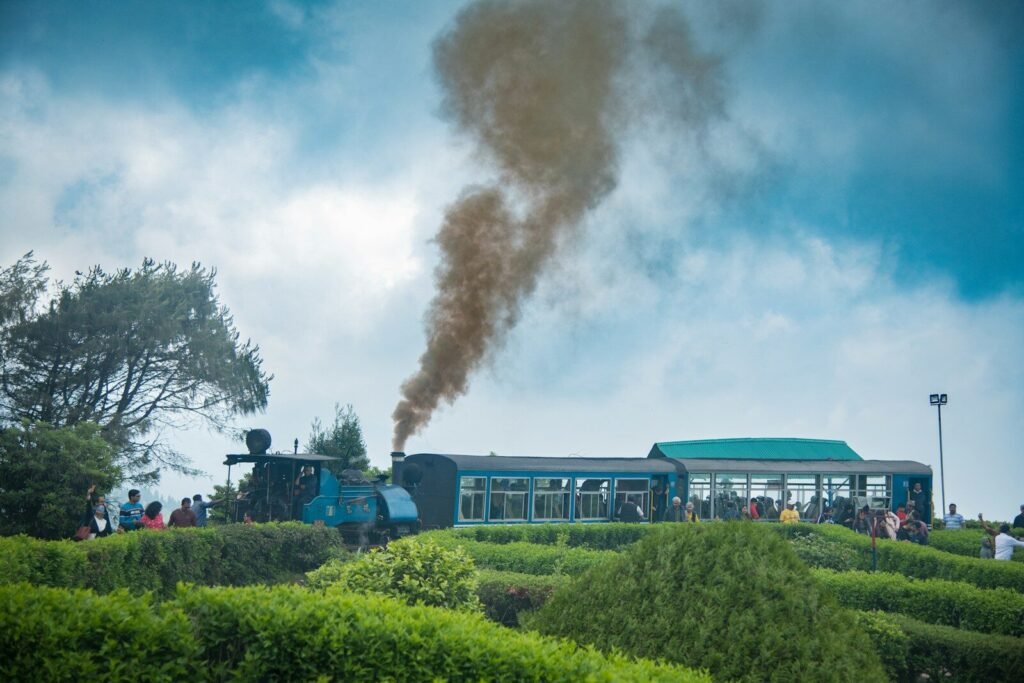
  • Darjeeling Himalayan Railway (toy train): The train stops at Ghum station, which is close to the monastery. Check the toy train schedule — services are infrequent and weather/maintenance can affect runs.
  • Walking/hiking: For fit visitors, there are trails from Darjeeling; however, the route is steep in parts and may take a couple of hours. Check local advice for trail conditions.

Is the road to Ghoom accessible in bad weather?

Roads in the Darjeeling hills can become slippery or blocked during heavy rain, landslides (monsoon season), or snow in winter. Always check local weather and road reports. During monsoon months some roads may be temporarily closed or require experienced drivers.

Best time to visit

When is the best season to visit Ghoom Monastery?

Consider these factors:

  • Autumn (October–November) and spring (March–May): Best for clear views of the Himalaya and comfortable weather.
  • Winter (December–February): Cold, and higher chance of snow; fewer tourists but crisp views if skies are clear.
  • Monsoon (June–September): Heavy rain, limited visibility, and landslide risk—generally not ideal for sightseeing.

Photography and behavior

Can I take photographs inside the monastery?

Photography rules vary. As a rule:

  • Ask first: Always ask permission before photographing monks, rituals, or interior spaces.
  • No flash: Flash photography may be prohibited inside sanctums.
  • Respect signs: Many temples display signage if photography is restricted.

What is appropriate behavior and dress?

Respectful conduct is essential. Guidelines:

  • Dress modestly: Cover shoulders and knees; avoid sleeveless or revealing clothing.
  • Remove hats and shoes: Follow local custom — in many areas you may be asked to remove footwear before entering prayer halls.
  • Maintain quiet: Speak softly, limit phone use, and avoid disruptive behavior.
  • Do not touch: Avoid touching religious objects, prayer flags, or monks’ possessions unless invited.

Etiquette and customs

How should I behave around monks or during rituals?

Be courteous and unobtrusive:

  • Respect personal space and avoid direct physical contact unless initiated.
  • If invited to join a ceremony or offer a donation, follow the host’s lead.
  • When passing a circumambulation path (kora), follow the direction others use and keep clockwise or counter-clockwise according to local custom—ask if unsure.

Is it appropriate to offer donations or gifts?

Yes, small donations are welcome and often used for upkeep or the monks’ daily needs. If offering physical gifts (food, incense, prayer items), do so respectfully and hand them to a senior monk or attendant.

Accessibility and facilities

Is Ghoom Monastery wheelchair/stroller accessible?

The monastery sits on a hill with uneven steps and pathways. Accessibility is limited:

  • Visitors with mobility issues may find parts of the site difficult to access.
  • Carefully assess your mobility needs and consider bringing assistance or arranging transport that can drop you nearby.

Are there restrooms, shops, or food options on-site?

Facilities are basic:

  • Small stalls or vendors nearby may sell tea, snacks, souvenirs, and prayer items.
  • Public restrooms are limited; use facilities in Darjeeling before heading out if possible.

Guided tours and interpretation

Should I hire a guide?

A guide can enhance your experience by providing historical context, explaining iconography, and helping with language or etiquette. If you prefer independent travel, local guides are available in Darjeeling and at tourist counters.

Are informational signs available in English?

Some signs and basic information may be in English, Nepali, Hindi, or Tibetan, but depth varies. A guide or a good travel book will often provide richer explanations.

Nearby attractions

What else can I see near the monastery?

  • Ghum Railway Station: One of the highest stations of the Darjeeling Himalayan Railway, a UNESCO site; interesting for train enthusiasts.
  • Batasia Loop: A short drive from Ghoom, offering panoramic views and a memorial garden.
  • Japanese Temple, Rock Garden, and Tea Gardens: Other popular sights in and around Darjeeling.

Festivals and special events

Are there special festivals at Ghoom Monastery?

Monastery festivals and pujas are held on important Tibetan Buddhist dates (Losar, specific deity days, etc.). These events may feature rituals, masked dances (cham), and community gatherings. If your visit coincides with a festival, it can be a memorable cultural experience—but also busier and noisier.

Safety, health, and practical tips

Are there any health concerns I should know about?

  • Altitude: Ghoom is higher than Darjeeling town; most visitors acclimatize easily, but if you’re coming from low altitude, take it easy and monitor for mild altitude symptoms.
  • Weather: Dress in layers—temperatures can change rapidly.
  • Sun protection: Use sunscreen and sunglasses on clear days; UV is stronger at elevation.

Is the area safe for tourists?

Generally yes. Common-sense precautions apply: keep valuables secure, avoid isolated areas after dark, and use licensed taxis or reputable transport services.

Practical sample itinerary

Half-day visit from Darjeeling

  • Morning: Depart Darjeeling (taxi or toy train) to Ghum station; visit the monastery.
  • Walk around the complex, spin prayer wheels, and photograph exterior views.
  • Visit nearby Batasia Loop for panoramic vistas and war memorial.
  • Return to Darjeeling for lunch and tea garden visit in the afternoon.

Conservation and respect for heritage

How can visitors help preserve Ghoom Monastery?

  • Follow local guidelines—no littering, no graffiti, and no unauthorized candles/incense.
  • Respect restricted areas and do not remove artifacts, prayer flags, or stones.
  • Support local conservation via donations if offered and by buying from local artisans.

Contact and further information

How can I get more up-to-date information?

Because opening times, events, and access can change, check with:

  • Local tourist information centers in Darjeeling
  • Your hotel or travel agent
  • Local tour operators and guides

Commonly asked quick FAQs

Is there any dress code?

Yes—dress modestly. Cover shoulders and knees; avoid overly casual or revealing outfits.

Can I join a prayer or puja?

Visitors may observe prayers; participation is normally by invitation. If invited, follow the lead of locals and monks respectfully.

Are dogs or pets allowed?

Pets are generally not appropriate inside religious sites. Leave animals at your accommodation where possible.

Final tips

Plan ahead: Allow extra time for travel in the hills and check weather conditions. Be respectful: This is a living religious site—your behavior reflects on you and your culture. Enjoy: A visit to Ghoom Monastery is both a cultural and scenic highlight of the Darjeeling experience.

Note:

Local customs, access rules, and facilities can change. Use this guide as general advice and confirm specifics locally before travel.

Get Instant Call Back​

Which places do you want to explore in North-East?
Kindly share your above details to get Travel Plan PDF within 30 seconds on your mobile
Please wait while we are preparing customized quotes as per your requirement.

Why Choose us ?

What makes us different from other tour package companies

Best Travel Experts

Our travel experts have core and intense knowledge about Sikkim sector with over 10 years of experience that will help you choose the best possible itinerary as per your requirements.

24 X 7 On-Trip Assistance

Our travel experts are just one call away during your tour to help you with any kind of immediate assistance so that your tour is a more enjoyable and hassle-free tour.

Best Rate Guarantee

eSikkimTourPackages ensures best rates to all our esteemed guests since we have our own hotels and fleet of vehicles and drivers and there is no third-party involvement. This ensures personalized service and best rates.


Sikkim Tour Packages by Theme

Sikkim Tour From Popular Cities

Limited period offer – Sikkim tour packages at flat 50% discount. Inquire now!

Kindly enter the details below for your Sikkim Tour Package
Loading, please wait . .. ... ....