Table of Index
- Why Visit Sikkim in October
- October Weather in Sikkim
- Top Places to Visit in October
- Best Treks & Outdoor Adventures
- Festivals & Cultural Highlights in October
- Suggested 5–7 Day Itineraries
- Permits & Travel Essentials
- Getting There & Local Transport
- Where to Stay
- What to Eat in October
- Responsible & Safe Travel Tips
- October FAQs
- Conclusion
Why Visit Sikkim in October
October is one of the best months to visit Sikkim. The monsoon has retreated, the skies turn crystal clear, and views of Mt. Khangchendzonga dominate the horizon. Rivers run full, forests glow in post-monsoon green, and the air is cool and crisp—perfect for sightseeing, photography, and trekking. With festivals like Dashain (Dussehra) and sometimes Diwali/Tihar falling in October, the state comes alive with prayer flags, lights, and traditional music.
October Weather in Sikkim
- Gangtok and lower valleys: 10°C to 20°C; mostly sunny with occasional light showers early in the month.
- High-altitude areas (Tsomgo, Lachung, Lachen): 0°C to 10°C; cold mornings and nights, possibility of the season’s first snowfall towards late October.
- Visibility: Excellent for mountain views; ideal for sunrise points like Tashi View Point and Pelling’s Skywalk area.
What to Pack
- Layered clothing (thermal base, fleece, windproof jacket), gloves, beanie.
- Comfortable trekking shoes with good grip, rain shell for early-October drizzles.
- SPF 30+ sunscreen, sunglasses, lip balm (air is dry and UV can be strong at altitude).
Top Places to Visit in October
Gangtok & Around (East Sikkim)
- MG Marg: A vibrant, pedestrian-only boulevard for cafés, bakeries, and evening strolls.
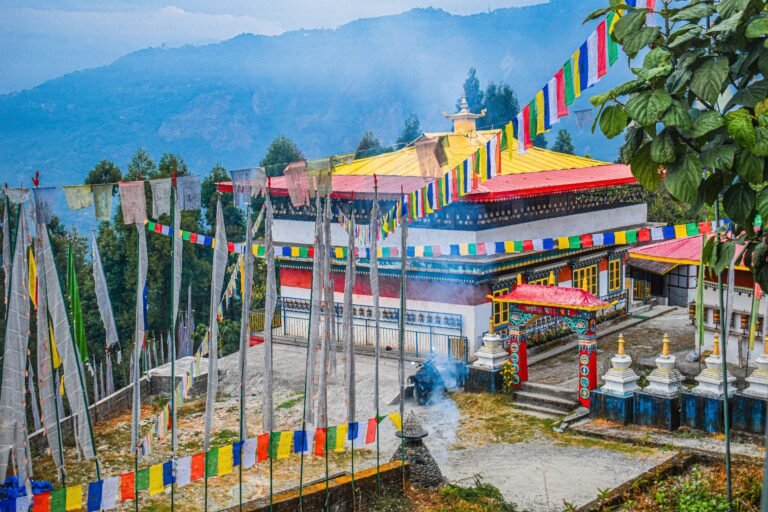
- Rumtek Monastery: One of Sikkim’s most important monasteries; serene courtyards and intricate murals.
- Tashi View Point: Clear October mornings offer majestic Khangchendzonga panoramas.
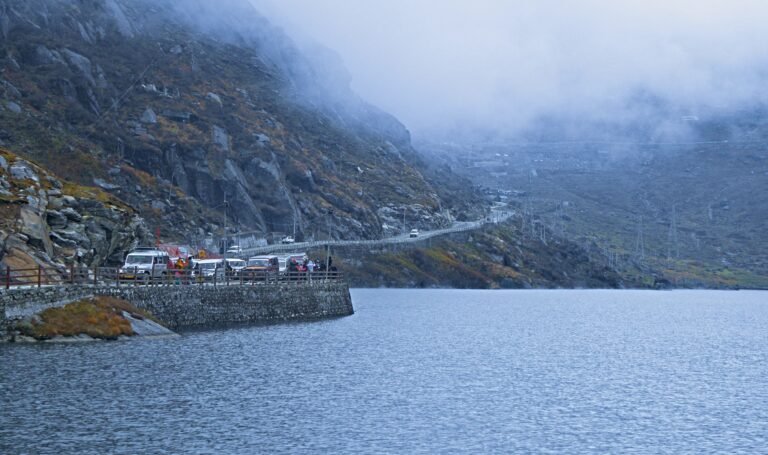
- Tsomgo (Changu) Lake & Baba Mandir: Post-monsoon reflections and russet alpine slopes; permits required.
- Nathula Pass: Weather-dependent border pass; generally open to Indian nationals with special permits.
North Sikkim
- Lachung & Yumthang Valley: Known as the “Valley of Flowers”; in October, meadows are emerald and skies clear, with crisp air and snow-dusted peaks.
- Lachen & Gurudongmar Lake: Stark high-altitude beauty and mirror-like waters; very cold—layer up. Certain areas have nationality-based restrictions.
- Dzongu (Lepcha Reserve): Tranquil homestays, forests, and traditional Lepcha culture.
West Sikkim
- Pelling: Big-mountain views, the Skywalk near Chenrezig statue, and ancient Rabdentse ruins.
- Yuksom: Historic first capital and trailhead for Dzongri/Goecha La treks.
- Khecheopalri Lake: Sacred, serene waters encircled by forest.
South Sikkim
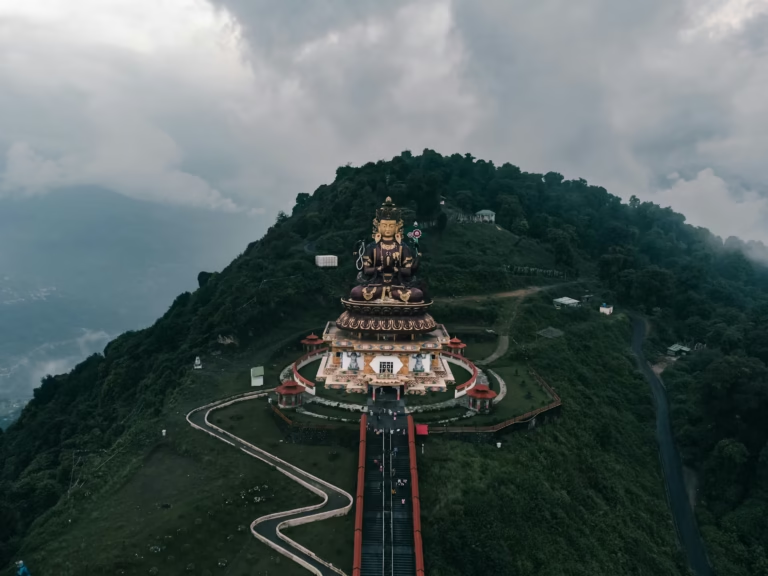
- Ravangla: The Buddha Park (Tathagata Tsal) with postcard views in October light.
- Namchi: Char Dham complex, Samdruptse statue, and tea-scented breezes.
- Temi Tea Garden: Autumn flush begins; scenic estate roads and tea-tasting.
Old Silk Route (East Sikkim)
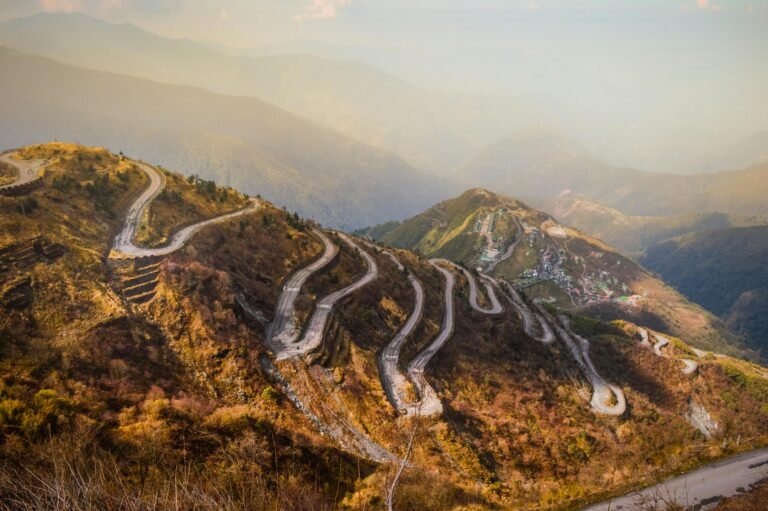
- Zuluk–Kupup: Hairpin bends, golden-brown hillsides, and wide-open skies after the rains.
Best Treks & Outdoor Adventures
Classic Treks
- Dzongri Trek (5–6 days): Starts at Yuksom, climbs through rhododendron forests to sweeping views of Khangchendzonga. October offers stable weather and crystal visibility.
- Goecha La Trek (8–10 days): A bucket-list Himalayan trek for close-up sunrise vistas on the massif. Requires good fitness and acclimatization.
Short Hikes & Nature Walks
- Rabdentse Ruins Walk (Pelling): Forested trail leading to evocative archaeological remains.
- Fambong Lho Wildlife Sanctuary (near Gangtok): Birding and orchid spotting post-monsoon.
Adventure & Experiences
- Paragliding (Gangtok/Rangpo): Clear October thermals and valley views.
- River Rafting (Teesta/Rangit): Post-monsoon flow makes for exciting rapids; go with licensed operators.
- Mountain Biking: Trails around Yuksom–Pelling and Temi Tea Estate.
Festivals & Cultural Highlights in October
- Dashain (Dussehra): Widely celebrated by the Nepali community with family gatherings, temple visits, and traditional music.
- Diwali/Tihar: Often falls in late October or November; homes and monasteries glow with butter lamps and rangoli.
- Monastery Rituals: Even outside major festivals, expect morning chanting, butter lamps, and the scent of juniper incense.
Dates vary by lunar calendar; check the local schedule in Gangtok for events and monastery etiquette.
Suggested 5–7 Day Itineraries
6 Days: Gangtok + North Sikkim Highlights
- Day 1: Arrive Gangtok; MG Marg, Ropeway, Enchey Monastery.
- Day 2: Tsomgo Lake and Baba Mandir (permits); free evening.
- Day 3: Drive to Lachung (North Sikkim); acclimatize.
- Day 4: Yumthang Valley and Zero Point (weather-permitting); return to Gangtok or overnight in Lachung.
- Day 5: Gangtok monasteries (Rumtek), café hopping.
- Day 6: Souvenir shopping; depart.
7 Days: West & South Sikkim With Views
- Day 1: Arrive Pelling via Siliguri/NJP; sunset at skywalk viewpoint.
- Day 2: Rabdentse Ruins, Khecheopalri Lake, Kanchenjunga Falls.
- Day 3: Drive to Yuksom; village walks and coronation throne.
- Day 4: Transfer to Ravangla; Buddha Park and Borong hot spring area.
- Day 5: Namchi Char Dham and Samdruptse statue.
- Day 6: Temi Tea Garden tour and tasting.
- Day 7: Depart via Gangtok/Bagdogra.
Pro Tips for Itinerary Planning
- Keep buffer time for mountain weather and road conditions.
- Book permits and North Sikkim packages through licensed operators in advance—October is peak season.
Permits & Travel Essentials
- Restricted/Protected Areas: Certain regions (e.g., North Sikkim sectors, Tsomgo, Nathula) require special permits. Indian nationals typically obtain these via registered tour operators or through local authorities.
- Foreign Nationals: Require a Restricted Area Permit (RAP) to enter Sikkim; additional Protected Area Permits (PAP) are needed for some zones. Border areas like Nathula and Gurudongmar are generally not open to foreign nationals. Always verify the latest rules before travel.
- ID Documents: Carry multiple photocopies and passport-sized photos for permits and hotel check-ins.
- Altitude: Ascend gradually; stay hydrated; avoid alcohol at high elevations. Seek medical advice if experiencing severe AMS symptoms.
- Travel Insurance: Recommended for trekking and high-altitude trips.
Getting There & Local Transport
- By Air: Bagdogra (IXB) is the most reliable gateway; Pakyong (PYG) near Gangtok has weather-dependent operations. Pre-book a shared or private cab.
- By Rail: New Jalpaiguri (NJP) connects to major Indian cities; road transfer to Gangtok takes 4–5 hours, longer in peak season.
- By Road: Siliguri–Gangtok via NH10 offers lush river and hillside views. Start early to avoid traffic and potential delays.
- Local Transport: Taxis dominate. For North Sikkim and permit zones, book through licensed operators who provide vehicles meeting local regulations.
Where to Stay
Types of Accommodation
- Homestays: Warm hospitality and local cuisine in Dzongu, Yuksom, Lachung, and rural Pelling.
- Boutique Hotels: Mountain-view rooms in Gangtok, Pelling, and Ravangla.
- Trekking Lodges/Camps: Basic but atmospheric stays on the Dzongri/Goecha La trails.
Booking Tips for October
- Reserve 3–4 weeks in advance—October sells out fast.
- Ask about heating and power backup in high-altitude stays.
- Choose properties with water refill stations to cut plastic use.
What to Eat in October
- Momos & Thukpa: Comforting staples for cool evenings.
- Phagshapa: Pork with radish and chilies; hearty and flavorful.
- Gundruk & Kinema: Fermented greens and soy delicacy—authentic Himalayan tastes.
- Chhurpi: Local cheese, both soft and hard varieties.
- Tongba: Traditional millet brew, sipped warm—ideal after a chilly day.
- Temi Tea: Sample the autumn flush at source.
Responsible & Safe Travel Tips
- Leave No Trace: Sikkim has progressive bans on single-use plastics; carry a reusable bottle and bag.
- Respect Monasteries: Dress modestly, remove hats, and ask before photographing rituals.
- Road Safety: Mountain roads can be narrow; travel by day and use reputed drivers.
- Wildlife & Flora: Do not pick plants or disturb animals, especially in sanctuaries.
- Cash & Connectivity: ATMs can be scarce in remote areas; carry cash. Mobile data may be patchy—download maps offline.
October FAQs
Is October a good time to see snow in Sikkim?
You may catch fresh snowfall at very high altitudes late in the month, but snow is not guaranteed. Expect cold, clear conditions rather than deep snow.
Is Nathula Pass open in October?
Generally yes, weather and security permitting. It usually remains closed on select weekdays and during adverse weather. Indian nationals need permits obtained via authorized operators.
Will rain affect travel?
Early October can see residual showers, but heavy monsoon rains are mostly gone. Landslide risks drop significantly; still, start early and keep itinerary buffers.
What’s the peak season crowd like?
October is peak season; book hotels, permits, and transport in advance to avoid last-minute hassles.
Can families with kids travel comfortably?
Yes. Stick to moderate altitudes, plan shorter drives, and pack warm clothing. Consult a doctor before visiting high-altitude spots with very young children.
Conclusion
With luminous skies, festival cheer, and superb trekking conditions, October showcases Sikkim at its most cinematic. Whether you’re tracing tea-scented roads in the south, chasing sunrise views in the west, or exploring alpine valleys up north, this is the month when everything aligns—weather, culture, and scenery. Plan ahead, travel responsibly, and let Sikkim’s mountains, monasteries, and warm hospitality script your perfect autumn escape.