Introduction: Lachung — A Taste of High‑Himalayan Cuisine
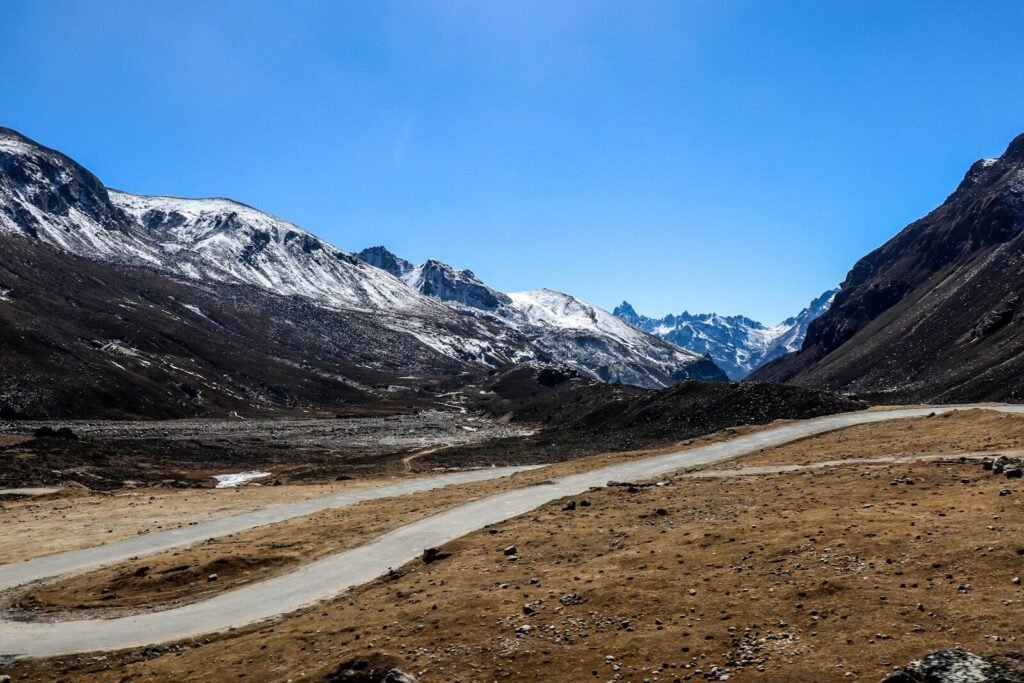
Lachung, a picturesque mountain village in North Sikkim, is as famous for its snow‑kissed valleys and pristine landscapes as it is for its simple, hearty mountain food. For a tourist, eating in Lachung is not just about flavor — it’s an immersive cultural experience. The cuisine blends Bhutia, Lepcha and Nepali influences with Tibetan techniques and locally foraged Himalayan ingredients, resulting in dishes designed for cold weather, high altitude and communal living.
How Altitude and Environment Shape Food in Lachung
Lachung sits at high altitude, close to alpine meadows and rhododendron forests. These conditions influence what grows, how food is preserved, and what locals eat daily:
- Preservation: Fermentation, smoking and drying are common to extend shelf life through long winters.
- Ingredients: Buckwheat, barley, millet, root vegetables, wild mushrooms, local greens, fermented vegetables (gundruk, sinki) and dairy from yak or cattle dominate.
- Cooking style: Soups, stews and boiled or steamed items (momos, thukpa, stews) are preferred for warmth and ease of digestion at altitude.
Must‑Try Dishes in Lachung
Momos and Dumplings
- Momos: Steamed or fried dumplings filled with yak, pork, chicken or vegetables. In Lachung, yak or mixed meat momos are local favorites during winter.
- Thenthuk / Thukpa: Hearty noodle soup with meat and vegetables — excellent for warming up after trekking.
Fermented Specialties
- Gundruk: Fermented leafy greens often used in soups. It has a tangy, umami taste and is a staple for preserving greens through the cold months.
- Kinema: Fermented soybean with a distinctive pungent flavor, used as a condiment or cooked into gravies.
- Sinki: Fermented radish — another preserved vegetable with a sour, savory profile served as a side or in stews.
Dairy and Cheeses
- Chhurpi: A traditional Himalayan cheese made from yak or cow milk. It comes soft (used in curries and stews) and hard (chewy snack pieces that can last months).
- Yak butter tea: A salty, energy‑dense tea made with butter and tea leaves — more common in higher alpine tea houses and among older generations.
Local Meats and Pickles
- Smoked pork: Locally smoked or dried pork is common, often added to stews or served with rice/noodles.
- Pickles and chutneys: Buransha (rhododendron) jam or pickles are local specialties — sweet, tangy and slightly floral — often sold in homestays and village markets.
Where to Eat: Options for Tourists
Homestays and Family Kitchens
Most authentic meals in Lachung come from homestays and small family-run kitchens. These provide:
- Home‑cooked comfort: Seasonal recipes, use of local produce and traditional serving styles.
- Cultural exchange: Opportunity to learn about food preparation, preservation techniques and local customs.
Tea Houses and Small Restaurants
Lachung Bazaar has simple eateries and tea houses catering to tourists. Menu items usually include momos, noodles, dal, rice, local soups and basic continental options. Expect warm, quick meals with limited variety but friendly service.
Hotel and Lodge Dining
Higher-end lodges and hotels near Lachung sometimes provide more varied menus, blending local dishes with Indian and continental choices. They’re a good option if you prefer more familiar food with certain hygiene standards.
Seasonal Foods and When to Try Them
Spring (March to May)
- Rhododendron / Buransha products: Buransha juice, jams and pickles appear in local markets when flowers bloom.
- Fresh greens: Wild mountain greens and the first mushrooms can make it into stews and salads.
Summer (June to August)
- Fresh produce: A wider variety of vegetables and berries; lighter meals alongside traditional heavy dishes.
- Festivals: Local festivals often offer special dishes and community feasts (a great time for culinary exploration).
Autumn and Winter (September to February)
- Preserved foods: Fermented foods, dried meats and cheeses are common; warm soups and stews dominate menus.
- Comfort food: This is the best season to savor hot thukpa, momos and butter tea after day treks or sightseeing in cold weather.
Food Festivals and Events
While Lachung itself is a small village, nearby towns and the wider Sikkim region celebrate festivals where food is central. Losar (Tibetan New Year), local harvest festivals and community feasts present opportunities to taste ceremonial dishes, traditional sweets and special meat preparations. If your trip coincides with a festival, ask your host — many homestays invite guests to participate.
Practical Tips for Food‑Minded Tourists
Health and Safety
- Drink boiled or bottled water: Avoid raw tap water; prefer boiled water, packaged bottled water or water treated by your accommodation.
- Avoid raw salads: At high altitude and in remote kitchens, raw salads may be washed with untreated water. Choose cooked vegetables if unsure.
- Eat warm, simple meals: Soups, stews and steamed items are gentler on the stomach and help with altitude adjustment.
Dietary Preferences
- Vegetarians: Sikkim has many vegetarian dishes — dal, vegetable thukpa, momos with vegetable filling, buckwheat pancakes (sakhu/poon), and gundruk-based preparations.
- Vegans: Options exist but butter and dairy are widely used. Communicate your needs to hosts in advance; many will adapt meals.
- Allergies: Inform your host about allergies — cross‑contamination is possible in small kitchens.
Etiquette and Local Customs
- Respect hospitality: If invited to a home meal, accept at least a small portion to honor the host.
- Sharing culture: Meals are often communal; dishes may be served family style.
- Photography: Ask before photographing people during meals or religious offerings.
Shopping: Souvenirs and Edible Gifts
Lachung and nearby markets sell many food items that make excellent takeaways:
- Buransha jam and pickles — great for a taste of the rhododendron season.
- Dried yak or smoked meats — shelf‑stable and authentic (check customs rules if you plan international travel).
- Handmade chhurpi and cheese — locally produced s cheeses and dairy products.
- Local teas and packaged noodles — small packets of Sikkim/Darjeeling tea or dried momos/noodles for home cooking.
Suggested One‑Day Food Itinerary for a Tourist
- Morning: Start with a cup of warm tea and a plate of momos or steamed buckwheat pancakes in your homestay.
- Midday: A hearty thukpa or noodle soup after a short valley walk; sample buransha jam if available.
- Afternoon: Tea house stop with butter tea or sweet black tea and a piece of chhurpi or local biscuit.
- Evening: Shared dinner: a stew (with smoked pork or beans), rice or noodle, and fermented side (gundruk/sinki) — followed by local liquor (tongba/chaang) for those who drink.
Final Notes: Savoring Lachung Responsibly
Eating in Lachung offers more than sustenance — it’s a doorway into mountain life, tradition and seasonal rhythms. As a tourist, seek authentic experiences by staying in homestays, trying seasonal specialties, and buying from local vendors. Be mindful of hygiene and dietary needs, respect communal dining customs, and avoid putting strain on fragile local resources by minimizing packaged waste. With curiosity and respect, your meals in Lachung will be among the most memorable parts of your Himalayan journey.
Quick Checklist Before You Go
- Pack: basic digestive aids, electrolyte packets, high‑energy snacks.
- Ask: hosts about food ingredients if you have allergies or dietary restrictions.
- Carry: cash for small market purchases; many mountain vendors do not accept cards.