Best Time to Visit Lachung, Sikkim — A Complete Tourism Guide
Overview
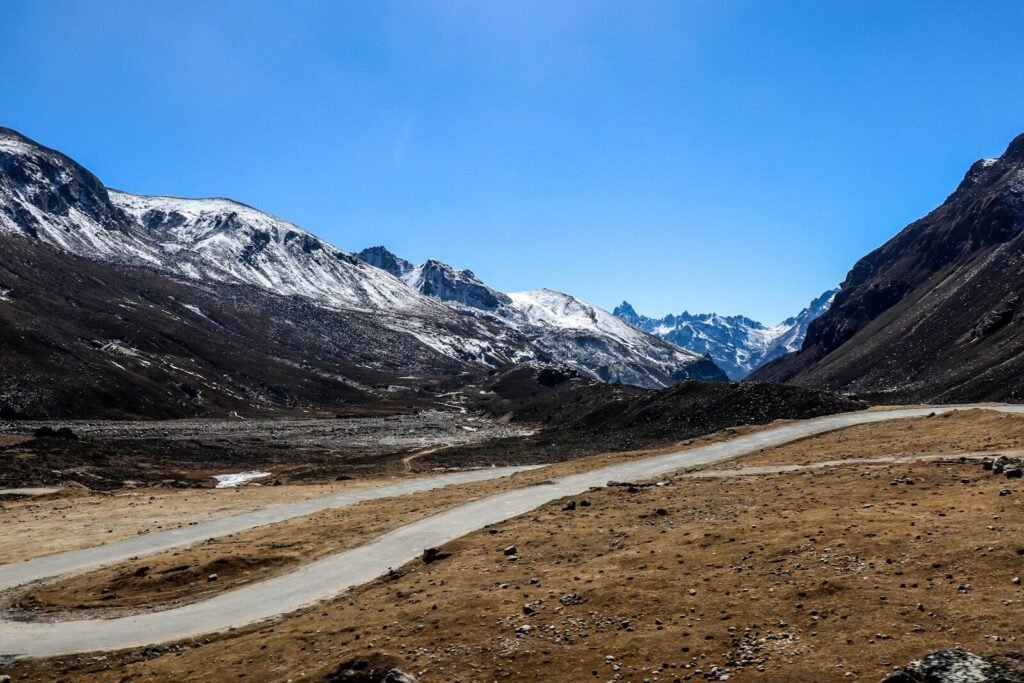
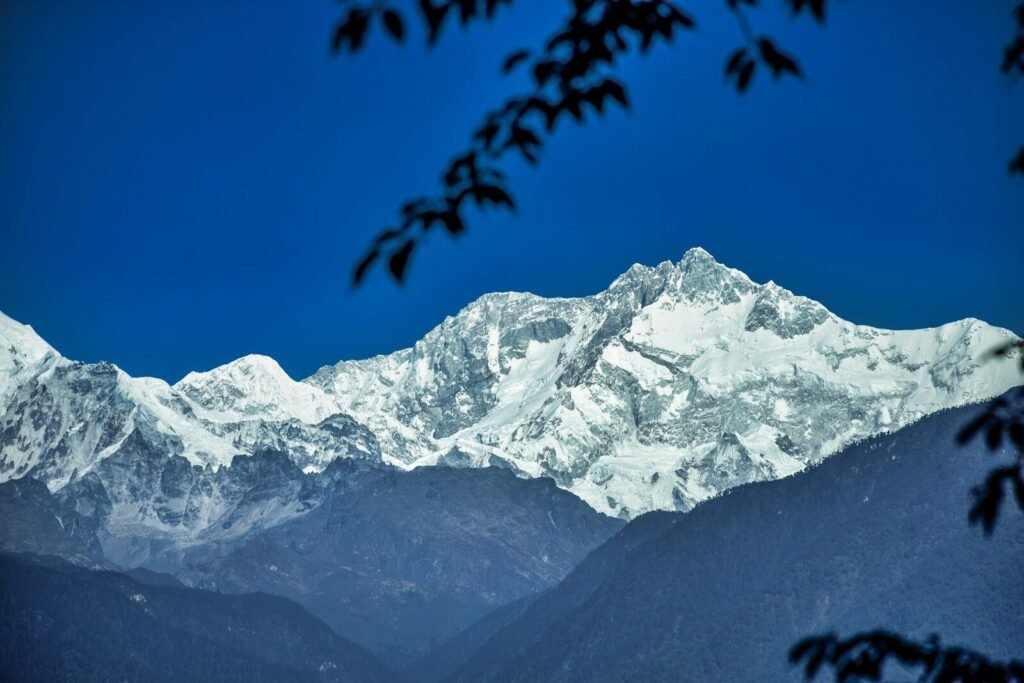
Lachung is a picturesque mountain village in North Sikkim, India, perched at approximately 2,700 m (about 8,860 ft). It is the gateway to Yumthang Valley, often called the “Valley of Flowers”, and is prized for rhododendron blooms, alpine meadows, snow-covered peaks and Tibetan-Buddhist culture. Choosing the best time to visit depends on what you want to experience — flowers and pleasant weather, crystal-clear mountain views, or heavy snowfall and winter landscapes.
Climate & Seasonal Breakdown
General climate characteristics
Lachung has a high-mountain, alpine climate. Temperatures and road accessibility change rapidly with seasons:
- Spring (March–May): Warming days, rhododendrons and wildflowers in bloom, good road conditions.
- Summer/Monsoon (June–August): Heavy rainfall, landslide risk, limited visibility and uncertain road access.
- Autumn (September–November): Clear skies, stable weather, excellent visibility of peaks and photography-friendly conditions.
- Winter (December–February): Very cold, frequent snow; spectacular winter landscapes but occasional road closures.
Best Time to Visit — Short Answer
The ideal months are March to May (spring) for flowers and pleasant weather, and September to November (autumn) for clear skies, stable conditions and panoramic mountain views. Choose winter only if you want guaranteed snow and are prepared for cold and possible disruptions. Avoid the monsoon months (June–August) for road safety and unreliable travel.
Detailed Seasonal Guide
Spring (March–May)
This is the most popular time to visit for nature lovers:
- Highlights: Rhododendron blooming, alpine wildflowers in Yumthang Valley, mild to cool temperatures.
- Temperatures: Day: 8–18°C; Night: 0–6°C (varies by month and altitude).
- Why go: Ideal for trekking, photography, and witnessing carpets of flowers. Roads and services are usually fully operational.
Summer & Monsoon (June–August)
Summer brings the southwest monsoon to the region:
- Highlights: Lush green landscapes, fewer tourists.
- Concerns: Heavy rainfall, landslides, slippery and sometimes blocked roads, limited visibility for mountain views.
- Recommendation: Not recommended for first-time visitors or those on tight schedules. Travel only with flexible plans and local advice.
Autumn (September–November)
A second-best window for visiting:
- Highlights: Clear skies, excellent visibility of Himalayan peaks, comfortable weather, post-monsoon greenery.
- Temperatures: Day: 5–15°C; Night: -2–8°C.
- Why go: Photography, sightseeing, and day treks are very rewarding during these months.
Winter (December–February)
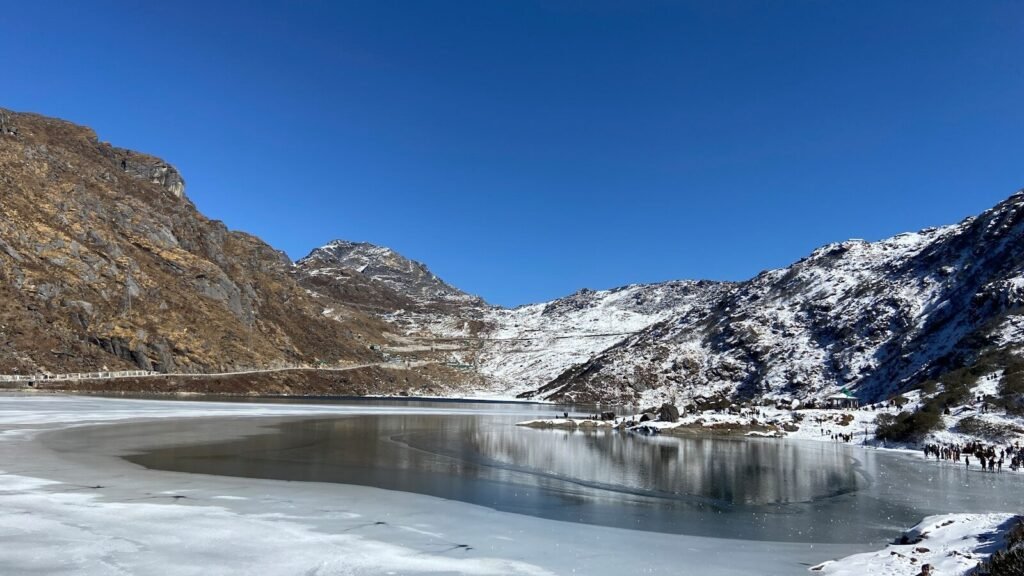
Winter transforms Lachung into a snowy wonderland:
- Highlights: Heavy snowfall, spectacular winter vistas, fewer visitors.
- Temperatures: Day: -2–8°C; Night: -10–0°C (temperatures drop further at higher altitudes).
- Concerns: Snow may close roads and attractions (Zero Point, Yumthang) at times. Power and services can be limited.
- Recommendation: Suitable for experienced travelers prepared for cold, snow-driving delays and limited facilities.
What to Expect Each Month (Quick Guide)
- March–May: Flowers, mild weather — best overall.
- June–August: Monsoon rains, risky travel — generally avoid.
- September–November: Clear skies and excellent views — runner-up best season.
- December–February: Snow lover’s choice — expect very cold conditions and possible closures.
Activities by Season
Spring & Autumn (Best for)
- Yumthang Valley and the Valley of Flowers
- Short hikes and nature walks
- Birdwatching and rhododendron spotting
- Photography and cultural visits to monasteries
Winter (Best for)
- Snow photography and winter landscapes
- Snow play near Yumthang/Zero Point when accessible
- Experiencing remote mountain village life
Monsoon (Not Recommended Except)
- Quiet retreat for experienced, flexible travelers comfortable with rain and uncertain road access
Practical Travel Information & Permits
How to reach Lachung
Most visitors travel to Lachung via Gangtok. Typical routing:
- Fly to Bagdogra (IXB) or reach by train to New Jalpaiguri (NJP)</strong), then road transfer to Gangtok.
- From Gangtok, it’s roughly a 6–7 hour drive (approx. 118 km) to Lachung depending on road/traffic conditions.
- Shared taxis, private cabs and organised tours are common. Roads are mountainous and winding—expect slow travel.
Permits and documentation
Important: Permits and entry rules change — always check before travel. General guidance:
- Foreign nationals: Usually require a Protected Area Permit (PAP) to travel to North Sikkim (including Lachung). Apply through registered travel agents or government channels.
- Indian nationals: Carry valid photo ID (Aadhaar/Passport/Driving License). Some restricted checkpoints require registration; follow local regulations and guide instructions.
- Always check: The latest rules with Sikkim Tourism or your tour operator before departure.
Health, Safety & Altitude Considerations
Lachung’s altitude (~2,700 m) poses an altitude-sickness risk for some visitors. Take these precautions:
- Ascend gradually and allow acclimatization days — avoid rapid climbs.
- Stay hydrated, avoid heavy meals and excessive alcohol in the first 24–48 hours.
- Know symptoms of acute mountain sickness (headache, nausea, dizziness) and descend if they worsen.
- Carry basic medication, prescription drugs, and altitude-relief meds if previously advised by a doctor.
- Travel insurance that covers high-altitude regions and emergency evacuation is recommended.
Packing Checklist
Pack according to season, but always include layers and essentials:
- Clothing: Warm insulated jacket, fleece layers, thermal wear (for winter), waterproof shell, gloves, woolen cap, warm socks.
- Footwear: Good trekking/walking shoes with grip; waterproof if visiting during shoulder/monsoon seasons.
- Accessories: Sunglasses, sunscreen, lip balm, water bottle, power bank.
- Documents: ID, permits (if applicable), travel insurance, emergency contacts.
- Others: Basic first-aid, motion-sickness meds (for winding roads), cash (ATMs are scarce), camera/binoculars.
Accommodation & Booking Tips
Lachung offers a range of stays from basic guesthouses and homestays to comfortable hotels and eco-lodges. Peak months (spring and autumn) see higher demand:
- Book in advance during March–May and September–November.
- Consider staying in Gangtok for acclimatization before proceeding to Lachung.
- Expect limited power/internet in some properties—carry chargers and offline maps.
Local Culture & Festivals
Lachung is primarily inhabited by ethnic communities with strong Tibetan-Buddhist traditions. Visiting monasteries and interacting respectfully with locals enhances the experience.
- Festivals: Local Buddhist festivals (including New Year/Losar-related celebrations) are celebrated — dates vary by the lunar calendar. If your travel coincides with a festival, it’s a unique cultural opportunity.
- Etiquette: Dress modestly when visiting religious sites, ask before photographing people, and follow local guidance.
Sample Itineraries
2–3 Day Quick Escape (Spring/Autumn)
- Day 1: Gangtok to Lachung — acclimatize, explore the village and monastery.
- Day 2: Yumthang Valley day trip + hot springs; return to Lachung.
- Day 3: Drive back to Gangtok (or continue to Lachen/Gurudongmar if permits and conditions allow).
4–6 Day North Sikkim Circuit
- Day 1: Gangtok arrival and acclimatize.
- Day 2: Gangtok to Lachen — stay overnight.
- Day 3: Gurudongmar Lake (early start) and return to Lachen.
- Day 4: Lachen to Lachung — explore Lachung village.
- Day 5: Yumthang Valley/Zero Point (seasonal) then return to Gangtok via Chungthang.
Final Recommendations
If you are planning a trip centered on pleasant weather, flora and easy accessibility, visit Lachung between March and May. If you prefer clear skies and peak visibility for photography and panoramic views, choose September to November. Travel in winter for snow, but be prepared for cold, possible road closures and more limited services. Avoid the monsoon months unless you have flexible plans and local guidance.
Useful Reminders
- Always check current permit rules and road conditions before traveling.
- Book accommodation in advance for peak months.
- Respect local customs and the fragile mountain environment — avoid plastic litter and follow eco-friendly practices.
Safe travels — and enjoy the high-altitude beauty of Lachung!