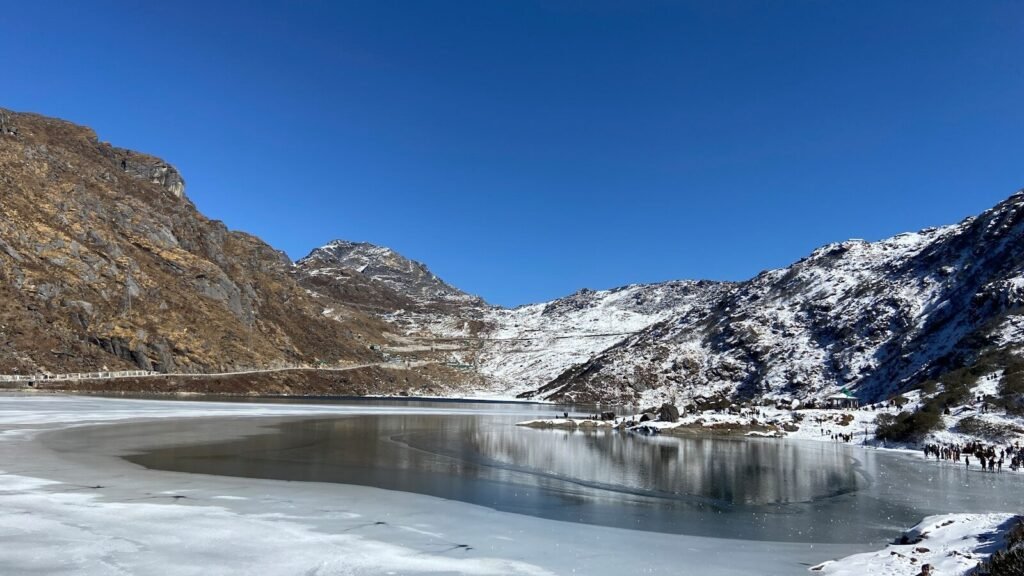
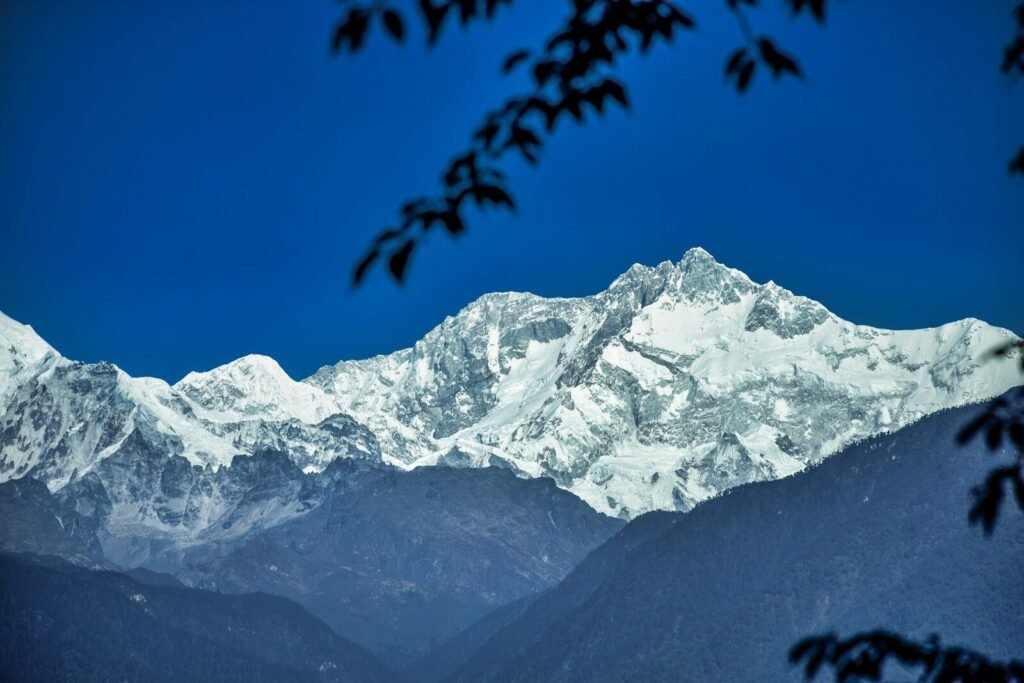
Lachen is a high-altitude village in North Sikkim, India, perched at roughly 2,700–2,800 meters above sea level. Nestled in the Himalayan foothills, it serves today as a gateway to some of the region’s most spectacular alpine landscapes — most famously Gurudongmar Lake and the Chopta Valley. Beyond its scenic appeal, Lachen carries layers of history shaped by trans-Himalayan trade, Buddhist culture, and the geopolitical shifts of the 20th century. This article traces Lachen’s historical development and places that history in the context of contemporary tourism, offering practical and cultural insights for visitors and scholars alike.
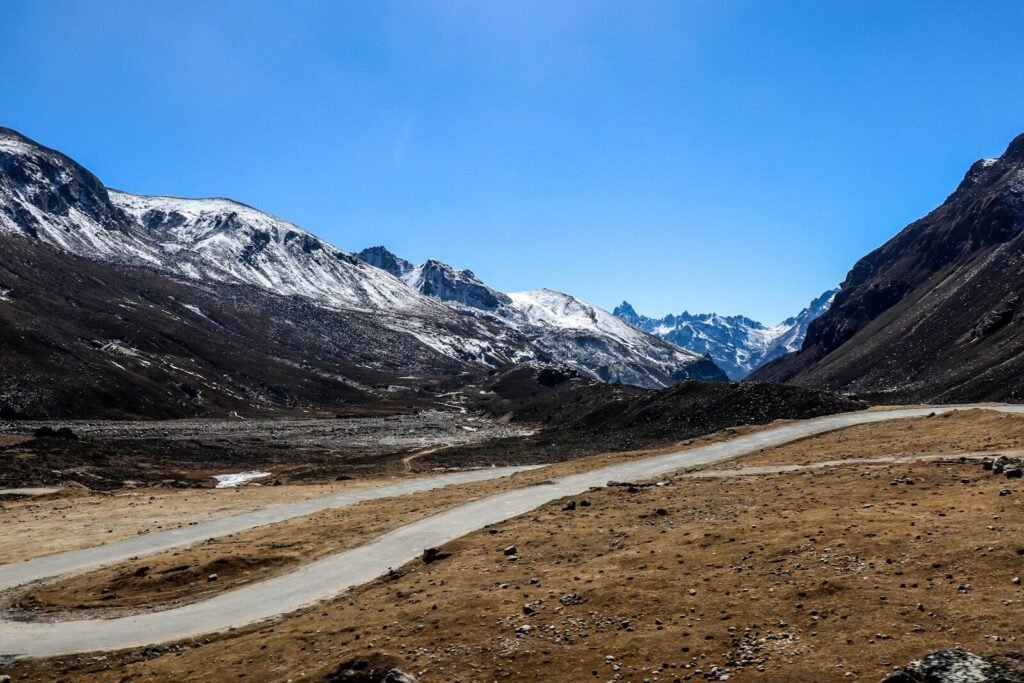
Lachen occupies a steep, forested valley basin fed by tributaries of the Teesta River. The surrounding environment moves quickly from dense rhododendron and conifer forests at lower elevations to alpine meadows and glaciated high plains as one climbs toward Thangu and Gurudongmar. These varied habitats support diverse flora and fauna and set the stage for high-altitude trekking, nature viewing, and culturally informed travel.
Historically, the valley communities around Lachen were part of the broader cultural world of the eastern Himalaya, shaped by Tibetan Buddhism, trans-Himalayan trade, and pastoral livelihoods. The people of Lachen — often referred to as Lachenpas — practiced mixed agriculture and yak/horse pastoralism, moving seasonally between higher summer pastures and lower winter fields.
For centuries, mountain passes north of Lachen provided routes for trade with Tibetan communities. Salt, wool, and livestock products were exchanged for grain, metalware, and textiles. These linkages fostered a strong Tibetan cultural imprint in language, dress, religious practice, and material culture.
Buddhist monasteries, chortens (stupas), and sacred sites played central roles in village identity and social life. Local monastic institutions governed ritual calendars, mediated social disputes, and maintained oral histories connected to the landscape — glacial lakes and passes were often embedded with sacred narratives.
From the 19th century onward, the region that includes Lachen became entangled in wider political processes. Sikkim operated as a kingdom and later became subject to British Indian diplomatic arrangements concerning borders with Tibet. In the 20th century, geopolitical events — especially the closure of many cross-border trade routes in the mid-20th century — disrupted traditional economic patterns and increased Sikkim’s reliance on internal administration and, later, connections with the rest of India.
Lachen’s cultural identity remains strongly Tibetan-Buddhist, visible in its festivals, dress, monastery rituals, and community governance. Local festivals tied to the agricultural and religious calendar continue to draw residents together and, increasingly, curious visitors. Traditional crafts, cuisine, and seasonal pastoral practices (yak herding, communal grazing) form a living cultural landscape that tourism encounters.
Tourism in Lachen emerged gradually as roads improved and interest in Himalayan landscapes grew among domestic and international travelers. By the late 20th and early 21st centuries, Lachen had become a core stop on organized North Sikkim circuits. The village now functions as a staging point for day trips to high-altitude attractions, an introduction to high-mountain culture, and a base for limited trekking.
Visitors should plan for altitude, limited facilities, and the need for permits. Road conditions can be challenging, and weather is highly seasonal; heavy snowfall may close routes in winter.
Because North Sikkim is a sensitive border region, certain travel restrictions and permit requirements apply. These are subject to change, so travelers should check current rules with official sources or reputable tour operators before planning a trip.
Tourism has brought both benefits and pressures to Lachen. It provides income, livelihoods, and infrastructure improvements (roads, communications). At the same time, increased visitor numbers create environmental stress on fragile alpine ecosystems, demand for waste management solutions, and cultural impacts associated with commercialization.
To respect the fragile environment and living cultures of Lachen, visitors should follow a few key principles:
Lachen encapsulates a wider Himalayan story: a community rooted in pastoral and trading pasts, reshaped by 20th-century geopolitical shifts, and reinventing itself through tourism in the 21st century. Its high-altitude lakes, alpine meadows, and living Buddhist traditions continue to draw visitors, but the sustainability of those attractions depends on sensitive, locally grounded tourism practices. For travelers, a visit to Lachen is best approached with humility, preparation, and a desire to understand the historical layers that give the place its distinct character.
Note: Rules about permits, access, and seasonal road conditions change. Travelers should verify current requirements with official Sikkim tourism offices or trusted local operators before planning a trip.
What makes us different from other tour package companies
Our travel experts have core and intense knowledge about Sikkim sector with over 10 years of experience that will help you choose the best possible itinerary as per your requirements.
Our travel experts are just one call away during your tour to help you with any kind of immediate assistance so that your tour is a more enjoyable and hassle-free tour.
eSikkimTourPackages ensures best rates to all our esteemed guests since we have our own hotels and fleet of vehicles and drivers and there is no third-party involvement. This ensures personalized service and best rates.























Kindly enter the details below for your Sikkim Tour Package