Introduction
Lachen, a high-altitude village in North Sikkim, is best known for its dramatic mountain vistas, alpine lakes, and tranquil village life. For the traveling foodie, Lachen offers a compact but authentic mountain culinary experience shaped by Tibetan, Nepali and indigenous Sikkimese influences. Food here is practical, warming and seasonal — designed to fuel long treks, cope with cold, and use locally available ingredients such as yak products, buckwheat, and fermented vegetables.
How Geography and Culture Shape Lachen’s Food
The altitude (roughly 2,700–3,000 m in the village, higher en route to lakes) and cold climate favor ingredients and techniques that preserve nutrition and provide heat: drying, fermenting, smoking and slow-cooking. Cultural ties with Tibet and neighbouring Nepali communities mean common dishes include hearty soups, dumplings and rice-and-lentil meals. The village economy — limited transport, seasonal tourism and local pastoralism — also influences meal choices and availability for visitors.
Signature Dishes and Local Ingredients
-
Thukpa: A warming noodle-and-soup staple, served in brothy or thicker versions with vegetables, chicken or yak meat. Perfect after a cold morning or a long trek.
-
Momos: Steamed (or sometimes fried) dumplings filled with vegetables, minced meat (often chicken, pork or yak) and aromatics. Served with tangy chilli sauce and a light soup in some places.
-
Dal Bhat: The everyday Nepali-style meal of steamed rice with lentil soup, accompanied by seasonal vegetable curries and pickles. It’s filling, nutritious and widely available.
-
Yak products: Yak cheese (soft and hard varieties), yak butter and dried yak meat are common. Yak cheese adds richness to soups or is eaten as a snack.
-
Fermented foods (e.g., gundruk, kinema): Fermented leafy vegetables and soy preparations that offer umami and probiotics — often used as relishes or in stews.
-
Buckwheat and barley-based dishes: In higher altitudes, buckwheat pancakes, porridges and barley preparations are common traditional staples.
-
Butter tea and herbal teas: Tibetan-style butter tea (po cha) and a range of local herbal infusions help visitors battle the cold and altitude.
-
River trout (where available): In some parts of North Sikkim, trout farming/introduction means fresh trout may be on offer — check local availability and freshness.
Where to Eat: Options for Tourists
-
Homestays and guesthouses — The best way to taste authentic, home-cooked Lachen food. Hosts often prepare hearty dinners and simple breakfasts; meals are communal and can be tailored to guests.
-
Local canteens/tea shops — Small roadside stalls serving momos, thukpa, instant noodles, tea and snacks. Good for quick, affordable meals.
-
Hotel kitchens — Larger tourist lodges may offer a wider menu (including Indian, Chinese and continental choices), but expect simpler fare than in big towns.
-
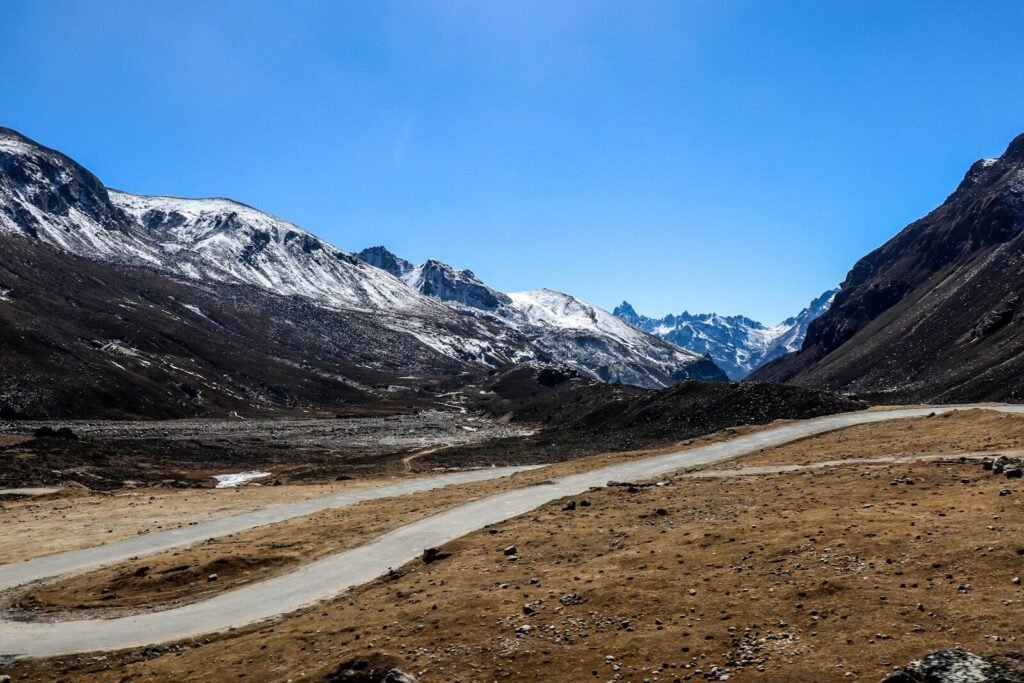
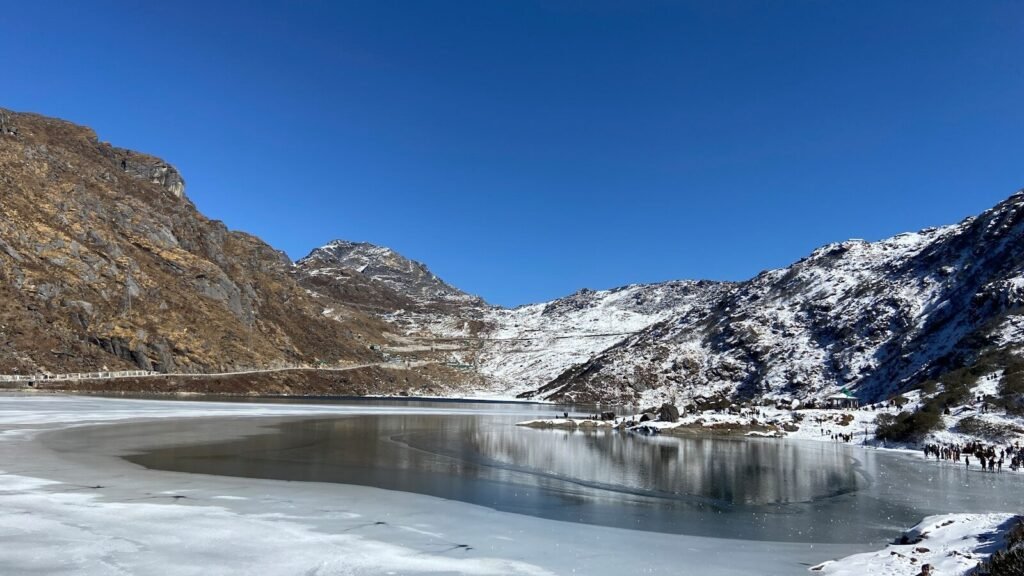
Picnics and packed lunches — For day trips (e.g., to Gurudongmar Lake or Chopta Valley), many operators or homestays prepare packed dal bhat or sandwiches. Pack high-energy snacks and water purifier/tablets.
Food Experiences Worth Seeking
-
Eat with a local family — Share a simple multi-course meal (rice, dal, vegetable curries, pickle) and learn about preservation methods like drying and fermenting.
-
Taste yak cheese or chhurpi — Try the local cheeses and ask how they are made; the hard chhurpi makes a unique chew/snack.
-
Attend a festival — If your visit coincides with a local festival, you may sample festive dishes and sweets not normally available.
Practical Tips for Food-Focused Travelers
-
Altitude caution: Start with light meals if you’ve just arrived; heavy or greasy food can make acclimatization harder. Keep soups and simple carbs handy.
-
Hydration: Drink warm fluids frequently. Use boiled/filtered water — request boiled water at homestays.
-
Carry snacks: Pack energy bars, dry fruits, and chocolates for long excursions — options in Lachen can be limited or sell out.
-
Vegetarian options: Widely available (dal, vegetables, momos with veg filling), but confirm butter or meat stocks if strictly vegetarian.
-
Ask about spice and salt: Mountain cooking can be saltier or oilier than you expect; request lighter seasoning if preferred.
-
Respect local customs: In some homes, food is eaten communally and certain seating/serving etiquette applies — accept invitations politely and follow cues.
Sample One-Day Mountain Menu
-
Breakfast: Steaming bowl of thukpa or porridge (buckwheat/barley) with butter tea or hot herbal tea.
-
Midday (packed for trek): Rice & dal, a small vegetable curry, boiled egg or smoked yak meat pieces, biscuits and sweets.
-
Snack: Momos and a cup of tea at a village tea stall.
-
Dinner: Dal bhat with seasonal vegetable curries, a serving of local cheese, and warm sweet tea or butter tea.
Simple Recipe Sketches (Tourist-Friendly)
These are simplified kitchen-ready outlines you can ask a homestay to make or try if you’re cooking.
-
Simple Thukpa:
Stir-fry garlic, ginger and onion, add chopped vegetables and stock, simmer until soft. Add noodles and shredded cooked meat (chicken/yak) if available. Season with salt and pepper, finish with spring onion.
-
Basic Steamed Momos:
Make a dough with flour and water. Prepare filling from finely chopped cabbage/onion and minced meat or crumbled paneer/soy, seasoned with salt, garlic and ginger. Fill, fold, and steam 10–12 minutes. Serve with chilli-garlic chutney.
Final Notes for Food-Tourists in Lachen
Lachen’s culinary appeal lies in its authenticity and function: every dish tells a story of altitude, resourcefulness and cultural blending. Expect simplicity rather than gastronomic luxury, but also warm hospitality, memorable soups and dumplings, and unique local products like yak cheese and fermented relishes. Plan ahead — bring favourite snacks, remain flexible with menus, and use mealtime as a chance to connect with villagers for one of the most genuine food-and-travel experiences in Sikkim.