Best Time to Visit Lachen, Sikkim — A Tourism Guide
Lachen is a high-altitude village in North Sikkim that acts as the gateway to pristine valleys, alpine meadows, and sacred high-altitude lakes such as Gurudongmar. Choosing the right time to visit is crucial for safety, access, and the kind of experience you want — whether it’s rhododendron blooms and clear mountain vistas, or snow-clad landscapes and solitude. The following guide breaks down seasons, activities, practical tips, and recommended itineraries to help you plan your trip to Lachen.
Quick summary
- Best overall months: April–June (spring to early summer) and September–November (post-monsoon / autumn).
- Best for snow and winter scenery: December–February (only for experienced, well-equipped travelers; limited access).
- Avoid or be cautious during: July–August (monsoon — landslides, poor roads, reduced visibility).
Seasonal breakdown
Spring — March to June
Why visit: One of the most pleasant periods. Temperatures are comfortable, skies are usually clearer, and rhododendrons and alpine flowers bloom in late April–May. Roads to high-altitude lakes like Gurudongmar become reliably accessible by late spring.
- Weather: Daytime temperatures 8–18°C in Lachen; nights cooler. Higher altitudes remain cold.
- Activities: Sightseeing (Gurudongmar Lake, Chopta Valley), short treks, village walks, monastery visits, birdwatching.
- Pros: Best balance of accessibility, scenery, and comfortable weather.
- Cons: Increasing tourist numbers in May and early June; book accommodations early.
Monsoon — July to August
Why be cautious: The Indian monsoon affects Sikkim with heavy rains and consequent landslides. Although North Sikkim receives less rainfall than the lower Himalaya, road blocks, delays, and muddy conditions are common.
- Weather: Frequent showers, cloud cover, reduced visibility of mountain peaks.
- Activities: Limited; many high-altitude passes/lakes may be risky to access.
- Pros: Lower prices, fewer tourists.
- Cons: High chance of travel disruption; not ideal for photography or trekking.
Autumn — September to November
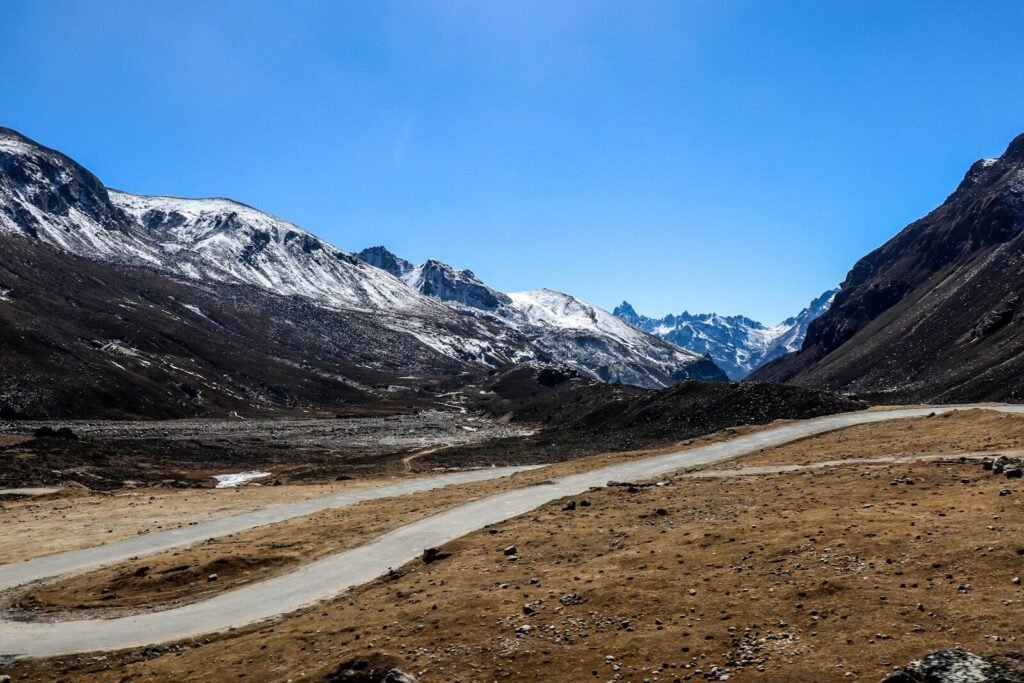
Why visit: Post-monsoon months bring clear skies, crisp air, and exceptional views of the Himalaya. Temperatures start to drop in late October and November, and this season is excellent for photography and outdoor activities.
- Weather: Daytime 5–15°C in Lachen; nights drop close to freezing by November.
- Activities: Scenic drives, trekking (lower elevation treks), monastery visits, photography.
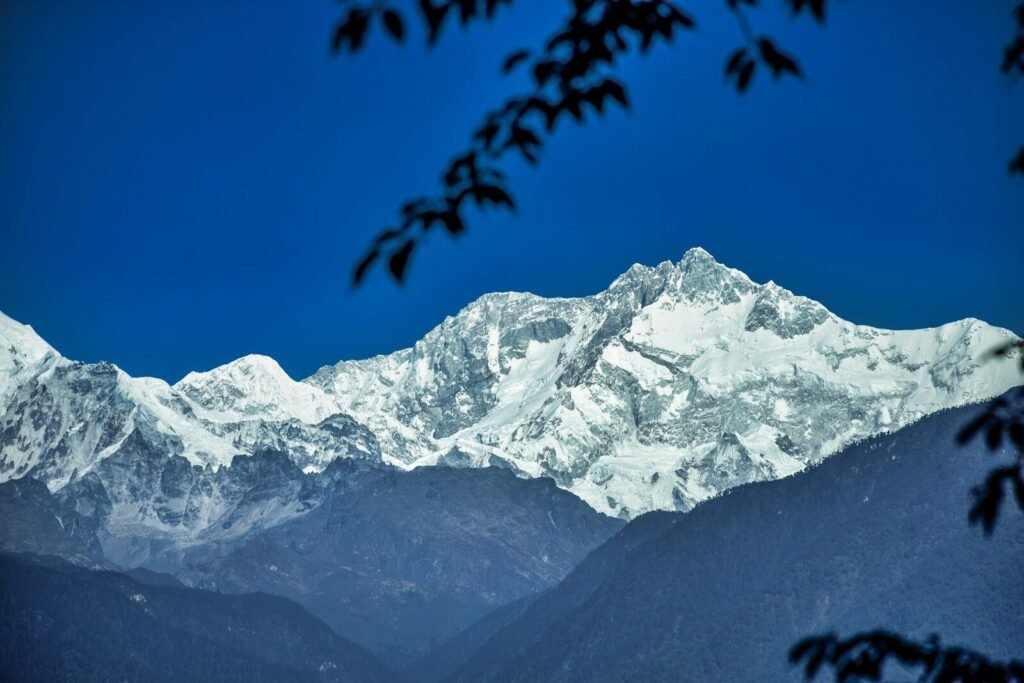
- Pros: Clear mountain vistas and stable weather; ideal for seeing Kanchenjunga and surrounding peaks.
- Cons: Nights can be very cold; some high passes may begin to get snow in late November.
Winter — December to February
Why visit only if prepared: Winters are long and harsh; heavy snowfall may close roads and restrict movement. However, if you want a true snow experience and solitude, winter can be spectacular — with the caveat of limited services and higher travel risk.
- Weather: Daytime often below 5°C; nights well below freezing. High-altitude areas like Gurudongmar remain extremely cold.
- Activities: Snow vistas, photography, limited cultural experiences in the village.
- Pros: Stunning snow landscapes and very few tourists.
- Cons: Road closures, hypothermia/altitude risks, many guesthouses may be shut or offer minimal services.
What to expect by month (high-level)
- March: Start of spring; still chilly; some snow at higher altitudes.
- April–May: Ideal — blooming rhododendrons, warming days, clear skies.
- June: Early summer; can be pleasant but monsoon may arrive late month.
- July–August: Monsoon risk — best avoided for Lachen visits unless you accept unpredictability.
- September–October: Excellent visibility; post-monsoon clarity; comfortable for travel.
- November: Cold nights; great views; prepare for freezing conditions at night.
- December–February: Snow season — dramatic scenery but limited access and services.
Activities and the best time for each
Gurudongmar Lake
Best time: Late April to November.
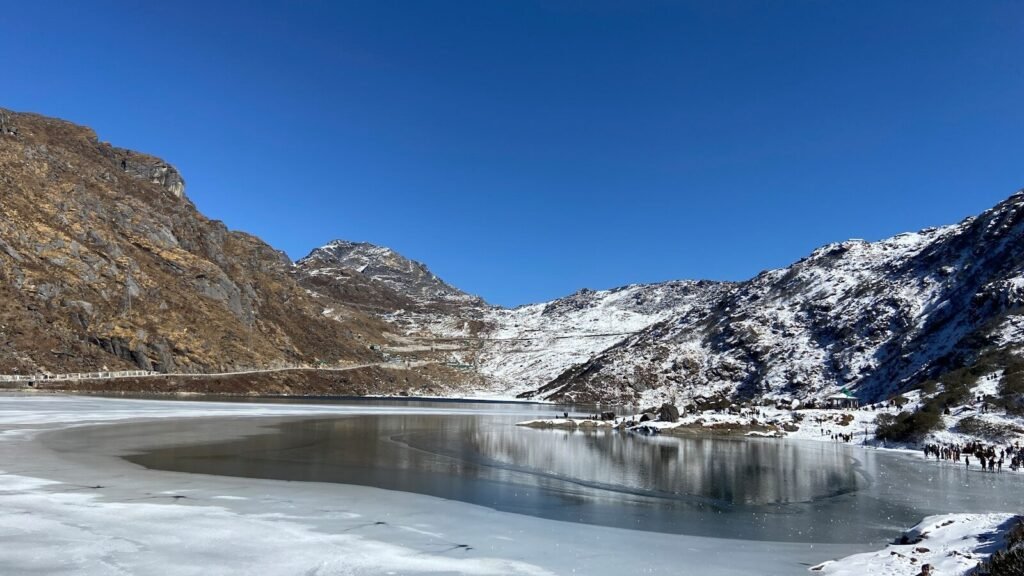
Notes: The lake lies well above 5,000 m; it can remain frozen long into spring. If your primary aim is to see the turquoise lake (unfrozen) and access is vital, plan for late spring to autumn. Winter visits are possible but extremely cold and often logistically difficult.
Chopta Valley and meadows
Best time: April–June and September–November for wildflowers and trekking. Snow cover in winter offers a different but harsher experience.
Rhododendron blooms
Best time: April–May — lower slopes and valleys burst into color.
Practical considerations and travel tips
Permits and documentation
- Foreign nationals: Typically require a Protected Area Permit (PAP) to visit North Sikkim (areas such as Lachen, Gurudongmar). These may be processed through tour operators or state authorities; requirements and rules change, so confirm before travel.
- Indian nationals: Must carry valid government-issued ID. Certain restricted-area formalities may apply in North Sikkim — check the latest local rules before departure.
- Tip: Always verify current permit requirements with the Sikkim tourism department or your tour operator well ahead of your trip.
Altitude and health
- Elevation: Lachen is around 2,700–2,800 m. Nearby attractions like Gurudongmar exceed 5,400 m.
- Acclimatize: Spend at least a day or two in Gangtok or low-altitude stops before ascending. Move slowly, hydrate, avoid alcohol, and monitor for acute mountain sickness (headache, nausea, breathlessness).
- Medication: Consider discussing prophylactic medications (e.g., acetazolamide/Diamox) with your doctor if you have a history of altitude issues.
Roads and travel time
- Nearest airport: Bagdogra (near Siliguri). From Bagdogra to Gangtok by road ~4–5 hours; Gangtok to Lachen ~6–7 hours by mountain roads (subject to conditions).
- Nearest railway: New Jalpaiguri (NJP) — similar onward road travel to Gangtok.
- Road conditions: Mountainous and narrow; landslides during monsoon and winter snowfalls can cause delays. Hire experienced local drivers and allow buffer time.
Accommodation and bookings
Where to stay: Lachen has basic guesthouses, lodges, and eco-resorts. Options are limited compared to lower Sikkim — book well in advance during April–June and September–November.
Connectivity and facilities
- Mobile network coverage is patchy — BSNL often has the best reach; private operators can be unreliable.
- Electricity can be intermittent; carry power banks and chargers.
- Medical facilities are basic; for serious medical issues you may need evacuation to Gangtok or beyond.
Packing checklist
- Layered clothing (thermal base layers, fleece, down jacket)
- Warm hat, gloves, scarf
- Sturdy waterproof trekking shoes / boots
- Sunglasses with UV protection and sunscreen (intense sun at altitude)
- Basic first-aid, personal medications, altitude sickness medication if prescribed
- Water bottle, water purification tablets
- Headlamp/torch, power bank
- Copies of permits and ID
Responsible travel and local etiquette
Sikkim is an ecologically sensitive and culturally rich state. Practice low-impact travel:
- Respect monasteries and religious sites — dress modestly, remove shoes where required, ask before photographing people.
- Follow local rules on waste — Sikkim has strict policies on plastic; carry reusable bottles and avoid single-use plastics.
- Support local businesses — eat local food, hire local guides, and buy handicrafts from community-run outlets.
Sample itineraries
Short 3–4 day (compact)
- Day 1: Drive from Gangtok to Lachen (overnight in Lachen).
- Day 2: Early visit to Gurudongmar Lake and return to Lachen.
- Day 3: Visit Chopta Valley / local sightseeing and return to Gangtok or move onward.
Relaxed 5–7 day
- Day 1–2: Acclimatize in Gangtok; local sightseeing.
- Day 3: Drive to Lachen; short walks, settle in.
- Day 4: Visit Gurudongmar Lake; return to Lachen.
- Day 5: Drive to Lachung or explore Chopta Valley; enjoy local culture.
- Day 6–7: Return to Gangtok; extra day as buffer for road delays.
Final recommendations
Choose April–June or September–November for the most reliable combination of access, weather, and scenery. If you want snow and solitude, winter offers dramatic landscapes but requires thorough planning and flexibility. Always check the latest permit rules, weather forecasts, and road advisories before and during your trip. Prioritize acclimatization and travel with local, experienced guides/drivers for safety in high-altitude, remote regions.
Safe travels — and enjoy the pristine beauty of Lachen and North Sikkim!