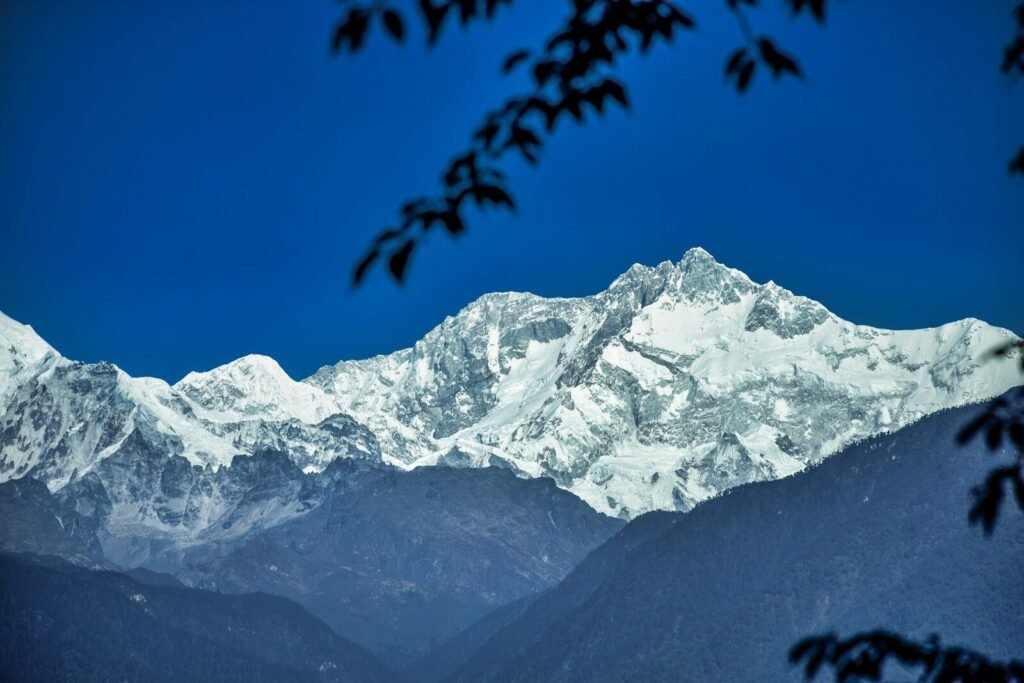
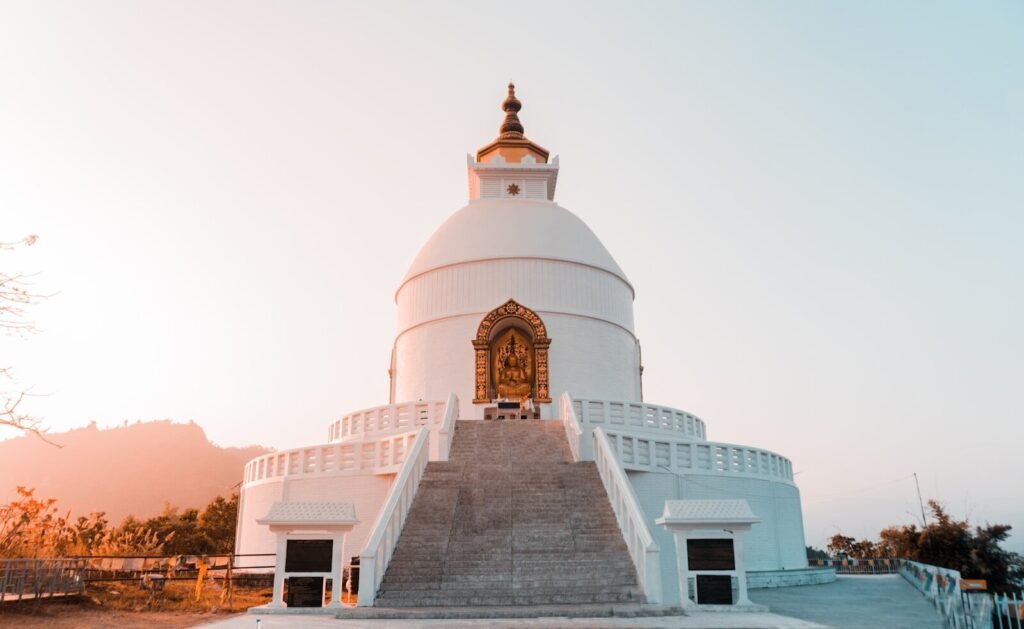
The Darjeeling Peace Pagoda (often called the Japanese Peace Pagoda) is a prominent hilltop landmark and Buddhist monument built to promote world peace and harmony. Situated above Darjeeling town, it offers spiritual ambiance, striking white architecture and panoramic views of the Himalaya, including Mount Kanchenjunga on clear days. Below are frequently asked questions and practical guidance for visitors and tourists.
Answer: The Peace Pagoda in Darjeeling was erected by members of the Japanese Buddhist order (Nipponzan Myohoji) as part of a global series of pagodas dedicated to peace. It houses images of the Buddha and is intended as a place for meditation and reflection. Architecturally it is simple and striking: a white stupa with prayer flags and a calm courtyard, symbolizing universal peace and harmony among people.
Answer: The Pagoda sits on a hill overlooking Darjeeling town. It is usually reached from the town center by a short drive or a steep walk up local paths. The site is slightly off the main tourist loop, which makes it quieter and ideal for contemplation. Exact routes from Mall Road, Ghoom station, or the observatory area are available via local maps and tourism desks.
Answer: Common options:
Answer: For clear mountain views and pleasant weather, post-monsoon (October to December) and spring (March–April) are best. Early mornings offer the clearest skies (good for sunrise and Kanchenjunga views) and cooler temperatures; late afternoons also provide beautiful light for photography. Monsoon months (June–September) often have low clouds and rain, reducing visibility and making paths slippery.
Answer: The Pagoda is generally open to the public and usually free to enter. Opening hours may vary by season or on special days; many visitors report that it is accessible during daylight hours. Because policies can change, it is wise to confirm opening times with local tourist information or your hotel before planning a specific visit.
Answer: Highlights include:
Answer: The Pagoda is a religious site—observe respectful behavior:
Answer: Photography for personal use is usually allowed, especially of the building and the views. Be respectful and avoid photographing worshippers without consent. Drone regulations in India are strict—flying a drone often requires permissions and may be prohibited near populated or sensitive areas. Check current rules from the Directorate General of Civil Aviation (DGCA), local authorities or your travel agent before attempting to use a drone.
Answer: Accessibility is limited. The site sits on a hill and access often involves a steep walk or steps. There may be uneven surfaces around the compound. Visitors with mobility concerns should plan for transport close to the entrance and ask staff about the easiest route; wheelchair access may not be reliable.
Answer: Facilities at the Pagoda are basic. There may be a public toilet and a small refreshment stall nearby during peak tourist season, but options are limited. It’s recommended to carry water, a light snack, and necessary supplies. For fuller services—restaurants, cafes and shops—return to Darjeeling town (Mall Road and nearby areas).
Answer: A typical visit lasts 30 minutes to 1.5 hours, depending on whether you stay for meditation, photography, or to enjoy the views. Combine the Pagoda visit with nearby attractions for a half-day or full-day itinerary.
Answer: Popular nearby sites that pair well with the Pagoda:
Answer: Yes—local guides and tour operators include the Peace Pagoda on Darjeeling sightseeing circuits. A guide can provide historical context, explain symbolism and point out the best photo angles and viewpoints. Guided visits are helpful if you want a deeper cultural understanding or plan to combine multiple attractions in a short time.
Answer: Practical tips:
Answer: Some pagodas and monasteries hold occasional ceremonies, prayer sessions or special events. Participation may be allowed if you are respectful and follow local customs. If you are interested in meditation sessions or a guided spiritual experience, inquire locally in Darjeeling or through the Pagoda’s caretakers about scheduled events.
Answer: Buddhist festivals like Vesak (Buddha Purnima) or local Tibetan/Buddhist observances may bring extra activity, ceremonies and devotees. Such days offer cultural insight but can also be busier—if you prefer quiet, choose an ordinary weekday outside festival times.
Answer: Useful tips:
Answer: For current details (hours, events, access conditions and permits), consult:
The Peace Pagoda is a serene, photogenic and culturally rich stop on any Darjeeling itinerary. Whether you go for spiritual reflection, panoramic Himalayan views, or quiet time away from the busy town, planning for weather, transport and local customs will make your visit smoother and more enjoyable.
What makes us different from other tour package companies
Our travel experts have core and intense knowledge about Sikkim sector with over 10 years of experience that will help you choose the best possible itinerary as per your requirements.
Our travel experts are just one call away during your tour to help you with any kind of immediate assistance so that your tour is a more enjoyable and hassle-free tour.
eSikkimTourPackages ensures best rates to all our esteemed guests since we have our own hotels and fleet of vehicles and drivers and there is no third-party involvement. This ensures personalized service and best rates.





















Kindly enter the details below for your Sikkim Tour Package