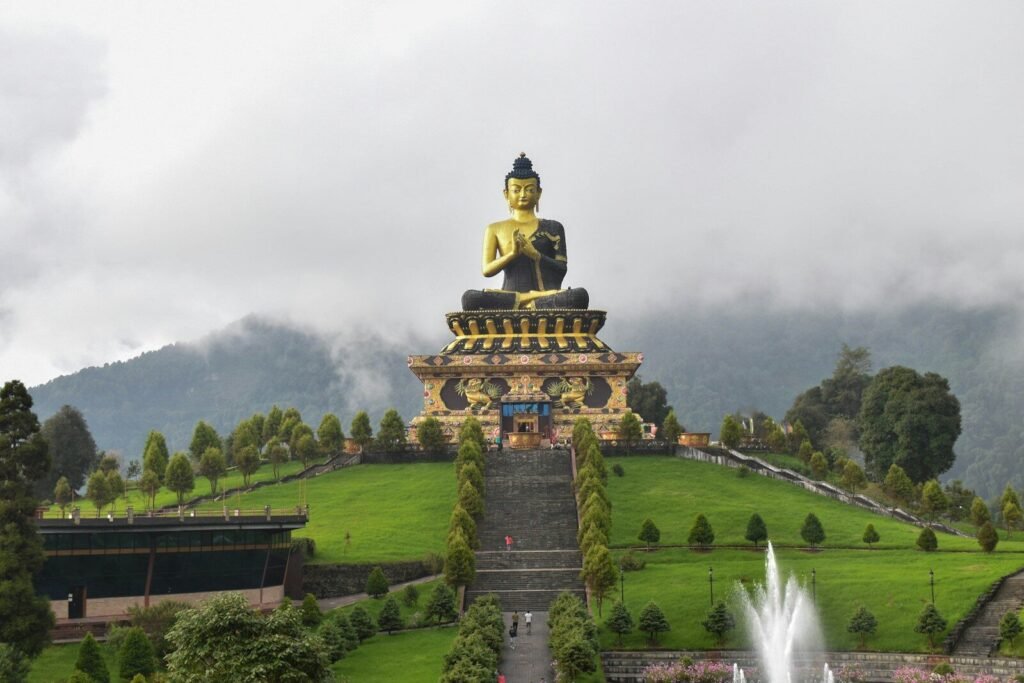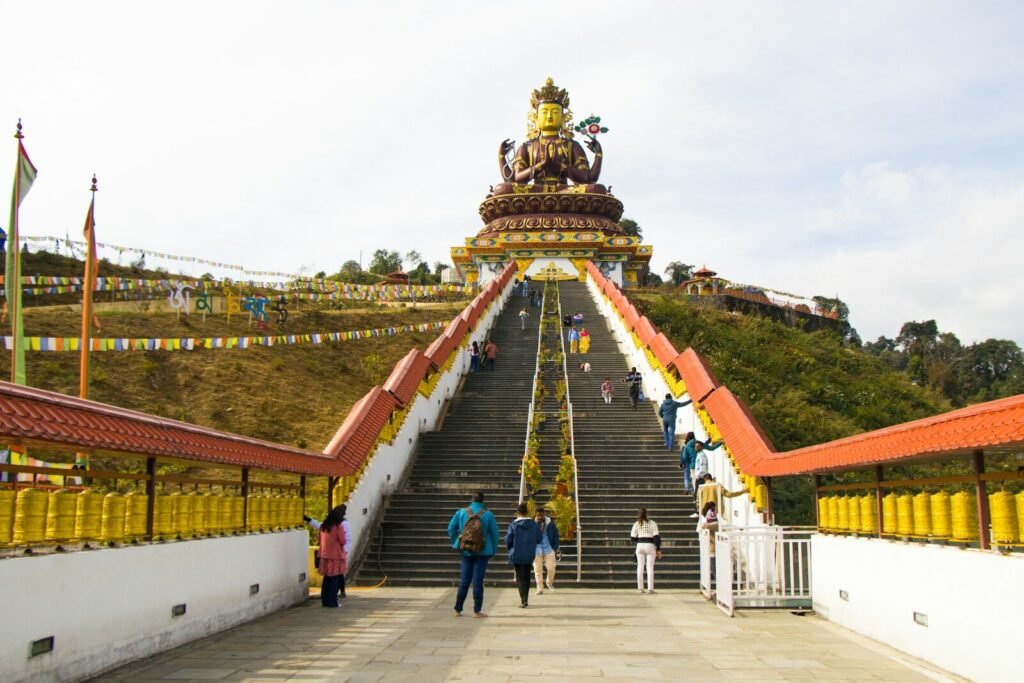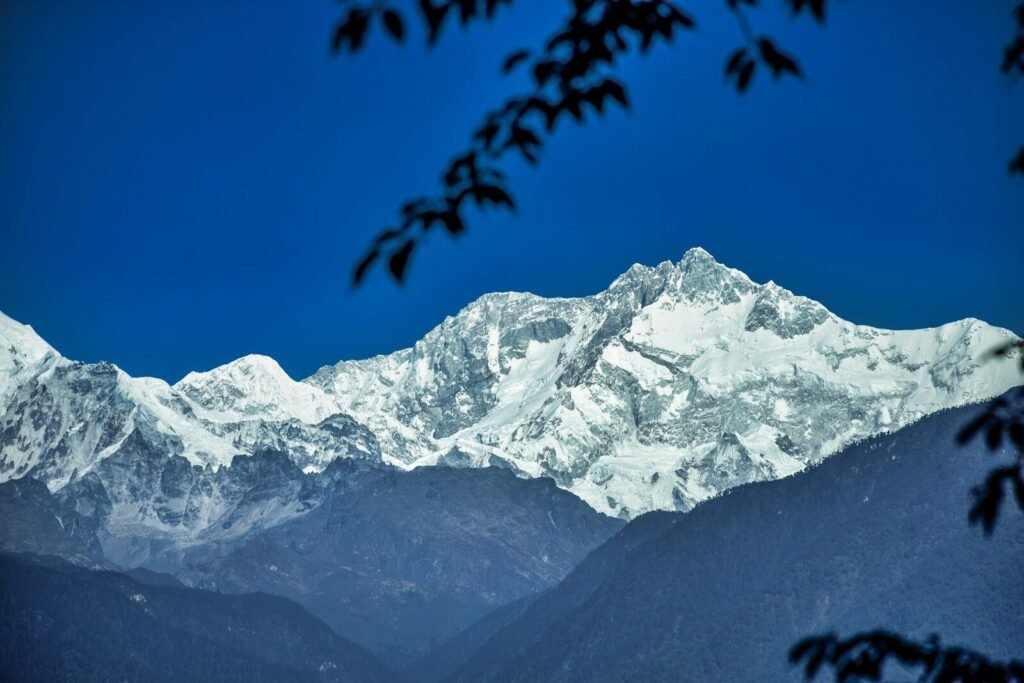
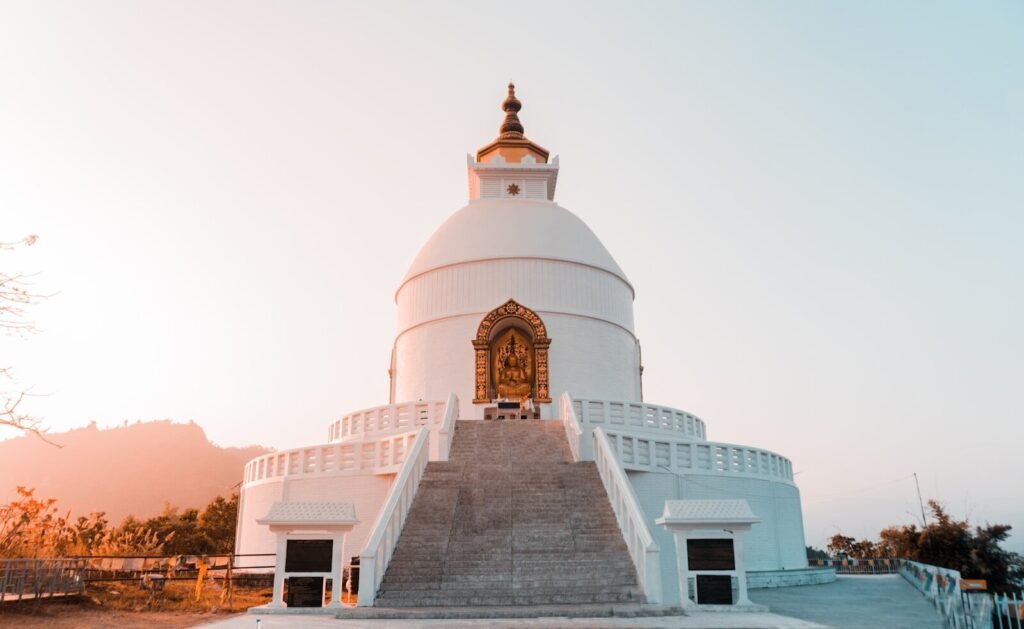
The Peace Pagoda in Darjeeling — set on the slopes of Jalapahar near the Japanese Temple — is a serene pilgrimage and a spectacular vantage point offering sweeping views of the Himalayan range and the town below. Choosing the right time to visit will determine whether you enjoy crisp mountain vistas, flowering rhododendrons, or a quiet, misty retreat. This guide explains the seasons, highlights the ideal months for different experiences, and offers practical travel and photography tips.
The Peace Pagoda is primarily an outdoor attraction. Weather and visibility strongly affect the experience: clear skies provide dramatic views of Mount Kanchenjunga and the surrounding peaks, while clouds and rain can obscure vistas but add a mystical mood. Seasonal activities (tea garden visits, birdwatching, rhododendron blooms) and local festivals also influence crowd levels and the overall atmosphere.
This is one of the most pleasant periods for visiting. Temperatures are cool to mild during the day and crisp at night. Spring brings blooming rhododendrons and fresh tea leaves on the hillsides. Visibility is generally good, making it ideal for panoramic views and nature walks around the Pagoda.
Heavy rains are common. The landscape becomes lush and green, but landslips, slippery trails, and persistent clouds can limit access to viewpoints and reduce visibility of the mountains. If you prefer solitude and dramatic, misty photography, monsoon can be appealing, but it is not optimal for mountain views.
Often regarded as the best time for Himalayan vistas, autumn brings clear skies and stable weather. Views of Kanchenjunga and surrounding peaks are spectacular, air quality improves, and outdoor sightseeing is highly rewarding. This is a peak tourist period — expect more visitors and higher accommodation rates.
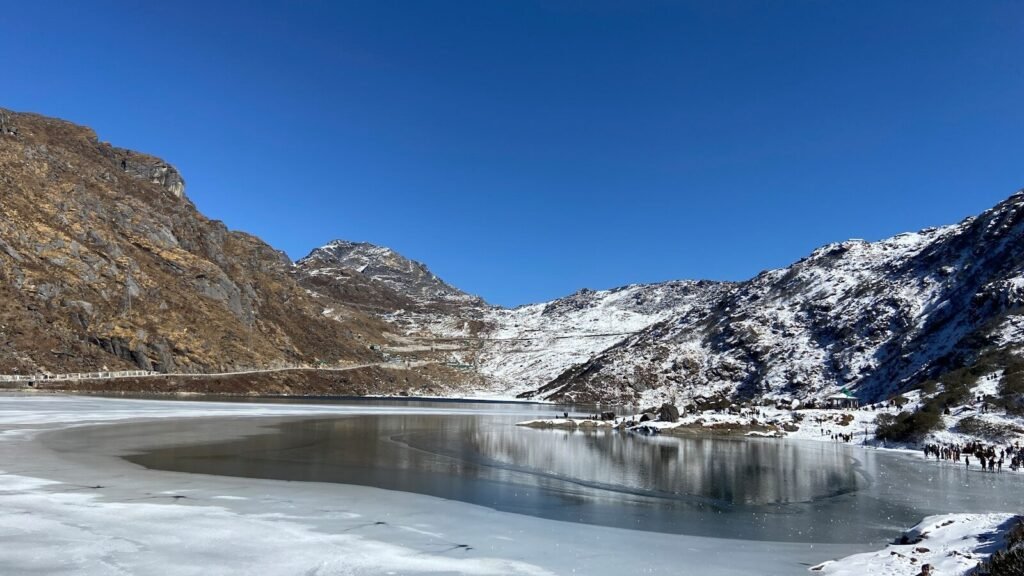
Winters are cold. Mornings and evenings can be foggy, which sometimes obscures the mountains, but clear winter days offer crisp, dramatic views. Occasional snowfall at higher elevations creates a beautiful, tranquil scene but can make roads and paths icy.
Early morning during October–November and March–April offers the best chance of clear skies and vivid sunrise hues over Kanchenjunga. Plan to arrive before dawn and be prepared for cold temperatures at higher elevations.
March–April is the best period to catch rhododendrons and other spring blooms in the surrounding forests and gardens.
Monsoon months can create dramatic fog-filled landscapes and a more isolated, atmospheric experience — but expect practical inconveniences like rain and muddy trails.
If you have to pick a single period: Plan your visit to the Peace Pagoda in October–November or March–May. These months combine comfortable weather, excellent visibility for Himalayan vistas, and favorable conditions for outdoor sightseeing and photography. If you prefer solitude and dramatic cloudscapes, choose the monsoon with the caveat of possible rain-related travel issues. In all seasons, arrive early for the best light and a quieter, more contemplative experience.
With the right season and a respectful mindset, a visit to the Peace Pagoda in Darjeeling can be a deeply peaceful and visually memorable highlight of your Himalayan itinerary.
What makes us different from other tour package companies
Our travel experts have core and intense knowledge about Sikkim sector with over 10 years of experience that will help you choose the best possible itinerary as per your requirements.
Our travel experts are just one call away during your tour to help you with any kind of immediate assistance so that your tour is a more enjoyable and hassle-free tour.
eSikkimTourPackages ensures best rates to all our esteemed guests since we have our own hotels and fleet of vehicles and drivers and there is no third-party involvement. This ensures personalized service and best rates.
























Kindly enter the details below for your Sikkim Tour Package