Perched above the mist-draped town of Darjeeling, the Peace Pagoda is more than an architectural landmark — it is a modern symbol of non-violence, intercultural exchange and spiritual contemplation that has become integral to Darjeeling’s tourism identity. This article traces the pagoda’s historical origins, its architectural and religious significance, and the role it plays today in attracting visitors while shaping local cultural life.
The Peace Pagoda movement arose in the 20th century from the efforts of Japanese Buddhist practitioners who sought to promote global harmony after the devastations of the two world wars. Initiated by the Nipponzan Myohoji order, inspired by the teachings of Nichidatsu Fujii and his emphasis on non-violence and peace-building, a series of stupas and pagodas were constructed around the world as places for prayer, reflection and reconciliation.
The global movement deliberately chose visible, often elevated sites to place these monuments so that they would serve both as spiritual shelters and as public reminders of a commitment to peace. The Darjeeling Peace Pagoda is one of these international stupas, representing the order’s outreach to the Himalayan region and India more broadly.
The Darjeeling Peace Pagoda was built under the guidance of monks of the Nipponzan Myohoji order and local supporters. Constructed in the late 20th century, the pagoda was completed and consecrated in the early 1990s. Its establishment in Darjeeling reflected a convergence of factors:
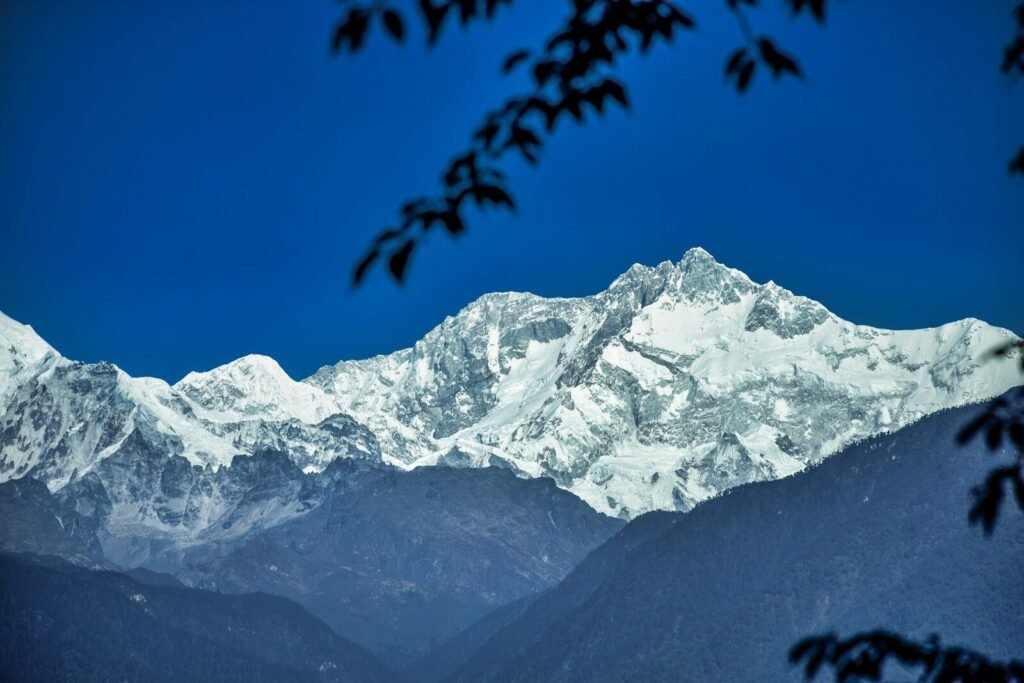
From the outset, the site was intended to serve both religious and secular visitors — pilgrims, local residents, and tourists — offering them a space for contemplation and a vantage point from which to appreciate the Himalayan panorama.
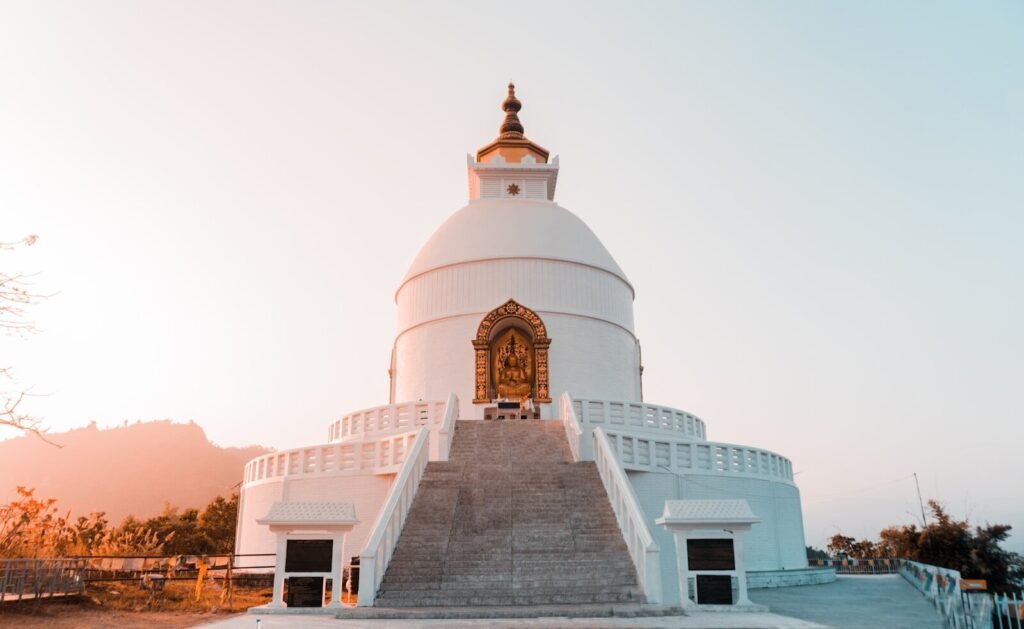
The Darjeeling Peace Pagoda presents the characteristic features of modern peace stupas:
The use of white and gold, simple geometric volumes and uncluttered spaces emphasize serenity and make the pagoda visually prominent against the green of the hills and the blue backdrop of the mountains.
Sculptural panels, prayer flags, and occasional inscriptions at the site reflect a blend of Japanese Buddhist aesthetics and local Himalayan crafts. These elements help make the pagoda a place of intercultural dialogue — a Japanese religious monument that has been embraced and adapted by local volunteers and devotees.
As a site erected by a pacifist Buddhist order, the Peace Pagoda is consecrated for activities that promote non-violence, meditation and communal prayer. It routinely hosts:
For the people of Darjeeling, the pagoda has become a symbolic landmark — a place for village-level events, school excursions and occasional cultural exchange programs with Japanese and other international groups.
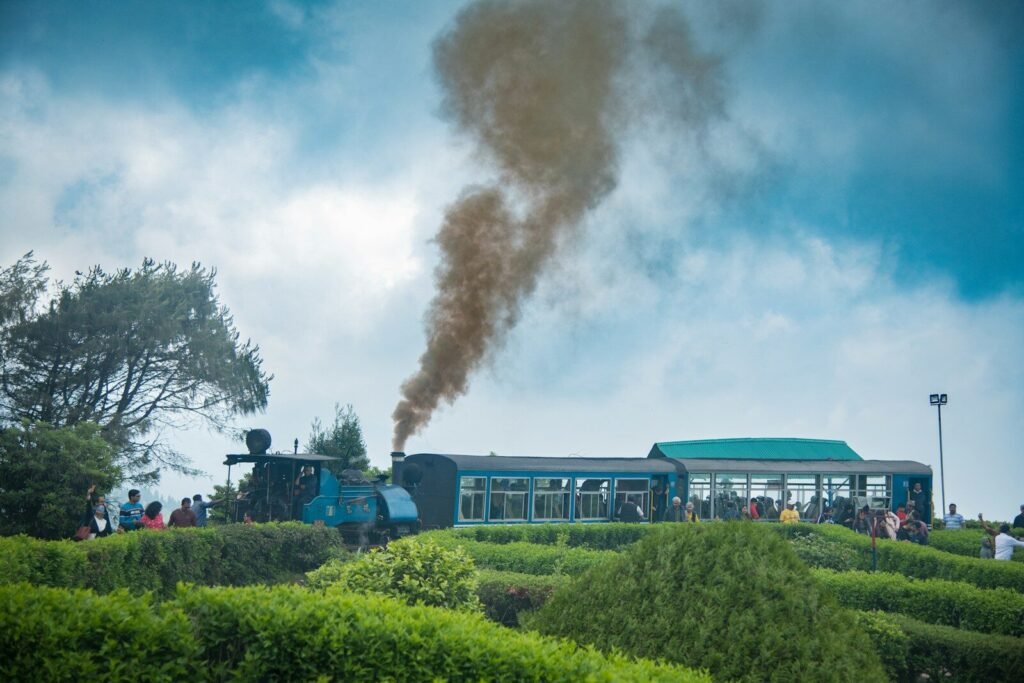
Within Darjeeling’s tourism circuit, the Peace Pagoda is valued for several overlapping reasons: spiritual ambience, panoramic views, cultural interest and accessibility. It is commonly included on short sightseeing itineraries along with other key attractions such as the Mall Road, Batasia Loop, and nearby tea gardens.
The pagoda is located on a hill overlooking Darjeeling and is generally accessible by road with a short walk from the nearest parking point. Many visitors combine a visit to the pagoda with other nearby sights. Typical practical information includes:
The Peace Pagoda contributes modestly but meaningfully to Darjeeling’s tourism economy. It helps diversify the town’s appeal beyond colonial-era charm and tea-culture tourism by offering:
Local vendors sometimes benefit from increased footfall, while tour operators include the pagoda in half-day sightseeing packages.
Like many hilltop monuments, the Peace Pagoda faces challenges related to maintenance, environmental exposure and the pressures of tourism. Conservation priorities include structural upkeep, protection of surrounding vegetation, responsible waste management and balancing visitor access with the site’s peaceful nature.
Future prospects for the pagoda as a tourism asset depend on:
Travelers frequently pair a visit to the Peace Pagoda with these attractions, creating convenient half-day or full-day circuits:
The Peace Pagoda in Darjeeling stands as a modern monument rooted in an international movement for harmony. Its history — from conception by a Japanese Buddhist order to its realization on a Himalayan ridge — mirrors Darjeeling’s role as a crossroads of cultures and a magnet for travelers seeking both spectacle and solace. For visitors, the pagoda offers not only panoramic vistas but also an encounter with a living commitment to peace that continues to enrich Darjeeling’s cultural landscape and tourism offer.
Whether approached as a religious site, a photographic vantage point, or a quiet place to reflect, the Peace Pagoda remains one of Darjeeling’s quietly powerful attractions — a destination where history, spirituality and tourism intersect.
What makes us different from other tour package companies
Our travel experts have core and intense knowledge about Sikkim sector with over 10 years of experience that will help you choose the best possible itinerary as per your requirements.
Our travel experts are just one call away during your tour to help you with any kind of immediate assistance so that your tour is a more enjoyable and hassle-free tour.
eSikkimTourPackages ensures best rates to all our esteemed guests since we have our own hotels and fleet of vehicles and drivers and there is no third-party involvement. This ensures personalized service and best rates.
























Kindly enter the details below for your Sikkim Tour Package