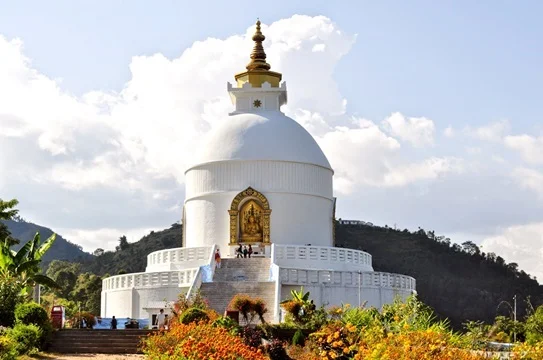
The Japanese Temple in Darjeeling is a small, serene place of worship and meditation that attracts visitors for its unusual architecture, peaceful atmosphere and scenic hill-station setting. The following FAQs are designed for tourists planning a visit: practical tips, cultural etiquette, how to get there, nearby attractions, and commonly asked logistical questions. Where precise details can change (opening hours, special events, fees), readers are advised to confirm locally or through the Darjeeling tourism office.
The Japanese Temple is often described as a compact Buddhist temple with Japanese influence in style and iconography. It typically functions both as a place for prayer/meditation and as a peaceful sightseeing spot for visitors to Darjeeling.
Answer: The Japanese Temple is located in or near central Darjeeling (within easy reach of major points in the hill town). Exact access routes vary depending on where you are staying; many visitors reach it by a short walk or a short taxi/jeep ride from the town center. For the exact position and current access routes, check with your hotel or the local tourist information desk when you arrive.
Answer: Opening times may vary. Many small temples in Darjeeling are open in the morning and late afternoon to early evening, but some may close during midday or for private rituals. It is best to verify opening hours locally or ask your guide/hotel before setting out.
Answer: In most cases there is no fixed entrance fee for visiting small temples. Donations are usually welcome and often placed in a donation box. If special events or guided tours are offered, there may be a small charge—ask locally for current information.
Answer: No mandatory booking is required for casual visits. However, if you want deeper historical or cultural context, a local guide can enhance your experience. Some guided walking tours of Darjeeling include the Japanese Temple as a stop.
Answer: Respectful, modest clothing is recommended. Common etiquette includes:
Answer: Photography policies vary by temple. Many exterior and general interior shots are allowed, but always look for posted signs or ask the temple staff or caretakers. When worshippers are present, be especially cautious and respectful.
Answer: Many hilltop temples in Darjeeling are on uneven terrain and may have steps or narrow paths. Accessibility can be limited. If you require wheelchair access, contact your hotel or local tourism office in advance to confirm whether the route and temple are suitable.
Answer: Small Buddhist/Japanese-style temples may have periodic prayer sessions, chanting, or meditation times. Observing is generally allowed if you are quiet and respectful. If you wish to participate, ask how to do so properly—joining without instruction is discouraged.
Answer: Darjeeling sits at a higher altitude than the plains; most visitors do not need acclimatization, but take it easy on arrival if you feel breathless. Watch your step on narrow or wet paths, and plan travel time with allowances for traffic and narrow mountain roads.
Answer: Depending on the temple’s exact location, you can usually reach it by walking from central Darjeeling if your hotel is nearby, or by hiring a local taxi/jeep for a short ride. Local drivers and guides are familiar with temple routes and can help plan an efficient visit.
Answer: Popular Darjeeling attractions commonly visited on the same day include:
Answer: The Japanese Temple reflects a point of cultural exchange and spiritual practice. While specific histories vary, such temples often represent Buddhist traditions and may have been supported or influenced by visitors or communities with ties to Japanese Buddhism. For detailed history, consult local guides or temple caretakers who can share stories specific to that temple.
Answer: Small temples may follow various Buddhist traditions. If you want to know about the temple’s specific affiliation (Zen, Mahayana, etc.), ask the priest/caretaker or check any informational plaques at the site.
Answer: Generally yes—Darjeeling is a popular tourist destination and daytime visits to public temples are typically safe. Exercise usual travel common sense: keep valuables secure, avoid poorly lit or isolated areas after dark, and check weather/road conditions before traveling.
Answer: Facilities depend on the temple’s location. Some temples have basic restrooms or nearby tea stalls/shops; in quieter areas you may need to plan beforehand. Ask your hotel or guide about facilities en route.
Answer: Larger temple complexes sometimes have small stalls; smaller temples may have none. Nearby streets or the town center will have shops selling souvenirs and eateries.
Answer: Because local conditions, opening hours and event schedules can change, always verify the latest practical details with your hotel, a local guide, or the Darjeeling tourism information center before you go. If you have special needs (accessibility, group visits, or filming), contact temple authorities or local tour operators in advance to make arrangements.
Enjoy the calm, respect the culture, and take time to pair the visit with Darjeeling’s scenic views and nearby cultural attractions for a rewarding day in the hills.
What makes us different from other tour package companies
Our travel experts have core and intense knowledge about Sikkim sector with over 10 years of experience that will help you choose the best possible itinerary as per your requirements.
Our travel experts are just one call away during your tour to help you with any kind of immediate assistance so that your tour is a more enjoyable and hassle-free tour.
eSikkimTourPackages ensures best rates to all our esteemed guests since we have our own hotels and fleet of vehicles and drivers and there is no third-party involvement. This ensures personalized service and best rates.
























Kindly enter the details below for your Sikkim Tour Package