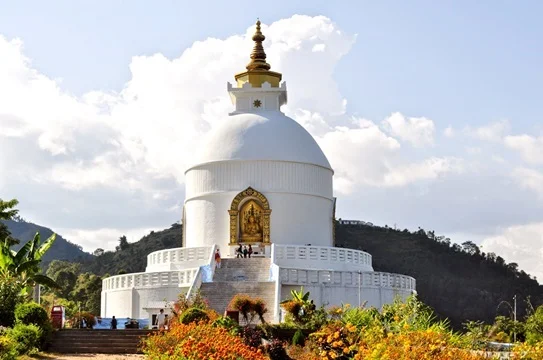
The Japanese Temple (commonly known as the Darjeeling Peace Pagoda) is a calm, white-domed shrine set on the slopes of Darjeeling that offers spiritual atmosphere, beautiful architecture and panoramic views of the Eastern Himalaya. Choosing the right time to visit maximizes your chances of clear mountain vistas, pleasant weather and meaningful cultural experiences. This guide explains seasonal pros and cons, monthly expectations, practical tips and travel recommendations so you can plan an enjoyable visit.
Location and character: The temple sits on a ridge overlooking Darjeeling town and the valley below. It is a Japanese-style peace pagoda built to promote peace and harmony; its white dome, prayer wheels and statues of the Buddha are a tranquil contrast to the bustle of the nearby Mall Road.
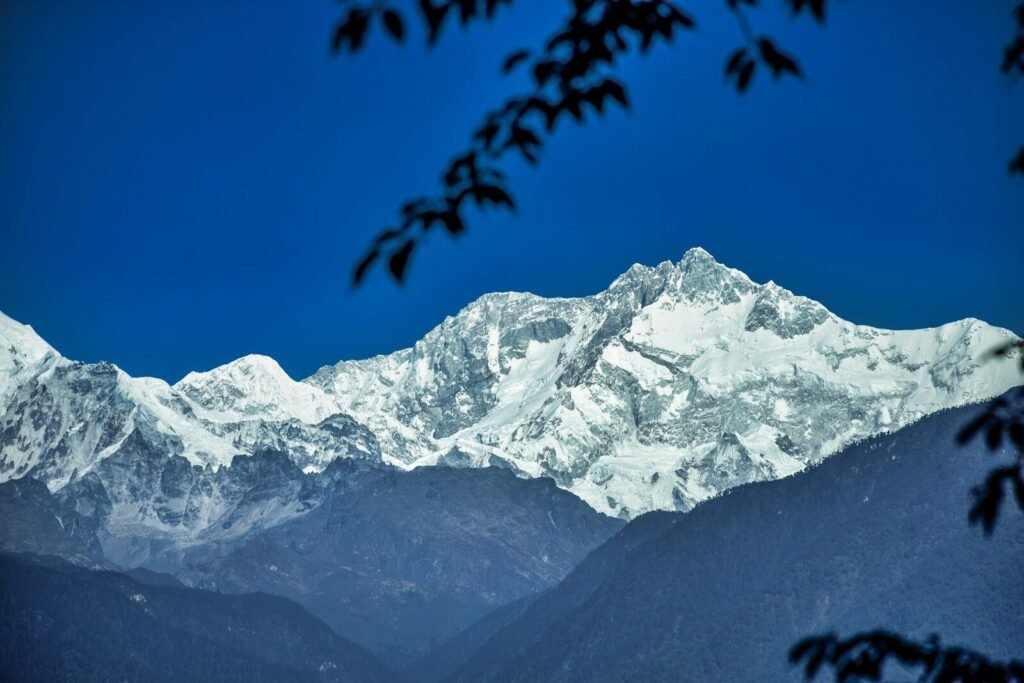
Architecture and atmosphere: The complex typically features a simple, whitewashed stupa, prayer flags, and landscaped grounds that invite quiet reflection. Beyond its spiritual purpose, the site is prized by tourists for sweeping views of Kanchenjunga and surrounding peaks on clear days.
Darjeeling sits at roughly 2,000–2,200 metres above sea level. The weather is strongly seasonal and directly affects visibility, walking conditions and the safety of travel routes:
Cold mornings and nights; occasional clear days ideal for views but expect sharp chill. Pack warm layers.
Warming up. Flowers (especially rhododendrons in April) add color. Great for walking and photography; mornings often clear.
Monsoon rains dominate. Avoid if you want mountain vistas or worry about road safety. If you travel, be prepared for rain and limited outdoor activities.
Post-monsoon clarity — the best time for views of the Himalaya and comfortable walking conditions. Tourist numbers increase, so plan accommodation in advance.
Cool and crisp with short days. Possible early morning clarity; afternoons can be cold. Not the busiest period, which can be an advantage for solitude.
Best on clear autumn and spring mornings: Arrive at the temple before sunrise on an October–November or March–May morning for spectacular colors and crisp views of Kanchenjunga. Dress warmly for early hours.
The temple may observe Buddhist festivals such as Vesak (Buddha Purnima) in spring — visiting during these events can add cultural depth, though ceremonies and schedules vary. If you plan to attend a festival, inquire locally for exact dates and times.
The temple is accessible to most visitors but involves walking on slopes and some steps. If mobility is limited, inquire about the nearest vehicle drop-off point. During the monsoon, check road conditions and local travel advisories because heavy rain can affect access and safety.
If your priority is mountain views and comfortable weather: plan for October–November or March–May. For solitude and a quieter experience, consider the shoulder periods in early March or late November. Avoid the monsoon months if clear views and safe road travel are important to you.
With the right timing — clear skies, mild temperatures and a respectful attitude — a visit to the Japanese Temple in Darjeeling can be both spiritually uplifting and visually unforgettable.
What makes us different from other tour package companies
Our travel experts have core and intense knowledge about Sikkim sector with over 10 years of experience that will help you choose the best possible itinerary as per your requirements.
Our travel experts are just one call away during your tour to help you with any kind of immediate assistance so that your tour is a more enjoyable and hassle-free tour.
eSikkimTourPackages ensures best rates to all our esteemed guests since we have our own hotels and fleet of vehicles and drivers and there is no third-party involvement. This ensures personalized service and best rates.
























Kindly enter the details below for your Sikkim Tour Package