The hot springs of Yumthang, located close to the mountain village of Lachung in North Sikkim, India, combine natural spectacle, local cultural meanings and growing tourism interest. This article traces the historical background of the valley and Lachung, describes the hot springs and their cultural uses, and places them in the context of modern tourism: how they were discovered and popularized, what visitors should know today, and the conservation challenges ahead.
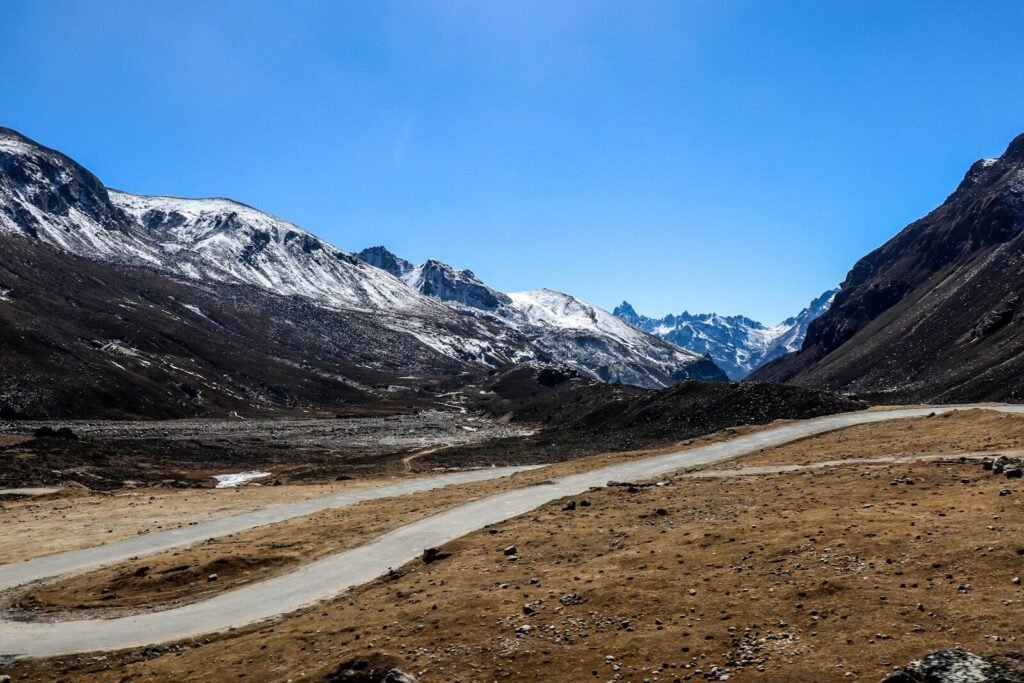
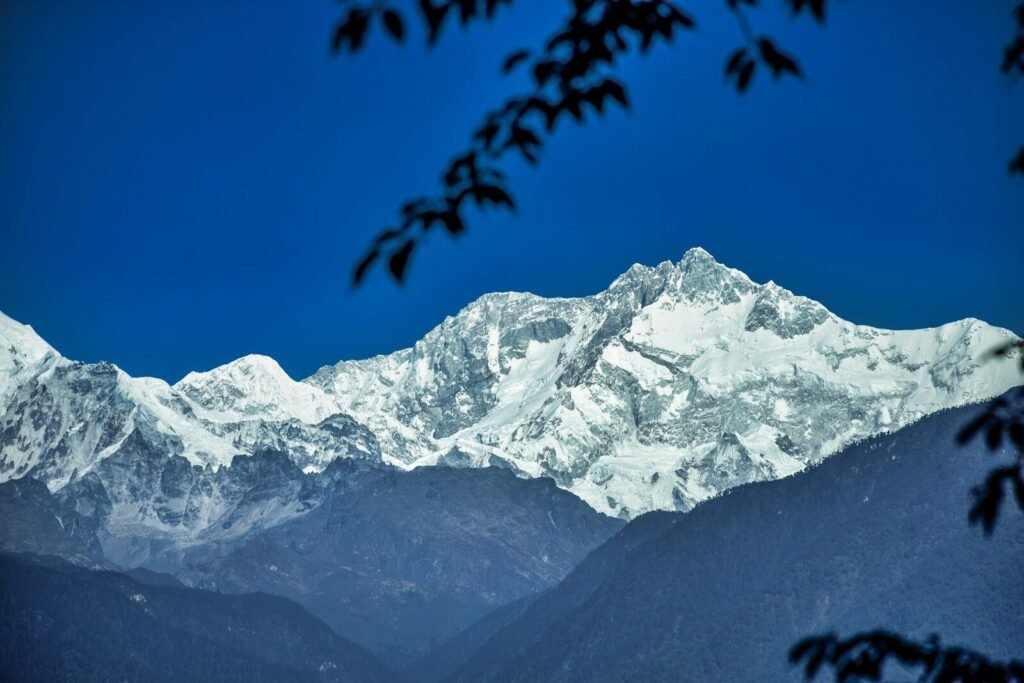
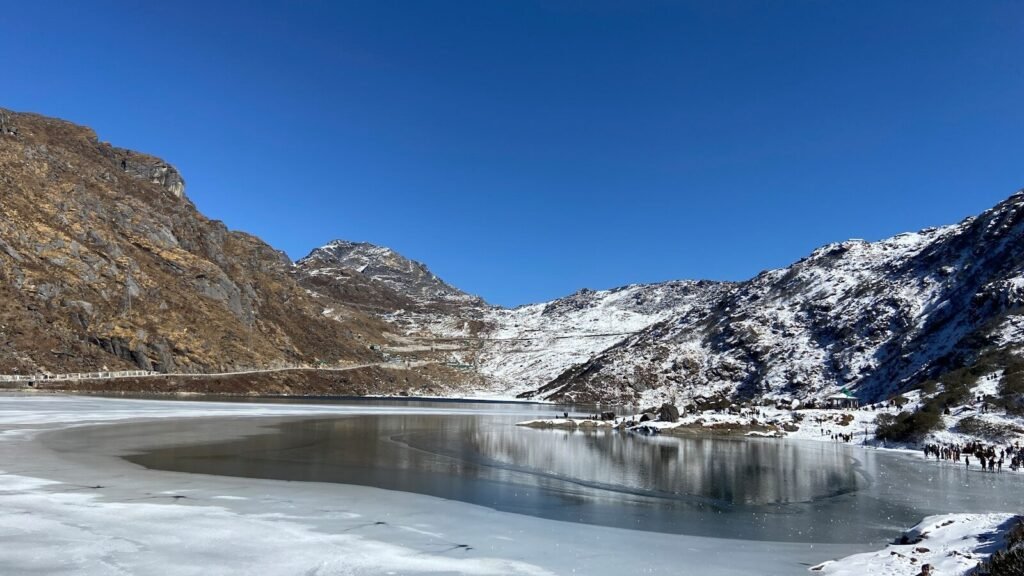
Yumthang Valley lies in North Sikkim, in the shadow of the Himalayan highlands. The valley and nearby hamlet of Lachung sit at high altitudes (Yumthang around 3,500 metres above sea level; Lachung somewhat lower), framed by peaks, alpine meadows and riverine corridors. The valley is celebrated for its seasonal blooms — particularly rhododendrons in spring — and for thermal springs that bubble up through the alpine geology.
The hot springs of Yumthang are valued both for their natural curiosity — warm, mineral-rich water in a cold mountain setting — and for long-standing local beliefs about therapeutic properties. Over recent decades they have also become important tourist attractions, drawing domestic and international visitors who include the springs on itineraries that also feature the Shingba (Singba) Rhododendron Sanctuary, highland grazing areas and scenic drives.
The high valleys of North Sikkim have been inhabited and seasonally used by indigenous communities such as the Lepchas and Bhutias for centuries. These communities practiced agro-pastoralism, yak and sheep grazing, and maintained trade and cultural ties with neighbouring Himalayan peoples. Natural features such as hot springs often carried local religious and therapeutic significance; elders and healers used thermal waters for bathing and treating skin ailments long before the arrival of organized tourism.
Sikkim’s political history — from an independent kingdom to a protectorate and finally a state of India in 1975 — brought gradual administrative integration and infrastructure development. Improved roads, communications and governmental oversight in the later 20th century opened up remote valleys that had once been accessible only by foot or mule tracks. As access improved, places like Lachung and Yumthang shifted from being primarily local use zones to destinations on the tourist map.
From the late 20th century onward, tourism in North Sikkim expanded as trekking, nature watching and cultural tourism grew in popularity. Lachung became an important staging point for visitors to Yumthang Valley; homestays, guesthouses and small hotels developed to serve trekkers and sightseers. The hot springs were promoted as a highlight of the valley experience — a warm, restorative stop amid alpine scenery — and were frequently included in travel guides and itineraries.
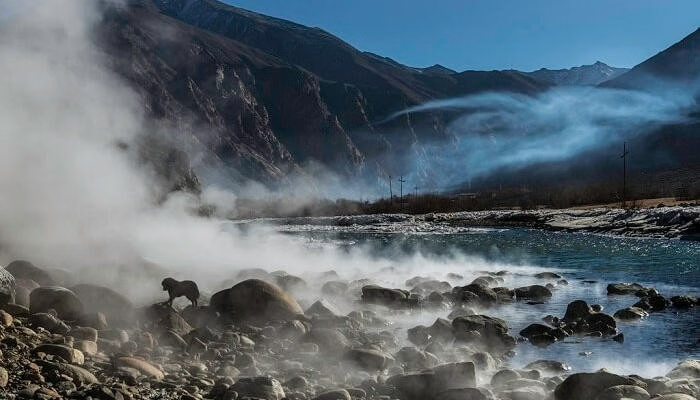
The springs at Yumthang are mineral-rich and typically warm compared to ambient temperatures. Their warmth is explained by geothermal activity along fractures and faults in the rock, which allows groundwater to percolate, heat up and surface. The water often has a noticeable sulphurous smell and mineral content typical of Himalayan thermal springs.
Locally, the thermal waters have been regarded as having therapeutic value for conditions such as rheumatism and skin problems. Visitors often come seeking relief from cold-related muscular stiffness or simply to enjoy the unusual experience of bathing in warm natural springs surrounded by snow and alpine meadows. It is important to note that while traditional beliefs are strong, scientifically validated claims about cures are limited; visitors should take such claims as part of cultural context rather than medical fact.
The broadening of road access, often undertaken by mountain road-building agencies, has made short excursions from Gangtok to Lachung and Yumthang viable in a day or as part of multi-day trips. Accommodation in Lachung ranges from teahouses and government-run guest houses to small private hotels and community-run homestays. Within the valley, visitor facilities are basic; the springs themselves usually have only minimal formal infrastructure, which contributes to their rustic appeal but also constrains capacity.
Tourism to Yumthang peaks in spring (April–May) for rhododendron blooms and in late winter for snow-covered landscapes. Summer months bring clearer roads but also the monsoon period in Sikkim (June–September) when heavy rains can trigger landslides and temporarily inhibit travel. Winter (December–February) sees sub-zero temperatures and occasional road closures, although snow lovers may deliberately plan trips for this period.
Increased visitor numbers put pressure on fragile alpine ecosystems. Waste management, trampling of vegetation (especially flowering meadows), and disturbance to grazing patterns are real concerns. The thermal features themselves are part of delicate hydrological systems that can be impacted by unchecked footfall and informal development.
Tourism has created livelihood opportunities for local people — in homestays, guiding, food services and handicrafts — but benefits are uneven unless well-governed. Community-based tourism initiatives and local regulation of vendors and guides can help ensure that revenue returns to villages and that cultural and environmental integrity is preserved.
The hot springs at Yumthang, within the broader tapestry of Lachung and North Sikkim, are emblematic of a Himalayan site where nature, culture and tourism converge. Their historical roots in local practice and belief, combined with increasing visitation, create both opportunity and responsibility. The future will depend on balanced management: protecting delicate alpine systems and sustaining local communities while allowing travelers to witness and respectfully enjoy one of the Himalaya’s distinctive highland landscapes.
For anyone planning a visit, the best approach is informed preparation: check permit requirements, plan for altitude and weather, favor local services that practice sustainable tourism, and treat the springs and surrounding habitats with respect.
What makes us different from other tour package companies
Our travel experts have core and intense knowledge about Sikkim sector with over 10 years of experience that will help you choose the best possible itinerary as per your requirements.
Our travel experts are just one call away during your tour to help you with any kind of immediate assistance so that your tour is a more enjoyable and hassle-free tour.
eSikkimTourPackages ensures best rates to all our esteemed guests since we have our own hotels and fleet of vehicles and drivers and there is no third-party involvement. This ensures personalized service and best rates.























Kindly enter the details below for your Sikkim Tour Package