FAQs about Hot Springs (Yumthang), Lachung — A Tourism Guide
The Yumthang Valley (often called the “Valley of Flowers”) and the nearby natural hot springs close to Lachung are among North Sikkim’s most visited attractions. This FAQ-style guide answers common visitor questions — practical, safety, permit and cultural advice — to help you plan a responsible, enjoyable visit.
Quick facts
- Location: Yumthang Valley is in North Sikkim, north of the mountain village of Lachung.
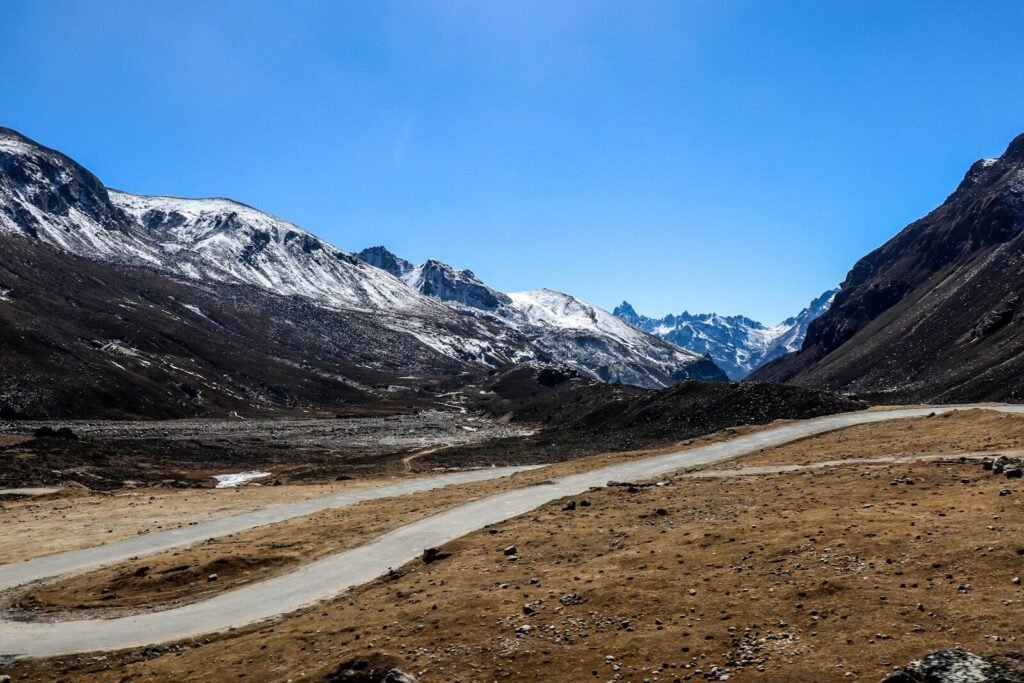
- Elevation: The valley and nearby attractions are high-altitude areas (Yumthang is often cited around 3,500–3,600 m), so acclimatization is important.
- Distance & travel time: From Lachung, Yumthang and the hot springs are typically within ~25–30 km (roughly 1–2 hours by mountain road, depending on conditions).
- Main draws: Rhododendron blooms (spring), alpine meadows, snow in winter, and hot springs believed to have therapeutic properties.
Frequently Asked Questions (FAQ)
1. What exactly are the Yumthang hot springs?
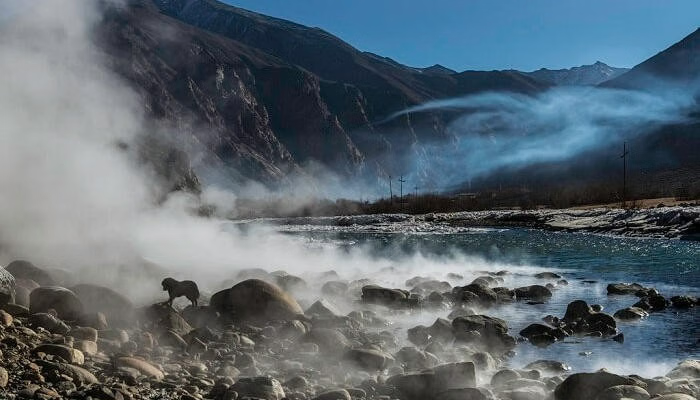
The hot springs near Yumthang/Lachung are natural geothermal springs where warm to hot water surfaces through fissures in the rock. They are locally valued for their reputed therapeutic properties, and visitors often stop to feel the warmth and, where permitted, bathe in designated areas.
2. How do I reach Lachung and Yumthang hot springs from Gangtok?
The usual route is by road from Gangtok. Expect mountain driving with many switchbacks:
- Gangtok to Lachung: approximately 5–7 hours by taxi or shared vehicle (road and weather dependent).
- Lachung to Yumthang and the hot springs: about 1–2 hours (roughly 25–30 km).
Book reliable transport through an approved taxi operator, tour company, or your hotel. Roads can be rough and slow; check the season and weather before departure.
3. Are permits required to visit North Sikkim (including Yumthang and the hot springs)?
Yes. Permit regulations can change, so always confirm before travel. General guidance:
- Foreign nationals: Typically require a Protected Area Permit (PAP) for parts of Sikkim — obtain through authorized agencies, travel operators, or government counters.
- Indian nationals: Permits are usually required for restricted areas of North Sikkim; these can often be arranged through Sikkim Tourism counters, hotels, or tour operators.
- Always carry original ID and permit documents; copies may not suffice.
- Recommendation: Check the official Sikkim Tourism website or contact the local tourism office in Gangtok/Lachung for the latest rules and where to apply.
4. When is the best time to visit the Yumthang hot springs?
It depends on what you want to experience:
- Spring (March–May): Rhododendron blooms and alpine flowers — one of the most popular times.
- Summer / Monsoon (June–September): Green valley but roads may be affected by landslides; heavy rain can disrupt travel.
- Autumn (October–November): Clear skies and pleasant weather for trekking and sightseeing.
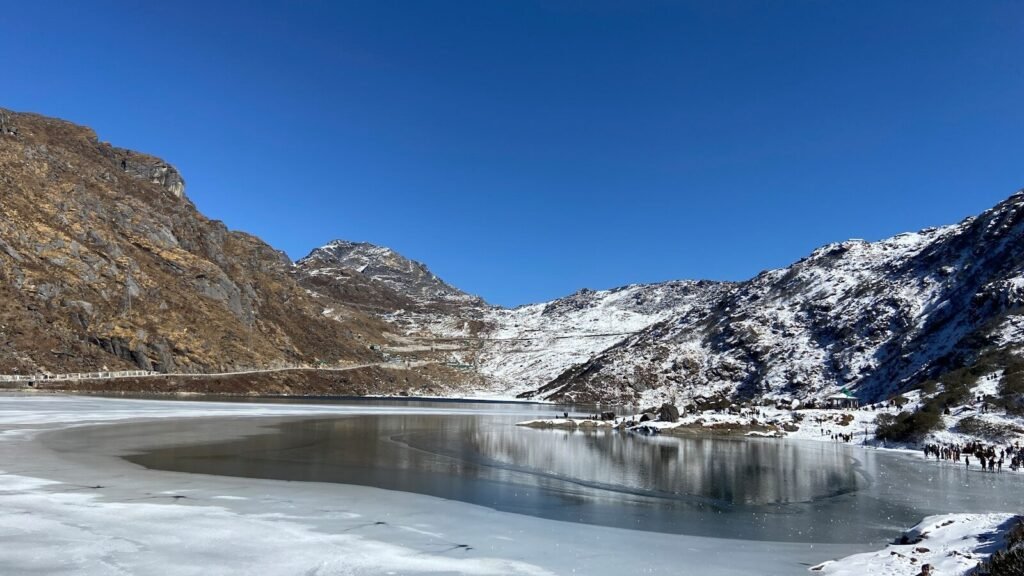
- Winter (December–February): Snowfall offers spectacular views; however, roads may be temporarily closed or require experienced drivers and snow chains.
Always verify road openings and local conditions before planning a winter trip.
5. Can I bathe in the hot springs? Are there changing rooms or facilities?
Bathing customs vary by season and location. Some spots have simple enclosures or locally maintained bathing pools; others are raw natural pools.
- Follow local signage and guidance — only bathe where permitted.
- If bathing is allowed, use swimwear and avoid soaps or shampoos to protect the environment.
- Facilities are usually basic: bring towels, quick-dry clothing, footwear, and modesty wear (local customs expect modest dress).
6. How hot are the springs? Are they safe?
Temperatures vary by vent and season. Some pools are pleasantly warm; others can be very hot. Never assume a spring is safe — test carefully with a foot and heed local warnings.
Safety tips:
- Do not enter any pool where the water is visibly boiling or steaming heavily.
- Avoid deep immersion if you have cardiovascular issues, skin conditions, or are pregnant — consult a doctor first.
- Supervise children closely; do not allow unsupervised bathing.
7. Will altitude sickness be a problem? How can I acclimatize?
Yumthang and the surrounding areas are high-altitude locations. Acute Mountain Sickness (AMS) can affect anyone, regardless of fitness.
- Acclimatize: Spend at least 24–48 hours in Gangtok/Lachung to acclimatize before ascending higher.
- Stay hydrated, avoid alcohol, eat light meals, and ascend gradually.
- Know the symptoms (headache, nausea, dizziness, fatigue) and descend immediately if they worsen.
8. Are there entry fees, guide requirements, or local rules I should know?
Entry fees and local rules change. Common points:
- Some sites charge nominal entry or parking fees. Vehicles may be charged per entry.
- Certain areas require local guides (especially where permits are issued with specific conditions). Hiring a local guide supports the community and enhances safety.
- Respect protected area rules: no littering, no collection of plants or stones, and no disturbance of wildlife.
9. What clothing and gear should I bring?
Prepare for cold, wind, and sudden weather changes:
- Layered clothing, warm jacket, gloves, hat, and sturdy footwear.
- Sunglasses and sunscreen for high-altitude sun exposure.
- Waterproof outer layer in case of rain or snow.
- Small first-aid kit, any personal medications, and altitute medication if advised by your doctor.
10. Are there good accommodation options near Lachung and Yumthang?
Lachung offers guesthouses, homestays and small hotels with basic to comfortable facilities. Yumthang itself is usually a day-trip destination; accommodation at the valley is limited. Book stays in Lachung in advance during peak season.
11. Can I self-drive to Yumthang/hot springs? Are the roads safe?
Mountain roads can be narrow, steep and unpredictable. Self-driving is possible for experienced mountain drivers, but:
- Ensure your vehicle is suitable for mountain terrain and maintained.
- Carry snow chains in winter; check with local authorities about road conditions.
- Consider hiring local drivers who know the routes and conditions.
12. Is photography permitted? Any restrictions?
Photography is generally allowed in public areas. Please:
- Ask before photographing locals out of courtesy.
- Respect wildlife (use long lenses; do not disturb or feed animals).
- Observe signs near sensitive sites that may restrict photography.
13. How to practice responsible tourism at the hot springs?
Responsible travel protects both the environment and local livelihoods:
- Do not litter; carry out what you bring in.
- Use biodegradable products and avoid soaps in natural water bodies.
- Support local businesses — hire local guides, eat at local eateries, buy local handicrafts ethically.
- Follow marked trails and avoid trampling fragile alpine flora.
14. Are there medical facilities nearby in case of emergency?
Lachung has basic medical facilities. For serious emergencies, patients may need evacuation to larger hospitals in Gangtok or further. Travel insurance that covers high-altitude rescue/evacuation is recommended.
15. What if road access is closed due to weather or landslides?
Roads in Himalayan regions can close without much notice. Always:
- Allow flexible itineraries and buffer days in your plan.
- Carry essentials (warm clothing, food, water, medicines) for unexpected delays.
- Stay updated via local contacts, hotels, or Sikkim transport updates.
16. Is there a best sample day itinerary including the hot springs?
A typical short itinerary (subject to conditions):
- Day 1: Travel from Gangtok to Lachung — overnight in Lachung for acclimatization.
- Day 2: Early drive to Yumthang Valley; visit the meadow and hot springs; return to Lachung or continue to Lachen/Chungthang depending on your route.
- Day 3: Continue travel (e.g., to Gurudongmar Lake) or return to Gangtok.
17. Any cultural etiquette I should follow?
Respect local customs:
- Dress modestly, especially near villages and religious sites.
- Remove shoes where indicated and ask before entering private or sacred spaces.
- Use polite greetings and seek permission before photographing people or homes.
18. Where can I get the latest official information (permits, road status, contacts)?
For the most current and authoritative information:
- Contact Sikkim Tourism (official website and office in Gangtok).
- Ask your hotel or licensed tour operator to confirm permits and road conditions.
- Local police and district administration offices in North Sikkim can provide real-time updates.
Final tips
Visiting Yumthang and its hot springs is a memorable experience if you travel prepared and respectfully. Prioritize acclimatization and safety, verify permits and road conditions ahead of time, and leave no trace. Local communities depend on tourism — support them responsibly and enjoy the spectacular Himalayan landscapes.
If you want, I can draft a checklist for packing, suggest a sample 3-day itinerary, or provide contacts for licensed tour operators and permit offices.